

My counter-inanity curriculum
I am putting together this reading list for 2026 not out of self-improvement panic or New Year optimism but out of a quieter, more stubborn need to stay awake. The world has grown loud with inanity, preoccupied with performance and outrage, and rewarded cruelty disguised as opinion. I am tired of it. After everything that unfolded in 2024, the pile-ons, the historical amnesia, the ease with which people speaking anonymously online chose contempt over thought, it feels almost irresponsible not to read more deliberately.
This list is not designed to impress anyone. It is meant to steady me. Half of it is nonfiction, because understanding systems matters. Half of it is fiction, because understanding people matters just as much. I do not trust anyone who thinks empathy can be learned without stories.
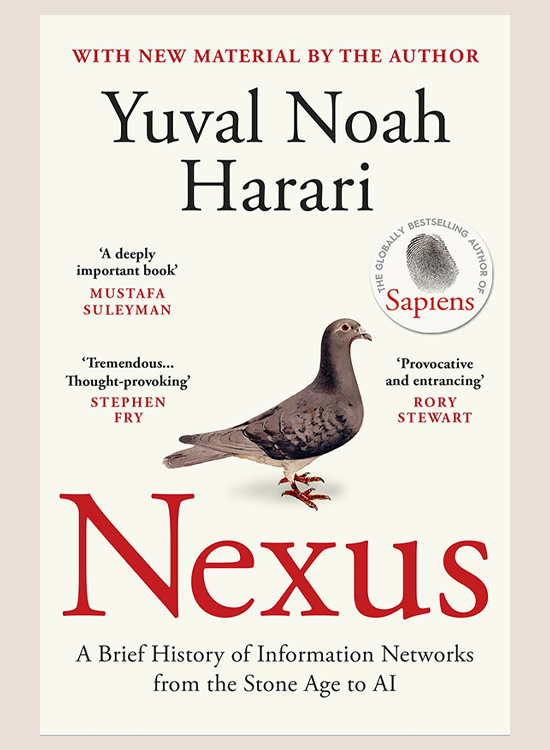
I begin with Yuval Noah Harari’s Nexus: A Brief History of Information Networks from the Stone Age to AI, one of the more urgent recent attempts to explain how information itself became destiny. Harari is at his best when he traces long arcs, when he reminds us that every technological leap is also a moral one. What interests me here is not AI panic but misalignment, how systems built to connect us end up flattening complexity and rewarding the illusion of certainty. We live in an age where misinformation spreads faster than doubt, where speed replaces verification. Understanding how information networks shaped earlier civilizations may not save us, but it might slow us down enough to ask better questions.
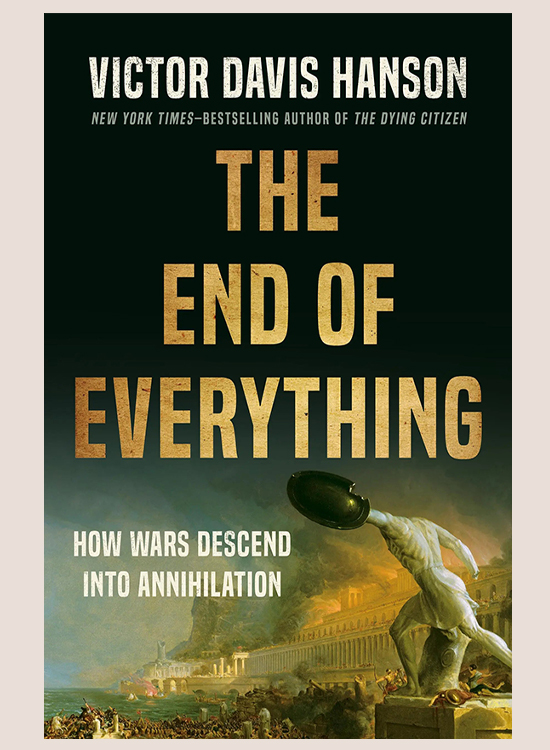
Victor Davis Hanson’s The End of Everything belongs beside it, not because I am courting pessimism but because historical memory is short. Hanson writes about collapse as a process, advancing a historically grounded but unapologetically partial reading of how societies fail to recognize existential threats until recognition becomes irrelevant. There is something sobering about reading history written from a firmly argued position, about seeing how patterns repeat when power becomes complacent and dissent becomes performative. It is not a cheerful book, but it is a clarifying one, and clarity feels like a civic duty now.

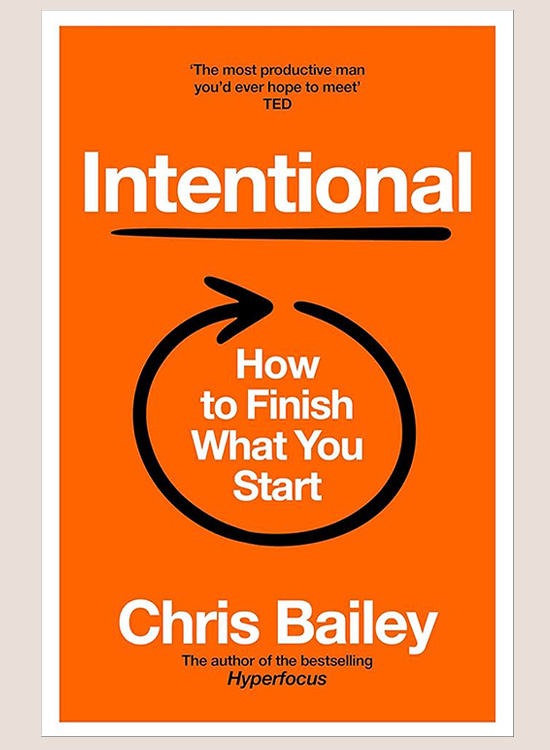
Chris Bailey’s Intentional: How to Finish What You Start might seem like an odd inclusion next to civilizational collapse, but attention is political, too. A distracted citizen is an easily manipulated one. Bailey’s work focuses on follow-through, on the gap between intention and action, and on how modern life insidiously erodes sustained thought. If I want to be a participative citizen, not just a well-read observer, then discipline matters. The ability to finish a thought, a book, or a commitment is a defiant statement in a culture engineered to pull you elsewhere.
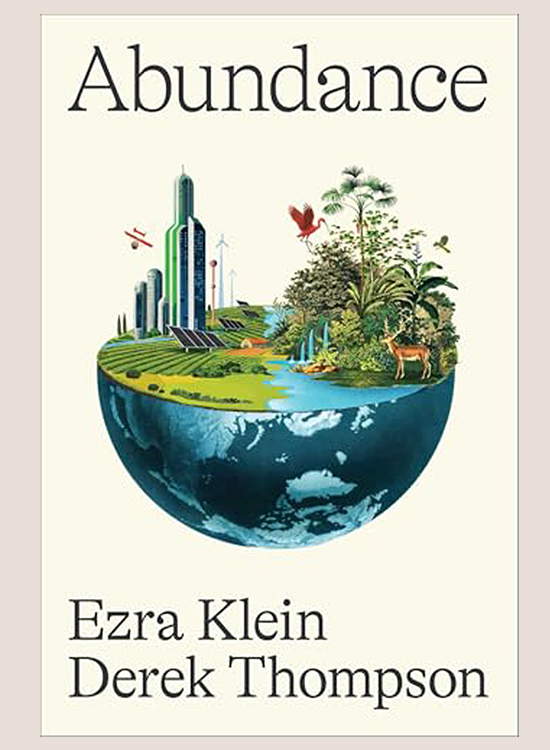
Abundance by Ezra Klein and Derek Thompson rounds out the nonfiction, and I am drawn to it precisely because it resists the scarcity mindset that dominates public discourse. The book argues that many of our constraints are political rather than natural, that we have confused inevitability with inertia. In a moment when fear is endlessly monetized, reading an argument rooted in possibility feels necessary. Not naive optimism, but structured hope, grounded in policy and collective action.
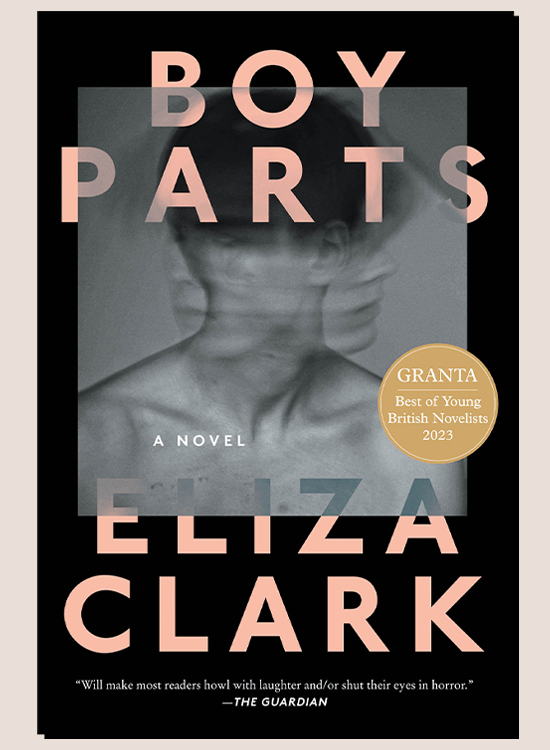
Then there is fiction, which I continue to believe is the most effective empathy training available. Eliza Clark’s Boy Parts is already notorious, and rightly so. It is disturbing, funny, and corrosive, a novel that forces you to remain inside a consciousness you would rather reject. Its gender inversions and moral slipperiness echo some of the same fixations that drew me to Bret Easton Ellis’ American Psycho and Vladimir Nabokov’s Lolita, books that refuse to reassure readers of their own virtue. Fiction like this sharpens moral perception, not by teaching lessons, but by denying easy exits.
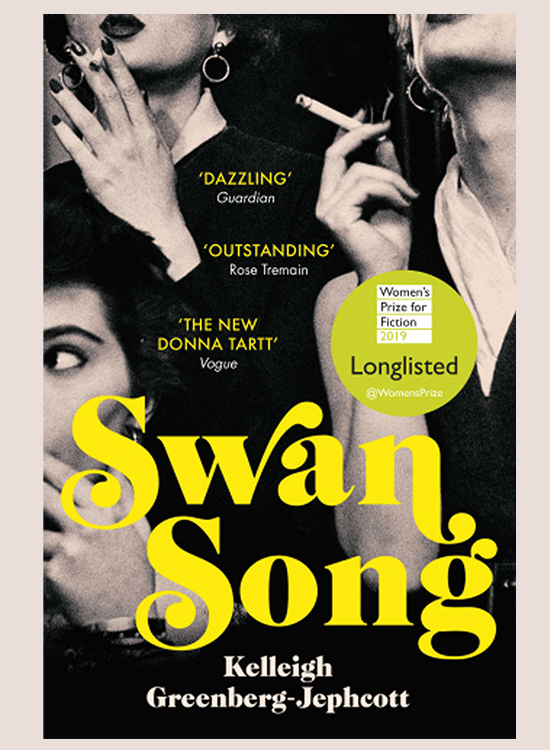
Swan Song by Kelleigh Greenberg-Jephcott extends my long fascination with Truman Capote’s swans, that glittering circle of privilege and betrayal. Where other books observe that world from a distance, this one luxuriates in it, risks excess, and lets the prose sprawl. I am interested in what happens when writers allow themselves that indulgence, when style itself becomes part of the argument. In an era obsessed with minimalism and speed, lushness can feel subversive.
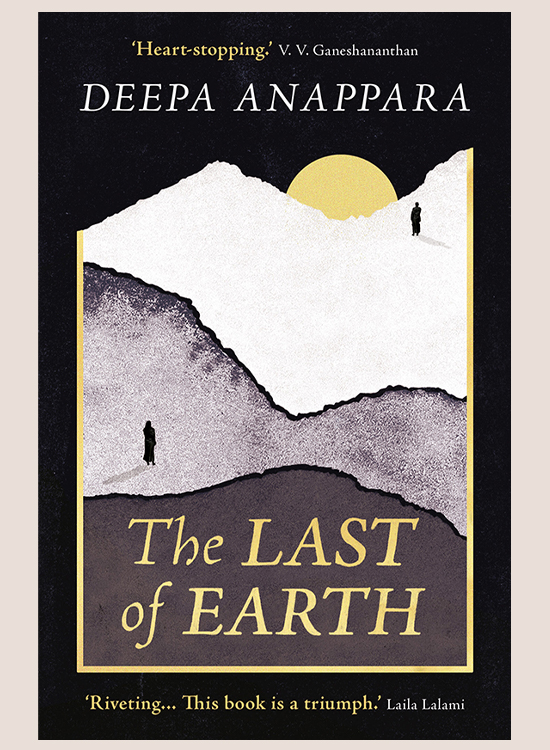
Deepa Anappara’s The Last of Earth, set in 19th-century Tibet, is the novel on this list I am most curious about. Stories about outsiders searching for selfhood across geography and culture have always pulled me in. I loved Jeffrey Eugenides’ Middlesex not because of its plot twists but because of its commitment to interiority, to the long work of becoming. Anappara’s novel promises that same slow excavation of identity, against a historical backdrop that resists simplification.
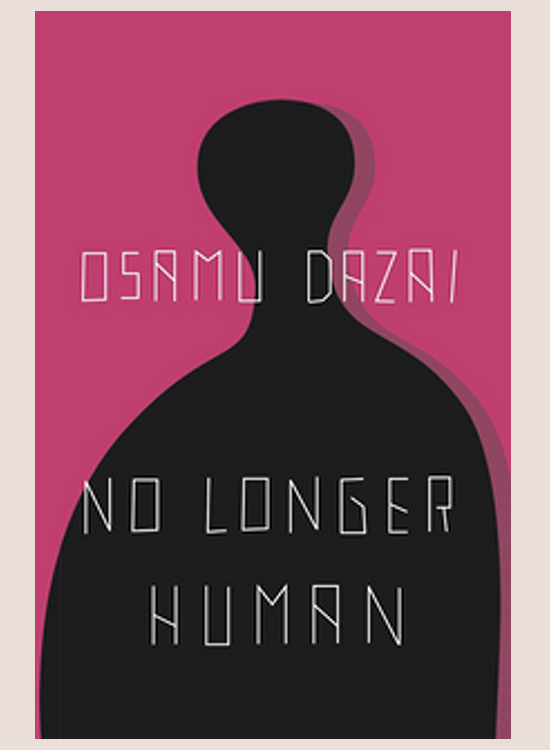
I end with Osamu Dazai’s No Longer Human, a book I have circled for years. It is devastating in its honesty, a portrait of alienation that does not ask for redemption. Often described as the Japanese Catcher in the Rye, it is far less forgiving. Reading it feels like an ethical act, a refusal to turn away from despair simply because it is uncomfortable. In a world that punishes vulnerability and mistakes cruelty for strength, this kind of literature feels essential.
This list will not make me virtuous. Reading never does. But it might make me slower to judge, harder to manipulate, more resistant to the cheap satisfactions of outrage. In an inanity-obsessed world, choosing depth is a form of participation. Reading widely, seriously, and with care is how I plan to show up in 2026, not louder, but better informed, more attentive, and with hope, more human.
Watch
WATCH: Discovering Vietnam in three days
June 9, 2026
WATCH: Is Philippine cinema still thriving? (Generations Ep. 19)
September 2, 2026