

More than a memory: What being an 'EDSA baby' means to these Filipinos
Born in the same year the historic 1986 EDSA People Power unfolded, Filipinos often referred to as "EDSA babies" grew up hearing stories of courage, unity, and democratic restoration. They witnessed both the triumphs and the unresolved challenges of a nation rebuilding itself after a two-decade dictatorship.
One of them is Herwin Cabasal, an assistant professor at Far Eastern University Manila and an alternative filmmaker focusing on social advocacy.
Born a month after the 1986 uprising, he shared that he learned about the peaceful revolution in his Araling Panlipunan classes in elementary.
"At that time, it was introduced as a significant historical event that restored democracy in the Philippines. I gained a deeper understanding of it in high school, when I learned that it marked a pivotal moment in our nation’s history, when the Filipino people peacefully overthrew a dictator and his authoritarian regime through a nonviolent uprising," he told PhilSTAR L!fe.
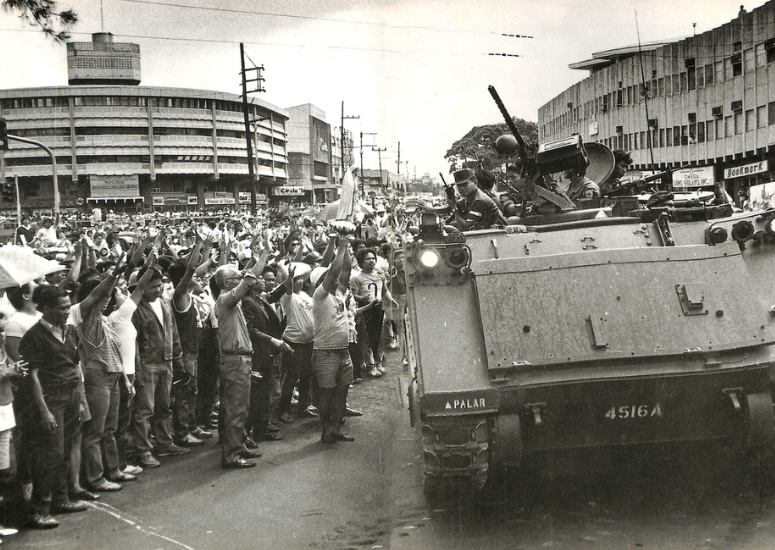
Also born in the EDSA year is Marc Lim, who first learned about the historic event through his mom.

"Una kong nalaman 'yung EDSA dahil sa ermat ko. Naikikwento niya sa akin 'yung panahon na nagrally daw 'yung maraming tao sa EDSA, sama-sama daw ang iba't ibang tao: mga trabahador, estudyante, madre’t pari, at mga office worker. Tapos kaya daw ganun kasi ayaw na ng mga tao sa martial law, kaya nagrally sila," he said in an interview with L!fe.
Interestingly, Lim's mother named him after the dictator who was ousted by the Filipino people at the historic event: Ferdinand Marcos Sr.
How being an EDSA baby impacted their lives
According to Cabasal and Lim, growing up in 1986 significantly shaped their views on democracy and civic responsibility.
In 2019, Cabasal launched Likhang Mulat: FEU Film Movements Festival, a platform highlighting his students’ social advocacy films centered on human rights and Sustainable Development Goals.
"I was born into a country that had already regained its democratic freedom after a period marked by oppression, social injustice, and widespread human rights violations," Cabasal said, "so I'm always reminded that I'm a beneficiary of the sacrifices made by those who fought for our freedom."
One of his biggest learnings from EDSA is that true power "ultimately belongs to the people, not to political elites who believe they are above the law."
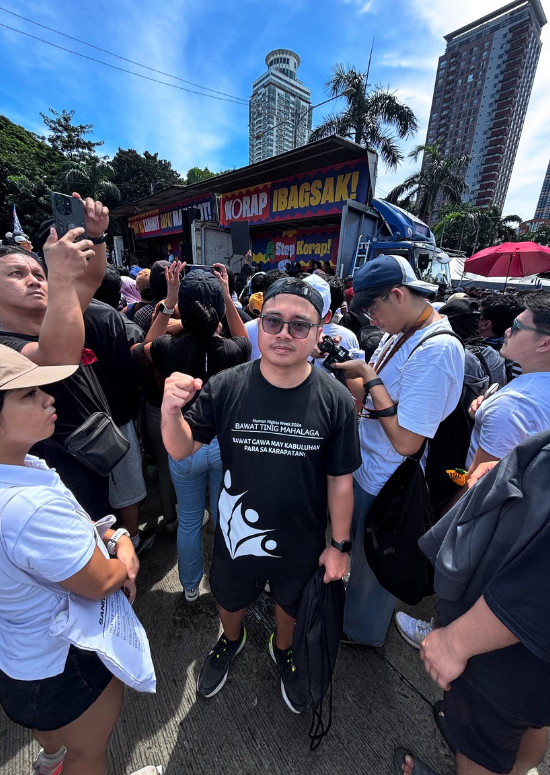
It's also the same for Lim, who grew up with a strong awareness of the importance of fighting for good governance.
For that reason, he has always been active in promoting workers' rights and advocating for the democratic ideals the 1986 uprising stood for. He currently works as an organizer and educator for a labor group known as the Federation of Free Workers.
"'Yung nangyari noong 1986 EDSA uprising ay may impact sa akin. Dahil dun, nakita ko na sa sama-samang pagkilos ng mga mamamayan ay may magagawa para labanan ang maling pamamalakad ng gobyerno," he said.
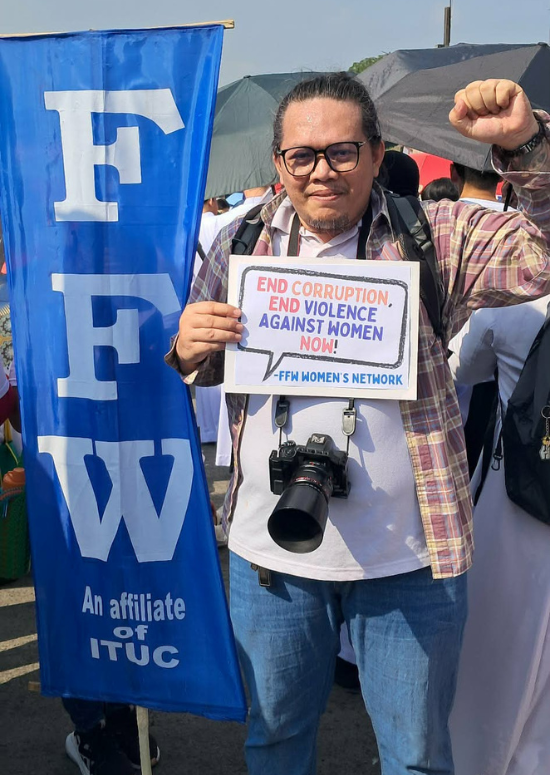
Lim and Cabasal shared why commemorating the EDSA People Power every year is essential.
"'Yung 1986 uprising ay tagumpay ng mga mamamayan. Kapag hindi natin 'yan inalala at pinag-usapan, maaaring mabura ’yan sa kasaysayan," stressed Lim.
Cabasal added, "EDSA stands as a powerful example of collective action and peaceful resistance. Its legacy should inspire us Filipinos to continue demanding better governance, uphold democratic values, and remain strong in fighting for our freedom and human rights."
'Post-EDSA generation'
In an interview with L!fe, sociologist Marc Angelo Sanchez explained how powerful the ideological force of EDSA became for the Filipino people.
"We currently have a generation that values democratic processes, be it within the walls of the legislative bodies or outside, organizing protests and social movements," he pointed out.
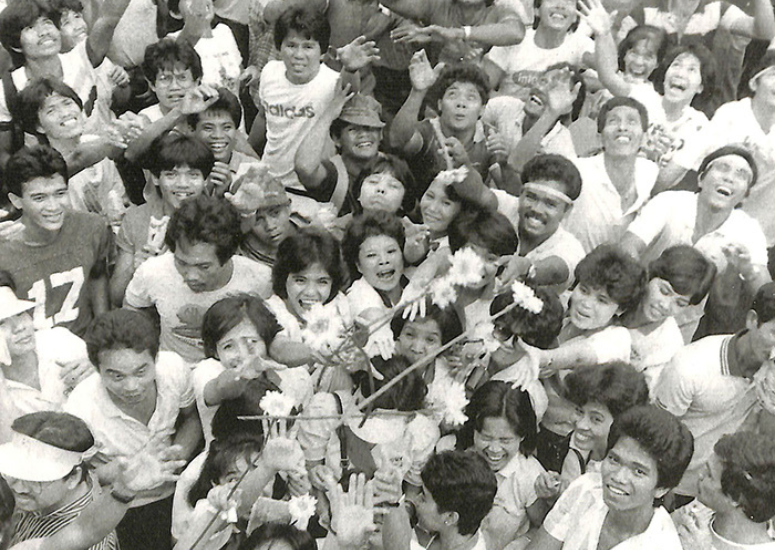
Sanchez highlighted a difference between how different generations viewed democracy then and how they see it now. "The older generation used to see politics as merely electoral, but after EDSA, people have become more open to other means of engaging in it, especially the youth who are now known to be expressive in stating their political opinions and stances in various platforms, be it online or offline."

WATCH: LGBTQIA+ people with unlikely professions
June 28, 2026
WATCH: Is Philippine cinema still thriving? (Generations Ep. 19)
September 2, 2026