

The electrification and rise of MSMEs in previously underserved areas in Davao City
BrandedUp in partnership with

The Department of Energy has found that access to consistent and reliable electricity can dramatically improve lives and livelihoods.
In a study, the DOE discovered that with just eight hours of access, income and spending rise by 15.8 percent and 14.8 percent, respectively. When expanded to full 24-hour access, income surges by 56.3 percent while spending grows by 59.4 percent—a clear reflection of how productivity and commerce thrive when electricity is readily available at the flick of a switch.
Higher incomes enable higher spending, often directed toward health, food, education, safety, and leisure—creating a multiplier effect that sustains growth.
Communities transitioning from little to no access to full electrification tell stories of newfound opportunities: cold storage for perishable goods, the use of cooking appliances, computers, air conditioners, and printers.
Schools, hospitals, and public services also benefit, particularly through better safety with the installation of street lights.
Empowering Davao’s remote communities
CONTINUE READING BELOW

These benefits are evident in the work of Davao Light and Power Company, a distribution utility of Aboitiz Power Corporation, which has been helping unlock the potential of previously underserved areas in Davao City through the Sitio Electrification Program.
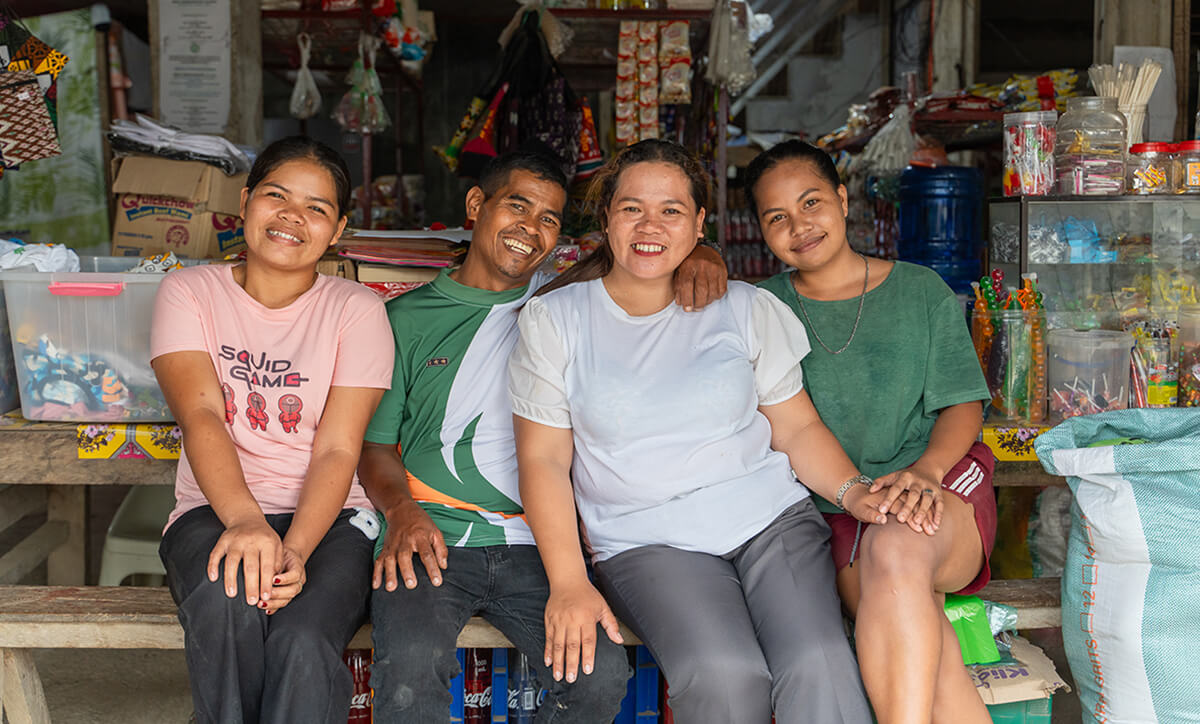
“The availability of electricity in our area really had a big impact, especially for small entrepreneurs like myself,” shared Mary Jane Sampiano, who runs a small sari-sari store with her husband, Boyet. “Our earnings increased.”
Before their sitio in Barangay Salapawan, Paquibato District, was connected to the grid, the couple relied on solar lights and a generator set — an expensive setup due to fuel costs.
When their store finally received power in February 2025, their daily income rose from less than P100 in 2017 to over P1,000 today, thanks to the electric-powered appliances and devices they can now fully utilize.
“With a refrigerator, we can now sell more ice and cold drinks,” Sampiano said. “We also offer Wi-Fi, lamination, printing, and photocopying services.”
Light bulbs, electric fans, and CCTV cameras have also been installed in their store, enhancing both comfort and security.
Lighting the way for local entrepreneurs
More small business owners are now enjoying similar opportunities through the Sitio Electrification Program.
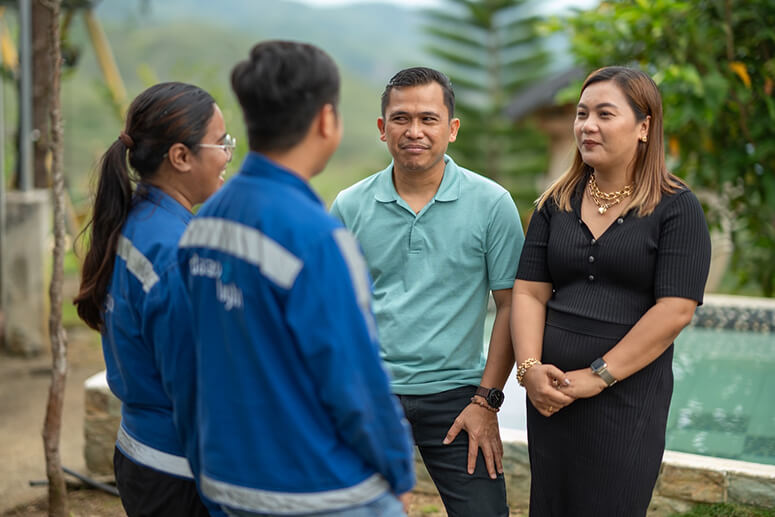
In Sitio Katandungan, Barangay Baganihan, Marilog District, resort owners Jojo and Socorro “Korina” Masanegra experienced the transition from noisy generators and foggy solar panels to a stable power connection in 2023.
They no longer had to travel three kilometers just to buy fuel, as electricity became available right where they needed it.
Their mountain retreat, which started with a single small cabin for ten guests, has since expanded to include more lodging and a larger swimming pool with an electric pump and water treatment system—boosting income while lowering operating costs.
Powering dreams and rural growth
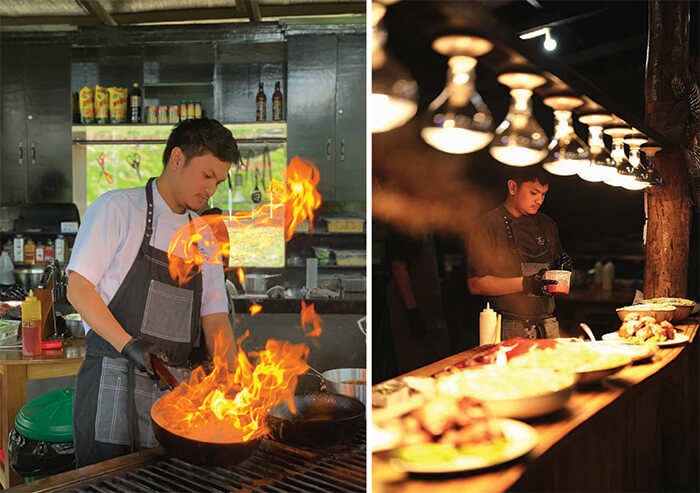
Reliable power has also inspired new entrepreneurs. When electricity reached Barangay Baganihan in April 2023, Vincent Clark Canlas turned his long-time dream of opening a restaurant into reality.
“Dreams require practical foundations,” Canlas said. “Reliable power is essential—from preserving ingredients to cooking dishes perfectly and creating a welcoming atmosphere with proper lighting.”
He applied for a Davao Light connection and opened The Retro in March 2024, where he now serves as both owner and executive chef, employing ten locals from the community.
“Knowing the electrification program was in place gave me the confidence that this dream could thrive without interruption,” he added.
The Sitio Electrification Program—an initiative by the Philippine government—aims to connect remote barangays and underserved rural areas to the national grid, providing access for households and local enterprises alike.
Since 2018, Davao Light has been extending electricity services to far-flung communities within its franchise areas, supporting the United Nations Sustainable Development Goals (SDG 7: Affordable and Clean Energy, and SDG 10: Reduced Inequalities).
To date, over 200 remote communities have been reached, with only 66 sitios (1.73 percent) left to be energized.
At the barangay level, the Davao Light franchise area is 100 percent electrified, while household-level electrification stands at 97.61 percent.
* * *
Editor’s Note: This article was provided by Aboitiz Power Corporation.

WATCH: Can you still trust someone who betrayed you? (Generations Ep. 22)
September 23, 2026
WATCH: Can we talk about death and grief? (Generations Ep. 25)
October 14, 2026