

Is the 'Great Wall' in relationships still an important consideration now among Gen Z?

Every week, PhilSTAR L!fe explores issues and topics from the perspectives of different age groups, encouraging healthy but meaningful conversations on why they matter. This is Generations by our Gen Z columnist Angel Martinez.
Every year, the Great Wall of China welcomes approximately 10 to 20 million visitors. But, unbeknownst to those outside of the community, a number of Filipino-Chinese families have a version of this in the comfort of their own homes.
Enter the Great Wall: the impenetrable cultural boundary that discourages—for some, forbids—relations with non-Chinese partners. It’s a perfect metaphor for families’ enduring expectations and the intense repercussions that come with resistance.
I first heard of this term during my days as an undergrad at Ateneo de Manila University, where many of my peers were Fil-Chi. I did observe that a lot of them were either part of intersecting social circles or romantically involved with one another. I had immediately assumed that this was by choice—some of them, however, said they were just living by the mandate of their more traditional parents.
While businessman Sean doesn’t have a Great Wall, he tells PhilSTAR L!fe that it would personally be a big plus if his partner was also Chinese. “Fil-Chi people are really superstitious and hold tight to their beliefs. I think at the end of the day, elders are worried that other races won’t understand Chinese customs and traditions like Feng Shui, Ghost Month, or rituals for the dead, which can cause fights and friction in the relationship.”
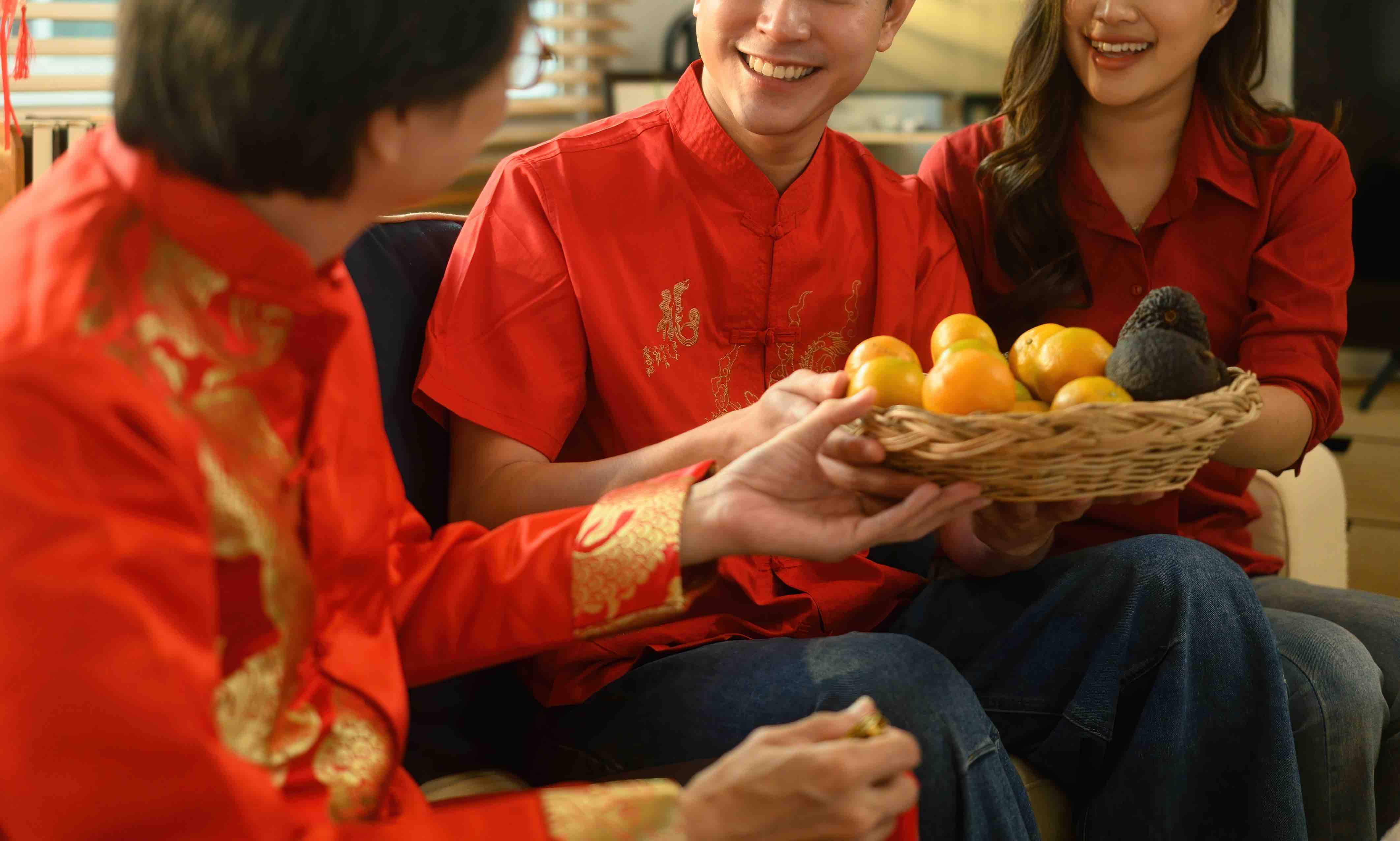

Adherence to cultural expectations is seen as a win for all parties involved: parents gain peace of mind, children reduce chances of intergenerational conflict, and their collective identity is passed down to succeeding generations. But as controversial as this must be to admit, longstanding norms can’t control who we love and what we feel for them.
Kathryn (not her real name) lived in fear for the longest time, having to hide her Filipino boyfriend of four years from her family. “It felt like I was about to cause a scandal in my whole Chinese clan, which is why I was totally against it at first,” she confesses to L!fe. “I grew up sheltered and dependent, to the point that my mom and dad made many decisions for me. I was never the type to disobey them and I always sought their approval.”
According to psychologist Karen Quing, such arrangements can take a toll on one's mental health. “Those affected may experience chronic guilt, anxiety, and internal conflict between personal autonomy and familial loyalty,” she says. “These pressures can strain parent-child relationships, foster secrecy or emotional distancing, and undermine authentic attachment within the family.” I’ve heard of sons getting disowned or daughters being deprived of the privileges afforded to their siblings who “married well.” I can’t even begin to imagine the anguish these consequences carry.
Thankfully, openness is known to be one of Gen Z’s definitive traits. Our existing mindsets are far more malleable; our preconceived notions are subject to critique and change. Despite having predominantly Chinese blood, Sheryl (not her real name) has no intentions of building a Great Wall for her future children. “For me, my rule would be for them to date whoever they want, as long as they’re happy, as long as they’re treated properly, and as long as their partner has a high regard for me as well as their own families,” she tells L!fe.

This may come as a surprise for someone of her lineage, but as Sheryl says, judgments that the whole community has a Great Wall may be harmful to all of them as well. “What if I end up liking a non-Chinese person and we have potential, but he immediately gives up because of his preconceived notions? It’s hard for us too, in that sense.”
Although the next generation shows signs of breaking these patterns, this tradition still seems pretty set in stone at present.
Quing, however, says there may be a workaround that doesn’t involve running away: redefining what we actually owe to our parents. For the psychologist, filial piety does not have to mean absolute surrender of all our adult choices. “Instead, this can be reconceptualized as respect, transparency, and sustained care for one’s parents, alongside the maintenance of adult boundaries and self-authorship in intimate relationships.”
This seems to have worked for Kathryn, who asserted her own agency when she moved out of her family home. “I matured and realized that I finally have to stand up for myself and what I want for my future, because this is mine. It took me a while to really accept this fact and live it, but while I think I’m still in the process [of doing so], I’m definitely a lot better now.”
Generations by Angel Martinez appears weekly at PhilSTAR L!fe.

WATCH: Is Philippine cinema still thriving? (Generations Ep. 19)
September 2, 2026