

Ayuda or suspension of fuel excise tax: Which one is a better solution to rising costs?
With the global fuel crisis due to the Iran war aggravating the Philippine government's response to rising costs, experts and lawmakers in the country have been joining the conversation to find a viable solution to help struggling Filipinos cope.
From suspending fuel excise tax and imposing oil price controls to focusing on targeted distribution of cash aid to the poorest communities, proposals run the gamut of policy responses aimed at cushioning the impact of rising fuel prices.
However, it appears the country is caught in a Catch-22 situation.
"If we already know that oil price hikes lead to food, transport, and electricity price hikes, why not act on the high fuel prices through suspension or removal of the excise tax?" wrote Kabataan Party-list Rep. Raoul Manuel on social media.
On the other hand, Cielo Magno, economist, professor at the University of the Philippines School of Economics, and former undersecretary of the Department of Finance warned of a fiscal trap: "If we suspend the excise tax, lalong mawawalan ng pondo. Kapag lalong nawalan ng pondo, paanong tutugunan ng gobyerno 'yung demand natin na i-subsidize 'yung public transport?"
Any solution, economist and assistant professor JC Punongbayan said, will not be simple, and we would "have to be mindful of the pros and cons."
CONTINUE READING BELOW

'Fuel excise tax is anti-poor'
In his post on March 27, Manuel cited data from the 2023 Family Income and Expenditure Survey to say the poorest of Filipinos bear the brunt of high gasoline prices. The graph Manuel shared showed that the poorest households use 20.6% of their income on fuel, while the richest use only 6.1%.
"Dun pa lang, malinaw nang anti-poor ang patuloy na paniningil ng excise tax (pati VAT) sa langis," Manuel wrote.
He added how excise tax directly affects not just PUV drivers and operators, but also small-scale farmers and fisherfolk, who use fuel for irrigation pumps and boats, as well as MSMEs who need fuel to keep their businesses running.
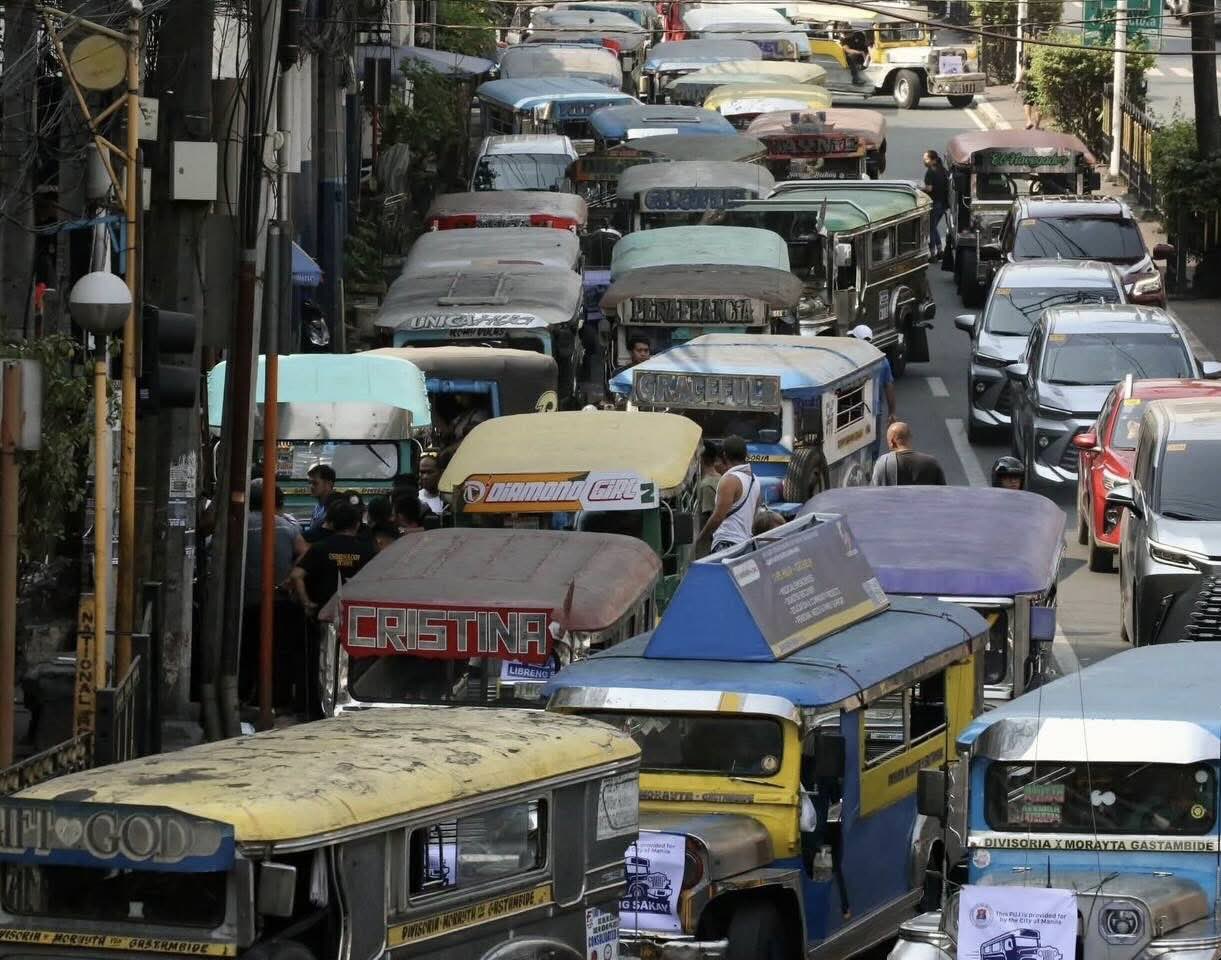
Further, Manuel doubted the sustainability and efficiency of a targeted financial assistance program, which, he said, is beset by "delays and ghost beneficiaries."
"Even the middle class are vocal against being left out in many ayuda programs of the government despite contributing a quantitatively significant amount to national revenues and experiencing their share of difficulties amid economic crises."
He did admit the targeted subsidies can help, but still called for the scrapping of excise tax on fuel instead of leaving rising oil prices to pull up costs of other commodities.
'Tax cuts benefit the rich, not the poor'
Contrary to Manuel's stand that fuel excise tax places the biggest burden on the poor, Jose Ramon G. Albert, statistician and senior research fellow at the Philippine Institute for Development Studies, said it's actually the wealthy that pay more excise tax since higher-income households use more fuel.
In a comment on journalist Inday Espina-Varona's Facebook post, Albert wrote, "If you scrap the excise tax entirely, the biggest peso savings go to the richest households, not the poorest."
The potential relief from excise tax may not be what is expected, either, added Albert. If the tax is scrapped, pump prices go down, "but there is no guarantee that transport operators, food traders, or electricity distributors will pass those savings on to consumers," added Albert.
He also pointed out that fuel excise taxes fund part of the government's infrastructure program and social services.
"Scrapping them entirely without a credible replacement revenue source means either larger deficits, more borrowing, or cuts to the very programs that serve the poor—health, education, social protection," Albert said.
Magno shared a similar sentiment. In a recent episode of her podcast, she expressed her belief that suspending fuel excise tax isn't the solution since the wealthy can absorb the price increases.
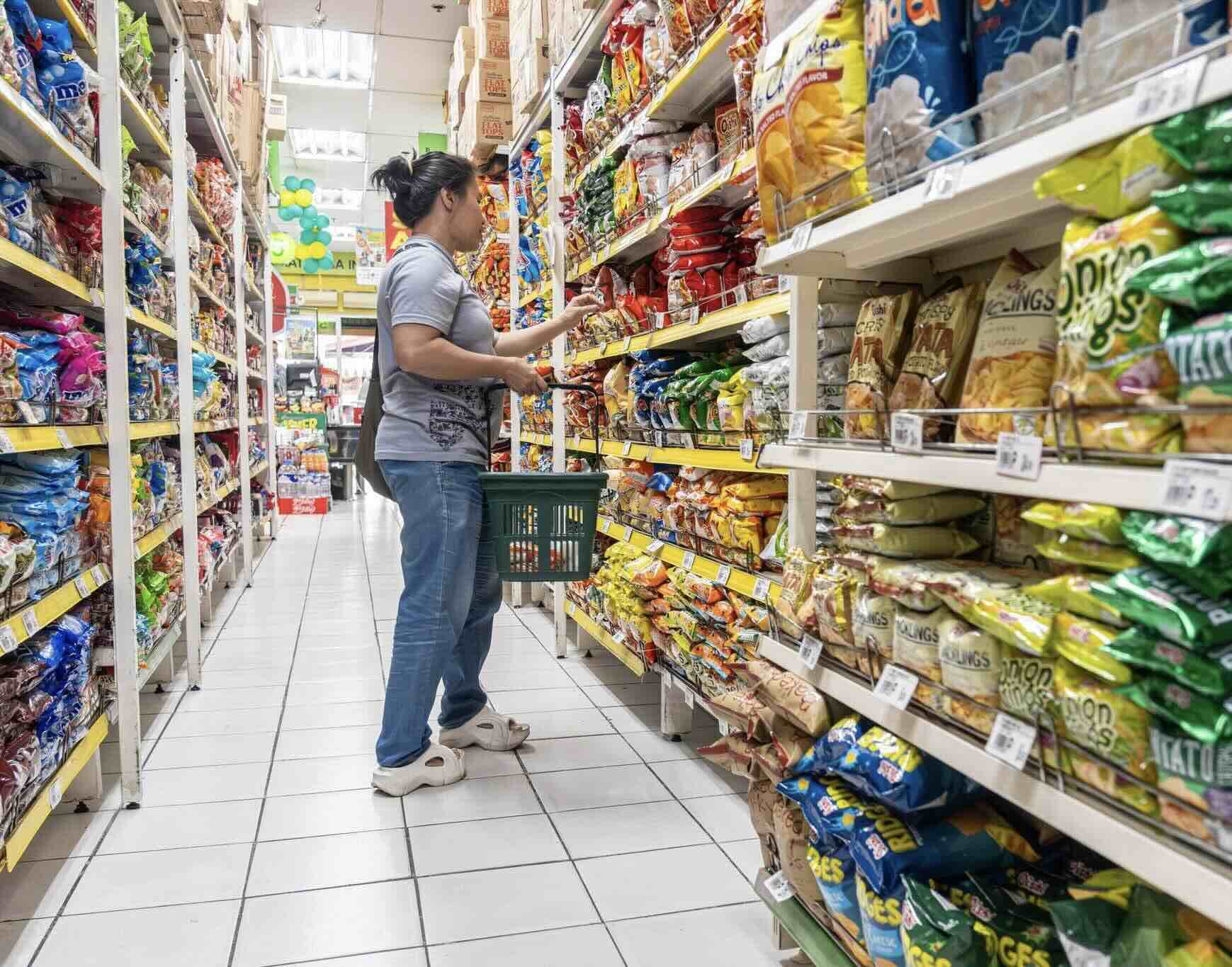
Some experts suggest shifting the burden directly to the nation's highest earners. Economist Winnie Monsod previously proposed a one-time wealth tax targeting the Philippines’ ultra-rich. Unlike income tax, which targets what people earn, a wealth tax targets assets like real estate and stocks.
However, this proposal also faces significant structural roadblocks. Tax expert Mon Abrea said that the Philippines currently lacks the tools to enforce it effectively.
"For a wealth tax to work, we must have a reliable and integrated database of assets, clear valuation standards, and appropriate access to financial information, including bank data for tax enforcement purposes," Abrea explained.
A nuanced response is key
According to Punongbayan, the Department of Finance estimates the government will lose over P130 billion in revenue if fuel excise tax is suspended; funds that can be used as financial aid to society's poorest segments.
Even without having to deal with the current rising prices, the Philippine government is already in the red due to its chronic budget deficit, which may be at least P1 trillion per year, per Punongbayan.
"That's why with the present crisis, I doubt that the Department of Finance and the related agencies will be able to meet their revenue targets for this year. At the same time, there will be lots of demand for ayuda," Punongbayan told L!fe.
He wrote a policy note where he introduced a compromise. If the government chooses to suspend excise taxes, Punongbayan suggested removing those for gasoline, not diesel "because the consumption of diesel is much more skewed toward the rich," he said.
Policy alternatives
While acknowledging the dire situation of PUV drivers, Punongbayan said they make up a small part of the labor force, numbering only up to about 300,000 nationwide.
"Precisely, we want to advocate for targeted...financial aid because these drivers can be well-identified. You have a registry of operators nationwide, then they have a list, as well, of their roster of members, their drivers," he said, adding it would be more feasible to distribute assistance than to do a blanket removal of fuel excise tax.
Coupled with a tight grip on supply chains and energy conservation measures, the government could be in a better place to help its struggling poorer citizens, said Punongbayan, especially since, citing estimates by the Department of Economy, Planning, and Development, he said the country's inflation rate could hit double digits by May.
Meanwhile for Albert, as fuel excise taxes fund part of the government's infrastructure program and social services, he suggested that instead of eliminating excise taxes altogether, the government can adopt better targeting systems to effectively and sustainably distribute assistance to those who need it the most.
"A partial reduction combined with a targeted top-up to the bottom 50 percent of income distribution and some also across the board gives you the best of both worlds: some relief at the pump for everyone, and concentrated support for those who are genuinely struggling," he wrote.
Magno, on the other hand, suggested focusing on expanding the government's Libreng Sakay program and prioritizing targeted subsidies to help poor communities cope with rising inflation.
The country's experts have presented their data and proposals on multiple platforms, all aiming to keep struggling Filipinos afloat in this crisis. Ultimately, it is up to the government to listen, adjust direction if needed, and implement programs with urgency.

WATCH: Can we talk about death and grief? (Generations Ep. 25)
October 14, 2026
WATCH: Discovering Vietnam in three days
June 9, 2026