

When the stars came down: International Women’s Month icons
In mountain villages, they whisper that stars sometimes tire of heaven. When the world grows dim, they descend—not to rule, but to show us what light looks like in human form.
I have been watching them. They are here now.
One carves her signature across snow.
At the 2022 Beijing Winter Olympics, beauty and brains Eileen Gu stunned the world with two gold medals and a silver. Four years later, at the recent 2026 Milan–Cortina Games, she soared again—adding three more medals and bringing her Olympic total to six, becoming the most decorated freestyle skier in Olympic history.
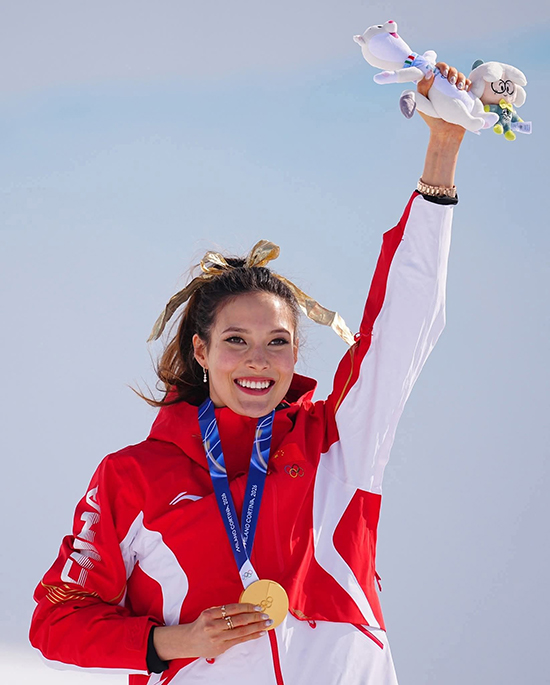
A Stanford student, global fashion ambassador for Louis Vuitton and Anta, and eloquent, multilingual athlete navigating acclaim and prejudice, Eileen Gu embodies a modern paradox. Suspended between gravity and sky, she reminds us that excellence refuses boxes.
Another star finds her footing not on snow, but on clay.
CONTINUE READING BELOW

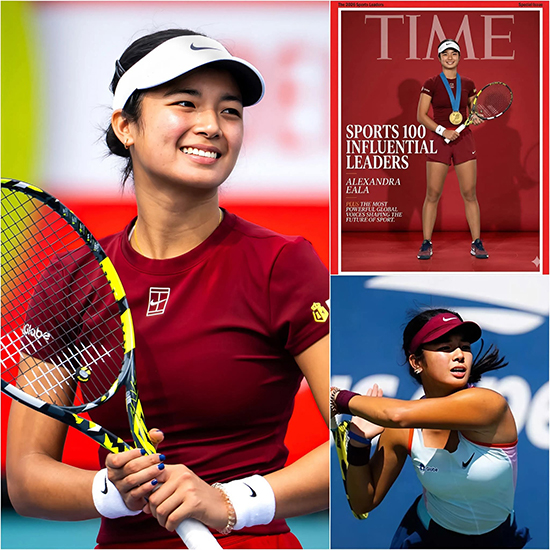
Alex Eala, daughter of the Philippines, grips her racket—and with it, the hope of a nation long hungry for representation. A US Open junior doubles champion and French Open junior titlist, she has already inscribed her name into Philippine tennis history. At 19, she carries not just a racket but a promise: that Filipinas belong on the grandest stages of tennis.
Far from stadiums, another light rises in public office.
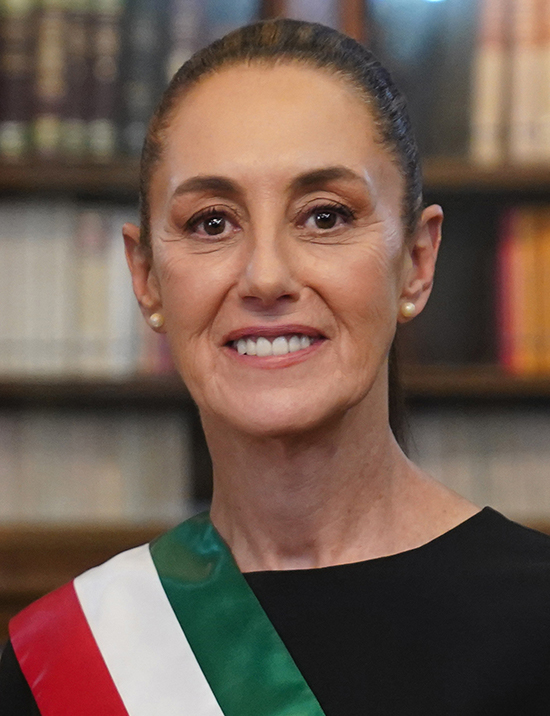
In 2024, Claudia Sheinbaum became Mexico’s first female and first Jewish president. A climate scientist by training, progressive and courageously pro-peace, she governs with data rather than drama—proof that discipline and intellect can still prevail in democratic life.
Closer to home, governance wears a different but equally steady face.

In Quezon City, former UP archaeology teacher and now Mayor Joy Belmonte has transformed the country’s largest city into a model of responsive leadership—strengthening social services, expanding gender equality programs, investing in digital reforms and greener environments, and proving that competent governance need not roar to be effective.
In literature, the stars burn more quietly—but no less fiercely.
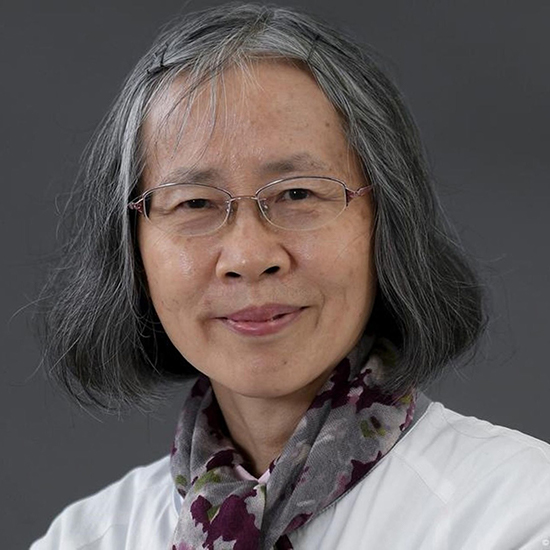
In 2024, Han Kang of South Korea received the Nobel Prize in Literature, becoming the first Asian woman to win the honor. Her prose confronts historical trauma with surgical tenderness, insisting that memory is resistance. Beside her, Chinese writer Can Xue builds dreamlike, subversive worlds that challenge conformity and celebrate imagination as freedom.
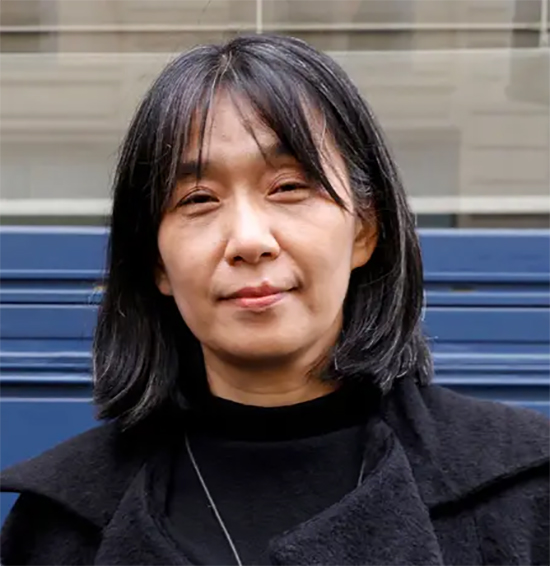
But stars shine brightest in newsrooms.
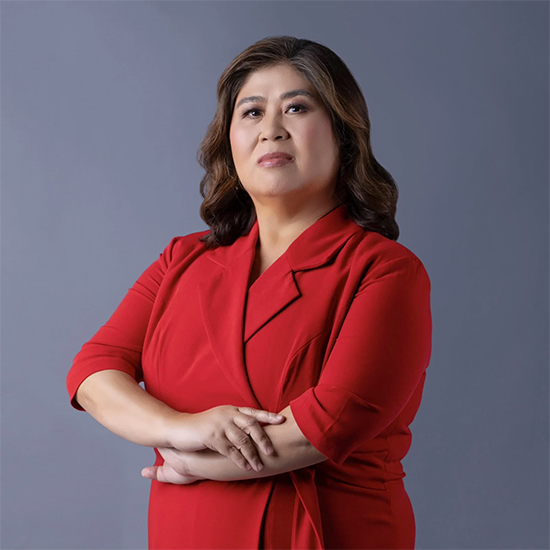
I see them in Jessica Soho, whose journalism remains a sanctuary in a typhoon of disinformation. In Kara David (granddaughter of nationalist historians Renato and Leticia Constantino), whose documentaries illuminate the margins—and whose viral birthday wish against corrupt politicians became a national call for accountability. In Karen Davila, who sits across from power and, with disciplined questioning, punctures entire architectures of spin. In an era when noisy demagogues weaponize outrage and distort truth, clarity becomes defiance.


Beyond cameras stand those who labor for peace.
Corazon Valdez Fabros, co-chair of the Nobel Peace Prize–winning, Berlin-based International Peace Bureau, builds peace brick by stubborn brick alongside indefatigable 87-year-old anti-war coalition advocate Princess Nemenzo. They refuse the easy seduction of militarism and the cynical calculus that treats human lives as expendable. They remind us that war is not inevitability—it is moral failure.
And we must never forget the guardians of memory.
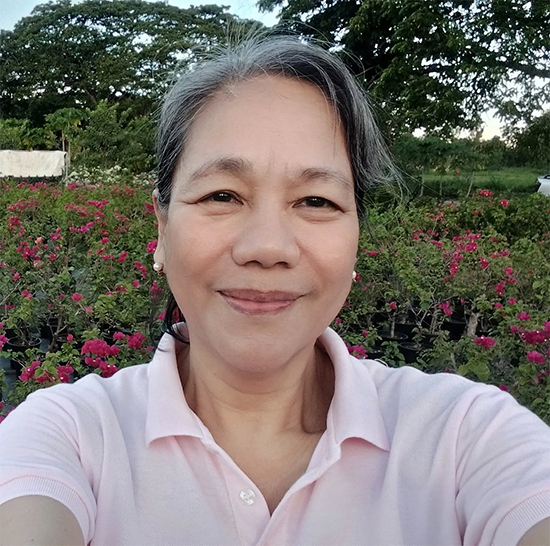
Atty. Virginia Lacsa Suarez and writer-editor Sharon Cabusao Silva stand with the surviving Filipina “comfort women” of World War II and their descendants. Through the NGOs Malaya Lolas, Lila Filipina, and the coalition Flowers for Lolas, they demand not only reparations but remembrance in accurate history. They insist that suffering be acknowledged, not erased by denial or political convenience.
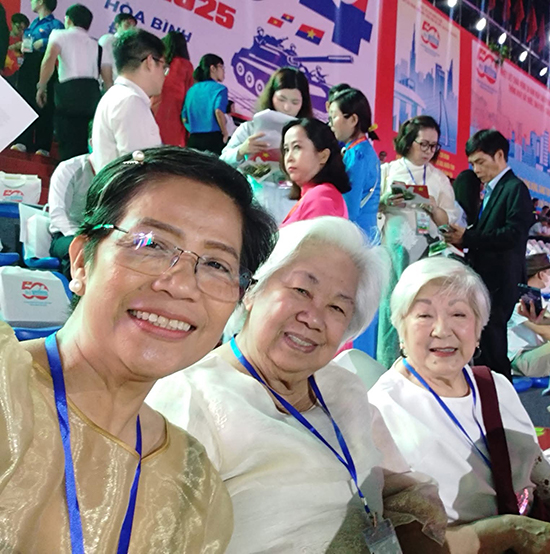
Last March 8, International Women’s Day, I looked at this constellation and understood: These women are not miracles. They are revelations.
They reveal that grace and grit are not opposites. That intellect can wield a racket, a law book, a ski, a microphone, a pen—or a city hall—with equal force. That courage need not roar; sometimes it governs steadily, questions precisely, remembers stubbornly, resists quietly.
In a fractured world—shadowed by war, inflamed by demagoguery, choked by corruption—the sky does not send stars for applause.
It sends them when the hour grows late.
They carve snow. They command cities. They write truth. They guard memory. They build peace where others build weapons.
They remind us that history bends—not by accident, but by courage.
The light is not theirs alone.
It waits in us.
The question is no longer whether the stars will rise.
The question is whether we will.

WATCH: LGBTQIA+ people with unlikely professions
June 28, 2026