

How I found beauty in my fragile body with Marfan syndrome
I was born with Marfan syndrome, a rare genetic condition that affects the body’s connective tissues, which I inherited from my father. The disease has weakened my eyesight due to dislocated lenses and cataracts. I'm also unusually tall—with long fingers and limbs—and I have a weak heart.
In school, other children teased me. They called me a scarecrow and mocked how I had to hold a book very close to my face to read. But reading became my salvation, opening new worlds for me. I learned that the voices of people like me, who are marginalized, can make intentional decisions and have a great impact on the world.
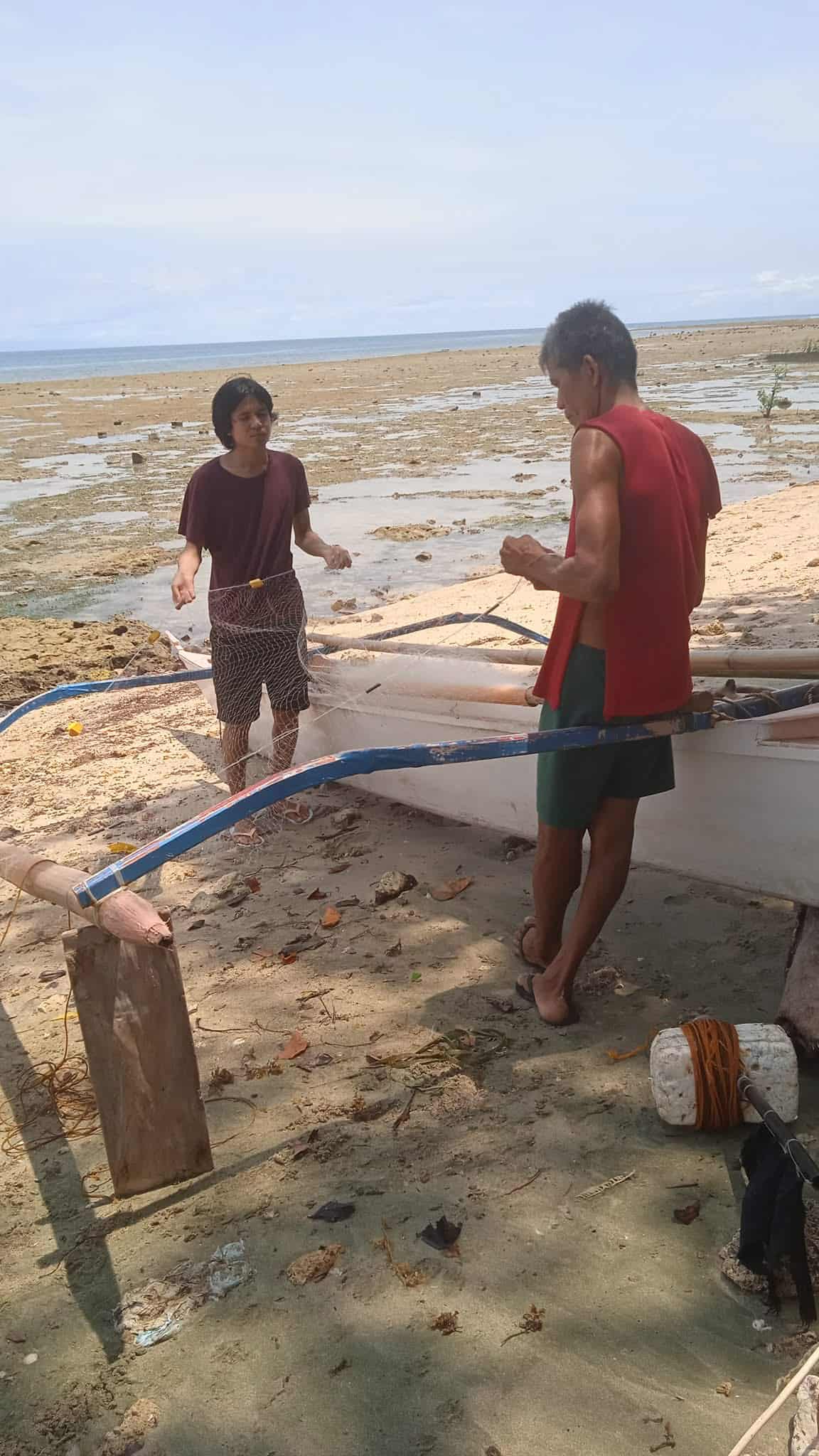
I started writing poems and essays, inspired by my father, a fisherman who also wrote poetry. He would submit his work to local radio stations in our province of Quezon. He wrote about nature—the waves, the sea, the sun, the leaves—and about our life. He wrote about times when we had no fish to sell, leaving us without fare for the tricycle. On those days, my brother and I would walk miles to school, carrying heavy bags of books.
Since then, I have immersed myself in poetry and essays. I read our witty bugtongs, our fiery balagtasans, the protest poems from the era of martial law, and the experimentations of contemporary poets. I love the essays of those in the margins, the wanderers, the people who cannot escape their own selves.
In their words, I found a sense of belonging. They taught me that a broken vessel can still hold water; it just gives the water a different shape. In their stories, I saw that being different is not a flaw in the design, but part of the design itself.

In recent years, my body has been deteriorating further due to Marfan syndrome. Last August, the lens in my right eye dislocated completely, causing a severe headache. The ophthalmologist had to remove it, and the lens in my left eye will also be removed in the future.
I also began experiencing constant pain in my upper and lower back and in my knees, making daily activities a struggle. I cannot sit for too long. I consulted many doctors—first an orthopedist, then a neurologist, and an anesthesiologist—who only prescribed painkillers. Finally, a rheumatologist ordered extensive blood tests and examined my scalp and fingers, diagnosing me with psoriatic arthritis. I am currently undergoing the first phase of treatment. I also learned that, like Marfan syndrome, psoriatic arthritis is hereditary.
But I never stopped reading and writing. I write about my struggles and my community. I began submitting my poetry collections and essays to writing contests because, frankly, I needed the prize money for my medications and to help my family. My first recognition in poetry came in 2021 as a finalist for the Maningning Miclat Awards for Poetry. The collection, titled Sa Loob ng Saloob, uses the language of my fishing community to write about our folk knowledge and our struggles, including my experience of moving to the city to study while my love for my community remained. My first essay win was also in 2021. Titled Lente, it is about my dislocated lenses and cataracts and how they affect my life and schooling. I won P30,000, which I used to buy new eyeglasses; my family used the rest to buy a metal roof for our house. Since then, I have won other national writing contests, such as the Premyong LIRA and Gawad Bienvenido Lumbera.
It was during this time that I met the award-winning poet-essayist Niles Jordan Breis. He became my mentor. He taught me and encouraged me to read philosophy. He said that creative thinking is much greater than creative writing. He showed me that to write well, you must first learn to think deeply about the world.
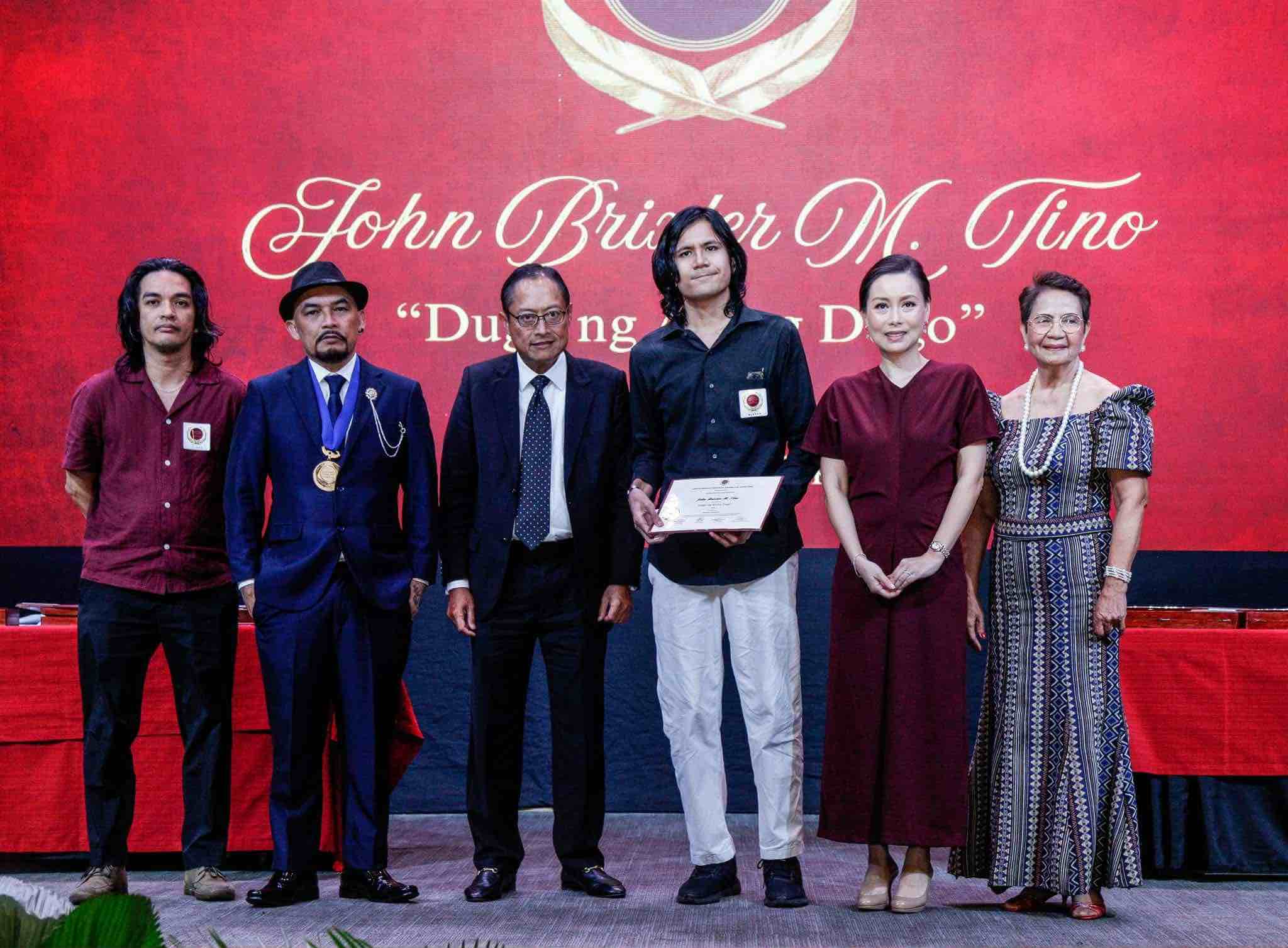
In 2024, I won my first prestigious Palanca Award in the Tula category. The collection, titled Dugo ng Aking Dugo, is about my experience with Marfan syndrome, how it affects my family, and my personal struggles. While writing it the year before, I came to a realization: My medical conditions are biological baggage. What if a child of mine had to endure even greater pain than I have? Could I, in good conscience, pass on these genetics, knowing the potential for suffering? And what kind of future would I be building for them? These sober reflections solidified my decision not to bring a child into this world who could inherit my conditions.
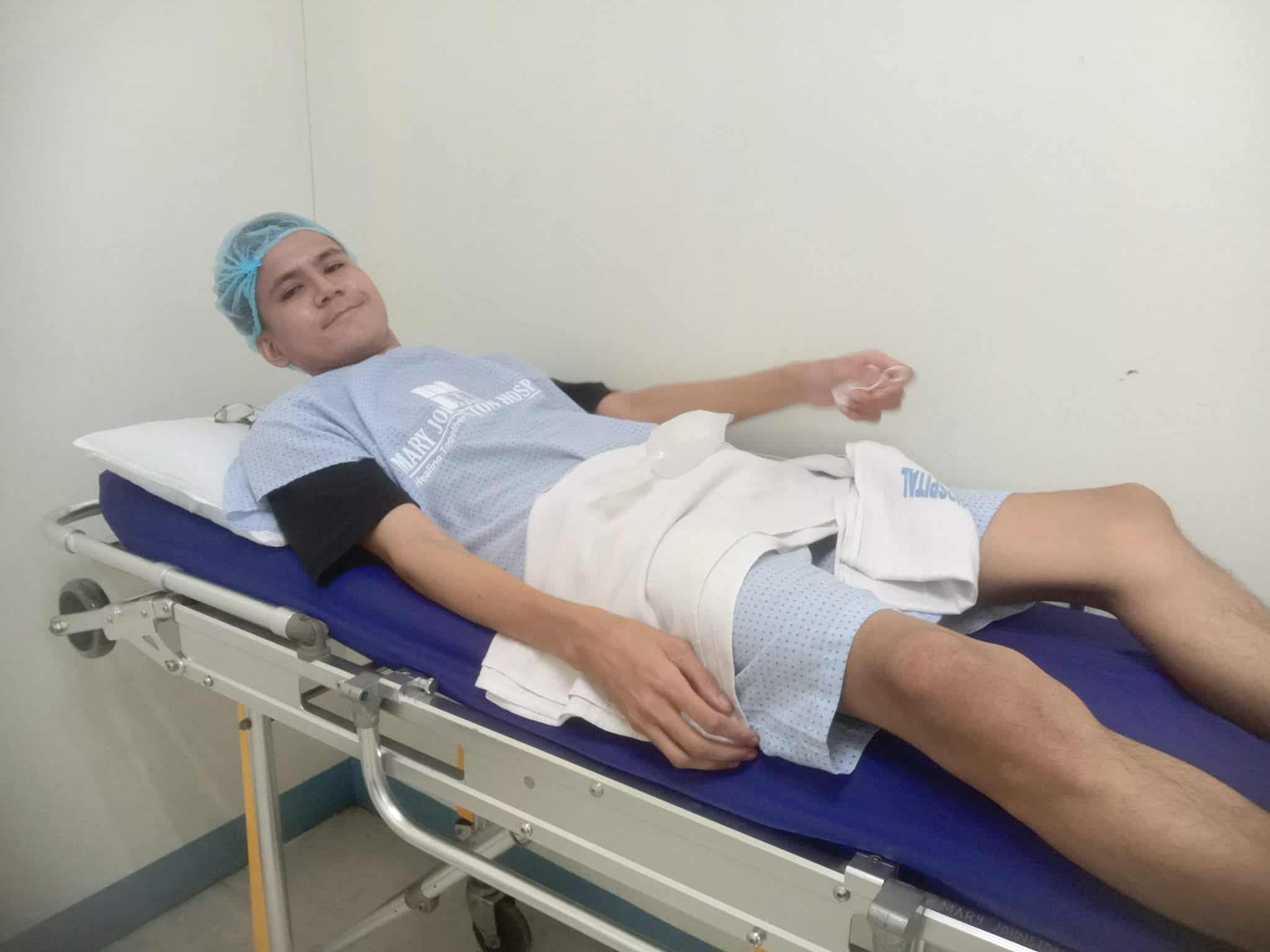
That same year, I underwent a non-scalpel vasectomy, provided free of charge by the DKT Foundation. I found them on Facebook, signed up, and was scheduled for the procedure. I went with my girlfriend, Graciela. At 22, I was the youngest patient there, surrounded by older men. The surgeon, Doctor Luis, was very skillful and mentioned he had been performing these procedures since 2002, traveling all around the country; aside from vasectomies, he also performs ligations. I couldn't bear to look down as he and a nurse named Ms. Jane applied antiseptic, anesthesia, and a surgical clamp to my genitals. The doctor used the clamp to make a small opening, pushed the vas deferens through, and cut it to block the pathway for semen.
Two years have passed since then. When I tell people about my vasectomy, their reactions range from appreciation and acceptance to shock and insult. We live in a patriarchal society, and it is clear that we need better education about reproduction and sexuality. I have been lucky to have my girlfriend by my side through it all. She is also an award-winning poet, and her support has meant everything to me.
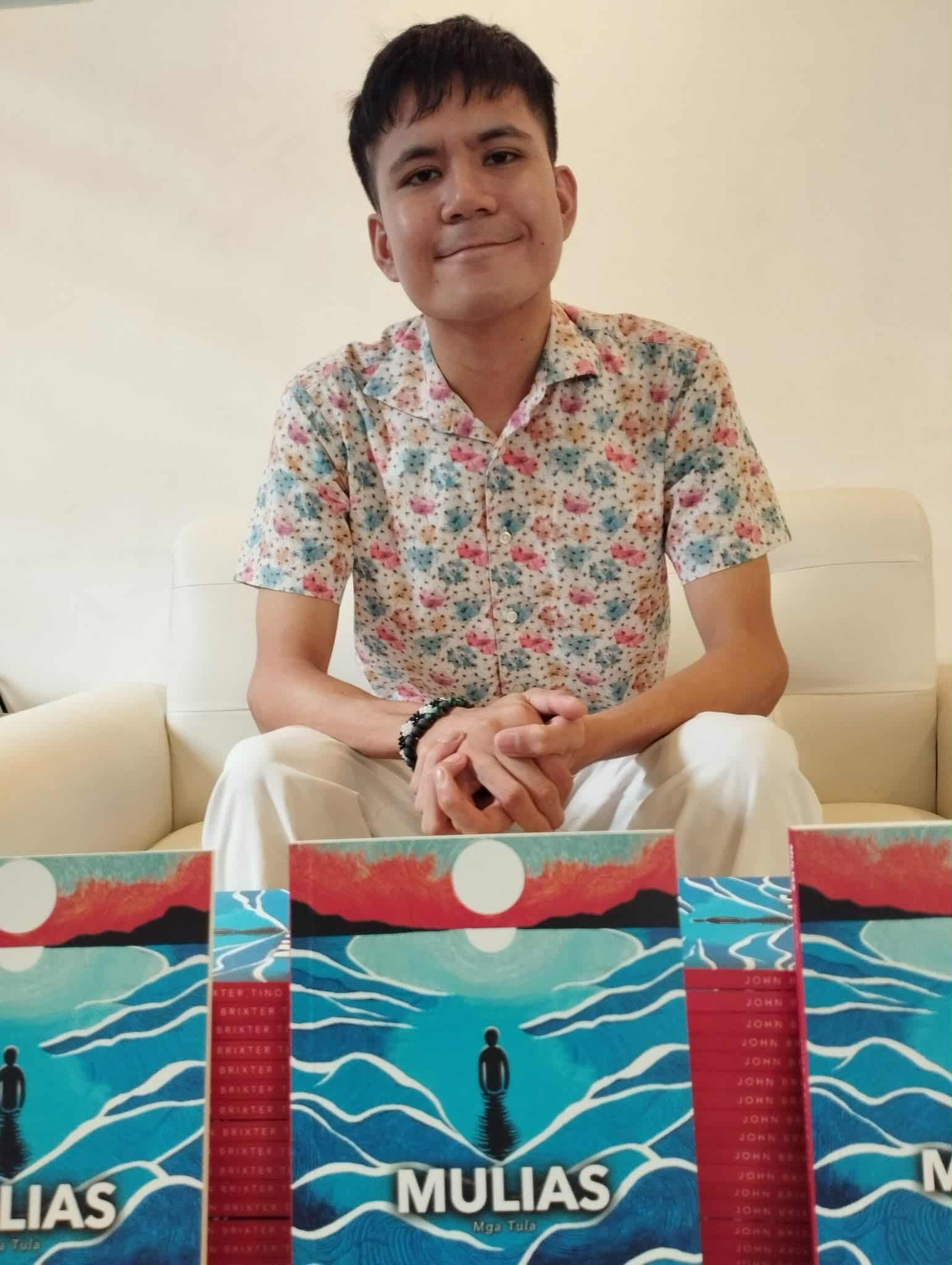
I decided to write an essay about the experience and submitted it to the Palanca Awards, never expecting it to win first prize. Yet, that essay was not the only literary milestone for me this year. I also published my first book of poetry, titled Mulias, through Sierbosten Publishing.
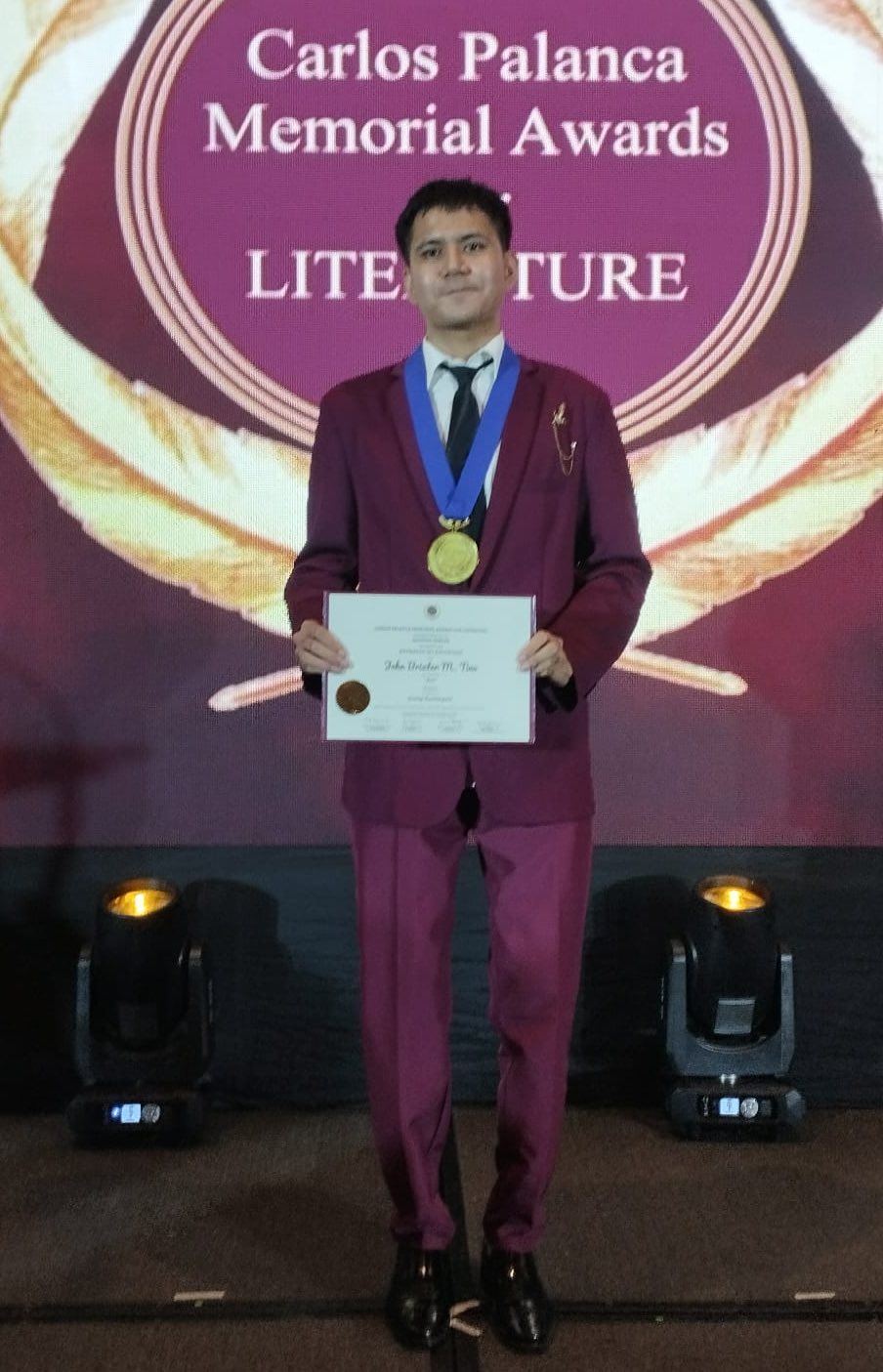
I live in a fragile body, in a fragile world. My personal struggles are also collective ones. I write to raise my voice, but I also believe I must use it to uplift other marginalized sectors and speak for them. The world is cruel. I am in despair over the ongoing genocide in Gaza, committed by Israel, and I strongly condemn those profane acts against humanity. I am also disgusted by the corruption in our government, such as the flawed flood control projects that make life harder for marginalized people. These social concerns feel far larger than my personal pain.
My body has taught me that fragility is not the opposite of strength, but the reason for it. Like a bamboo tree that bends in the storm but does not break, I have learned to move with the wind. Beauty is not found in being perfect and hard, but in being soft, in being able to feel everything, the pain and the joy, and still choosing to grow toward the light.
Watch
WATCH: LGBTQIA+ people with unlikely professions
June 28, 2026