Being Jung Kook for 40 seconds
When my family went to Korea, I was aware of my daughter’s not-so-hidden agenda: to be there for BTS 2.0—the return of our boys, who launched their latest album, Arirang, on March 20 and held a free concert the day after.
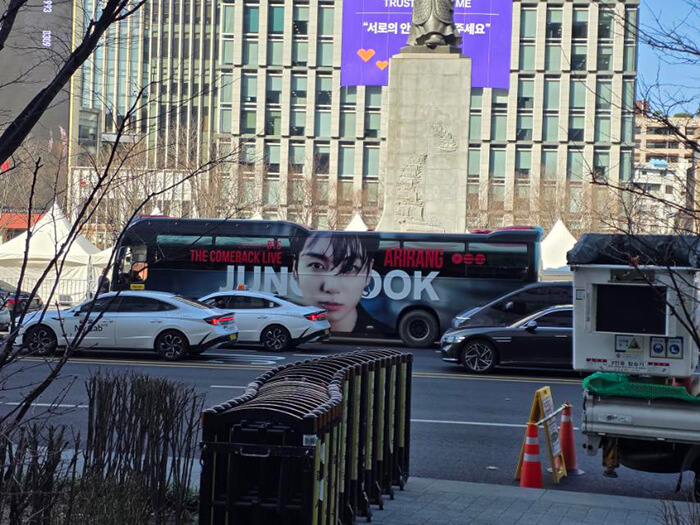
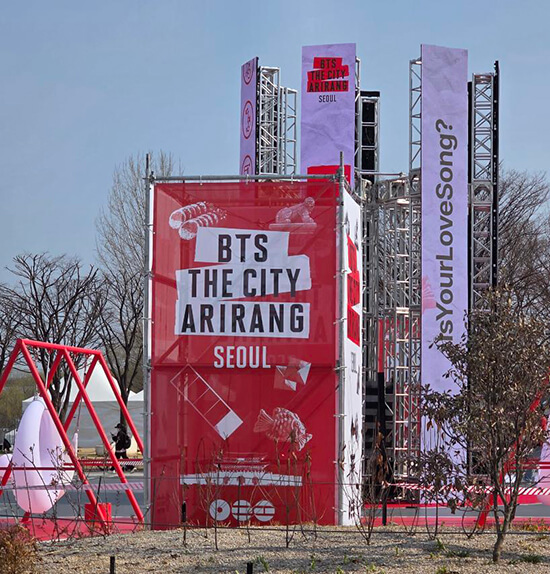
In Seoul, where scores of ARMY pilgrims had already descended in giddy anticipation, the hype was more than palpable—it was overwhelming. From the towering digital façades of skyscrapers to the intimate glow of subway kiosks and street food stalls, the city had been rebranded. Convenience stores, pharmacies and even the smallest neighborhood markets seemed to pulse with a single, unified message: BTS was back.
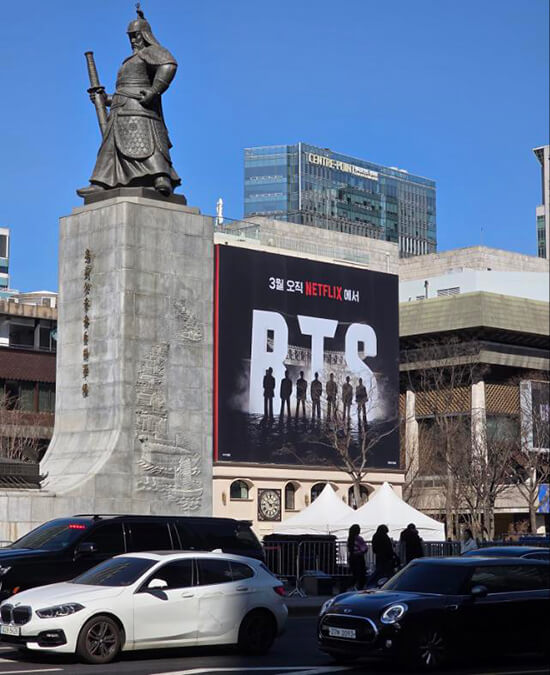
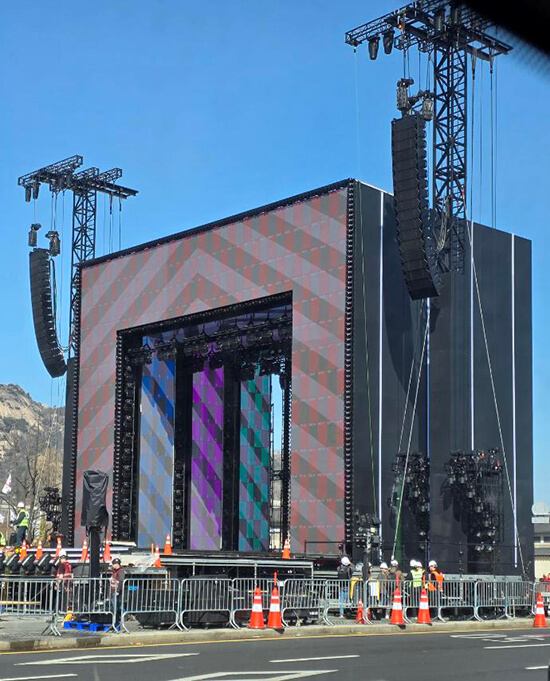
For my family, it started innocently enough at historic Gwanghwamun Square, a major tourist mecca and, for one night, the site of the free BTS concert, which eventually aired live on Netflix.
After soaking in the energy at the square, we inevitably wandered into every traveler’s favorite shopping area, Myeong-dong. As my wife and I needed a refresh after all the walking, our daughter led us to her favored salon: Leekaja Global (which, I later discovered, is opening a branch at BGC soon).
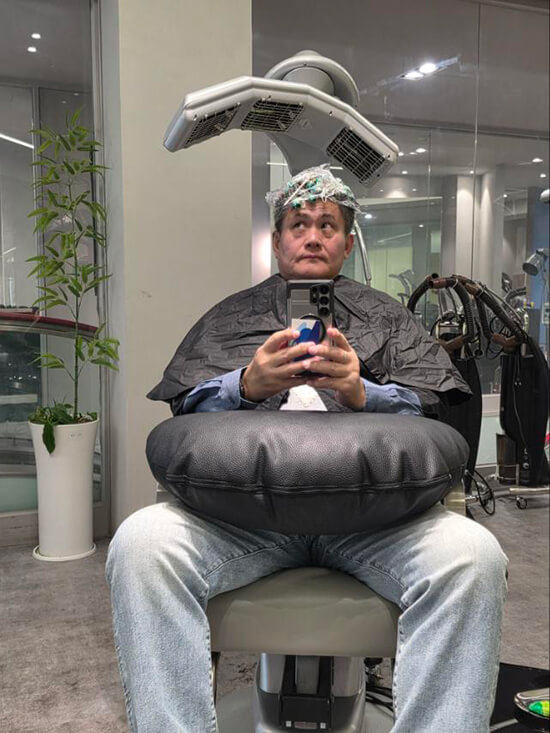
Before I knew it, I had surrendered my fate to a man named Young-wook, my “cut and perm specialist,” a title that sounded both reassuring and mildly intimidating. I felt as if I had wandered onto the set of Park Bo-gum’s The Village Barber, airing on HBO Max.
I had no inkling I’d be appearing in a real show.
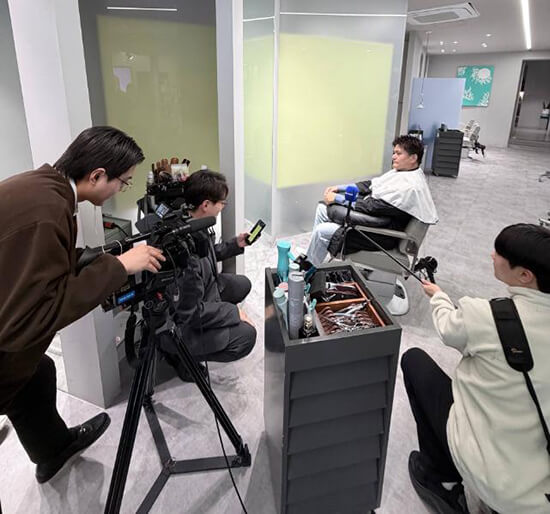
Just as I was sitting for my haircut, a Korean guy, microphone in hand and a cameraman by his side, approached me and asked if I’d be willing to be interviewed. Apparently, my ever-supportive daughter had volunteered me. I had seen the two men earlier talking to other clients, so I assumed this was either a customer satisfaction survey or part of some school research. For reasons still beyond me, I said yes.
Turns out, it was a crew from Channel A.
My 15 minutes as JK
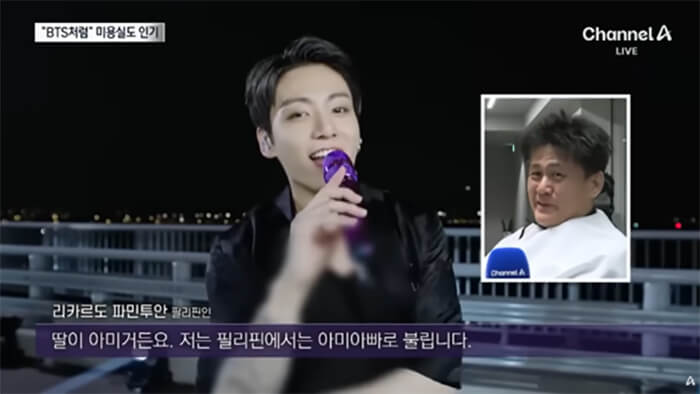
The story, titled Haircuts Like BTS… K-Hair Salons Become a Must-Visit, appeared that same evening on primetime news. The YouTube clip went viral in my and my daughter’s small online community faster than I could say “they don’t know ’bout us”—because, evidently, they do.
Loosely translated:
“There are numerous customers asking for BTS hairstyles with the upcoming concert. At a hair salon in Myeong-dong, a fan in a purple padded jacket is asking for a special style for her dad.”
My daughter: BTS haircut? Yeah … Jung Kook-style (laughs). Because you know, we’re here for BTS. He should have the matching hairstyle.
Me: My daughter is ARMY, and I’m what they call an ARMY dad. BTS hairstyles have been buzzing, and now visiting hair salons has become part of the tourism industry.
Somewhere, Jung Kook was probably shaking in his boots.
I actually said a lot during the interview—nuanced and insightful—but I guess the only soundbite they needed from me for that 40-second clip was that one sentence. And just like that, this ARMY dad had turned into a supporting character in the global BTS phenomenon.
The pilgrimage continues
The next day, we found ourselves at Yeouido Hangang Park, where a “Love Song Lounge” featured busking performances and interactive events. It felt less like a park and more like a soft, glowing extension of the BTS universe, with music blaring from the center and strangers of all ages smiling, laughing and having fun.
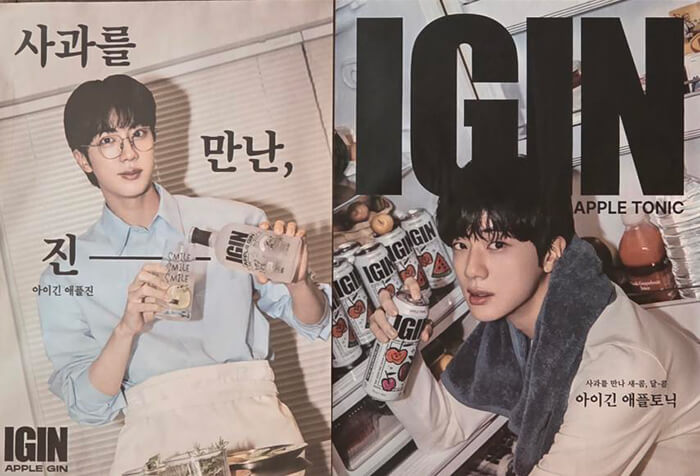
We continued to follow the “sacred trail” by eating at Otsu Seiromushi, co-owned by WWH (Worldwide Handsome) himself, Jin (Kim Seok-jin), and his older brother, Kim Seok-joong. Neither of them was around to greet or serve us.
As much as I wanted to return to normal tourist life, it was impossible with BTS dominating social and multimedia. This, of course, translates to the kind of bonanza that is aptly described in their new song FYA: “Everything lit, it’s fire; everything big, it’s fire.”
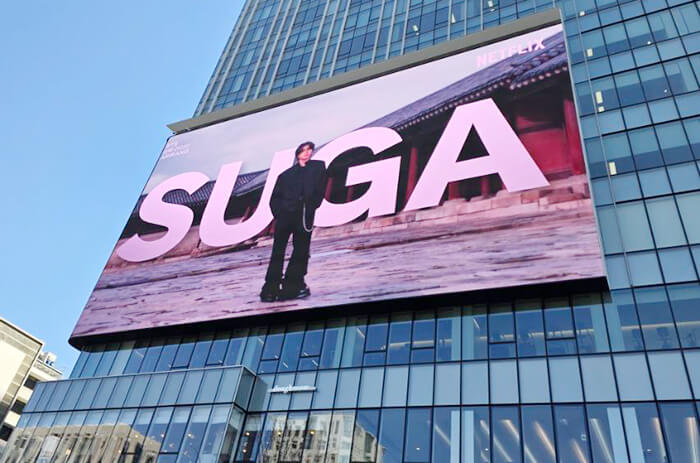
The scale of this comeback is staggering. Reports indicate that the Gwanghwamun Square concert alone generated an estimated $177 million (265.5 billion won) in a single day. Experts call it “BTS-nomics,” and it’s fueling everything from retail to media. The full “Arirang” world tour is projected to pump $2.1 billion into the Korean economy. My family has already made a modest contribution to this—just ask my hairstylist.
But beyond the numbers, there is the message. On The Tonight Show with Jimmy Fallon, the group shared that they chose the traditional Korean song Arirang as the album title because it represents the soul of Korea. J-Hope spoke about their new track, Swim, noting that while life has heavy tides, we must keep moving forward out of “love for life itself.”
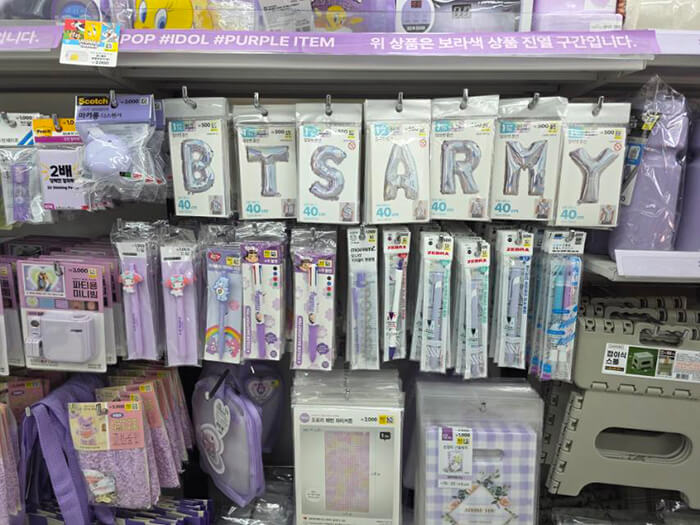
They also reminded the world that ARMY stands for love—a concept so simple it circles back to my daughter’s past with Barney the Dinosaur, whose overarching message was always about love. Barney and BTS do share common elements—love and the color purple—so I guess there’s some cosmic link in all this.
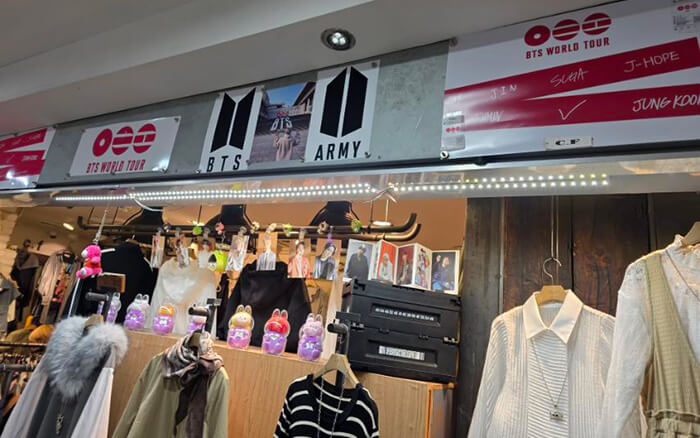
It struck me that this wasn’t just about a band anymore, or their music and fancy dance moves. Many people can’t fully grasp the hype and cult-level adulation exhibited by ARMY. As my daughter’s friend perfectly put it:
“It’s one of the last little spaces where the best traits of humans can be felt... strangers actually caring enough not to injure others, picking up their own trash.”
And in a world where some countries deal out “death, destruction, and endless misery,” as a recent STAR op-ed noted, South Korea gave the world a free “monster” concert instead.
I might have only gotten 40 seconds of TV fame—hopefully forgotten by now—and I may not have any of the attributes of Jung Kook, but being an ARMY dad has taught me that there is immense power in shared joy. Whether we are at a salon in Myeong-dong or watching a BTS performance live or on TV, we are all simply trying to keep moving forward through the tides.