

Is dual citizenship worth it? Here's what to know about its benefits and drawbacks
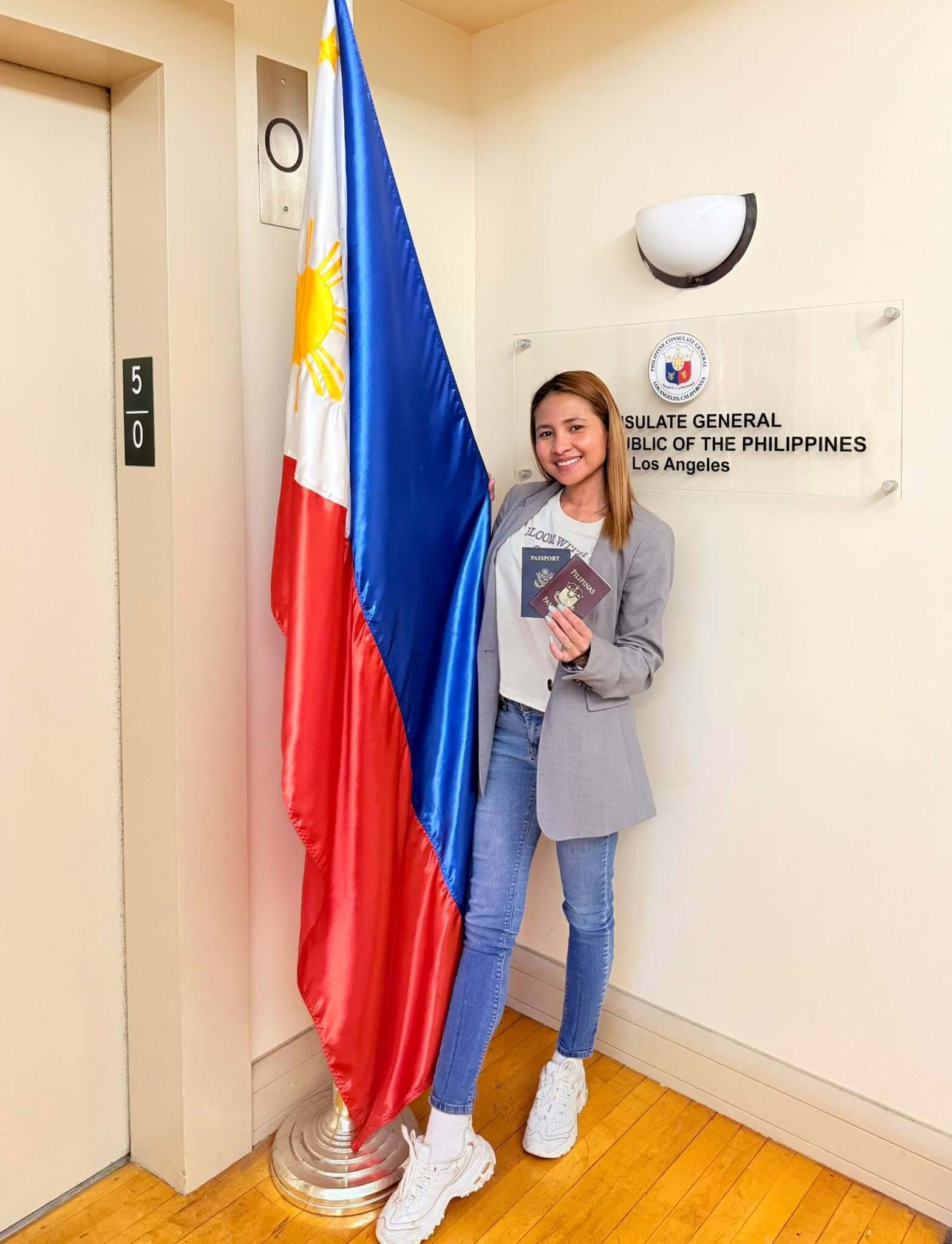
Having citizenship in two countries can sound like the best of both worlds. That's what Karla LaPenta felt when she officially became a dual citizen of the US and the Philippines in March earlier this year.
For LaPenta, it was about honoring her connection to both countries.
"My decision came from my deep love and loyalty to both the Philippines and the United States. They represent two cultures, two stories, and two places I will always call home," she told PhilSTAR L!fe.
"I also have two children who are dual citizens, and I want them to grow up knowing and appreciating their Filipino roots while embracing their lives in America," she added.
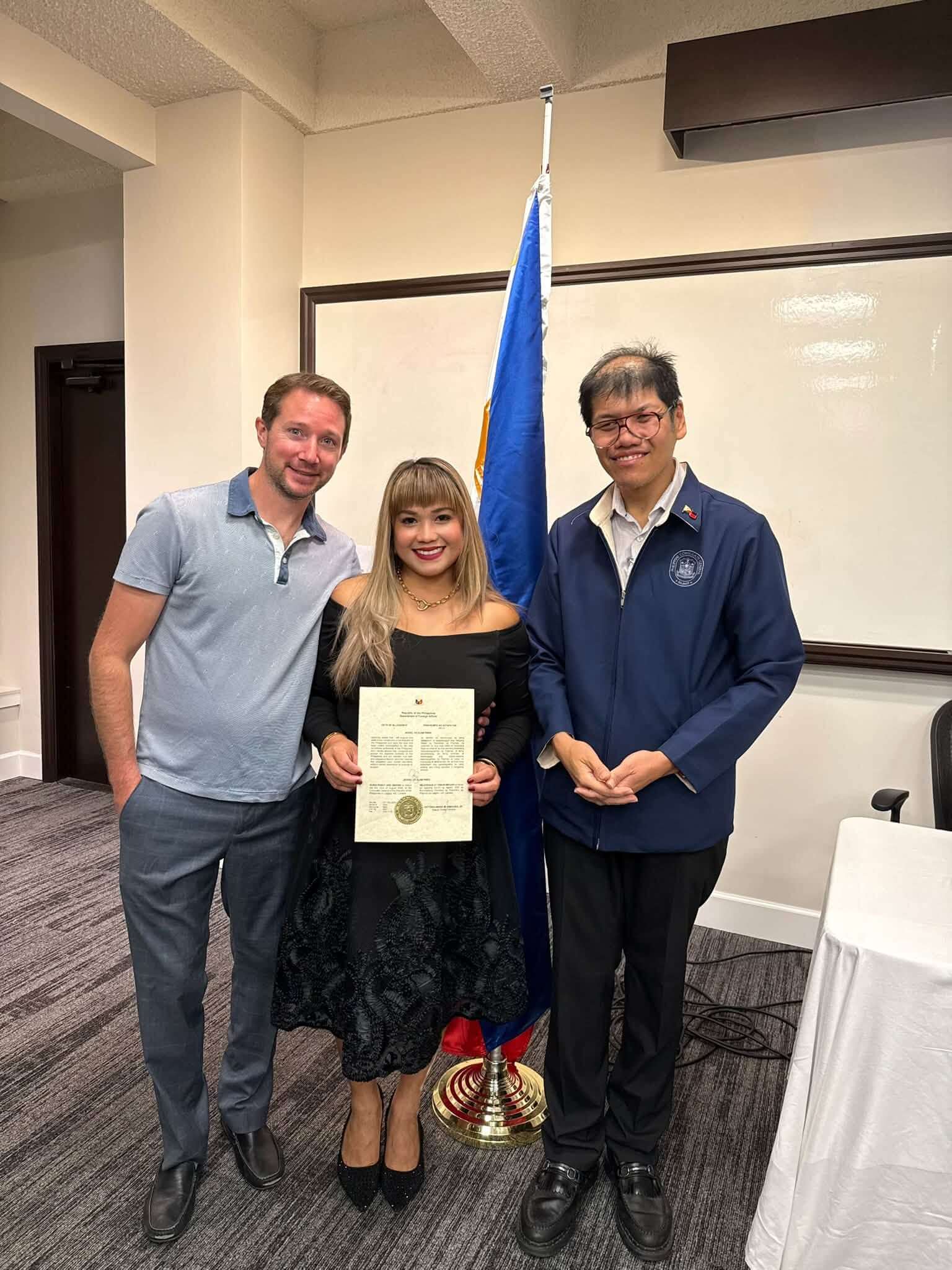
Her sentiments were also shared by Jess Oculam Pines, who achieved her dual citizenship as a Filipino-Canadian in August.

"The Philippines will always be my home. Even though I became a Canadian citizen and built my life here in Canada, I never wanted to lose my connection to my Filipino roots, culture, family, and country," she said.
"I also wanted to have the freedom to travel back to the Philippines and maintain my rights and connection to my home country," she added.
While the process involved preparing forms and documents carefully, she highlighted that it was a meaningful experience
"It took some patience, but when I finally completed the process and became a dual citizen, I felt so proud and emotional. It was truly a special moment for me because it felt like I was officially keeping both parts of my identity," Pines underscored.
How dual citizenship works
Beyond the personal connection, holding dual citizenship also comes with practical implications.
Immigration lawyer Atty. Novie Onor told L!fe that dual citizenship means that two countries recognize you as their citizen at the same time.
"Each country applies its own laws to that relationship. You generally have the right to enter, live, and work in both countries, but you also remain subject to their applicable legal obligations," he said.
It's important to distinguish between people who hold two citizenships from birth and those who became foreign citizens through naturalization.
"Under Republic Act No. 9225, natural-born Filipinos who lost Philippine citizenship through foreign naturalization may reacquire it by completing the prescribed process and taking an oath of allegiance. Filipino ancestry alone does not establish eligibility under this particular law," Onor explained.
He highlighted that the greatest advantage of having a dual citizenship is the "freedom to make long-term decisions with more options available to you."
"For someone whose family and livelihood span two countries, that can be significant. You may build a career overseas while preserving the ability to return to the Philippines, care for your parents, establish a business, or eventually retire at home," Onor said.
By reacquiring Philippine citizenship, this restores important rights, such as owning land as a Filipino, obtaining a Philippine passport, and voting after meeting the applicable registration and eligibility requirements.
However, business activities and professional practice remain subject to the relevant laws and licensing requirements.
"There is also a sense of belonging that deserves recognition. Many Filipinos have spent decades building lives abroad without losing their attachment to home. Reacquiring citizenship gives that enduring connection legal recognition," Onor emphasized.
Fellow immigration lawyer Atty. Lou Janssen Dangzalan also pointed out that having a Philippine passport can provide additional travel options, depending on the destination.
"The common issue for a lot of people is why would they want to have a Philippine passport if they already have an American or Canadian passport? But guess what? There are certain countries in the world where you can actually travel without a visa if you have a Philippine passport," he said.
"Even some of the more powerful passports will still require you a visa to enter those particular countries," he added, citing Vietnam and Brazil.
For dual citizens planning to spend more time in the Philippines, Dangzalan said reacquiring citizenship can also provide greater flexibility.
"Kung i-retain mo lang ang American citizenship, you can come back to the Philippines. [You can probably] benefit from the Balikbayan visa. But that only allows you to stay for up to a year and you can't purchase property," he said.
Benefits also extend to discounts for senior citizens and persons with disabilities. "You have to be a Filipino citizen to acquire and to avail those discounts."
Complications of being a dual citizen
While dual citizenship can open doors, it can also bring added responsibilities that are easy to overlook.
Onor said that the main challenge is trying to manage obligations under two legal systems, which become especially important when someone has income, property, children, or business interests across borders.
"You cannot simply choose which citizenship applies whenever one country’s rules become inconvenient. Depending on the countries involved, obligations may include tax reporting, civic duties, or military service," Onor said.
Tax is a common concern. While dual citizenship does not automatically mean you are obligated to pay tax twice on the same income, Onor noted that there may be overlapping filing and reporting requirements.
"US citizens, for example, are generally subject to US tax on worldwide income even when living overseas, although foreign tax credits and other relief may reduce the tax payable. Owing no additional tax does not necessarily mean there is nothing to file," he said.
When it comes to healthcare and social benefits, where you live or contributions may affect access. Meanwhile, matters such as public office, marriage, divorce, and child custody might also get complicated with dual citizenship.
"These are matters to understand before applying, particularly if a person is planning a permanent move or a major family decision," he added.
Dangzalan also noted that dual citizens may have different options for seeking consular assistance when they are abroad.
"Let's say you got in trouble there; there are two consular avenues that you can seek assistance from," he said, referring to the Philippine and other country’s embassies.
However, the situation can be different when a dual citizen is in the Philippines.
"In cases where you're already a dual citizen, one of the things that you'll see when it comes to reacquisition and retention of Filipino citizenship is that you acknowledge that Philippine laws trump other laws," Dangzalan said.
He explained that this can limit the assistance that a foreign embassy may be able to provide to a dual citizen facing legal trouble in the Philippines.
How to apply for a dual citizenship in the Philippines
For Filipinos who are thinking about getting dual citizenship, LaPenta and Pines both believe it is worth considering.
"I value being able to belong to both nations and share that connection with my children. Ultimately, it’s a personal decision, but for me, it has been a meaningful one," LaPenta shared.
Pines added, "Canada is now my home, and I’m very grateful to be Canadian. But the Philippines will always be a part of my heart and my identity. Getting dual citizenship made me feel like I didn’t have to choose between being Filipino and being Canadian. I can proudly be both."
Per the Philippine embassy in Washington, DC, Filipinos living abroad can reacquire their Philippine citizenship as long as they are a former natural-born Filipino citizen who became a naturalized citizen of another country.
Applicants generally need to schedule an appointment with the embassy or consulate that has jurisdiction over them. They should prepare their completed application form, birth certificate, foreign naturalization certificate, copies of their Philippine and foreign passports, and recent passport-size photographs.
Then, they must personally appear, submit their completed application and supporting documents, pay the processing fee, and take an Oath of Allegiance before a Philippine consular officer.
According to Dangzalan, one of the first things to consider is checking the laws of their other country before proceeding to see if they actually allow dual citizenship.
"No country can dictate to other countries how they run their citizenship law... In theory, you could have as many citizenships as you like so long as those countries allow for it," he said.
"Ang titignan mo lang is certain countries do actually penalize at the criminal level if you acquire another citizenship and you do not renounce your prior citizenship. I know that the People's Republic of China, for example, will not recognize and has also criminalized dual nationality. So there are certain countries that do criminalize it."
Onor also advised applicants to review the current requirements of the relevant Philippine consulate or Bureau of Immigration and resolve inconsistencies in their records.
"Differences in names, incomplete civil registry documents, and missing proof of naturalization can delay processing," he said.
Another thing to be cautious about is using a Philippine passport after acquiring another citizenship. Dangzalan said that Filipinos who have acquired foreign citizenship should be aware that they may no longer be considered Philippine citizens until they complete the process to reacquire their citizenship.
"That's actually an offense in the Philippines," he said. "They have to be very careful."
Ultimately, Onor underscored that you should first consider what dual citizenship would mean for the life you actually intend to lead: where you will work, raise your family, hold assets, and retire.
"Those questions matter far more than how many passports you can carry," he said.

WATCH: Save for retirement or enjoy life now? (Generations Ep. 21)
September 16, 2026
WATCH: Is Philippine cinema still thriving? (Generations Ep. 19)
September 2, 2026