
Need a bathroom break in a formal setting? Here's how to excuse yourself professionally
When nature calls, you just have to answer—even when you're in the middle of a formal proceeding.
Counsel for the prosecution Atty. Lorna Kapunan drew laughs with her bathroom break request in the middle of her cross-examination of a defense witness during the impeachment trial of Vice President Sara Duterte.
“Your Honor, please, I need to pee,” Kapunan said, eliciting laughter from the courtroom.
Her straightforward request made Presiding Officer Chiz Escudero chuckle before quipping that there would have been “a better way to say it.”
The lighthearted moment amused social media users, with some finding it relatable and others praising her for being straightforward.
CONTINUE READING BELOW

"The incomparable Atty. Lorna 'Slay Kween' Kapunan! Kahit bladder break, may courtroom presence. Klasik," one user wrote.
Another joked, "Your Honor, I invoke my constitutional right against unreasonable bladder detention!"
Humor aside, etiquette expert Tracy Que told PhilSTAR L!fe that there's "nothing inherently wrong with the expression." However, a "more discreet and polished approach would be preferable" in a formal and professional setting.
Here's how to excuse yourself professionally when you need a bathroom break at work.
Professional alternatives to use
If you want to excuse yourself without sounding too casual, there are a few ways to let people know you need a bathroom break while keeping things professional.
Que told L!fe that she wouldn’t feel the need to explain where she's going or what she needs to do.
"A simple 'Excuse me, I’ll be right back' or a simple 'Excuse me, may I be excused for a moment?' is perfectly appropriate, especially in formal or professional settings," she said.
"If an explanation is necessary, you may simply say, 'Excuse me, I just need to use the washroom or CR,'" she added.
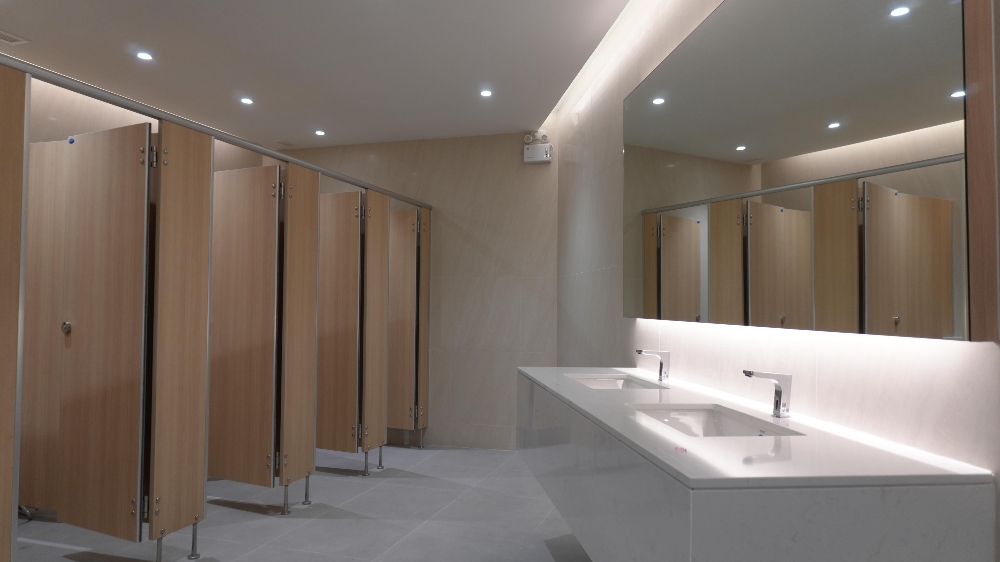
Olen Juarez-Lim—a certified image, etiquette, civility, and protocol consultant—echoed the same sentiment in that "sometimes, the less said, the better."
There should be no embarrassment about discussing one's bodily needs, but it "doesn’t mean we have to be overly descriptive, especially in formal situations."
"In a formal setting, you can say, 'May we take a short comfort break?' or 'May we take a break?' There really is no need to be specific," she advised.
Context matters
Juarez-Lim acknowledged that peeing is a perfectly normal human need, but in etiquette, "context matters."
"What we comfortably say among friends may not always be appropriate at work. It's not so much about the words being offensive, but whether they suit the occasion or bagay pa ba sabihin," she said.
The expert also emphasized that etiquette should never be used to embarrass or ridicule someone. "We can always correct or remind others without making them feel small," she continued.
"At the end of the day, good manners are not about being overly formal or finding fault in how others speak. They are about being considerate, knowing our audience, and treating people with respect," she added.
WATCH: Is OPM still as good as it used to be? (Generations Ep. 20)
September 9, 2026
WATCH: Can we talk about death and grief? (Generations Ep. 25)
October 14, 2026