

On being the ‘Midnight Rain’ and the cost of ambition
Midnight Rain is the sixth track on Taylor Swift’s 2022 album, Midnights. In the song, the “midnight rain” represents someone who chooses change and ambition over staying in something safe and familiar. Swift portrays her partner, meanwhile, as “sunshine,” the settled and secure life she leaves behind to pursue growth and ambition over stability.
As I reflect on the ambitious life I want to pursue after graduation, a cold chill creeps up. What might be a poetic song for some is a lived yet distant reality experienced by people in the spotlight. And in recognizing that truth, I see how it echoes in our own lives: for most of us who have closed chapters with a significant in order to follow our ambition, we are each our own midnight rain, paying the respective invisible cost.
Who are the ‘midnight rains’?

Across novels, films, and everyday conversations, one figure keeps showing up. It is the person who pours everything into building a future, only to realize they need to sacrifice their capacity to love. They are the ones who stay in the office long after everyone has gone home or say yes to every opportunity because stability feels impossible to pass up.
They rarely choose distance on purpose. It happens in small increments, almost invisibly. One day, they wake up and realize they have become the midnight rain. Not because they stopped caring, but because the pressure to secure a life kept getting heavier, and something had to give.
The cost of making ‘one’s own name’

Ambition is celebrated, but its quieter consequences often go unnoticed. The midnight rain is someone trying to outrun uncertainty. With rising prices and unstable futures, many feel they must prioritize work over everything else. Even relationships that matter deeply get overshadowed by deadlines, bills, and the constant need to stay ahead.
Over time, this creates a kind of emotional drought. The midnight rain might achieve impressive things, yet feel disconnected from themselves. Rest becomes a luxury. Softness becomes something to circle back to later, when life is less chaotic. But that “later” rarely arrives.
CONTINUE READING BELOW

This is the invisible cost. Not dramatic heartbreak, not a single painful moment. It is the slow erosion of intimacy. It is realizing that ambition shaped by fear does not just push someone forward. It also wears down the gentler parts of their life.
The ‘sunshines’ left behind

Across the midnight rain stands the sunshine. The sunshine is steady. They show up. They offer the warmth and presence that the rain can no longer sustain. They understand the demands placed on the midnight rain, and they try to hold the connection together with patience and love.
Yet this role carries its own quiet weight. The sunshine is the one who keeps adjusting, waiting, and stretching to fill the growing gap. They give stability but receive less and less of it in return. Their invisible cost is the imbalance, the feeling of supporting something that no longer supports them back.
The larger system behind the storm
The midnight rain does not appear because of individual flaws or poor choices. It is the product of an economic system that asks people to run endlessly just to keep their lives intact. Housing, food, transportation, and basic security demand constant effort. When survival becomes the baseline, emotional presence becomes a luxury.
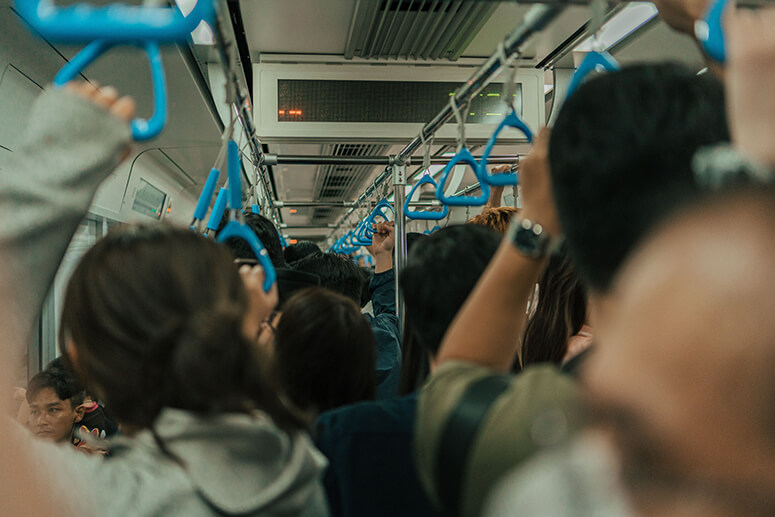
The system loves the idea of the hard worker who sacrifices everything. It romanticizes the grind while ignoring what it empties out of people. The midnight rain is not a poetic archetype. It is a symptom, the mark of a world where financial security is tied to giving up pieces of your emotional life.
The invisible cost shows up in relationships stretched thin, dreams postponed until they quietly disappear, and people who never get the conditions they need to actually flourish.
The goal is not to glorify the ‘midnight rain,’ but to make it unnecessary. A fairer world allows ambition and love to stand on equal ground.
A future without the midnight rain
The midnight rain will keep appearing as long as people are pushed into choosing survival over connection. It only seems romantic when the realities that produce it are ignored. No one should have to pick between ambition and love. No relationship should collapse under pressures that could be prevented with fairness and stability.
If the midnight rain embodies what people lose to economic insecurity, then the way forward is to change the conditions that make loss feel necessary.

A better world becomes possible when people have time, security, and energy to be present in their own lives. That begins with collective action. When communities demand livable wages, humane workloads, and dignified working conditions, they are not just asking for better jobs. They are also fighting for relationships that can survive the modern world.
Progress starts when people decide they deserve more than constant exhaustion. It grows when they link arms with others who feel the same. Becoming part of mobilizations, supporting movements for fair compensation, or refusing to normalize systems that hollow people out are not just political acts. They are acts of care for the future.
The goal is not to glorify the midnight rain, but to make it unnecessary. A fairer world allows ambition and love to stand on equal ground. A just economy lets people choose growth without forfeiting connection. In that world, rain and sunshine can finally coexist, not as forces pulling each other apart, but as parts of a life where no one has to lose themselves just to keep going.

WATCH: Is OPM still as good as it used to be? (Generations Ep. 20)
September 9, 2026
WATCH: Is Gen Z too soft? (Generations Ep. 23)
September 30, 2026
WATCH: Save for retirement or enjoy life now? (Generations Ep. 21)
September 16, 2026
WATCH: Pixar Summer Fest adventure at Hong Kong Disneyland
August 10, 2026