

What is love?
“What is love?” asks Trinidadian-German singer Haddaway in a 1993 dance track that has outlived the decade that birthed it.
The question traveled farther than the man who sang it. Clubs, radios, weddings, school fairs, late-night car rides, it found its way into all of them. The song offered no thesis, only a plea. “I give you my love, but you don’t care... Baby, don’t hurt me no more.” A question hung in the air, unanswered, catchy enough to feel like an answer.
Three decades later the song enjoys another life online. Teenagers who were not born when it first played now lip sync to it on glowing screens. A chorus becomes a meme, a meme becomes a soundtrack to new feelings. Love survives through repetition. We inherit other people’s heartbreaks and dance to them.
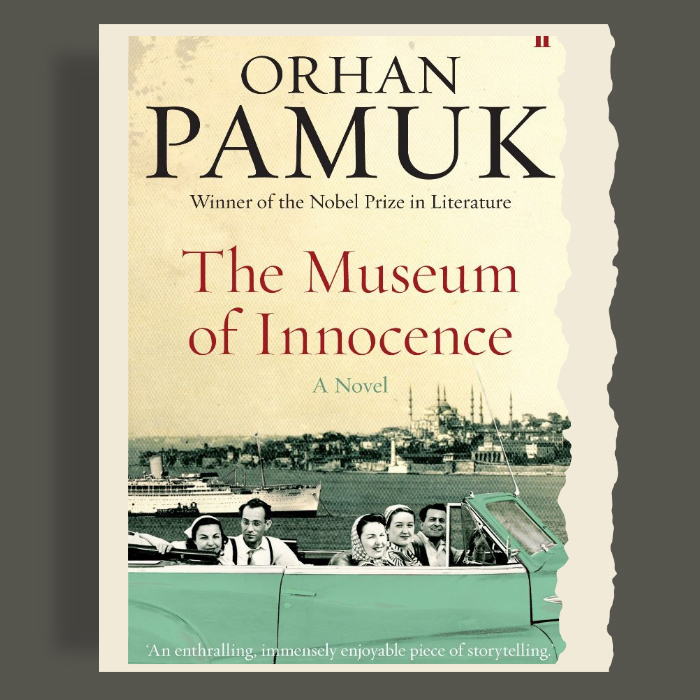
It was the theme of my life during the long months of 2020 while I was reading Turkish Nobel laureate Orhan Pamuk’s novel The Museum of Innocence.
The story follows a man named Kemal who falls for Füsun and builds a shrine to his longing through objects, memories, and rituals. At one point Kemal admits, “But my love was a kind of pain, and I did not want to be cured of it.” The line reads like a confession many would never say aloud. Love enters the body as both fever and fuel. It sharpens the senses. It distorts time. It turns ordinary items into relics. In Pamuk’s novel, the one who consoles you can also be the one who undoes you.

As the world prepares to wear its heart on its sleeve yet again, I asked The Very Extra Book Club to answer a pop song’s oldest question.
Every February, the world tries again to define love through roses, hotel packages, prix fixe menus, and playlists designed for candlelight. I prefer asking readers. My book club, The Very Extra Book Club, spends the year reading across genres and moods. I asked them to name a book where we might find what it means to love and be loved. Their answers stretch from playful to philosophical, from scandalous to sincere.
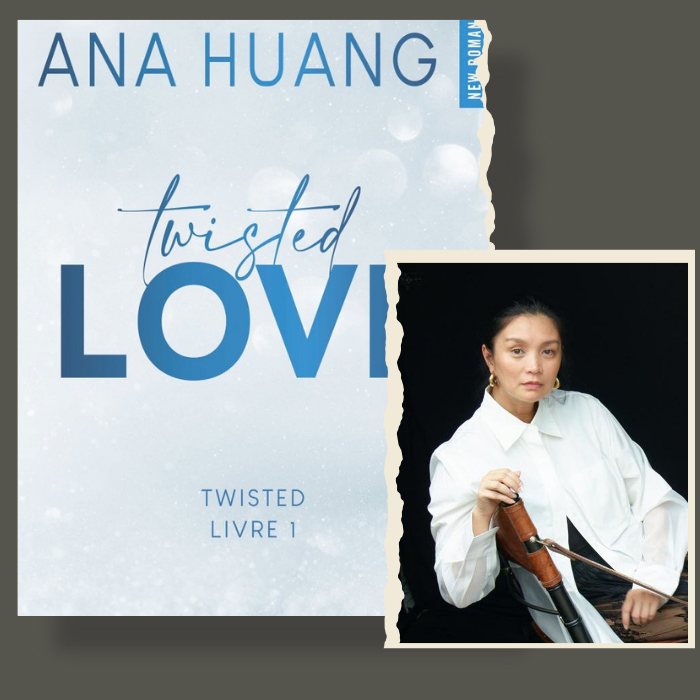
Mabuhay editor Pauline Juan reached for contemporary romance. She recommended Ana Huang’s Twisted series and said, “It’s a fun, fast read that weaves suspense into familiar plot lines.” Huang’s Chinese and Filipino female leads, especially in Book 2, caught Pauline off-guard. “She pens a surprisingly multi-racial cast of characters, and I couldn’t help feeling a connection,” she said.
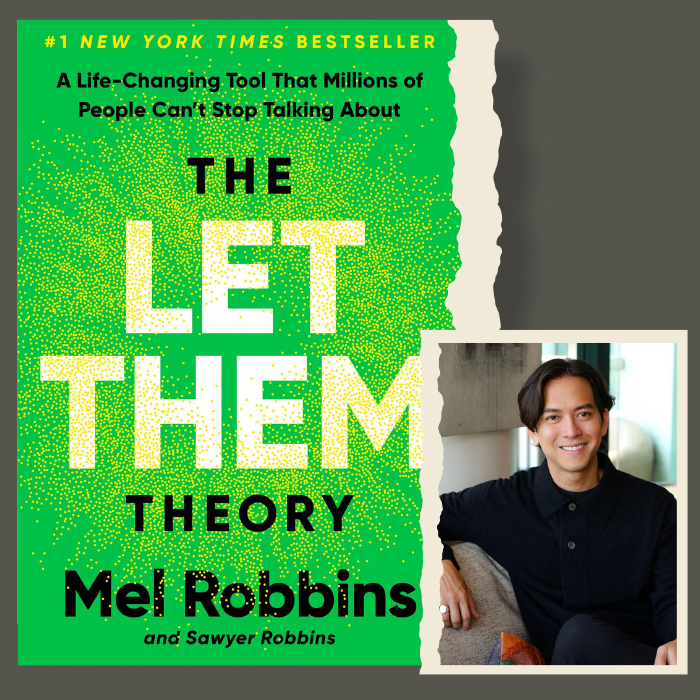
Interior designer Nix Alañon grounded his definition of love in the stoicism of Mel Robbins’ The Let Them Theory. To him, the book’s most vital takeaway is a masterclass in self-preservation. “Letting go of what you can’t control is one of the most underrated forms of self-love,” he said, citing it as the bedrock upon which all other connections are built.
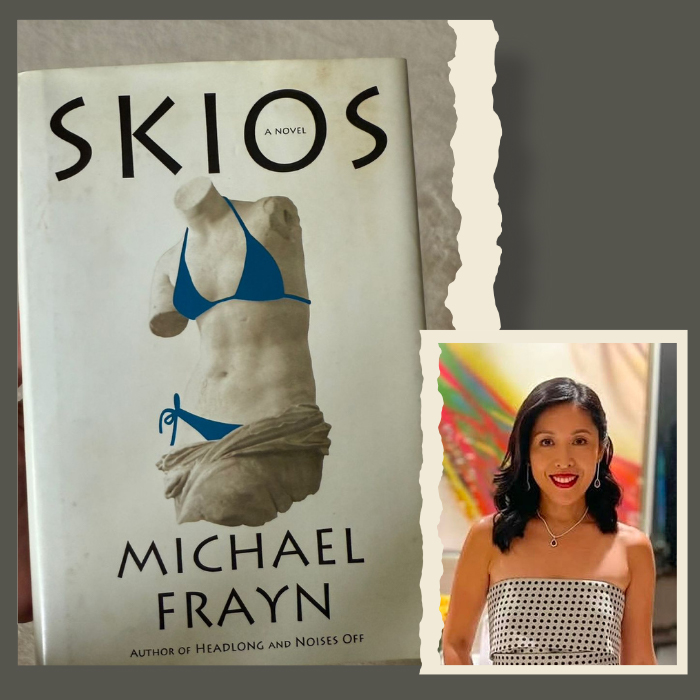
Four-time marathon runner, full-time Mama, and MoveEd board member Marielle Santos Po enjoyed Michael Frayn’s Skios, a comedy of errors on the Mediterranean. She summed up its appeal simply, “The novel feels like a vacation as the story is set on a private Greek island.” A holiday setting invites people to try on other versions of themselves. It provokes a certain shedding of the skin. Sometimes love starts as a role you play under the sun, only to become the person you are when the tan fades.
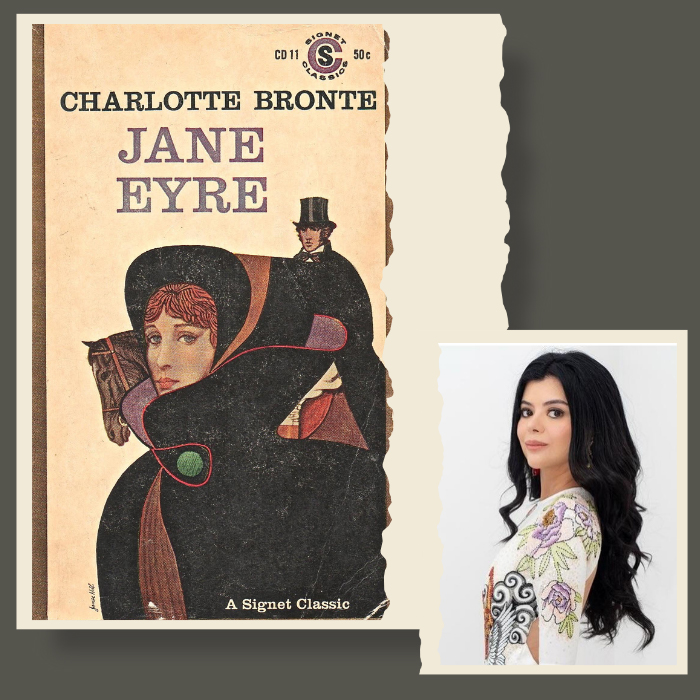
Rocio Olbes returned to Charlotte Brontë’s Jane Eyre, drawn to a heroine who refuses to trade her principles for comfort. Rocio wrote, “This unwavering commitment to herself is what leads her to find true love.” Romance becomes an extension of character. Integrity, it turns out, is its own aphrodisiac.
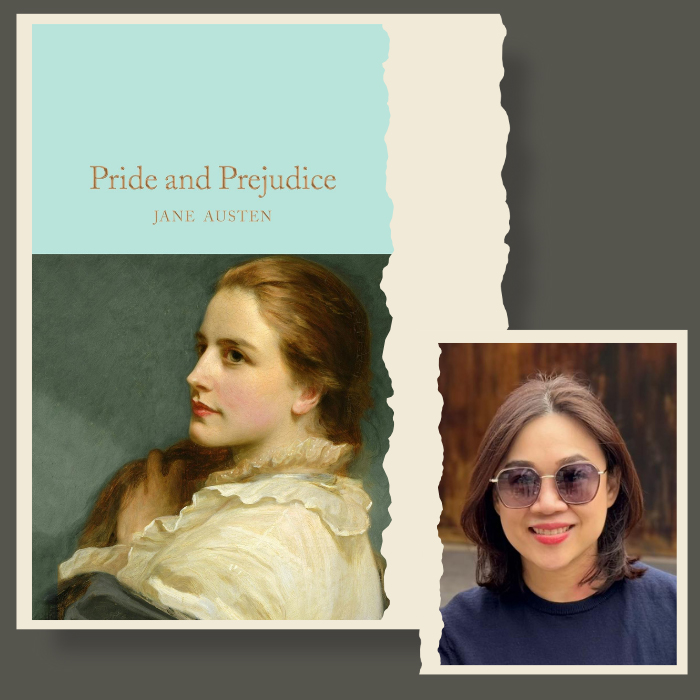
Entrepreneur Farah Mae Sy went with Jane Austen’s Pride and Prejudice, that evergreen study of the distance between what we see and what is true. In Farah’s reading, the novel is a mandate. “True love demands not only self-examination and growth, but also respect and understanding,” she said. It is a lesson in the second look. Affection matures only after the ego retreats.
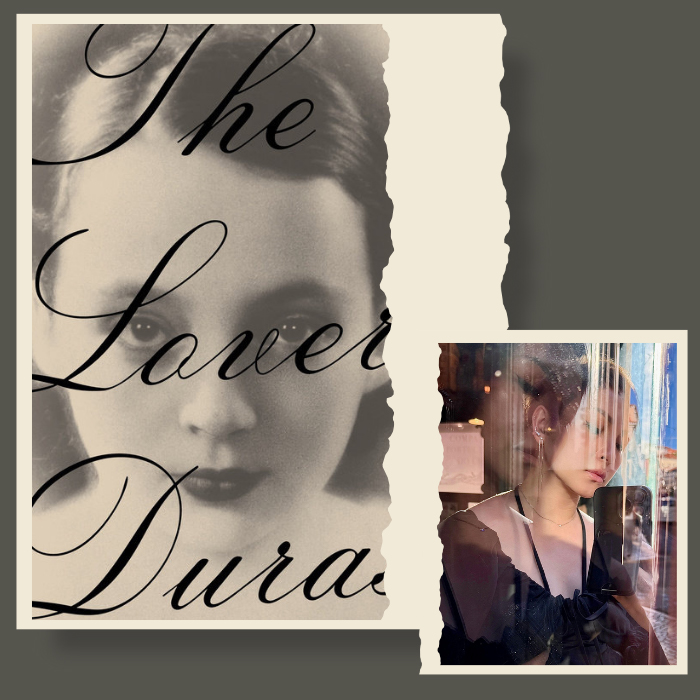
Restaurateur Jae de Veyra Pickrell named Marguerite Duras’ The Lover, a slim book charged with memory and desire. She describes it as a story that shows taboo through the lens of memory, replete with scenes in Saigon that shimmer with heat and risk. “It’s a book where erotic tension vibrates off the page,” Jae said. “Passions take on heightened intensities and disappointments blur into a distant ache.”
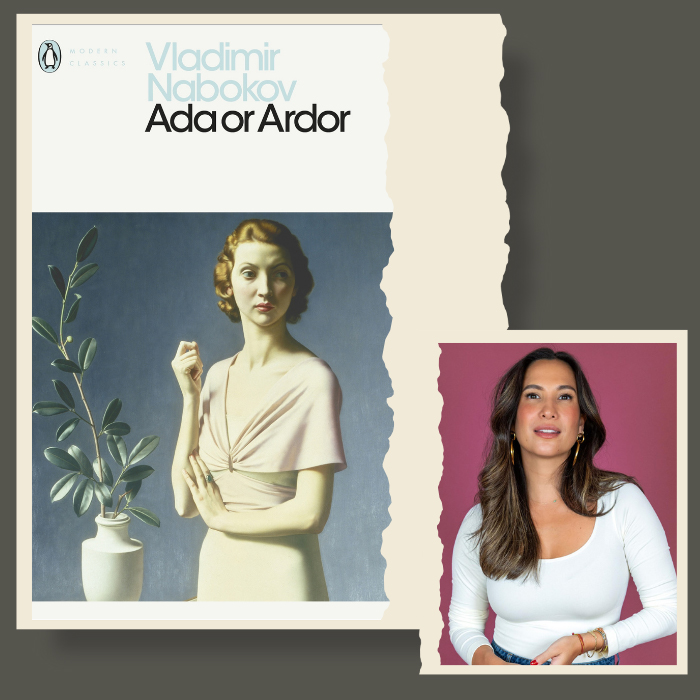
Writer and Soulful Feasts creator Stephanie Zubiri turned to Vladimir Nabokov’s Ada, or Ardor. She sees in the novel a love that dismantles every societal boundary. She points to a single, haunting line: “The breaking of a wave cannot explain the whole sea.” To Stephanie, it is an acknowledgment of the infinite. Even the most intimate, life-changing moment of connection is merely a fragment. It can never account for the depth of the feeling underneath.
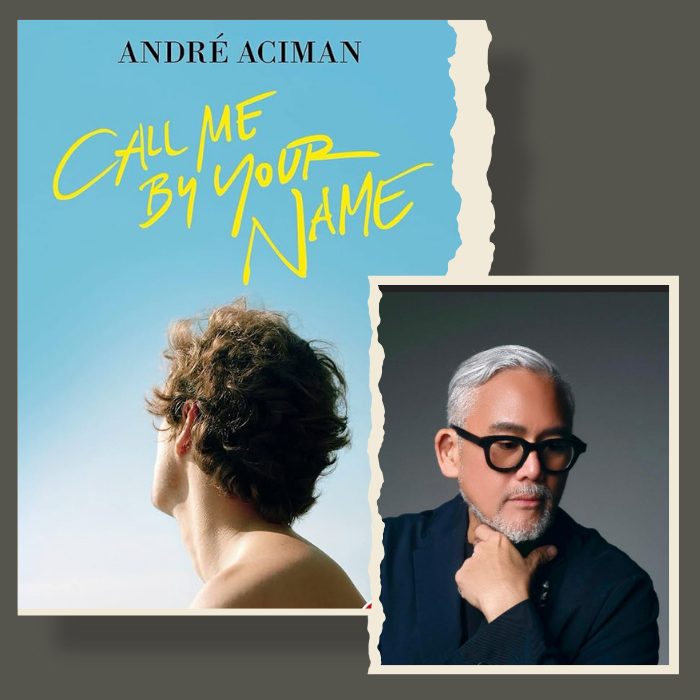
Fashion designer Rajo Laurel went with André Aciman’s Call Me by Your Name, a book that anchors love to the heat of youth and discovery. His connection to it is direct. “It truly represents a huge part of my growing up with that sense of first love and all the mess, as well as the joys, that comes with romance,” Rajo said. First love isn’t a postcard. It is a clumsy, beautiful disaster that sets the template for everything that follows.
Pondering these answers, I realize how love refuses a single definition. It appears as discipline, comedy, hunger, memory, principle, fantasy, and repair. It thrives in grand gestures and in day-to-day routines. It can be the act of staying or the courage of leaving.
Haddaway kept asking what love is. Pamuk’s Kemal turned it into a museum. My friends in The Very Extra Book Club find it in paperbacks and poems.
Maybe love lives in the act of returning. Returning to a song, a book, a person, a former self.
We circle the question again and again, hoping for clarity, finding instead stories.
Maybe this is why love endures. It resists conclusion. It invites retelling. Each generation sings the same chorus with a different face, a dog-eared book in hand, a memory reconstructed, sometimes borrowed, sometimes invented. The question remains bright and unresolved. We keep answering with our lives.

WATCH: Is OPM still as good as it used to be? (Generations Ep. 20)
September 9, 2026
WATCH: Is Philippine cinema still thriving? (Generations Ep. 19)
September 2, 2026