

New year, new insights on aging, movement, and community
The New Year is also a good time to look back and move forward with new lessons and perspectives. Sunshine Place member Marriz B. Agbon, writer, retired executive, and endurance masters athlete, has written much on aging, movement, and community.
He was, however, surprised when he attended the senior hub’s holiday party, giving him new insights on these subjects. Here, he shares with us exciting new perspectives on aging, movement, and community.
Active aging through movement, creativity, and care
Long before “active aging” became policy language, Sunshine Place practiced it—through movement, creativity, and care.
Sunshine Place Senior Recreation Center, founded by the Felicidad Tan Sy Foundation, was created to answer a question our society often avoids: “What does dignity look like after retirement?”

After 11 years, it has become “a safe, joyful community where there is life after retirement” with its art, music, and wellness lessons that seniors can enjoy with family and friends.
Aging can be lived
The event was a lesson on how aging can be lived.
CONTINUE READING BELOW

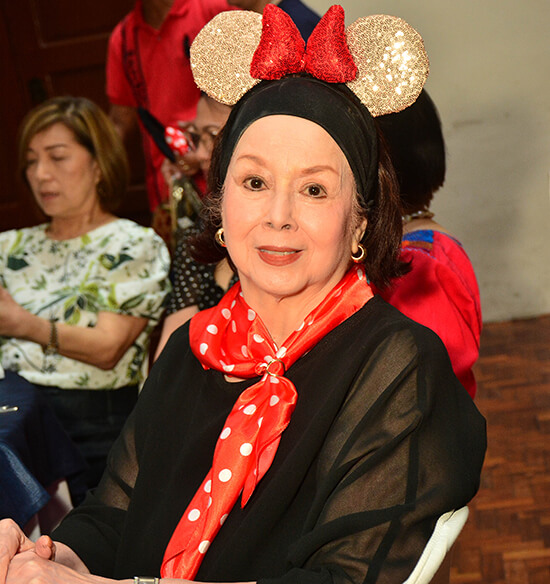
Agbon described walking into a hall filled with seniors, caregivers, walkers, wheelchairs, and Disney balloons—ordinary, yet unexpectedly moving.
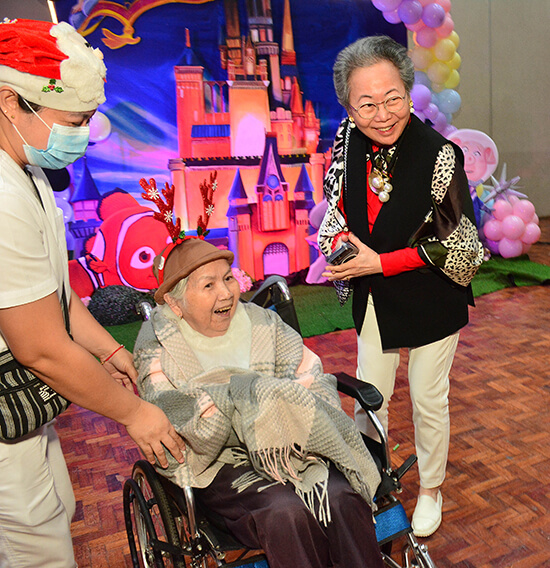
He described how dance numbers followed one after another—tap routines, pop songs, choreographed pieces adjusted to bodies that no longer move the way they once did. In between were games: passing a balloon, searching for Disney-themed objects, laughing at small mishaps without embarrassment.
We’re used to thinking of aging as loss: slower movement, fewer roles, shrinking independence. Yet, what Agbon witnessed suggested something different: that aging can be shaped with intention, community, and dignity.
Life doesn't have to shrink
Even when your body slows, life does not have to shrink. The highlight of the afternoon, said Agbon, was the Super Seniors Chair Dance.
“Seniors remained seated while caregivers and partners stood beside them, mirroring movements so the dancers could follow,” he said. “Tight knees, fading eyesight, unsteady balance—none of it stopped the performance. It simply reshaped it.”
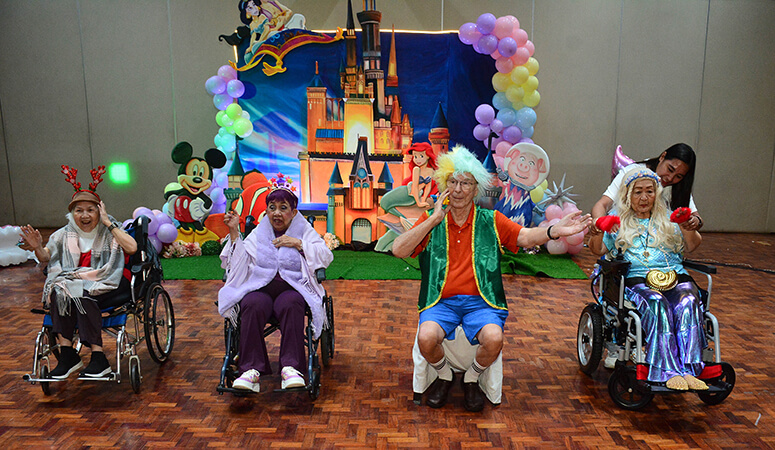
These Super Seniors were not performing despite their age. They were performing within it.
What struck him most “was not how much they could still do it, but how thoughtfully the environment had been designed to let them do it. Caregivers were not directing from above; they were accompanying from beside. Movement was translated, not imposed. Dignity was built into the program.”
The art of aging forward
In practice, Agbon stressed it’s not a denial of decline, not heroic independence at all costs, but thoughtful design—of spaces, programs, and relationships that allow older adults to keep participating, choosing, and moving in ways that make sense for them.
Deepest fear about aging: Being left behind
Our deepest fear about aging is not pain or even death, but being left behind. “The Philippines is aging faster than we like to admit it,” Agbon said. “Families are smaller. Caregiving is harder. Retirement often means isolation.”
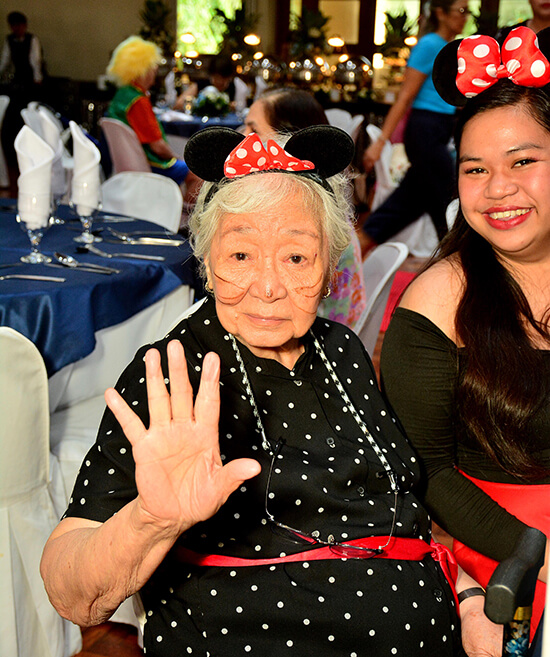
With this, it becomes easier for older adults to slip into invisibility. The New Year becomes an invitation to look outward, to notice who may be drifting to the margins, to keep them included in conversations and gatherings not only during the holidays, but throughout the year. Sometimes, the most meaningful resolution is simply choosing connection.
When we keep seniors engaged, aging becomes less about fading away and more about continuing to belong. When we take aging seriously, it becomes “not perfect but humane. And we’re unmistakably alive.”

WATCH: Is Gen Z too soft? (Generations Ep. 23)
September 30, 2026
WATCH: How to experience Bangkok and Kanchanaburi in one trip
October 21, 2026
WATCH: Save for retirement or enjoy life now? (Generations Ep. 21)
September 16, 2026
WATCH: Can you still trust someone who betrayed you? (Generations Ep. 22)
September 23, 2026