

There’s a global crisis happening. Stop gaslighting us into being resilient.

Every week, PhilSTAR L!fe explores issues and topics from the perspectives of different age groups, encouraging healthy but meaningful conversations on why they matter. This is Generations by our Gen Z columnist Angel Martinez.
The world is on fire, and my friends and I are sending client emails. We’re filling up Excel spreadsheets, hopping on quick huddles, and discussing marketing objectives for social media campaigns.
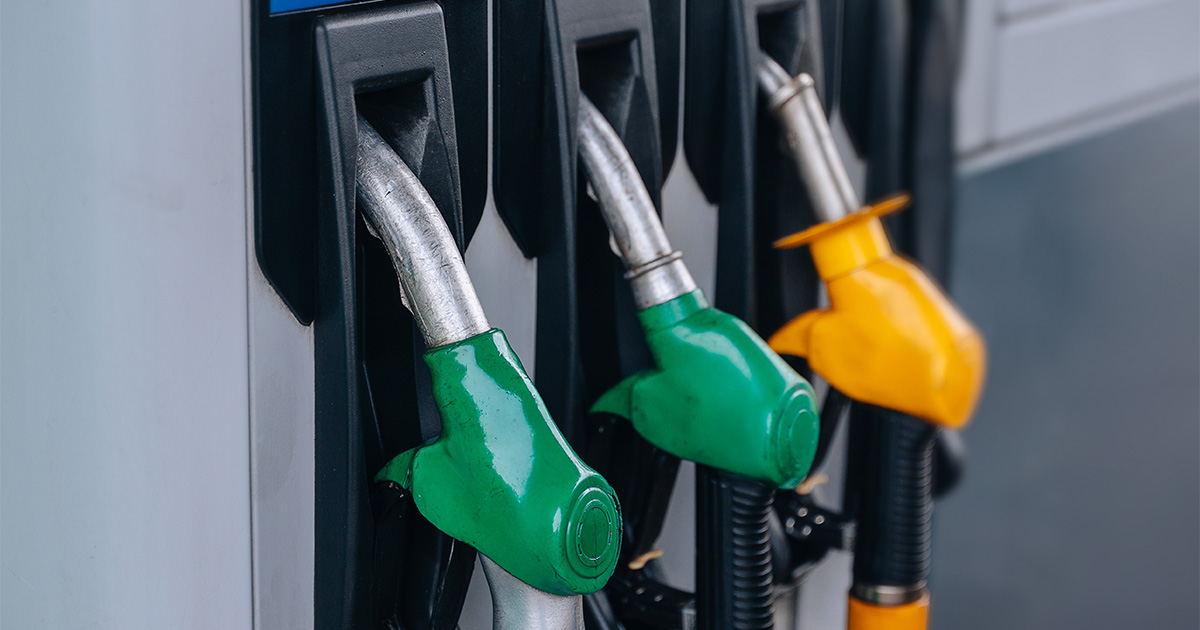
It all seems so dystopian: working toward corporate goals or continuing with our daily routines, as if the US-Iran war isn’t destabilizing our lives. Skyrocketing oil prices, a possible increase in the cost of goods, as well as potential store closures, job losses, and declining income—everything that could go wrong seems to be going wrong.
But if the resilience narrative is any indication, Filipinos are resistant to tragedy. We’ve endured systemic poverty, natural disasters, political turmoil, and other hardships, and managed to emerge happier, stronger, and closer than ever, whether it’s through rebuilding entire communities ravaged by supertyphoons or opening community pantries for those without access to aid. So it’s all business as usual, for now.
Society and the state have spun this tale for years, treating resilience as a responsibility instead of a consequence of unreliable systems. Dr. Francis Simonh Bries, instructor at the University of the Philippines’ psychology department, tells PhilSTAR L!fe that as a result, our failings and misfortunes in life are easily framed as a “lack of grit, perseverance, and diskarte,” rather than something that could have been overcome if we had social support.
CONTINUE READING BELOW

Bries also explains that Gen Z are “especially vulnerable,” as a result of consecutive, intersecting crises: the COVID-19 pandemic, the AI revolution, climate change, and global genocides, to name a few. “Culturally, they’re disempowered from political processes and social representation. Developmentally, they might not have the cognitive or emotional capacities to bear the weight of this stress.”
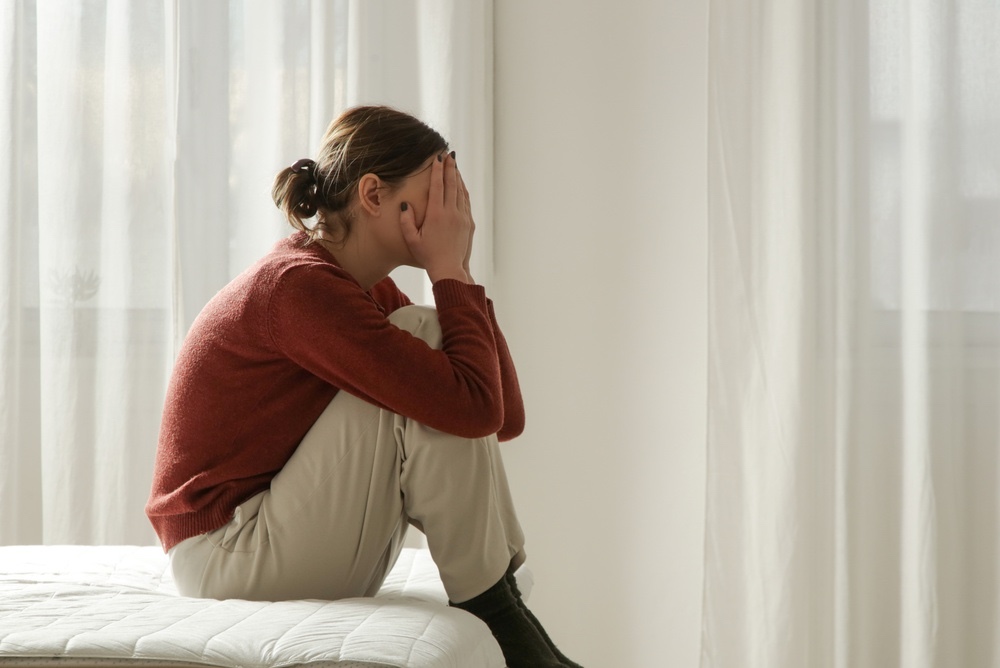
Even the youngest, most idealistic of us feel jaded, as if they’re surrendering their best years by shouldering so much unnecessary stress. “I’ve seen so many teens my age completely accept that we have to live in this reality where we have to be resilient, that our life choices now revolve around it. Imagine, a whole generation of kids automatically knowing they have to bear the burden? When did life just become about surviving, instead of really living?” says junior high school student Kirsten.
Law student and mother Angel agrees, pointing out that resilience is simply “burnout with good PR: It’s what we’ve been forced to endure to survive in this country.” Monique from the development sector, on the other hand, says that it’s harder to enter this mindset, “because you never know when the situation will end.”
True enough, how much longer will we have to cut costs and endure band-aid solutions? What kind of help can we expect from public officials who seem to lack empathy when their realities are so removed from ours?
Bries emphasizes that in sociopolitical crises such as this, it’s important to remember that we can only do so much on our own. “Our best course of action is twofold: to care for our fellow citizens, but to also rely on our collective strength to urge the government to do as it should for its citizens.”
For Dennis Coronacion, chair of the University of Santo Tomas’ political science department, this means “demanding the repeal of the oil deregulation law, and pressuring officials to move quicker in mitigating the adverse impact of this crisis.”
On a personal level, I wish I could offer solutions, but all I can give is a change in perspective. There is some truth to the resilience narrative, but we fall into the trap of romanticization. Yes, we have managed to make ends meet despite having very little, like we’re divinely protected by the universe. But imagine what we can achieve for ourselves, our loved ones, and our country if we had access to what we truly deserve, and if those who promised to help us fulfilled their end of the deal.
Generations by Angel Martinez appears weekly at PhilSTAR L!fe.

WATCH: Can we talk about death and grief? (Generations Ep. 25)
October 14, 2026