What songs would Bob Dylan write about the Philippines today?
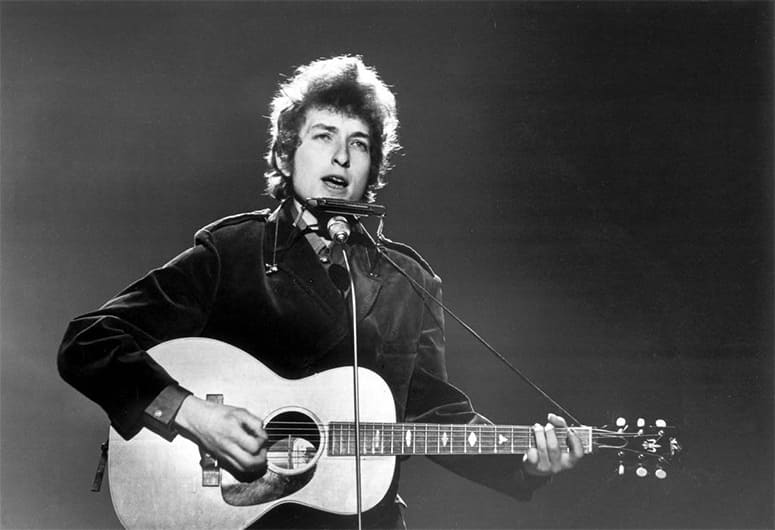
Today, May 24, the wandering troubadour Bob Dylan turns 85 years old, still wearing the invisible crown of the world’s most enigmatic protest poet.
He won the 2016 Nobel Prize for Literature not because he sang prettily, but because he taught humanity that songs could punch lousy politicians, embarrass warmongers, expose hypocrites, and still sound beautiful beside a lonely highway.
Though not of my generation, I know his immortal anthem Blowin’ in the Wind, whose questions still flutter through the air like escaped birds from history’s burning cages.
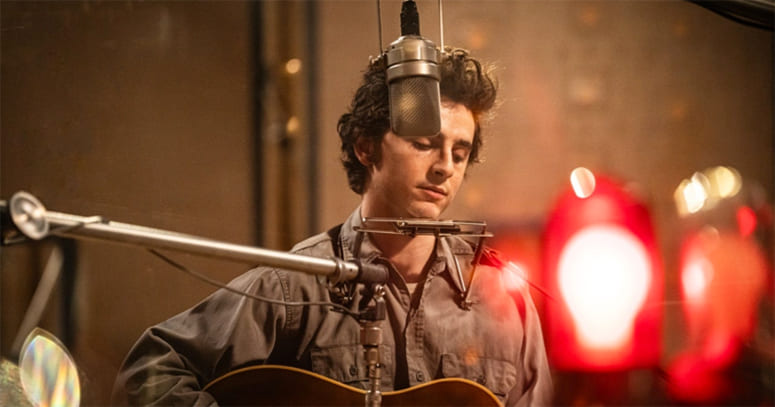
My renewed fascination with Dylan came after watching the acclaimed 2024 biographical film A Complete Unknown, where the gifted young actor Timothée Chalamet brilliantly portrayed the young Bob Dylan—restless, rebellious, elusive, forever escaping labels like a poet running away from his own shadow.
The film reminded younger generations that Dylan’s songs were not entertainment alone, but thunderstorms disguised as folk music.
And if Dylan ever wandered into today’s Philippines—perhaps aboard a rusty jeepney driven by Colombian novelist Gabriel García Márquez while José Rizal sold taho beside Quezon Boulevard—what songs would he write?
Surely not love songs to empires.
Certainly not jingles for smug, corrupt politicians.
And surely not hymns praising nations that treat the Philippines as either a military outpost, geopolitical chessboard, or obedient pawn.
Perhaps Dylan would smile approvingly upon those rare Americans over a century ago who genuinely defended Philippine independence — great humorist Mark Twain, who condemned America’s bloody conquest of the Philippines, and self-made steel tycoon-philanthropist Andrew Carnegie, who reportedly even offered money so his country would grant the Philippines freedom instead of buying it from Spain for $20 million.
Dylan might write a new anthem that goes: How many bases must rise by the sea, before a small nation is finally, truly free?
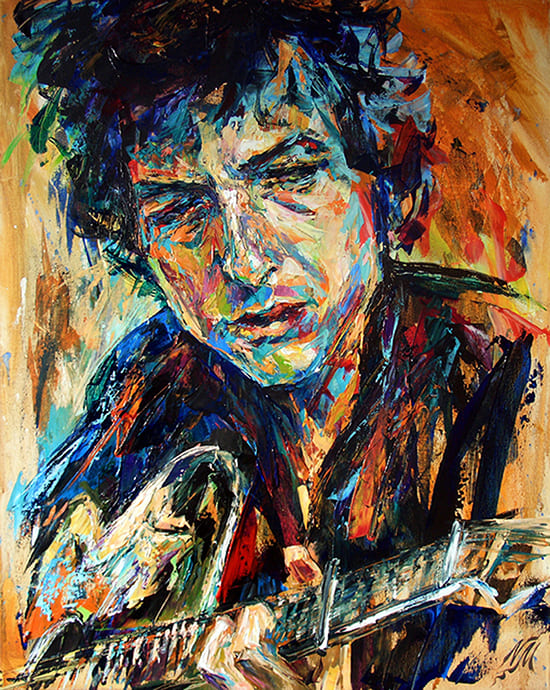
For Dylan’s genius was never blind nationalism. His songs distrusted empires of every flag and color. If he visited Manila today, he would probably reject cynical superpower strategic rivalry in our region and politicians who loudly echo bellicose rants. He would most likely uphold a demilitarized, neutral and nuclear-free ASEAN.
Dylan might compose ballads pleading for something almost revolutionary in our confused century: a Philippines not militarily aligned to Washington, not to Beijing, not to newly assertive Tokyo, but fealty only to national interests of Filipinos, and of course, staunchly anti-war.
Perhaps he would perform at Kamuning Bakery Café’s “Pan de Panitikan,” where poets now regularly gather like rebellious fireflies in an age addicted to TikTok vanity, fake news factories, and politicians behaving like celebrity influencers auditioning for reality television.
At 85, Bob Dylan remains proof that songs can outlive presidents, lousy politicians, oligarchs, trolls and empires.
Imagine Dylan sipping Benguet brewed coffee while listening to poetry readings by Singapore Ambassador Constance See, Pete Lacaba, Dr. Michael Coroza, Dr. Vim Nadera, Eric Valles, Nestor Cuartero, Ron Canimo, Regina Amit, and other literary dreamers tossing poems into the humid Quezon City evening.
The bakery walls themselves might suddenly begin singing.
Imagine whispered verses from Rizal, Li Po and Neruda.
The ghost of revolutionary and poet Andres Bonifacio emerging, grumbling that Philippine politics has become “a circus operated by clowns who misplaced not only the elephants, but also the national budget.”
Meanwhile, young revolutionary Emilio Jacinto might quietly transform angry Facebook rants into poetry.
For many revolutionaries in world history were poets first.
Jose Rizal wrote novels sharper than swords.
Andres Bonifacio wrote fiery verse.
Emilio Jacinto carried both pen and bolo.
Vietnamese freedom-fighter Ho Chi Minh wrote poems in prison.
Chilean poet Pablo Neruda transformed love and revolution into twin languages of longing.
Perhaps poets become dissidents because poetry itself is rebellion against mediocrity. Poems refuse to accept the world as it is. Poems are illegal immigrants from a better future.
And the Philippines desperately needs such fearless and passionate dreamers today.
For ours is a nation drowning in karaoke talent yet starving for moral music.
We produce singers by the millions, but too few songs challenging colonial mentality, corruption, historical amnesia, environmental destruction, and the toxic vanity of political dynasties perpetually squabbling like feudal royalty fighting over a leaking palace during monsoon season.
Maybe Dylan would ridicule our toxic and spectacularly corrupt politics through surreal lyrics:
Congressmen dancing in imported shoes,
While floodwaters campaign door-to-door.
Or:
Senators smiling from giant billboards,
While farmers vanish like forgotten chords.
Yet Dylan’s songs were never purely cynical. Beneath the sarcasm lived stubborn hope.
That same hope survives in today’s Filipino poets, teachers, musicians, independent journalists, idealistic students, honest MSME entrepreneurs, and cultural workers—including the Constantino Foundation’s republication of the A Past Revisited books of the late nationalist historians Renato and Letizia Constantino, who long warned Filipinos about the prison of colonial mentality.
For perhaps the greatest colonizer is no longer foreign troops.
It is surrender of the imagination.
And maybe that is why poetry still matters.
Because every poem is a tiny declaration that human dignity cannot be fully conquered by greed, algorithms, propaganda or fear.
At 85, Bob Dylan remains proof that songs can outlive presidents, lousy politicians, oligarchs, trolls and empires.
The answer, my friend, is still blowin’ in the wind.