

Every working K9 has served, but not every story is seen
In 2014, what started as a simple dream among family became something more, driven by a choice to see what others didn’t do for dogs.
We see them outdoors when they’re on duty, mostly with their human handlers. They are trained to detect danger before it happens: sniff out explosives, search through rubble, and stand guard in places people will never see. In the Philippines, military and contractual working dogs are deployed on the frontlines of security and disaster response, often putting their lives on the line in quiet, unrecognized ways. But when the work ends, so does the attention.
Behind every K9 is a story that rarely makes it into public view. In a country already struggling with an overwhelming animal welfare crisis, these working dogs become part of a reality people would rather not confront. This is where Hound Haven Philippines steps in, not just as a shelter, but as a space where these stories are finally seen and where military working dogs can have a safe place to retire.
Unlike active K9 units that receive funding and structured care, retired dogs are often deprioritized. As Max Arcebal, CEO and co-founder of Hound Haven Philippines, puts it bluntly, “When a dog retires, the budget no longer prioritizes them.” The result is a deafening truth, and many spend the rest of their lives in cages with minimal exercise and limited human interaction.
This is the gap that Hound Haven stepped into.
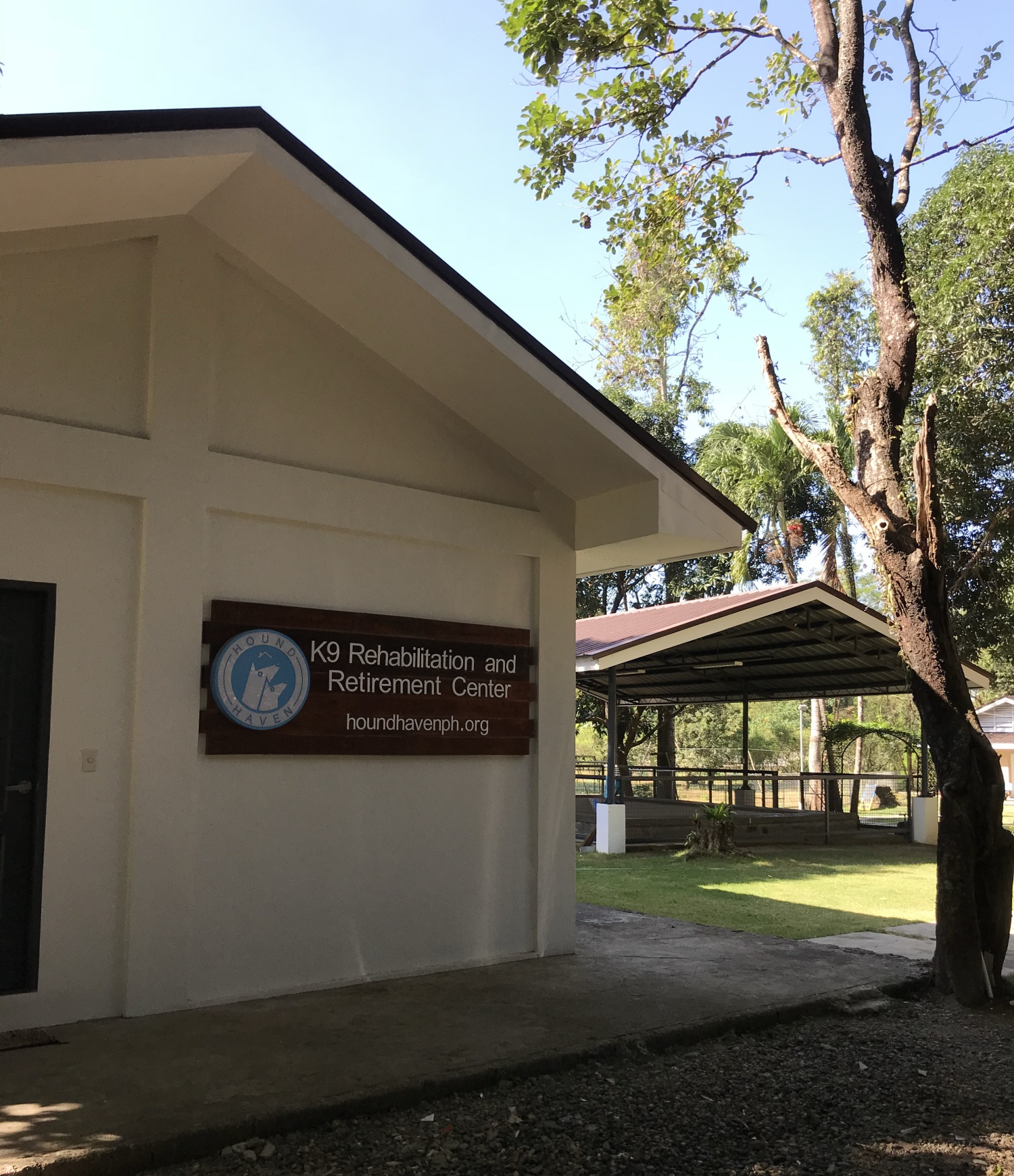
Founded by Max Arcebal Isidro and Chelsea Roman, together with their family—who are strong animal welfare advocates as well—Hound Haven is the first and only organization in the Philippines dedicated to the rehabilitation of retired military and contractual working dogs. What began as a general vision to build a shelter for stray animals evolved into something more specific and urgent. “We realized working dog welfare is a pretty niche aspect of the entire animal welfare movement,” Max shares. “But it’s unaddressed. There are no policies, no organizations, (and) not a lot of advocates, too. So we thought, why not focus on this one aspect?”
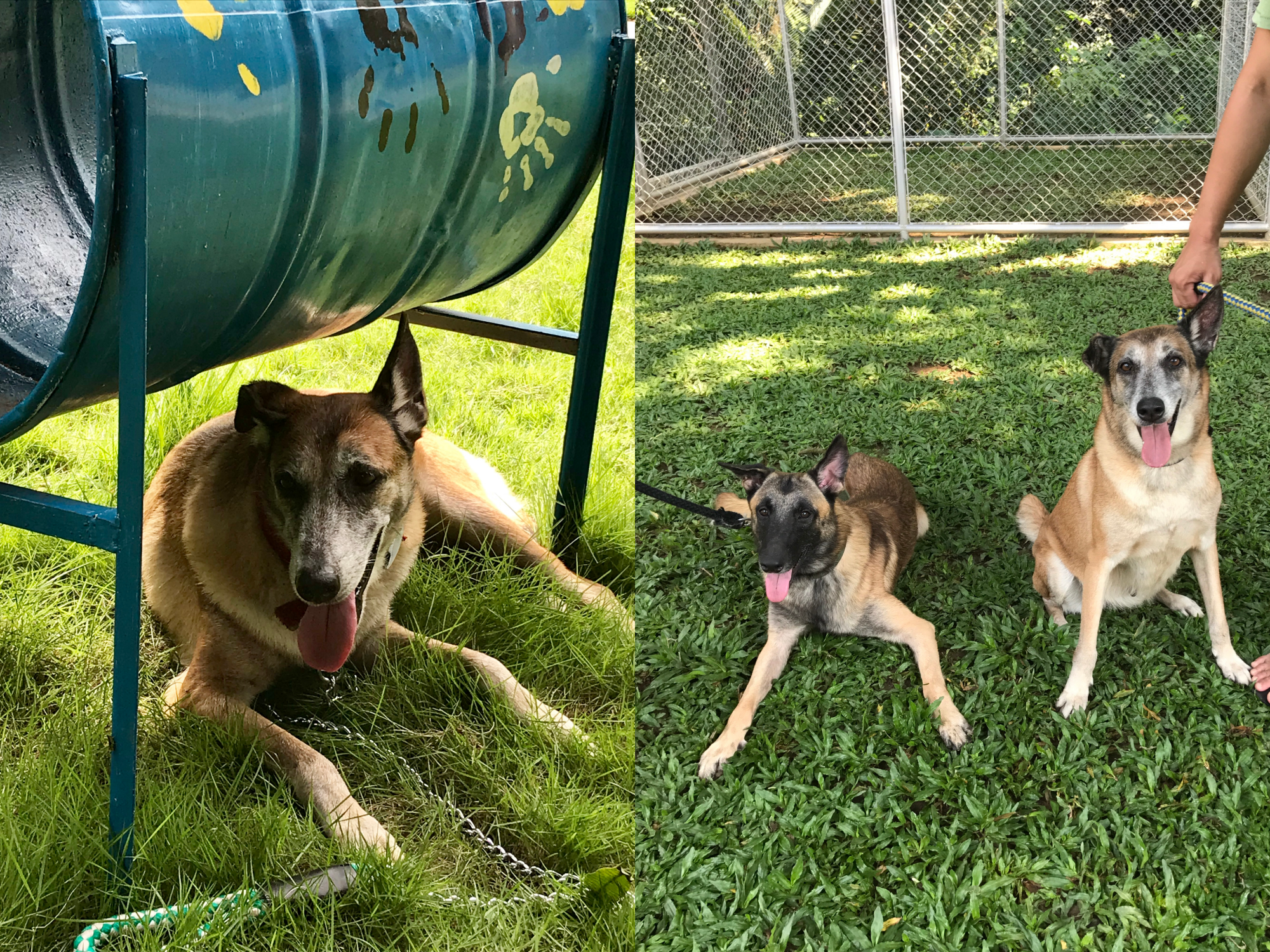

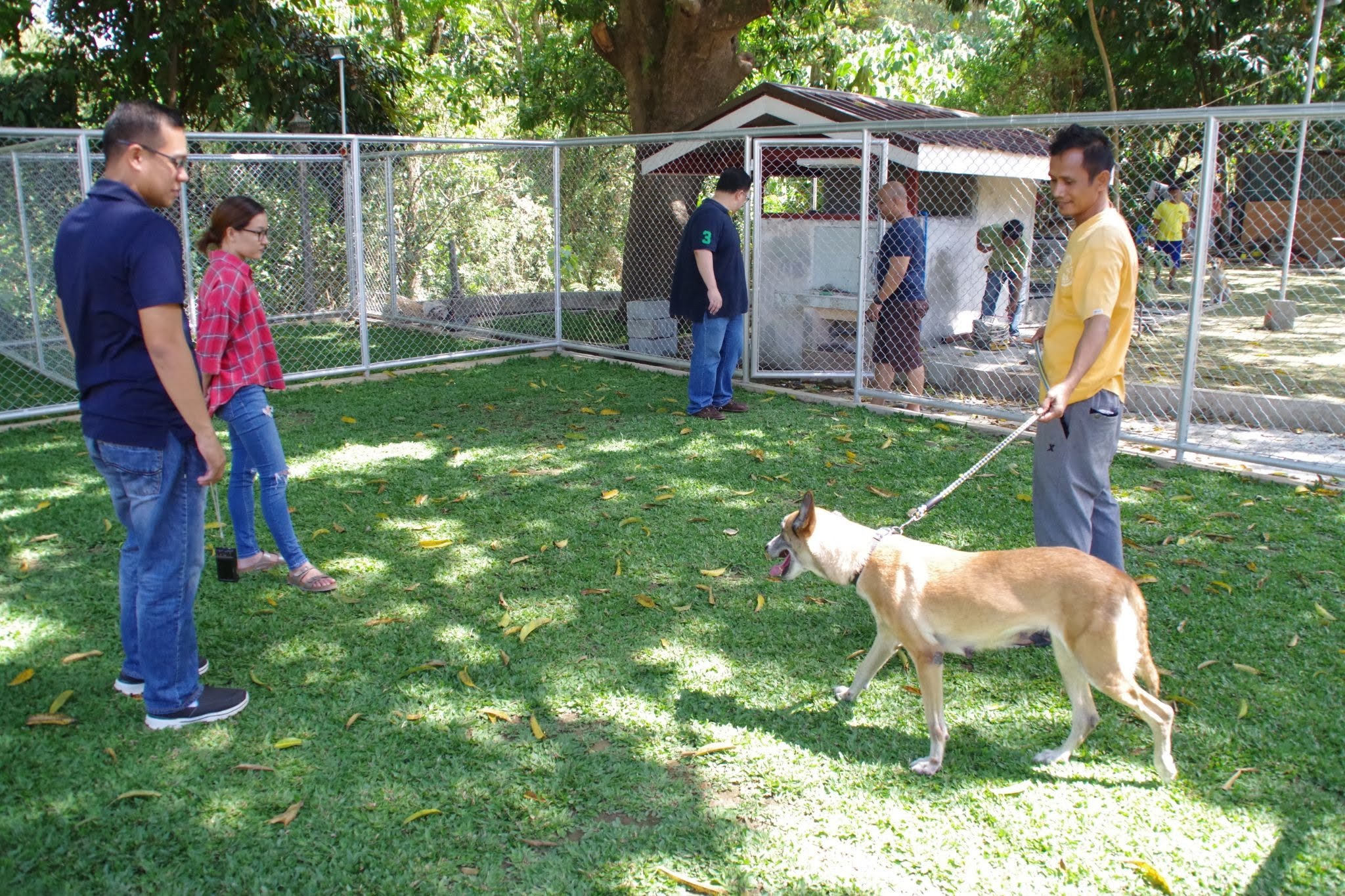
Since opening its doors in Angat, Bulacan, in 2017, Hound Haven has changed what retirement looks like for these dogs. Each dog undergoes a two-week observation period, where their physical condition, behavioral tendencies, and emotional triggers are assessed. From there, a personalized rehabilitation plan is created, spanning medical care, behavioral training, and physical recovery.
“No rehabilitation program is the same,” Max explains. “Some (dogs) adjust right away. They like humans, and they like being around other dogs. Some, especially those with post-traumatic stress disorder, require more work in terms of socialization. We’ve had some dogs who were part of the Marawi siege, so they were kind of reactive.”
The most challenging aspect is helping dogs adjust to being part of a family and feeling comfortable in a home setting. This is where the real work begins. “They've only been in their kennels. Sometimes they're in the barracks, or wherever their handlers are stationed, but they've never been in a home environment.” Max shares. They’re used to structure, hierarchy, and a handler-dog dynamic that defines their daily lives. Transitioning them into a family environment where they are no longer “working” but simply existing requires consistency, patience, and care. The goal is simple yet profound: to help them understand that they are no longer tools of service, but companions.
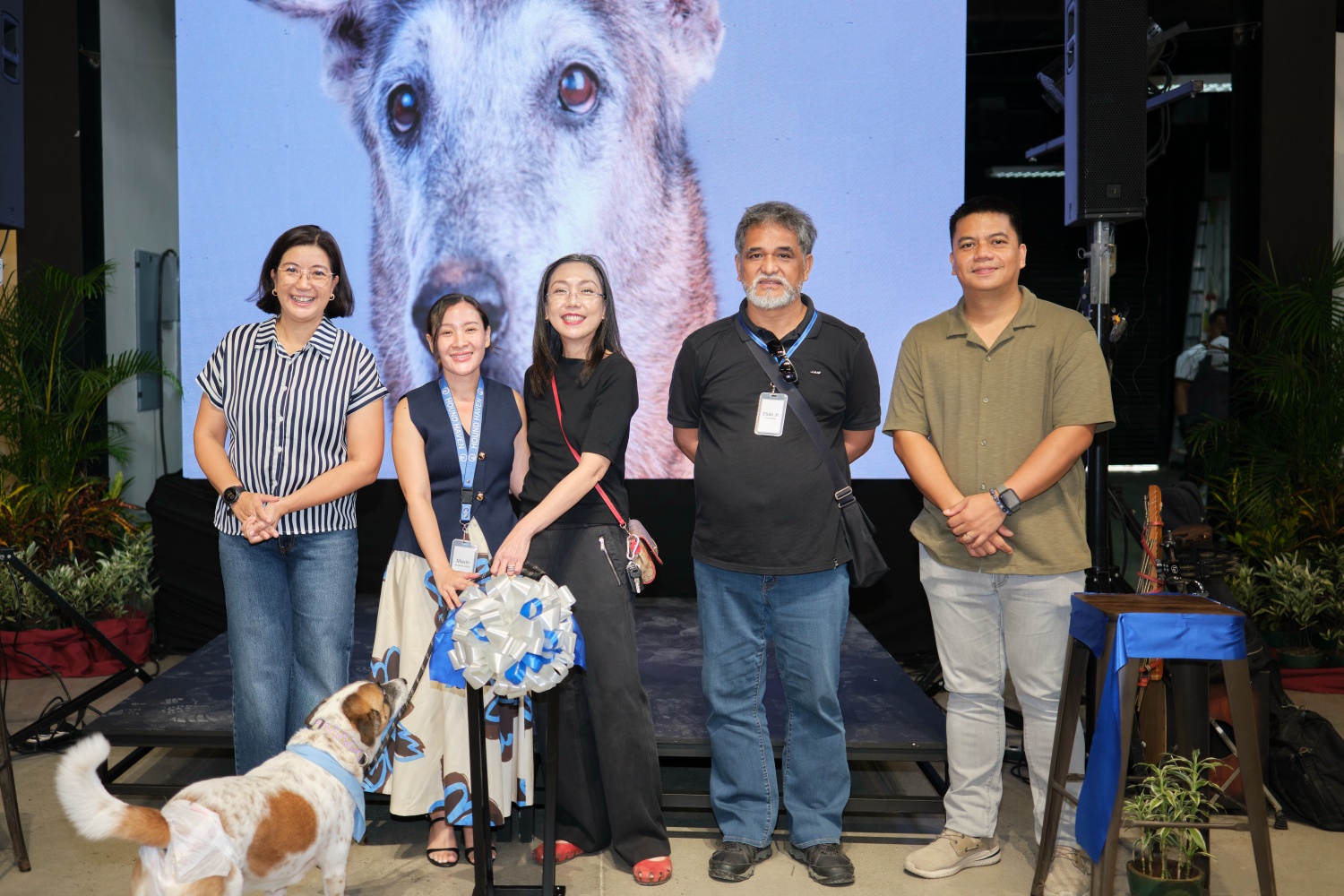
Beyond the dogs themselves, organizations like Hound Haven are slowly reshaping how people perceive animal welfare.
There is a common misconception that rescue work is as simple as responding to every call for help. But for NGOs operating with limited manpower and funding, every decision is a matter of capacity. “If we take in this dog, can we give it the care it deserves?” Max says. “Or are we just putting it into another kind of hell because we don’t have the resources?”

It’s a difficult balance. It reveals a larger truth: animal welfare in the Philippines is not an isolated issue, but a systemic one. It requires collaboration across organizations, stronger policies, and a shift in the public mindset from passive concern to active responsibility. And yet, even with progress—like the 2021 Commission on Audit circular mandating the retirement and adoption of government service dogs at eight years old—there are still stories that remain overlooked. Because every retired working dog carries one.
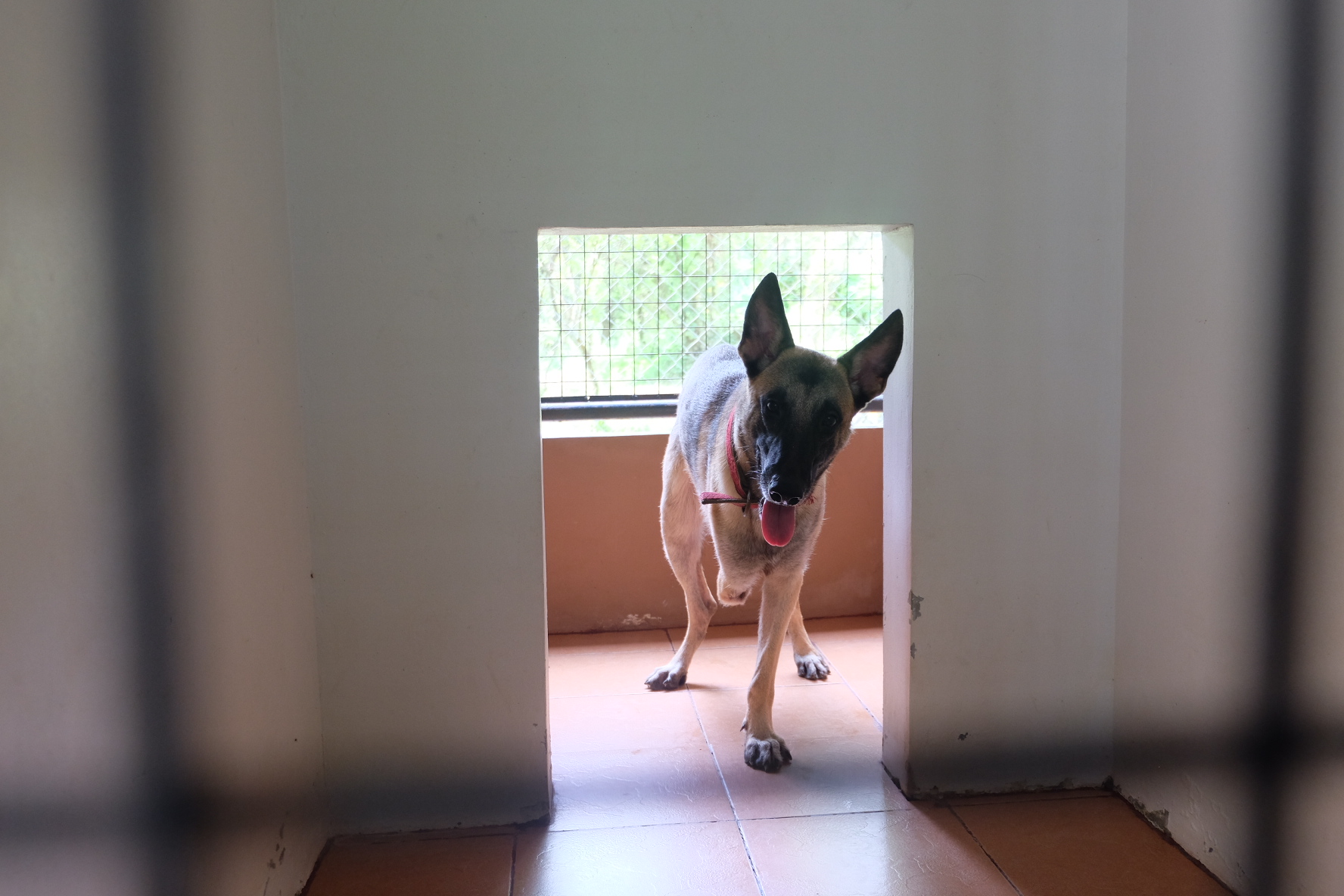
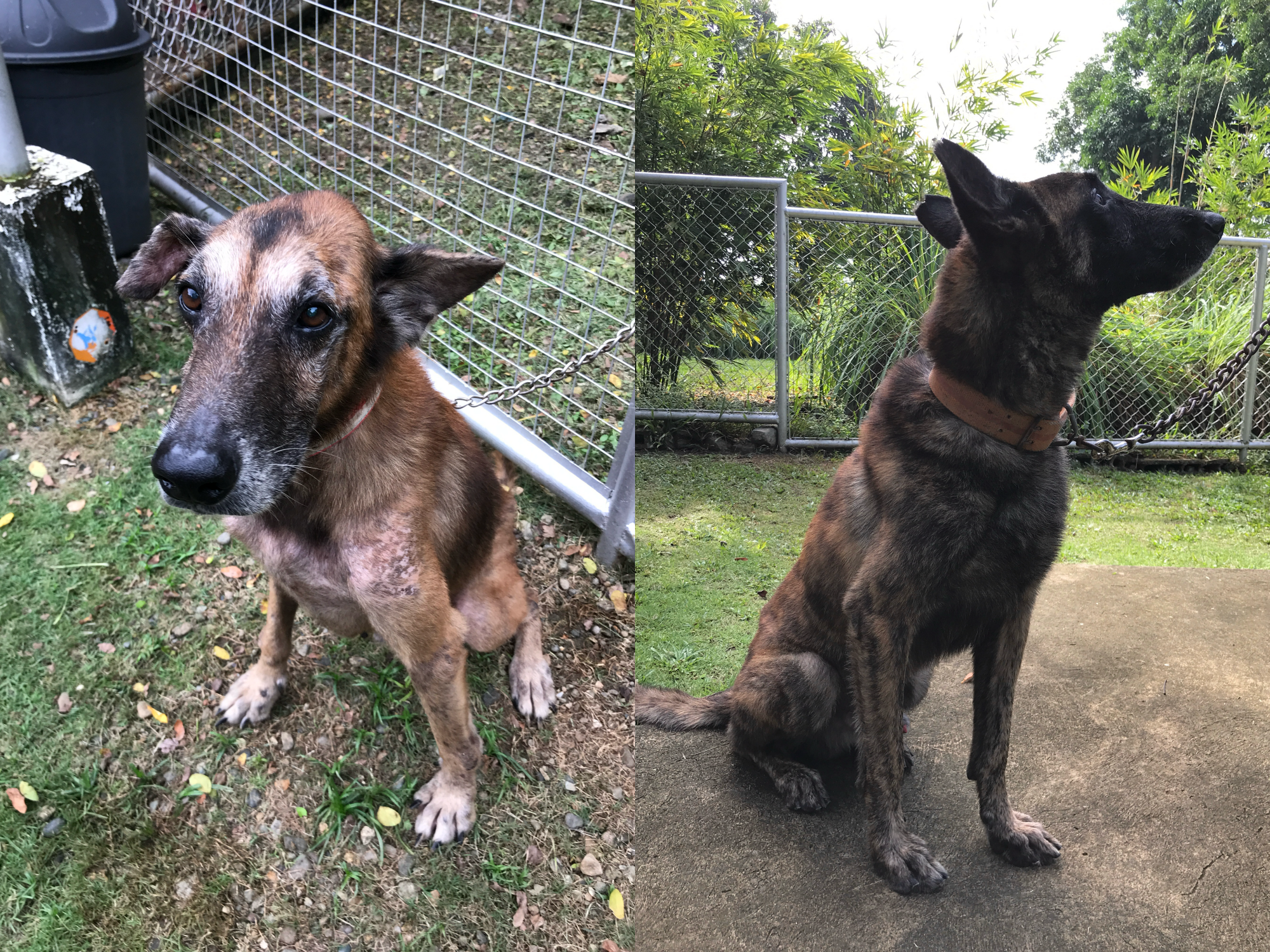
Some of these stories are physical. Dogs like Lotto, who arrived at Hound Haven recovering from surgery, are learning to move again on three legs after being medically retired due to an unfortunate training accident. Others are emotional, especially those who came from different operations that still carry the invisible weight of past assignments.
Some stories are harder to tell. “There were times when we’ve had to put a dog down,” Max shares. “And even if we’ve done it a few times, it never gets easy.” These decisions are made collectively, carefully, always with the dog’s dignity in mind. Because sometimes, the truth of rescue work is not just about saving lives, but knowing when letting go is the most humane choice.
Even the “happy endings” are layered with complexity. Adoption, often seen as the ultimate goal, is bittersweet for the team. “They feel like they’re our dogs,” Max admits. “And then you realize—they’re not. You have to let them go.” But in letting go, there is also fulfillment. Many adopters stay connected, forming a close-knit community that continues to honor each dog’s journey.
Despite spending most of their time on duty, these working dogs are still carefree and like to play around. “They’re sensitive, they’re loyal, they’re goofy. They require the same things any pet does: family, home, human connection,” Max says. Their service does not define the entirety of their existence. It is only one part of a life that deserves care beyond duty.
So what happens after they’ve “served their purpose”?
Max challenges the premise itself. “I don’t see their purpose as just serving us,” she says. “Even after a lifetime of service, we still need to give back to them. And that involves giving them home, giving them dignified passage, honoring them for the sacrifices they've made.”
That “giving back” does not always have to be grand. It can take many forms, like donating, volunteering, visiting shelters, or simply choosing to be more aware. As Max emphasizes, helping does not begin and end with animal welfare work. It begins with recognizing what is within our capacity and choosing to act on it.
Because the truth is already there.
It exists in the cages, the slow recoveries, and the dogs learning—sometimes for the first time—what it means to be part of a home. The question is whether we are willing to see it. And more importantly, what we choose to do once we do.
At the end of the day, these dogs are still just dogs.
***
Follow Hound Haven on Instagram and visit its website to be a part of giving these K9 heroes the life they deserve.
