The Maison looks to the past to reveal the future
In a global context shaken by ecological crises, overconsumption and homogenization, Maison & Objet in Paris proposes design that is lived-in and meaningful—by looking to the past to reveal the future.
Furniture, for example, draws from its roots, rising anew at the crossroads of tangible materials and contemporary form to explore new fields of expression. Furnishings are no longer a mere succession of pieces; they continue a tradition of knowledge, craft and memory while looking towards new possibilities. Historical references are reinterpreted through a contemporary lens to create forward-thinking aesthetics.
Emphasizing the tactile qualities of noble materials, celebrating the mastery of exceptional craftsmanship, and embracing responsible innovation, the premier trade show identified four trends that embody this meaningful theme:
Metamorphosis
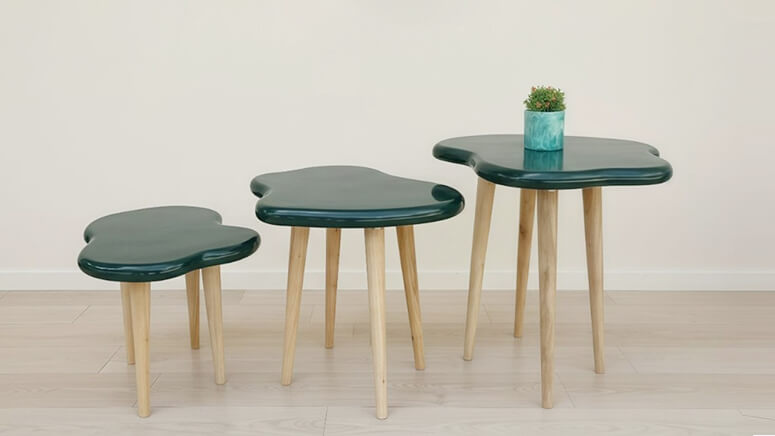
Tables made from recycled waste by Nature’s Legacy at Design Philippines. Photo from @natureslegacyinc
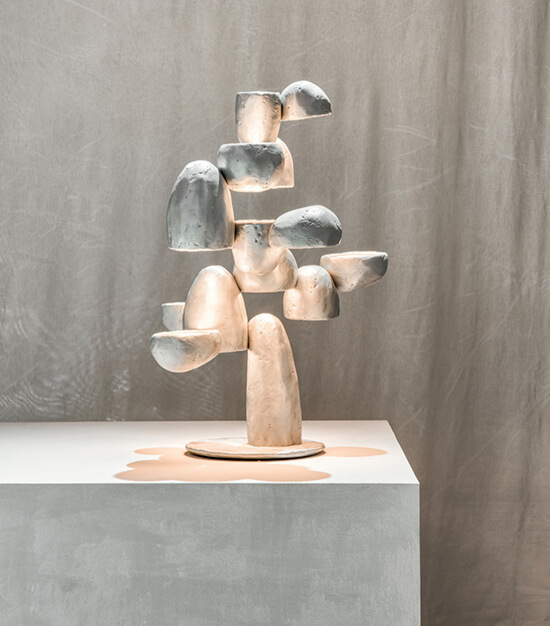
Sculptural piece from Curatio Photo from @curatio
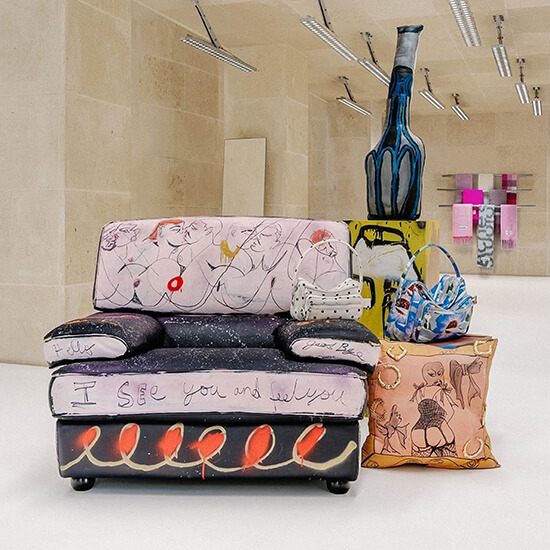
Transformed armchair and accessories Photo from @maisonetobjet
Tables made from recycled waste by Nature’s Legacy at Design Philippines. Photo from @natureslegacyinc
Sculptural piece from Curatio Photo from @curatio
Transformed armchair and accessories Photo from @maisonetobjet
CLOSE
Metamorphosis is driven by a global upcycling momentum where nothing is discarded—everything is transformed. As objects change shape, so do their function and meaning. Daily discards and humble materials are reimagined, elevating them into new totemic objects that are emotional and symbolic, showing visible traces of transformation—layered materials, patchwork, or hybrid textures that carry a story of their past life. Components include reclaimed wood, metal, glass, textiles; hybrid materials (old + new technologies); sculptural furniture made from reused components; raw textures and visible repairs or modifications; and objects with artistic, assemblage-like compositions.
Mutations
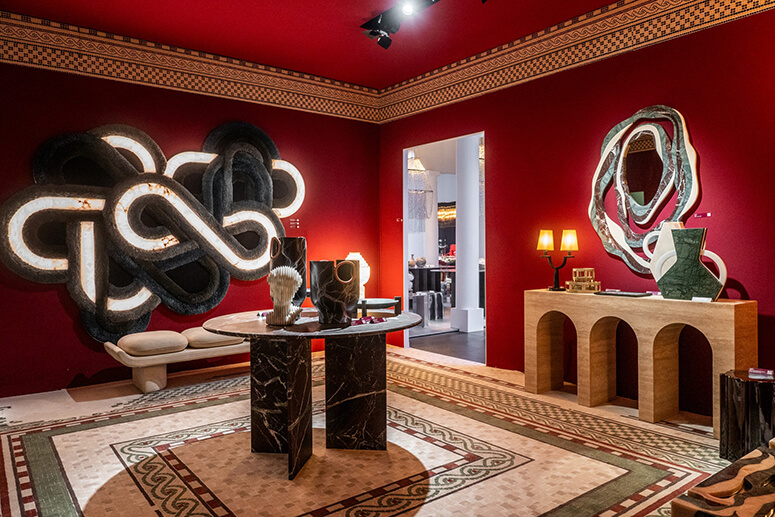
Organic meets traditional with innovation Photo from @maisonetobjet
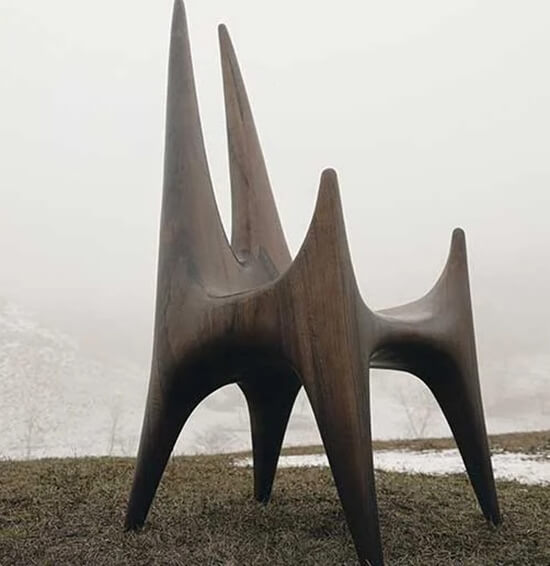
Voron Chair by Tetiana Krasutska Photo from @maisonetobjet
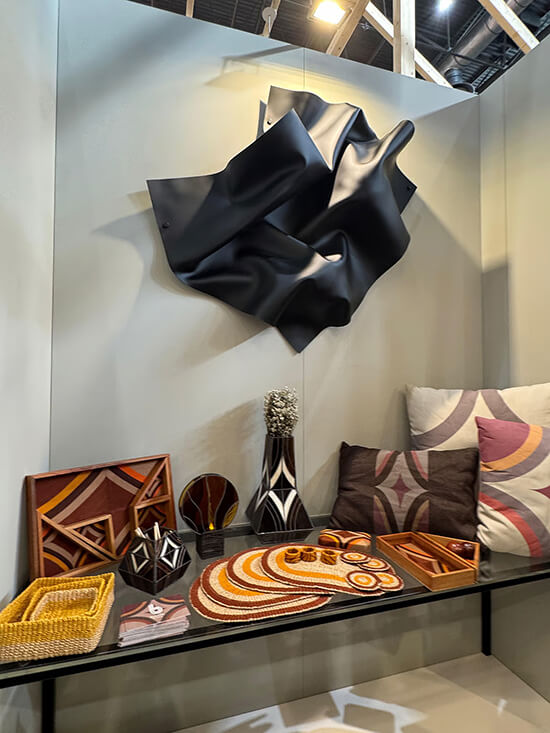
Design Philippines setting Photo from @fameplus
Organic meets traditional with innovation Photo from @maisonetobjet
Voron Chair by Tetiana Krasutska Photo from @maisonetobjet
Design Philippines setting Photo from @fameplus
CLOSE
In Mutations, design is seen as something constantly evolving—just like living organisms. The organic meets ancestral gestures and innovative techniques to create poetry, leaving space for creative fragility while giving humanity a voice in creation. By blending digital design with craft, unexpected shapes are formed. Using transparent, reflective, resin-like, 3D-printed, or digitally fabricated materials, the resulting pieces appear liquid, melted, or morphing, and look almost biological or futuristic.
Revisited baroque
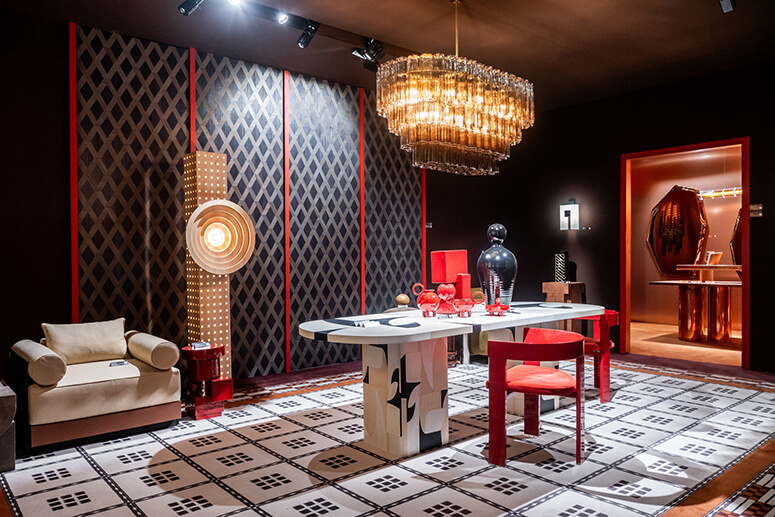
Neo-Baroque setting Photo from @maisonetobjet
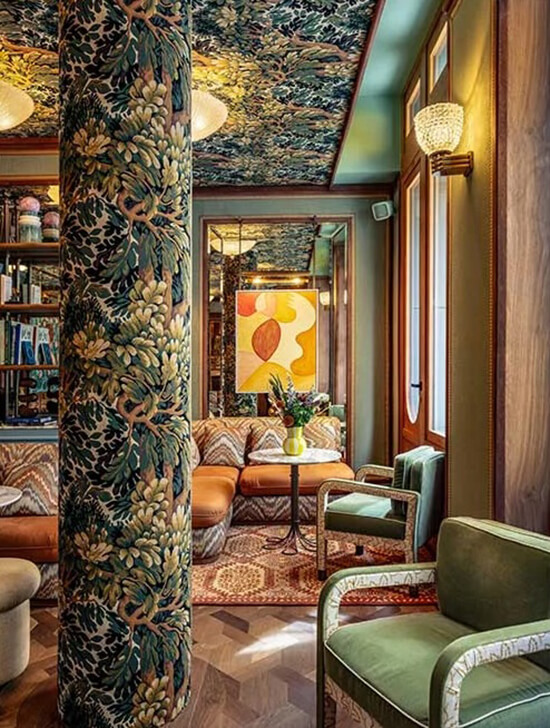
Recomposed Baroque interiors Photo from @jeromegalland
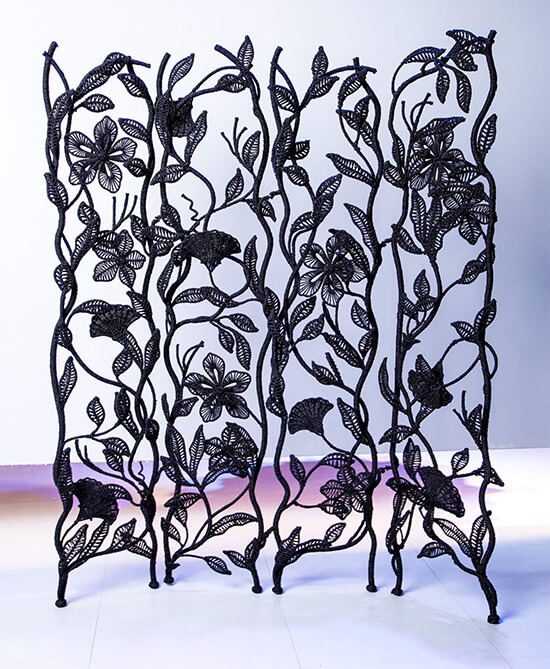
Screen by Finali at Design Philippines Photo from @fameplus
Neo-Baroque setting Photo from @maisonetobjet
Recomposed Baroque interiors Photo from @jeromegalland
Screen by Finali at Design Philippines Photo from @fameplus
CLOSE
Baroque is back, but not as we knew it. Carried by a new generation of artisans who challenge conventions and evolve craftsmanship towards a more contemporary approach, it leans toward a refined version of theatricality characterized by reinterpreted classic ornamentation, rich textures, dramatic interiors, and bold decorative statements. Colors are deep burgundy, gold, emerald and midnight blue. Furniture is sculptural, and decorative pieces are oversized. This look is distinguished by curved lines, carvings and dramatic lighting.
Neo-folklore
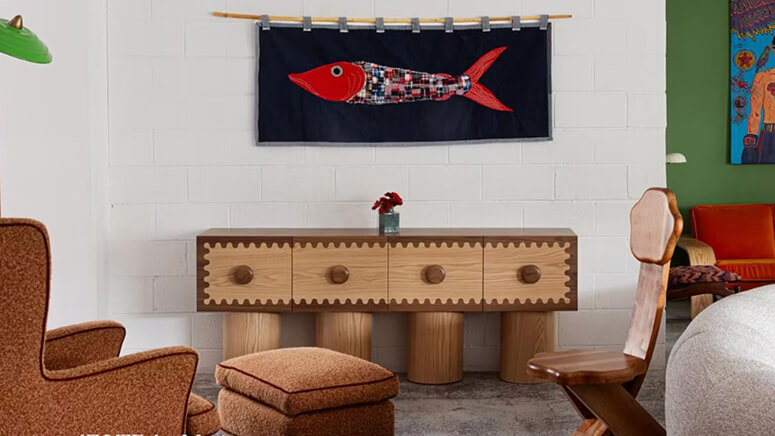
Neo-Folklore interiors Photo from @maisonetobjet
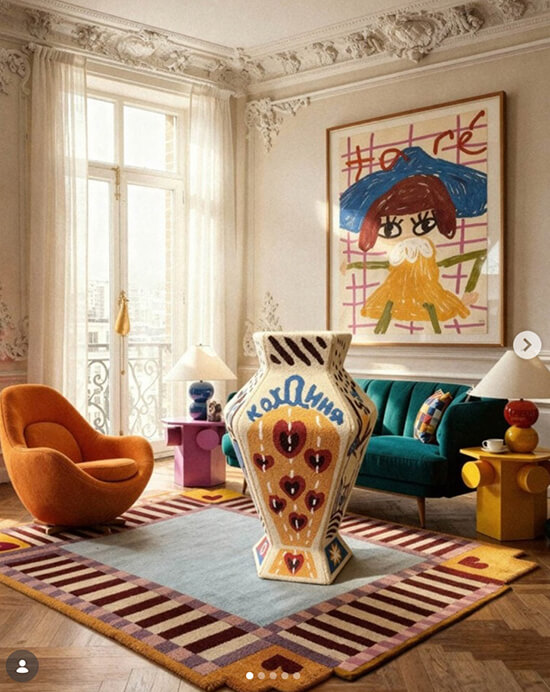
Love Floor Vase by Ukrainian designer Maryna Pupcha in a neo-folklore setting Photo from @maisonetobjet
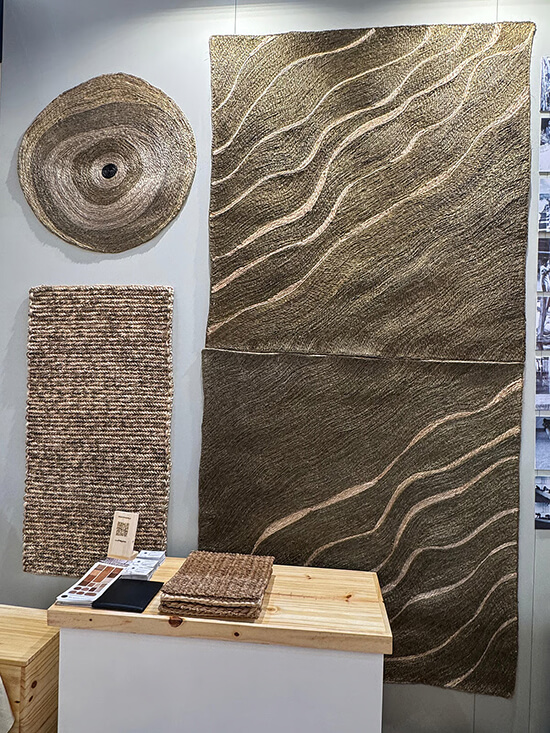
Handwoven wall décor at Design Philippines Photo from @fameplus
Neo-Folklore interiors Photo from @maisonetobjet
Love Floor Vase by Ukrainian designer Maryna Pupcha in a neo-folklore setting Photo from @maisonetobjet
Handwoven wall décor at Design Philippines Photo from @fameplus
CLOSE
Neo-Folklore highlights local traditions, crafts and cultural identity, reimagined for modern living. Reflecting the desire for authenticity, heritage and handmade design in a globalized world, traditional craft techniques are being revived, and design is employed for cultural storytelling. There’s a shift toward reinterpreting ancestral know-how, local stories and rural myths through a tech-forward lens, blending tradition with modern digital fabrication and new materials to create vibrant, narrative-driven and emotionally resonant spaces. A warm, earthy color palette dominates, while natural materials like clay, linen, wood and wool are highlighted, alongside tribal or folk-inspired patterns.