

Guangzhou: Where the world comes to shop
GUANGZHOU—Flying into this city’s airport from Shanghai, we were amazed by the technological advancements: how finding your flight gate and boarding time is as easy as showing your face in front of a screen that will spell everything out for you. And this wasn’t even the newly opened Terminal 3, former Senator Nikki Coseteng reminded our group, on the last leg of “The 3rd China Experience,” her project made possible with the support of Ambassador Carlos Chan, Larry Villareal and the Federation of Filipino-Chinese Chambers of Commerce and Industry, Inc. The $55 billion investment that has increased the airport’s capacity to 120 million passengers and 3.8 million tons of cargo has a smart virtual model running everything, predicting crowds and fixing problems before they happen—making it one the world’s leading aviation hubs and an integral part of the “Air Silk Road.”
This complements Guangzhou’s position as a major terminus of the Maritime Silk Road that runs through this city which has been a vital trading hub, facilitating the exchange of goods, ideas and culture for centuries. Known historically as Canton, it is also a major manufacturing center, hosting the biannual Canton Fair, one of the largest trade fairs where the world comes to order the latest products that consumers will be buying the following season.
Naturally, the city is a shopping haven with malls and wholesale markets that kept our group busy looking for the most current fashion, cosmetics, digital gadgets, home décor and food products.
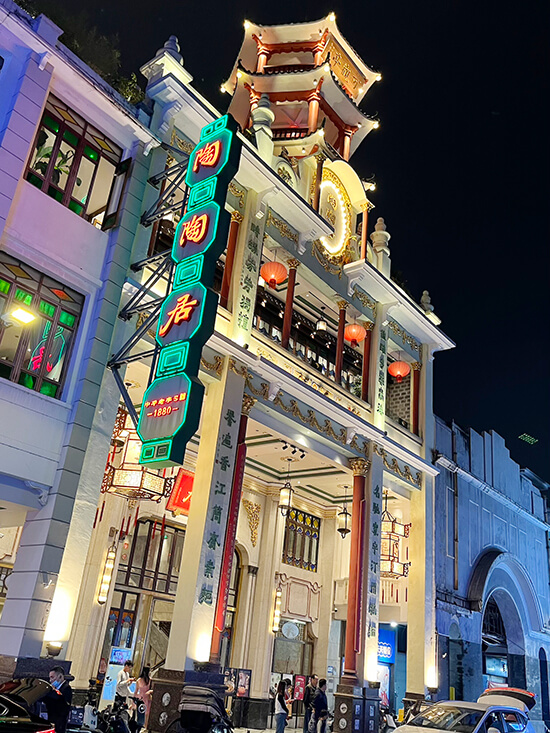
Guangzhou isn’t just glitzy malls and finance centers, however, having a history of over 2,200 years, with ancient relics of ceramics, bronzes, jade, calligraphy and paintings on view at the Guangzhou Museum; historic neighborhoods like the Yongqingfang district and Shamian Island, a former European Concession area with colonial architecture; a Cantonese Opera tradition at the Cantonese Opera Art Museum; and performing arts presented at the Guangzhou Opera House.
Iconic Buildings
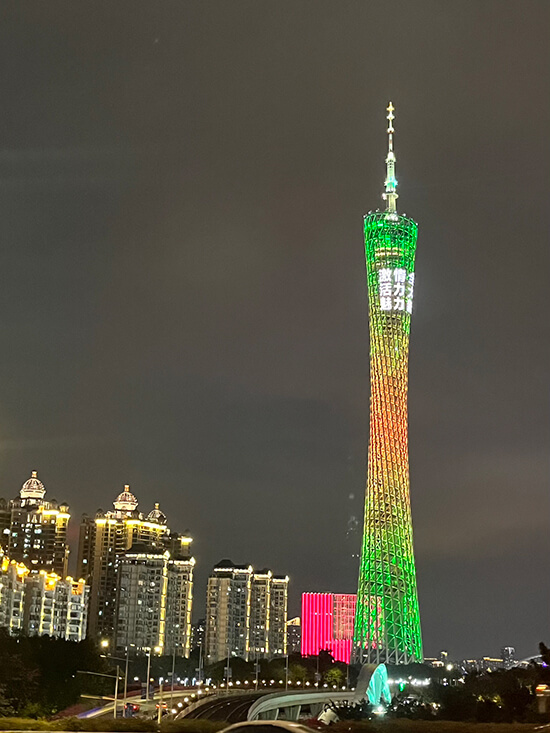
The Canton Tower, with its unique design of a latticed slim waist, has become a symbol of Guangzhou’s modern development, rising to 600 meters as the tallest in China and the third tallest tower in the world, offering multiple observation levels and entertainment facilities. It’s an impressive silhouette which we viewed from the riverfront where you can also see the picturesque Haixin Bridge, the first pedestrian landscape bridge across the Pearl River in the central business district. An impressive silhouette against the sky during the day, it transforms into a spectacular light show at night with ever-changing patterns and colors.
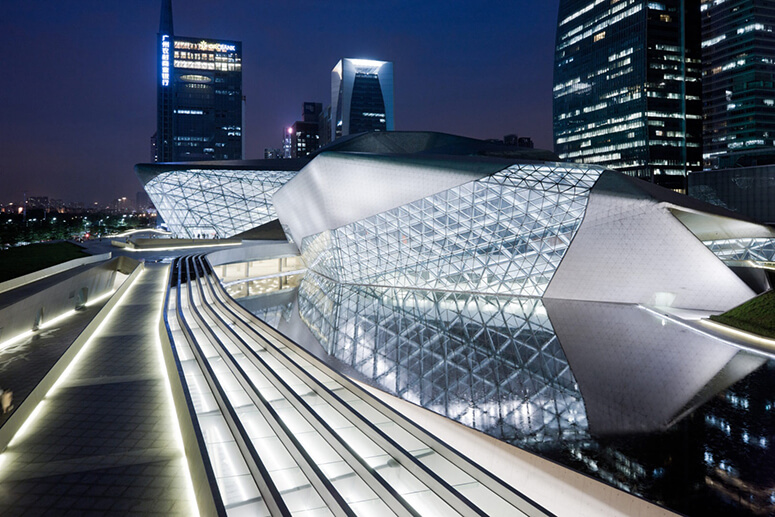
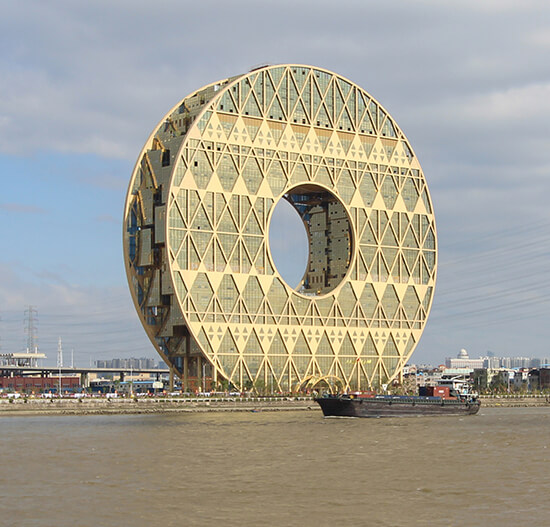
Guangzhou Opera house with its organic lines by Zaha Hadid and the jade disc-inspired Guangzhou Circle by Joseph di Pasquale add a cosmopolitan vibe to the city.
Historic Yongqingfang & Bruce Lee
CONTINUE READING BELOW

Our first stop in Yongqingfang, the historic district that was once a bustling commercial center during the Qing dynasty, was the ancestral home of Bruce Lee, the first global Chinese film star and cultural icon who broke racial barriers when he popularized martial arts in the West as an actor and filmmaker in the 1970s. Done in the three-bay, multi-courtyard Xiguan architectural style with grey brick facades, ornate wood carvings and stained glass windows, the house had exhibits that immersed us in his family history and career, as well as his martial arts techniques and teachings.
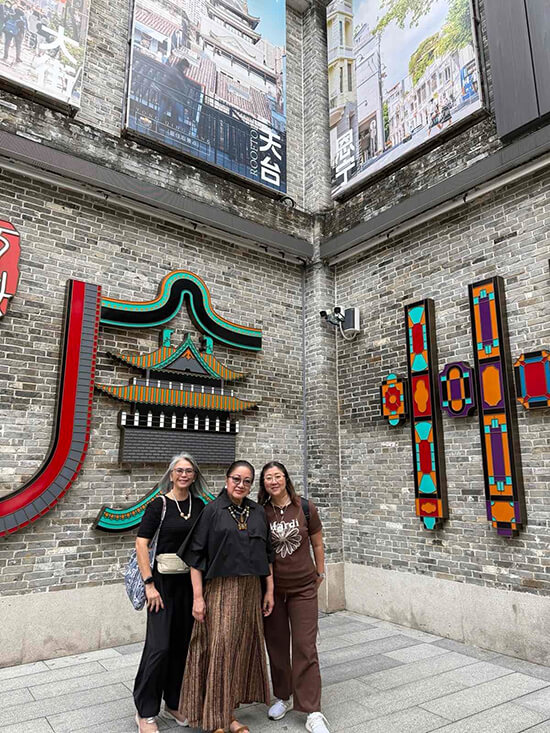
Walking towards Enning Road, we saw charming alleyways and canals with interesting craft shops that lead to the main avenue’s qilou arcaded buildings featuring more of the Xiguan style, preserved but repurposed for retail establishments and restaurants. Just as eye-catching as the walkways of columns, ornate facades, detailed carvings and colored windows were the merchandise from both traditional and modern shops.
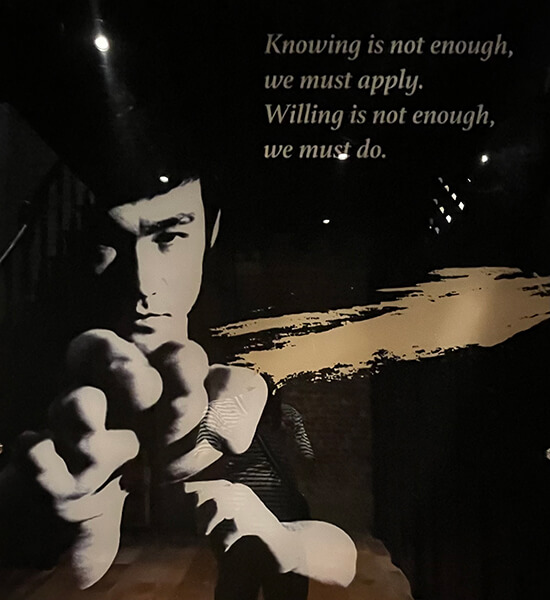
A Bruce Lee Poster in the exhibition
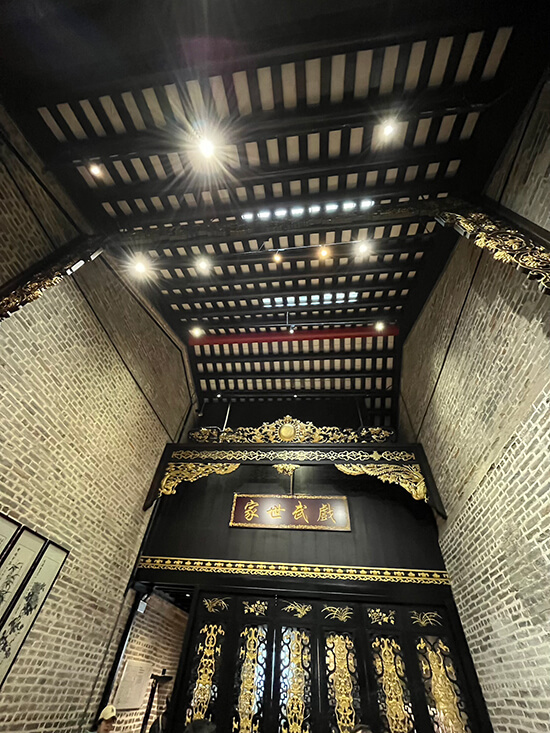
Interior of the Bruce Lee ancestral house
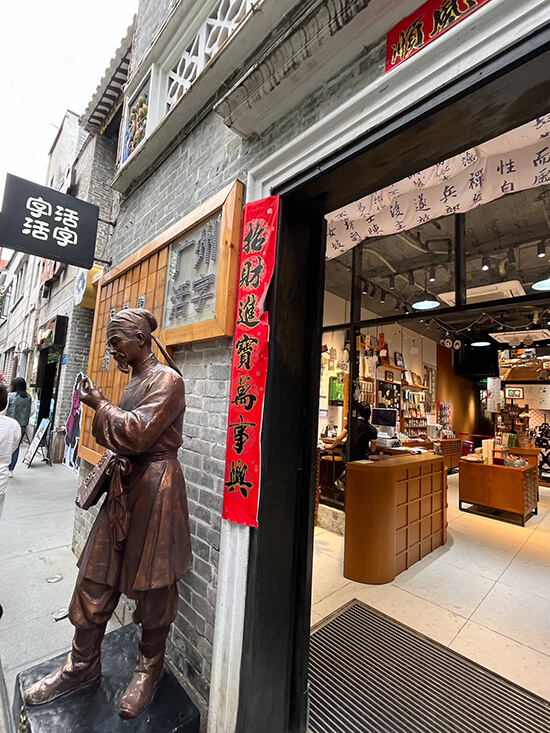
A shop in Yongqingfang
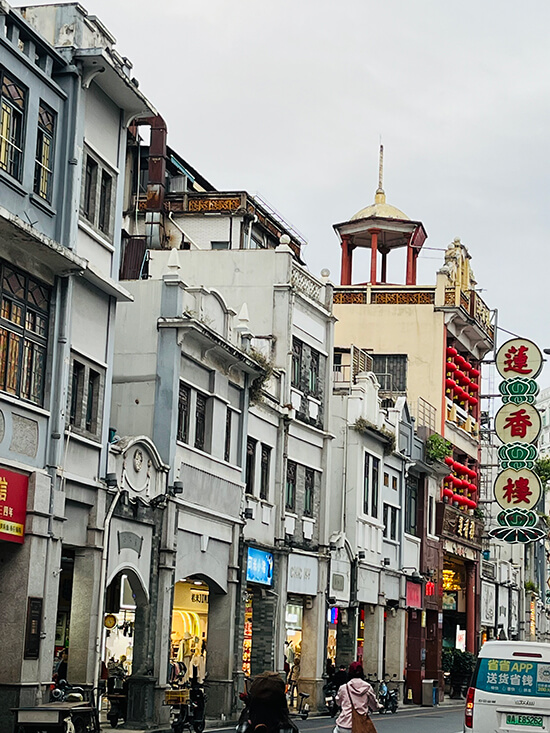
Enning Road shopping street
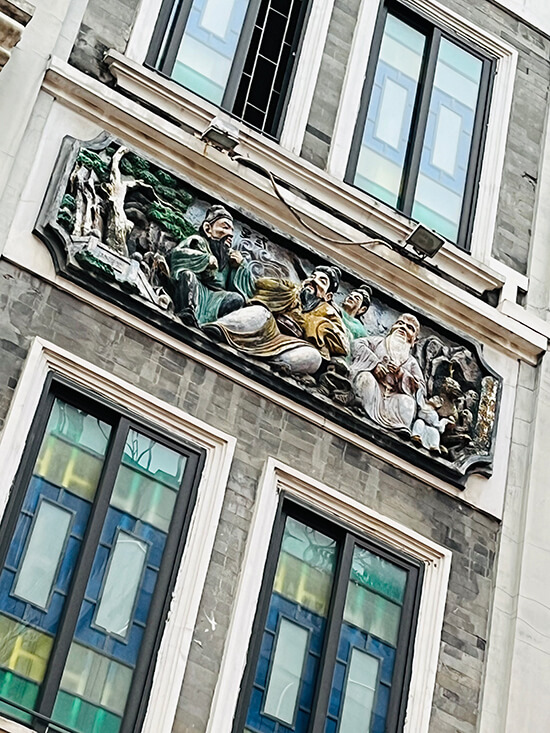
Detail of building on Enning Road
A Bruce Lee Poster in the exhibition
Interior of the Bruce Lee ancestral house
A shop in Yongqingfang
Enning Road shopping street
Detail of building on Enning Road
CLOSE
Safari In Asia
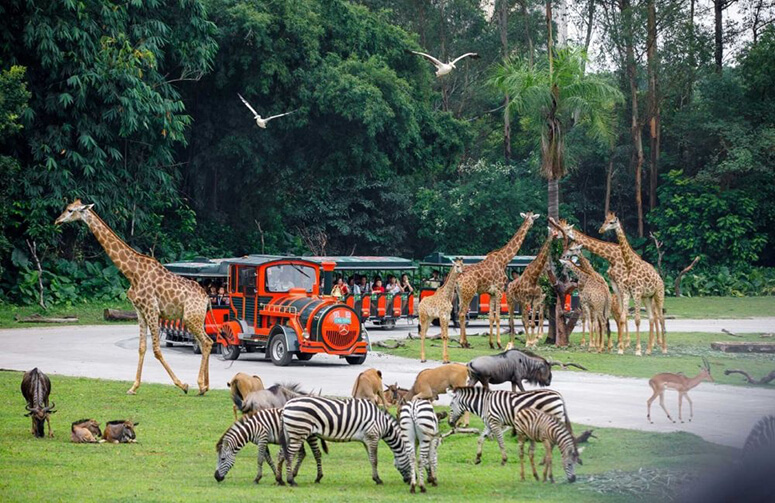
The first time we saw the Chimelong Safari Park we were simply amazed how they recreated an Africa Safari, just 17 km from the city, in expansive open spaces where all the animals that include African wildlife as well as pandas and other Asian animals are free to roam. They even have shows that are a delight for the whole family and a night safari for a different POV. The Chimelong Hotel on the grounds can make it a weekend holiday.
Shopping Frenzy
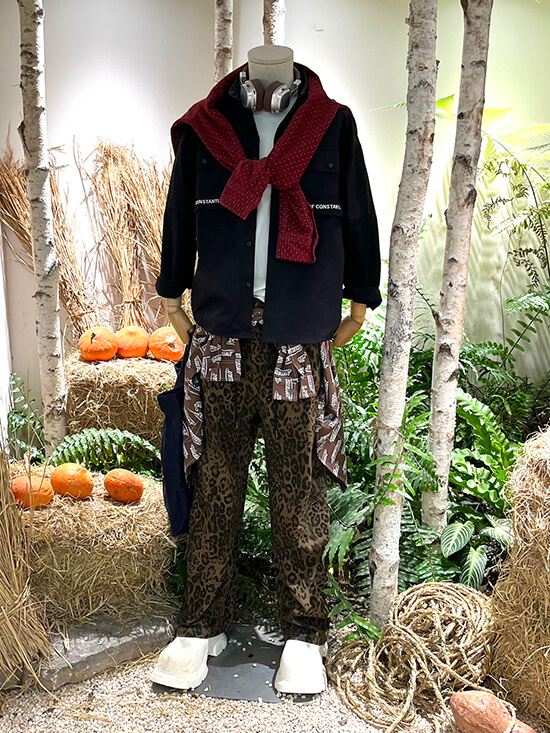
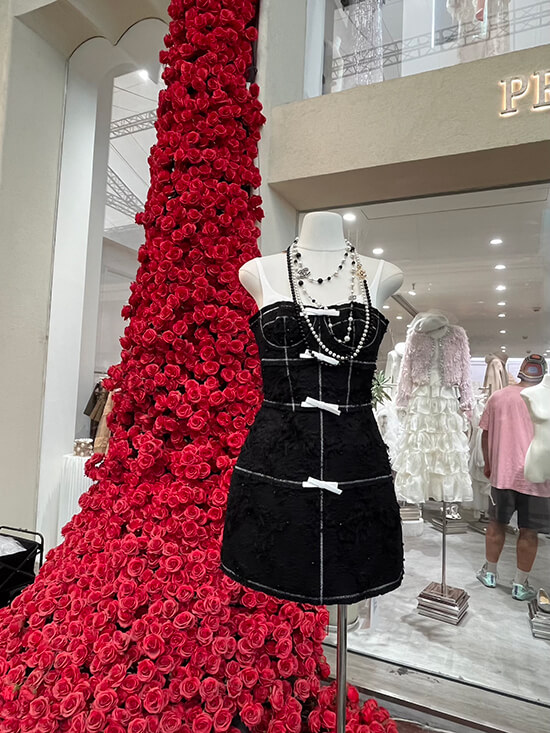
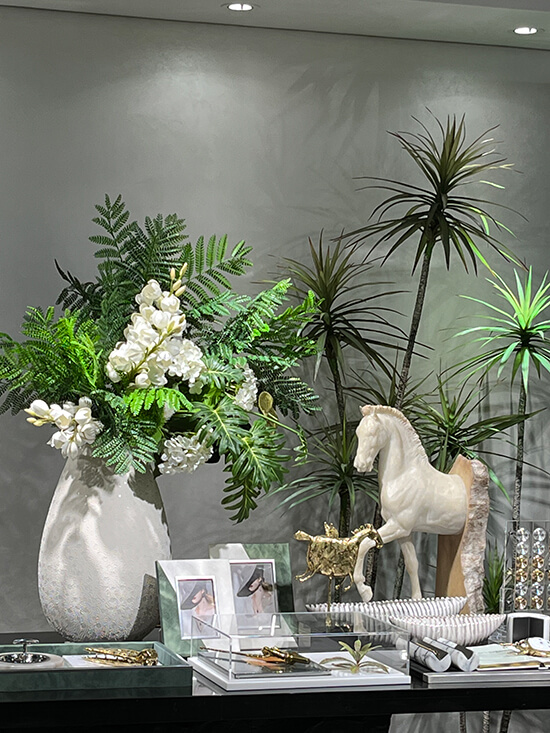
There was never enough time to shop, whether it was in the Yongqingfang area or in the wholesale markets. In the former, there were both traditional shops selling everything from crafts and semi-precious stones to Chinese medicinal herbs; and modern shops by local designers, selling fashion and artisanal jewelry. In the latter, there were different districts for a wide variety of items that this renowned manufacturing hub can produce. Baiyun Leather Building indulges the Filipino obsession with bags and shoes in the latest styles while APM Wholesale Market and Baima Clothing Wholesale Market has all possible fashion choices including accessories. Cosmetic fiends can go to Beauty Exchange Center, then there’s New Asia Digital City for electronics and digital products.
Cantonese Culinary Delights
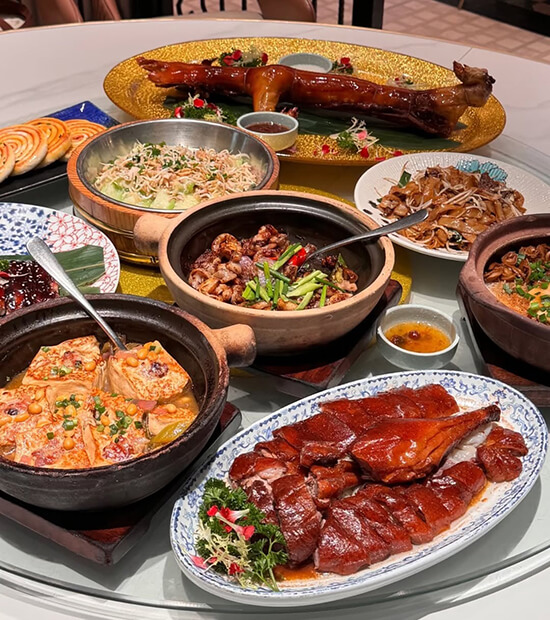
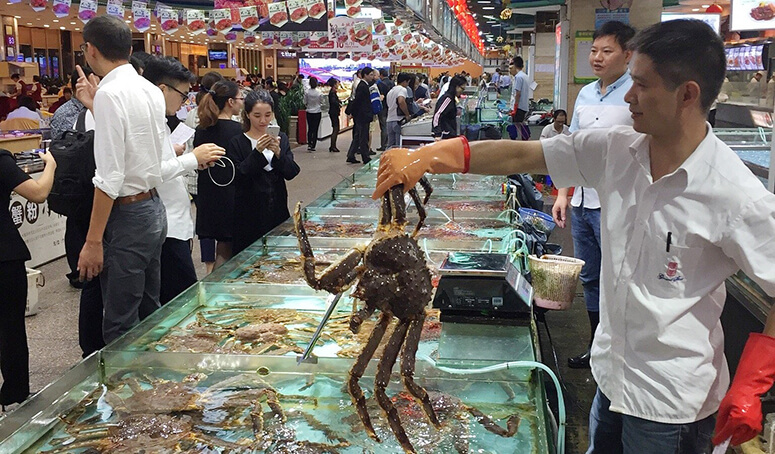
We had roast goose almost every meal and came home still craving its crispy skin and tender, juicy meat with a deep, rich flavor achieved through meticulous marinating, air-drying, and slow roasting. Their roast duck and suckling pig are also mainstays in Guangzhou’s Cantonese cuisine which is actually one of the Eight Great Traditions of Chinese cuisine, with Cantonese chefs sought after throughout China. Their dimsum, evolving from ancient yum cha teahouse traditions, is prized for its unparalleled variety, exquisite craftsmanship and fresh, high-quality ingredients that can go fancy like using foie gras with gold leaf but even simple ones like rice rolls and wanton noodles are elevated to a rich umami level. With the city’s location along the South China Sea coast, seafood is given due importance and there are many specialty seafood restaurants with aquariums for optimum freshness to enjoy steamed shrimps and prawns, scallops with ginger and garlic, and lobster with ginger and scallions, among others. Shuang pi nai, a double skin milk pudding, made famous since 1934 by Nanxin Milk desserts in the Liwan district, is a must-try.

WATCH: Is OPM still as good as it used to be? (Generations Ep. 20)
September 9, 2026
WATCH: Why is it so hard to make friends? (Generations Ep. 26)
October 21, 2026
WATCH: Can you still trust someone who betrayed you? (Generations Ep. 22)
September 23, 2026