

The whys of Singapore
From nature to skylines, from fine dining to local comfort food, and from heritage districts to luxury shopping and bargain haunts—Singapore offers diversions for everyone.
This city of more than six million people welcomes nearly 17 million visitors a year—many arriving through Changi, one of the most efficient airports in the world. Around town, you’ll find a mingling of today’s design imperatives with the charm of Southeast Asia’s yesteryears. Marked by contrasts between the local and the global, the contemporary and the colonial, the civic center gives each architectural style its place. Swanky high-rise condominiums decked with vertical gardens stand in upscale residential districts, while colorful heritage shophouses with delicately decorated facades blend Malay, Chinese, and European influences. Here, hearty and flavorful local fare remains ever popular, even with the rise of fine dining options. Peranakan cuisine, a richly spiced fusion of Chinese and Malay culinary traditions, is still much sought after, as is French modern cuisine, while hawker centers turn out local and Asian favorites that have become staples of everyday life.
Between development and conservation, the city makes plenty of room for green spaces. Singapore is home to over 400 parks and four nature reserves. Throughout the city, you’ll notice its well-tended grounds and lush greenery.
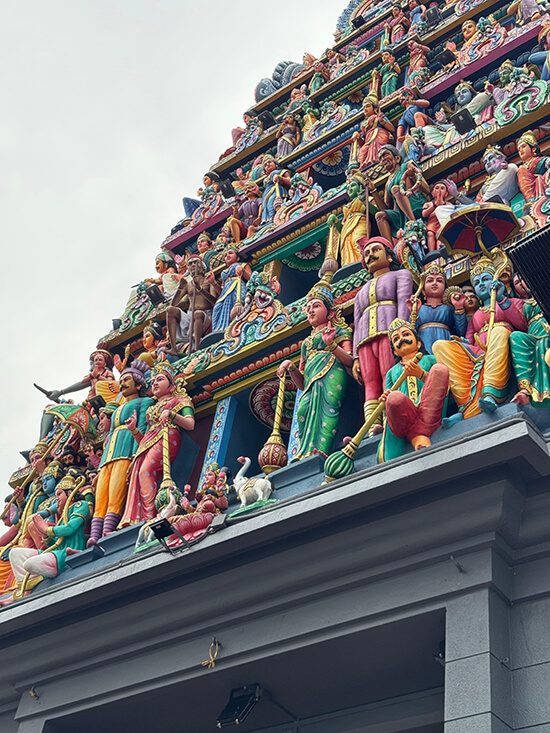
For luxury shopping, designer boutiques abound along Orchard Road and at Marina Bay Sands—some of them flagship stores in Southeast Asia for esteemed names in fine jewelry and high fashion, such as Buccellati and Louis Vuitton. For local flavor, head to the street markets of Chinatown, brimming with souvenirs, collectibles, and traditional wares. Chinatown is a vibrant enclave whose dining scene reflects its layered history—from Michelin-recognized hawker stalls and heritage dim sum houses to contemporary restaurants offering bold new taste experiences. Boutique hotels in the area meld tradition with contemporary style, as heritage shophouses have been reimagined as intimate stays, ranging from richly decorated hideaways to sleek, modernist retreats. In one of Singapore’s oldest quarters, Kampong Gelam is a cultural crossroads, where Malay, Arab, Chinese, Indian, and European influences converge, and hip boutiques, cafes, and traditional eateries stand side by side. In Little India, explore an atmospheric cultural district filled with temples, street art, and beautifully restored shophouses. The nearby Mustafa Centre is a 24-hour emporium selling just about everything at bargain prices.
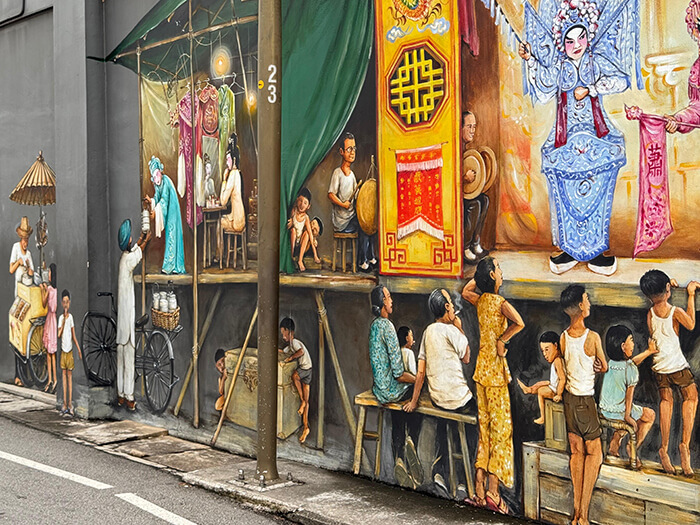
Trace the story of this nation at its leading cultural institutions. On the banks of the Singapore River, the Asian Civilisations Museum holds cultural treasures from China, Southeast Asia, India, and the Islamic world, whose influences have shaped Singapore for centuries. In the National Museum of Singapore, at the foot of Fort Canning Hill, learn about the city’s history from the early nineteenth century through the Japanese occupation during 1942–45, and the nation’s postcolonial challenges. In the Civic District, the National Gallery Singapore reflects Singapore’s engagement with the region, featuring the largest collection of Southeast Asian art in the world—with more than 8,000 works from the 19th century to the present.
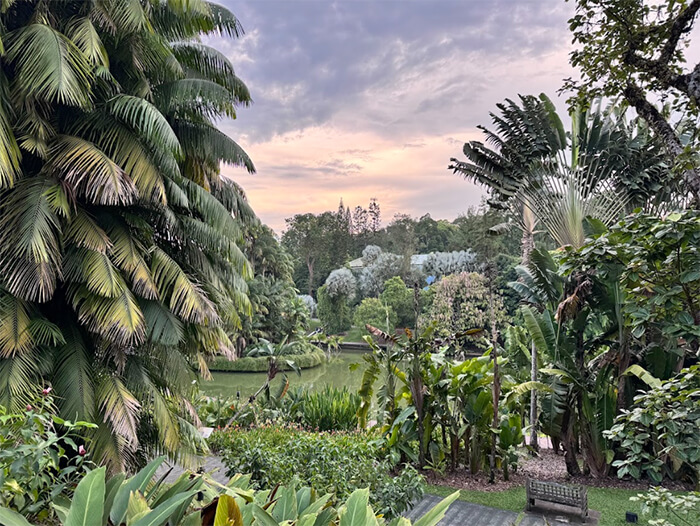
Nature lovers have their choice of outdoor and indoor venues, where horticultural delights await visitors. Stroll around the Singapore Botanic Gardens, a UNESCO World Heritage Site. This luxuriant garden hosts over 10,000 types of plants, alongside heritage trees and a diverse array of palms.
CONTINUE READING BELOW

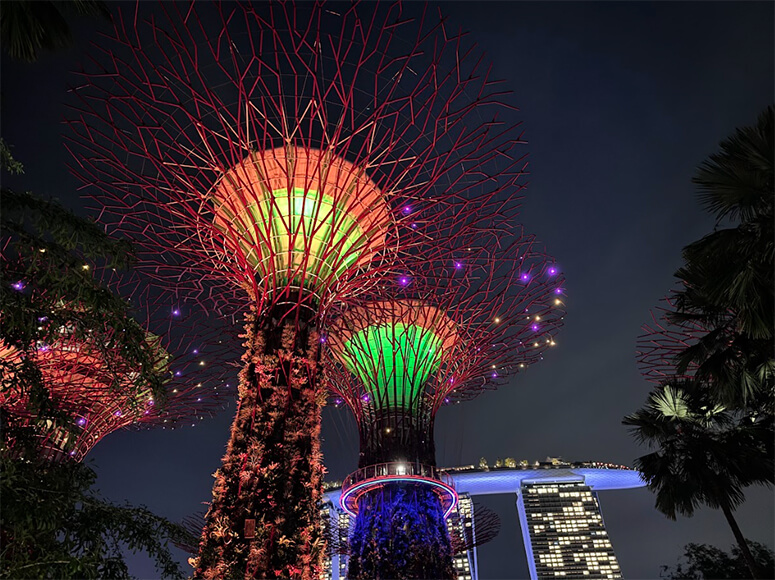
Take a sunset walk in the Lower Peirce Reservoir Park and bask in the serene setting of Singapore’s second-oldest reservoir, surrounded by a mature rainforest and native plant species. Head to the Marina Barrage for an evening walk and take in the city’s skyline from across the waters of the Marina Reservoir. At Gardens by the Bay, discover a wondrous world of plants and flowers. Check out the stunning indoor waterfall at the Cloud Forest and stroll around the aerial walkways where you’ll discover exotic plants from around the world. In the Flower Dome, explore the world’s largest glass greenhouse, showcasing plants from the Mediterranean and other dry regions worldwide. Escape to a magical space of suspended floral bouquets and whimsical floral arrangements at the Floral Fantasy. In the evening, stop at the Supertree Grove when the Garden Rhapsody light show illuminates the night sky. The gardens’ 18 towering steel Supertrees are sustainable vertical gardens that hold more than 162,900 plants of over 200 species.
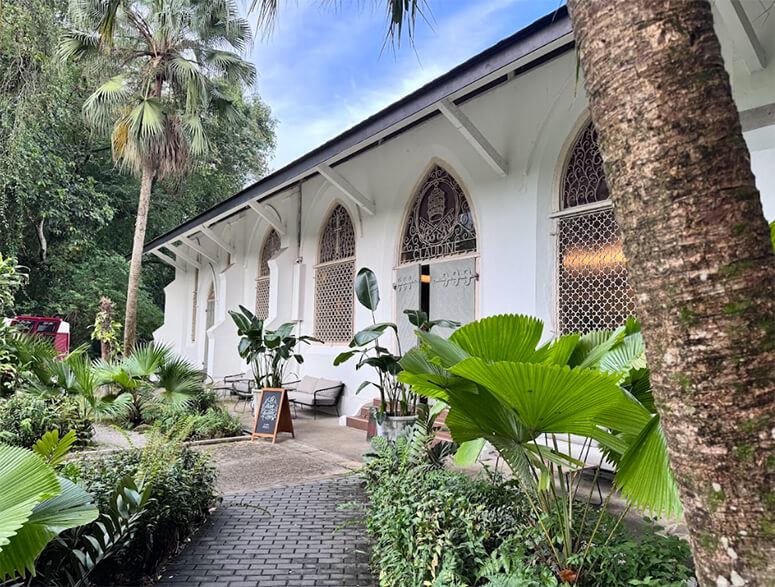
Set amid verdant grounds, Dempsey Hill, a former British army barracks, today features a selection of unique shops and restaurants. Browse the Dover Street Market, known for its cutting-edge designer fashions. Stop for lunch or cocktails at The Dempsey Cookhouse and Bar for Western cuisine with an Asian touch conceptualized by world-renowned chef Jean-Georges Vongerichten. Head to Blu Kouzina for Greek and Mediterranean favorites, or spend an evening at Claudine, housed in a converted colonial chapel, where classic French dishes and home-style fare are meant to be shared in a convivial setting. At Candlenut, the first Peranakan restaurant to be awarded a Michelin star, savor Peranakan cuisine given a modern twist—blending elements of Chinese, Malay, Indian, and Eurasian cooking.
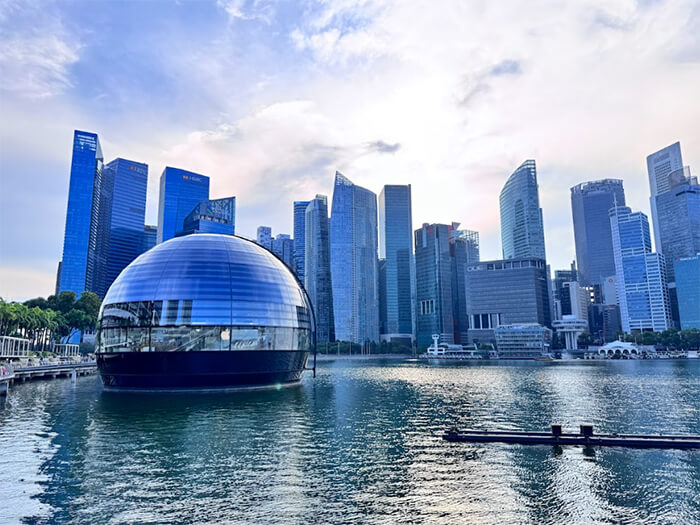
The Apple Marina Bay Sands store, set against the Singapore skyline.
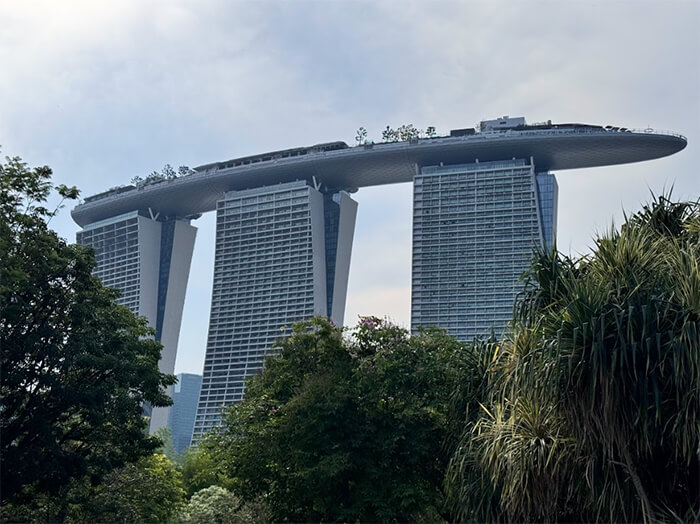
Marina Bay Sands, one of Singapore's most recognizable landmarks.
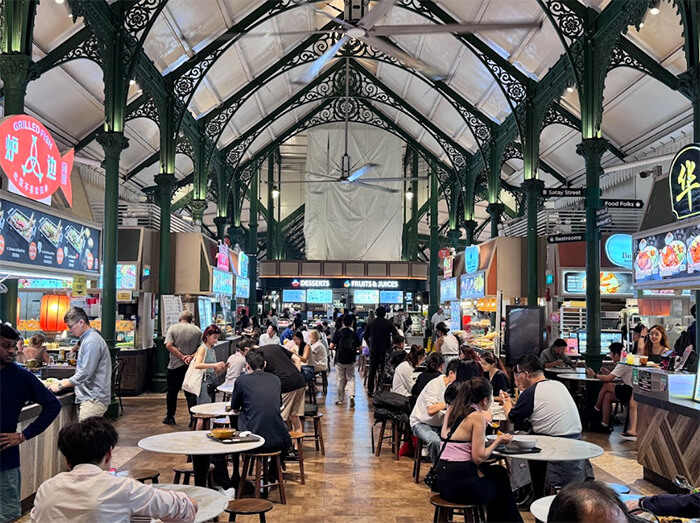
Lau Pa Sat, one of Singapore’s oldest hawker centers, offering local and international favorites.
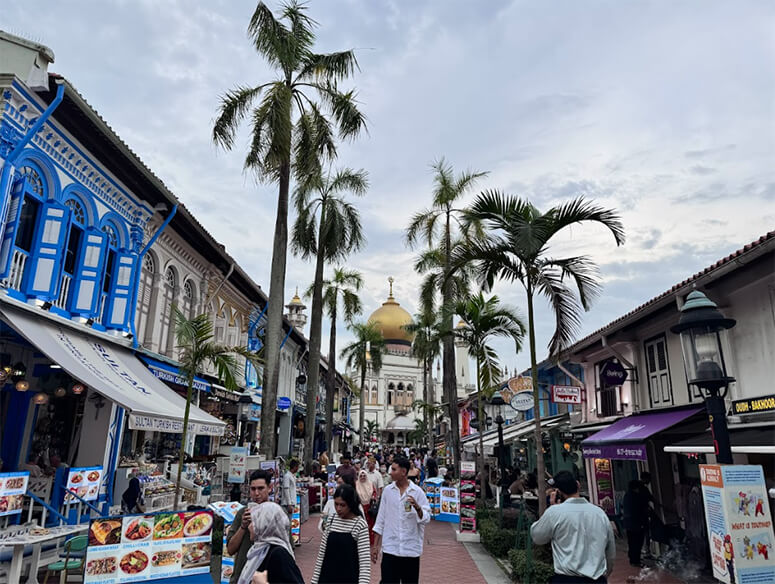
Shops and eateries line a main street in the Kampong Gelam heritage district.
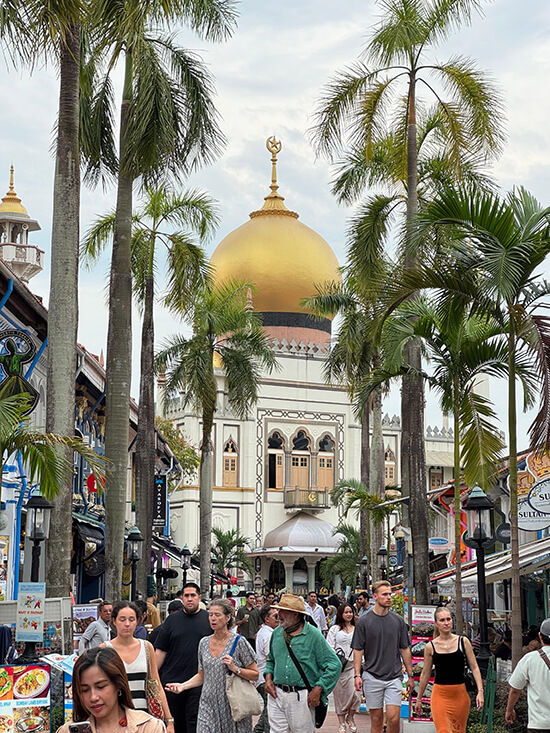
Sultan Mosque, the landmark structure of the Kampong Gelam heritage district.
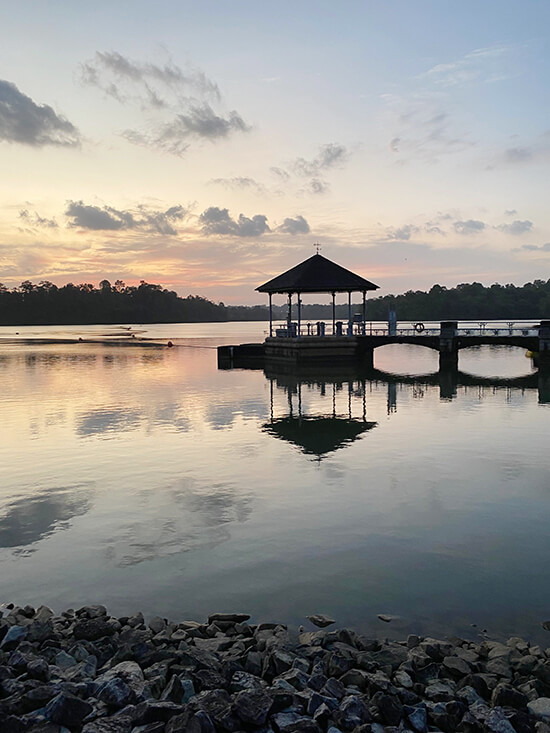
Sunset at Lower Peirce Reservoir Park.
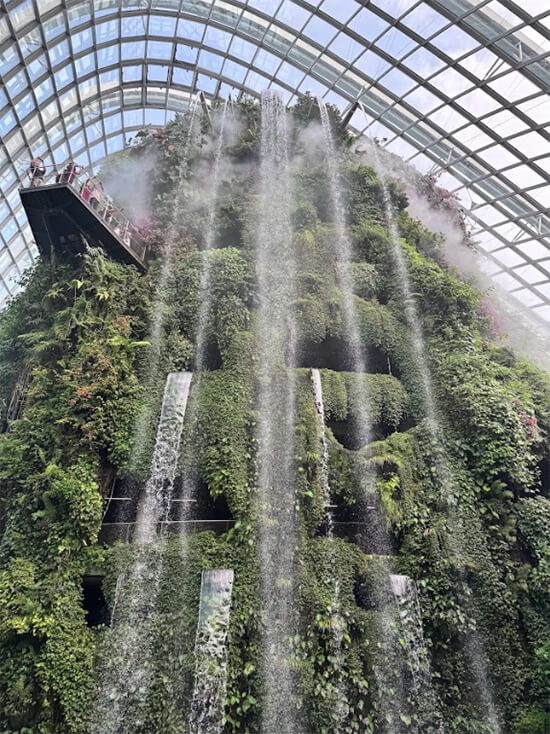
The indoor waterfall at Cloud Forest, Gardens by the Bay, home to exotic plants from around the world.
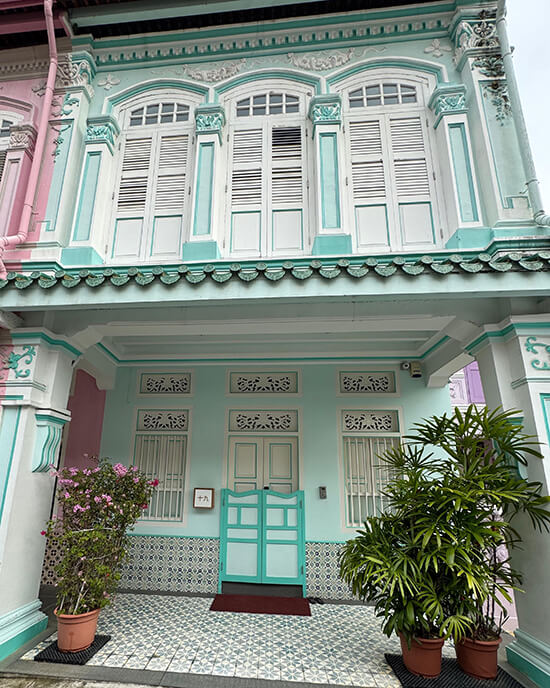
A pastel-hued heritage shophouse with a delicately decorated facade.
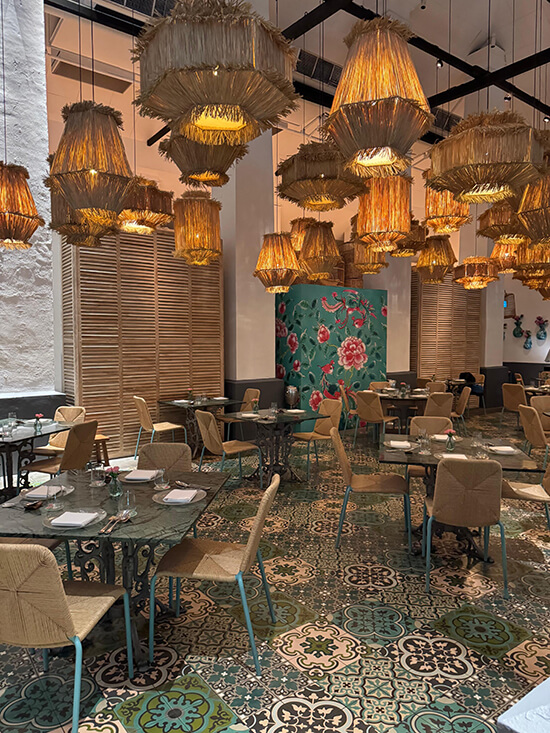
The interior of Candlenut in Dempsey, known for its modern take on Peranakan cuisine.
The Apple Marina Bay Sands store, set against the Singapore skyline.
Marina Bay Sands, one of Singapore's most recognizable landmarks.
Lau Pa Sat, one of Singapore’s oldest hawker centers, offering local and international favorites.
Shops and eateries line a main street in the Kampong Gelam heritage district.
Sultan Mosque, the landmark structure of the Kampong Gelam heritage district.
Sunset at Lower Peirce Reservoir Park.
The indoor waterfall at Cloud Forest, Gardens by the Bay, home to exotic plants from around the world.
A pastel-hued heritage shophouse with a delicately decorated facade.
The interior of Candlenut in Dempsey, known for its modern take on Peranakan cuisine.
CLOSE
With Singapore’s cross-cultural appeal, it is hard to believe that it was once a humble fishing village that grew into one of today’s most progressive cities. The dynamic between past and present is keenly felt as the city looks to the future but does not leave the past behind. At its very heart, this city was built for people—a place where different ethnic communities have lived and thrived for generations, where peace and order reign, and where diversions abound for all to enjoy.

WATCH: Is Philippine cinema still thriving? (Generations Ep. 19)
September 2, 2026