

Dreaming of Dali
Dali City is located in the Dali Bai Autonomous Prefecture in Northwestern Yunnan Province of China. Dali City is administered through 12 township level districts, two of which are also commonly referred to as “Dali”.
Dali Town, formerly known as Tali, is another division of Dali City and is known as Dali Old Town or Dali Ancient Town. The old town is one of the most popular tourist destinations in Yunnan, known for its natural scenery, historical and cultural heritage.
First thing I noticed (or tasted) was their interesting Chinese cuisine. Yunnan cuisine, or Dian cuisine, is a mild-to-spicy style from southwestern China, influenced by ethnic minority groups, fresh mountain ingredients, and unique fermented food. Cuisine here is rooted in Bai ethnic traditions and is a diverse, sour, spicy, and fragrant blend of fresh ingredients from Erhai Lake and local farms. They extensively use local produce, mushrooms (including the Chinese morel and porcini), and fish and they often focus on stews, grilled items, and pickled vegetables.
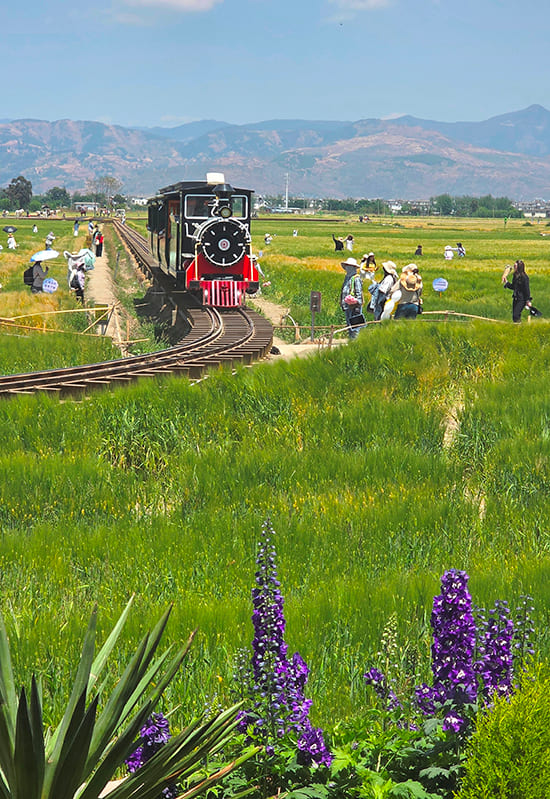
Popular dishes here include Hot and Sour Fish and small fried crispy shrimps (both sourced from Erhai Lake), and Flower Cake Pastries filled with edible petals (usually rose or chrysanthemum). I tried it because this Yunnan specialty is listed as Dali’s Intangible Cultural Heritage and I can understand why people may like it... but it wasn’t for me.
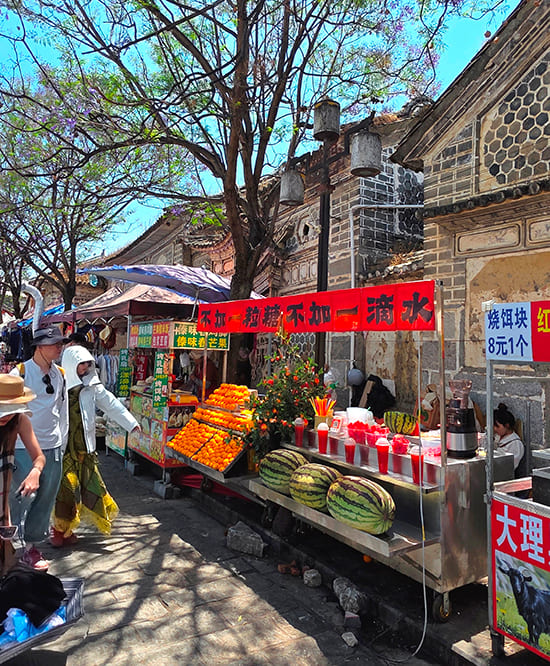
We then headed to Caicun Village to take a boat in the Erhai River where most of the fish and shrimp in Dali are from. We took a cruise on the Erhai River in Caicun Village to head to the quaint little Xizhou Old Town, a well-preserved, thousand-year-old Bai ethnic settlement located between Cangshan Mountain and Erhai Lake. It has stunning traditional, intricate, white-walled courtyard architecture and bustling morning markets. This town serves as a cultural hub for Tea Horse Road history. Lunch was here, where I had the famous Xizhou Baba, a savory or sweet flaky pancake… Of course I had to try both types plus the famous product of this province—Yunnan ham.
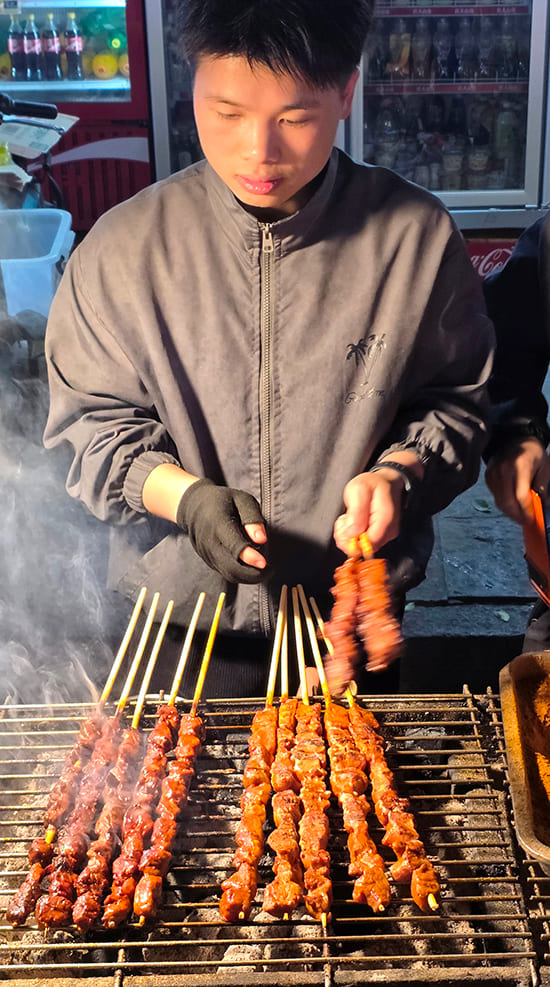
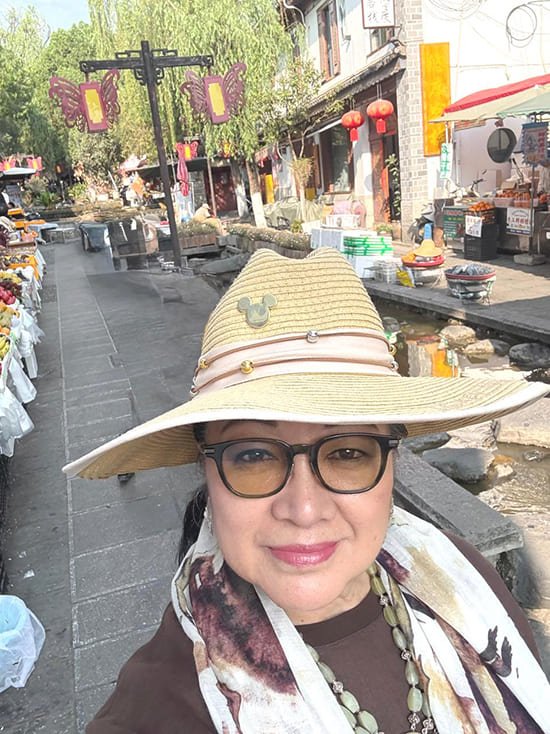
I love all these ancient Chinese towns. They have such character with all these little shops and cafés! Shopping here is very reasonable and I’m glad Dali has so many old towns! Another one we explored was the beautiful Shuanglang Ancient Town—a picturesque 1,000-year-old fishing village famed for its slow pace, Bai ethnic culture, and stunning lakeside views. It is a popular, tranquil getaway ideal for walking, biking, and exploring traditional Bai architecture. I spent a whole afternoon here just shopping and trying Chinese street food and having fresh orange juice that was a fourth of the price I’d pay in Manila! I saved the best for last as we went to Dali Old Town one night. The temples are majestic when lit at night.
CONTINUE READING BELOW

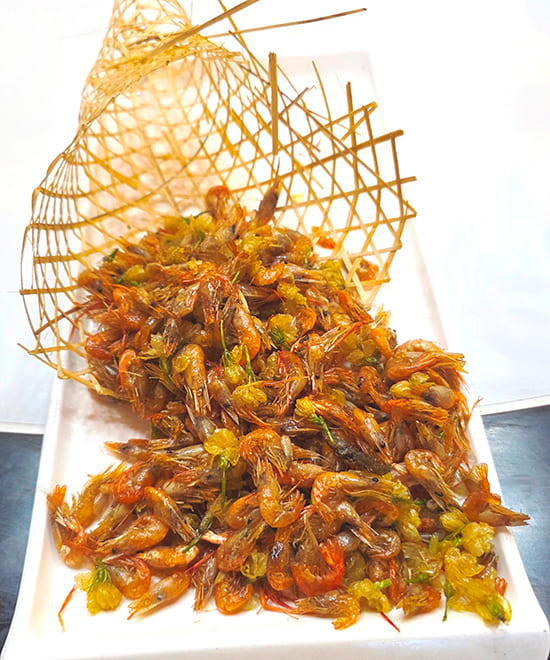
The capital of the Nanzhao Kingdom in the eighth century, this 1,200-year-old historic city is also known for its Bai ethnic culture, traditional architecture, and vibrant, tourist-friendly atmosphere. The markets are open night and day. There are so many things to buy, from food to jewelry and unique Chinese souvenirs such as bamboo rings or bracelets and carved bodhi seed jewelry.
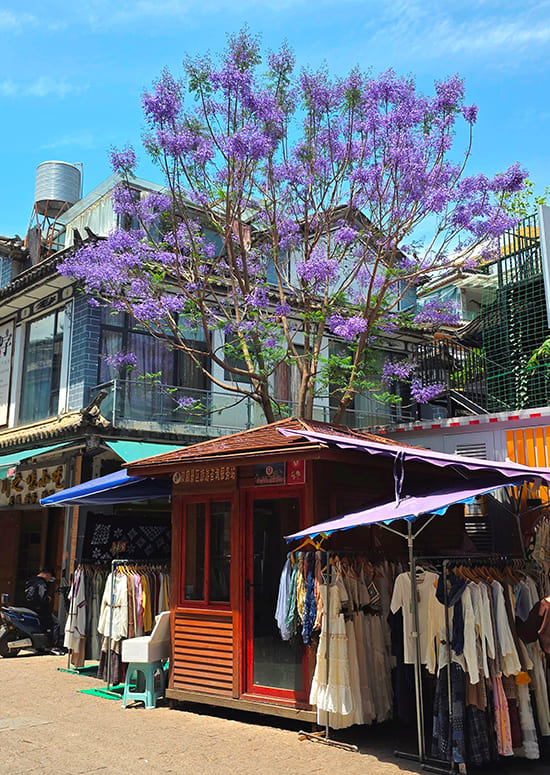
The beauty of Dali Ancient Town at night was so spectacular that we went back the next day to see the place during daylight. The old town was just as picture-perfect as it was the night before, and we had more time to go around this Instagram-worthy place.
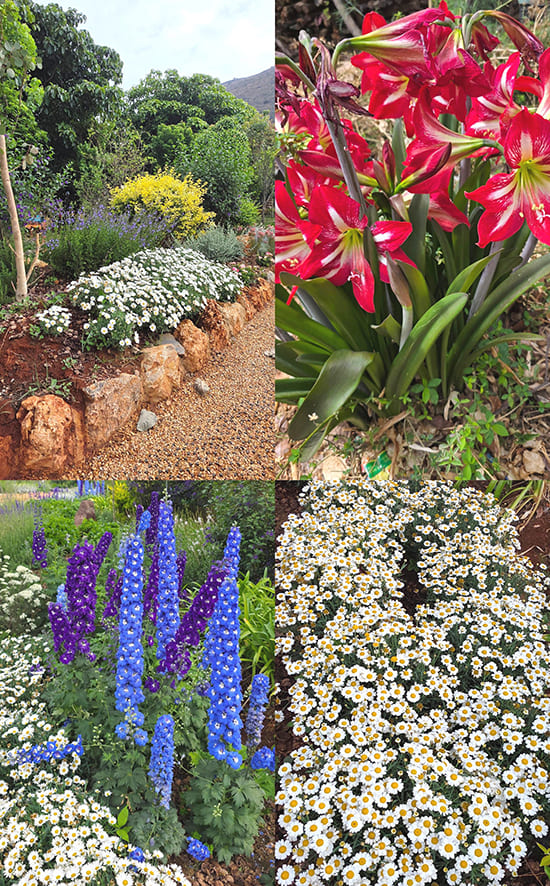
While Luwo Mountain is known for its rocky shorelines, caves, and ancient ruins, we were brought to a quieter corner where we could just relax, admire the vibrant flowers, and take in the views of Erhai Lake. A stunning variety of blooms had been carefully arranged within a compact space, creating a landscape that felt both intimate and magical.
Former senator Nikki Coseteng remarked that it was surprising to see so few flower gardens designed this way in the Philippines. The setting was scenic enough to draw visitors from afar, and these flowers could very well grow in the similar weather that reminded us of places like Tagaytay or Baguio. It made us think that perhaps a thoughtfully landscaped garden filled with flowering plants could become a beautiful destination in the Philippines as well. After all, flowers have a unique way of bringing joy and serenity to people.
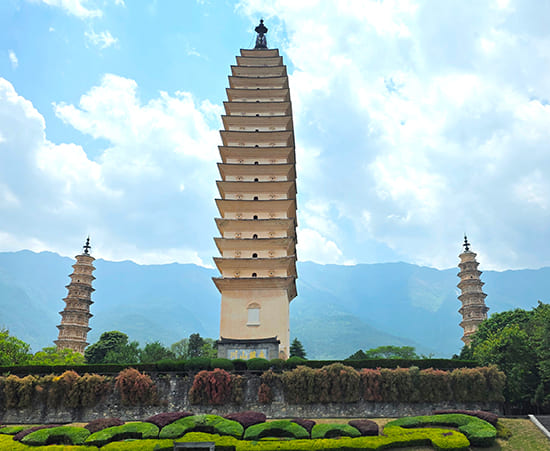
Our last stop in Dali was the Three Pagodas of Chongsheng Temple—an iconic ninth-to-10th-century, Tang-dynasty architectural complex that features a 69-meter-tall, 1,100-year-old main pagoda. Made of brick and covered with white mud, the three independent pagodas form an equilateral triangle. The elegant and balanced style of these structures is unique in China’s ancient Buddhist architecture. The Three Pagodas can be seen from miles away and is a landmark of Dali City. It was selected as a national treasure meriting preservation in China.
Four days in this city covered quite a lot but there was so much more to see. For the meantime, Dali shall be in my dreams until I have the chance to visit once more.

WATCH: How to experience Bangkok and Kanchanaburi in one trip
October 21, 2026