

The meals that made us
There is a reason we ask people what they miss eating when they are far from home. Not what landmark they miss. Not what street. Not even which person.
What do you crave?
Food has always been nostalgia’s most reliable accomplice. Long after memories blur, the palate remains stubbornly precise. You may forget an address, but remember exactly how your grandmother’s soup tasted. You may lose a language, but still recognize a dish from childhood.
This is the emotional terrain explored by No Taste Like Home with Antoni Porowski, one of the most unexpectedly moving series to emerge in 2025.
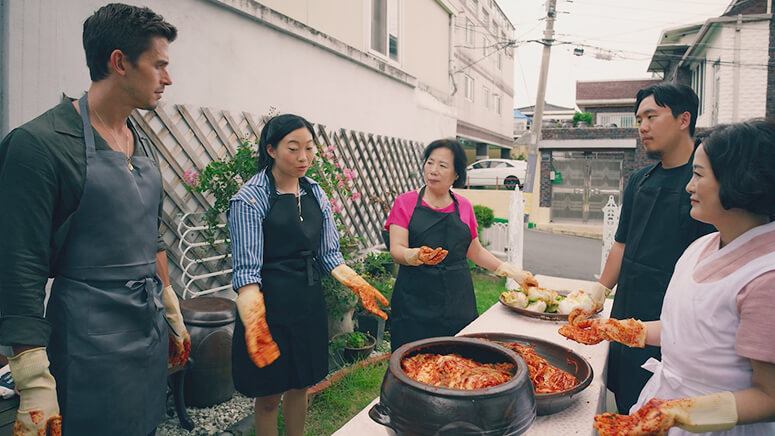
Porowski, best known as the food and wine expert on Queer Eye, travels with a roster of celebrities—including Florence Pugh, Awkwafina, Justin Theroux, Issa Rae, James Marsden, and Henry Golding—in search of the stories behind the foods that shaped their families. It sounds like a familiar television formula. Celebrity. Travel. Genealogy. Food.
CONTINUE READING BELOW

Yet the series succeeds because it understands something many food shows do not: Food is rarely the destination. It is merely the portal.
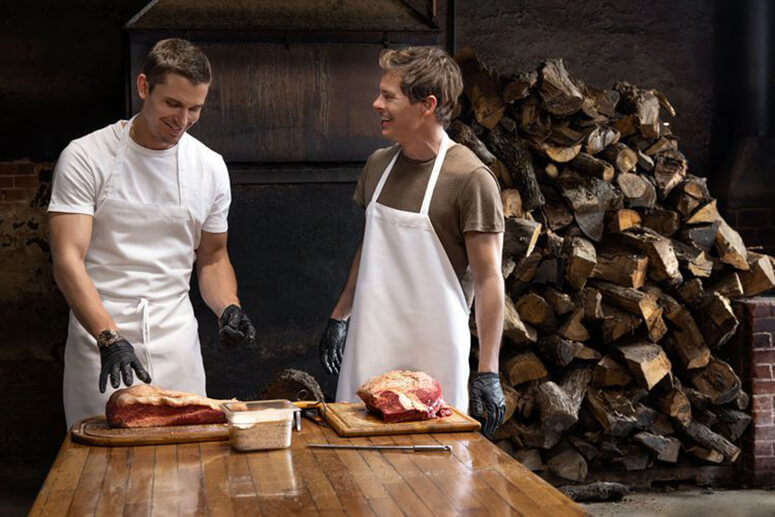
Again and again, a dish opens the door to something larger.
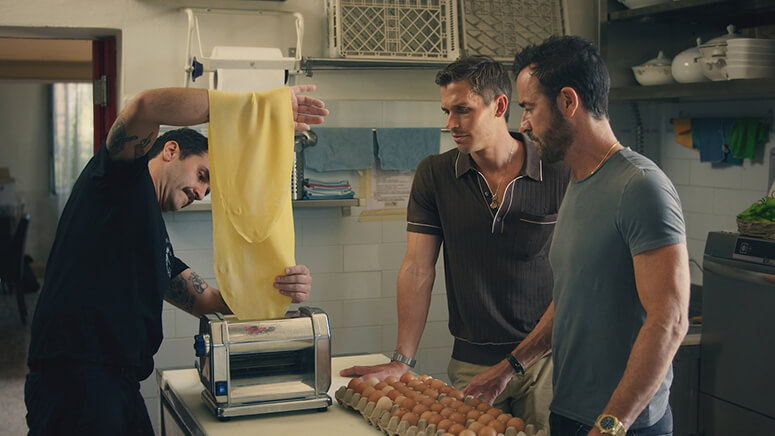
A family recipe leads Theroux to an ancestor whose life was marked by hardship and separation. Awkwafina’s journey through South Korea becomes, in part, an encounter with loss and the complicated inheritance of family memory. Golding’s exploration of his mother’s Iban roots reveals how traditions survive despite distance and change. Even Pugh’s episode, buoyed by her infectious enthusiasm, becomes less about what is on the plate than what remains after generations have passed.
The show’s most compelling insight is that food functions as an archive. Not an official one. Not the kind housed in museums or libraries.
A messier archive.
One preserved in handwritten recipes stained with oil. In the ingredients substituted because the original was unavailable. In techniques repeated without anyone remembering who first taught them.
Migration leaves traces in food. So does grief. So does love.
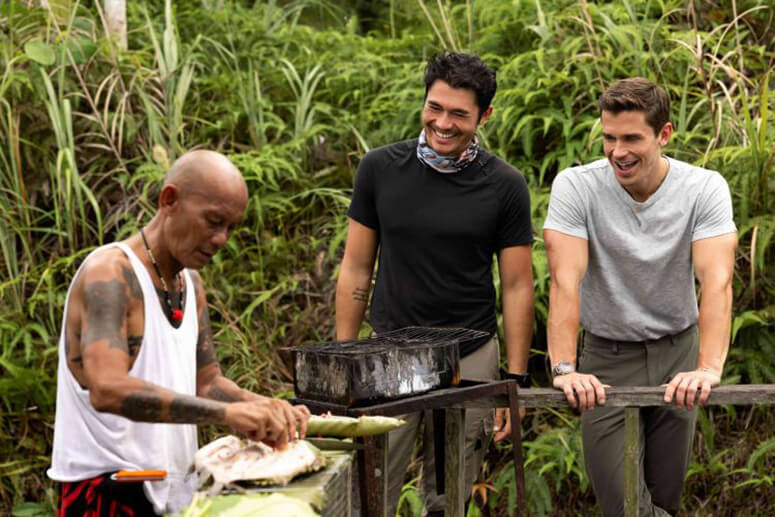
Watching the series, I found myself thinking about how many family histories survive because someone insisted on cooking the same dish over and over again. Entire migrations are hidden inside recipes. Colonization. War. Economic necessity. Romance. Reinvention. The stories are often forgotten. The food remains.
This is where No Taste Like Home distinguishes itself from the growing universe of culinary television. It does not fetishize food. Mercifully, there is very little of the breathless “best thing I’ve ever eaten” hyperbole that dominates contemporary food media. The meals matter, but mainly because of what they reveal.
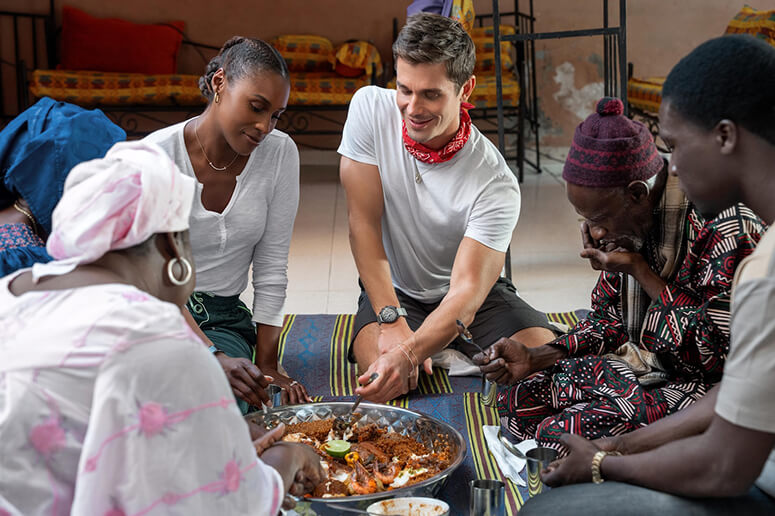
A bowl of pasta becomes evidence. A family dish becomes testimony. A forgotten ingredient becomes a clue.
Porowski is particularly effective because he never behaves as though he is the most interesting person in the room. He asks questions, listens carefully, and allows emotional discoveries to unfold at their own pace. There is confidence in that restraint.
The result is a series that feels surprisingly intimate. Not because the celebrities reveal anything scandalous or shocking, but because they reveal something more recognizable: the universal desire to understand where we come from.
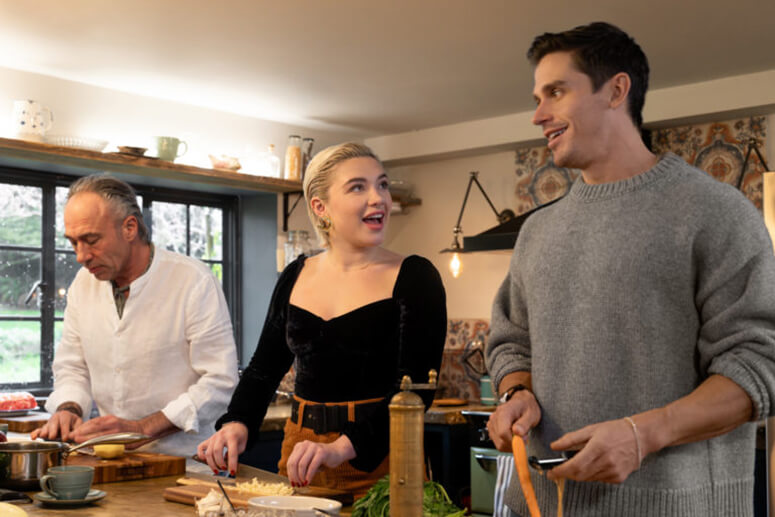
Perhaps that is why the show resonates. Most of us will never trace our lineage across continents with a camera crew in tow. But nearly all of us have experienced the peculiar power of taste to collapse time. One bite, and suddenly you’re eight years old again, helping roll the dough for the homemade noodles in your grandma’s kitchen. Or seated at a family table that no longer exists. Or speaking to someone who is no longer here.
The older I get, the more I suspect that nostalgia is less about wanting to return to the past than wanting proof that it happened.
Food provides that proof.
And No Taste Like Home understands that there may be no better place to look for ourselves than in the meals we cannot forget.
***
No Taste Like Home with Antoni Porowski streams on Disney+.

WATCH: Can we talk about death and grief? (Generations Ep. 25)
October 14, 2026