

Is it a good idea to be friends with your doctor on social media? Medical professionals weigh in
Social media has made it easier than ever to reach out to someone and stay connected, and that goes for patients and their doctors as well.
Whether it's sending a friend request on Facebook, following your physician on Instagram, or connecting on X, the lines between professional and personal interactions have become increasingly blurred in the digital age.
But is it actually a good idea?
Being Facebook friends with your doctor
For Dr. Carlo Toledano, head of medical affairs of mWell and KonsultaMD, he usually doesn't accept friend requests from patients on his personal social media accounts.
"It's not because I want to create distance, but because I believe it's important to keep a healthy professional boundary," he told PhilSTAR L!fe.
CONTINUE READING BELOW

"My personal account is for family and friends, while I want patients to feel comfortable reaching me through proper healthcare channels like mWell and KonsultaMD, where their privacy is protected and their care is properly documented," he added.
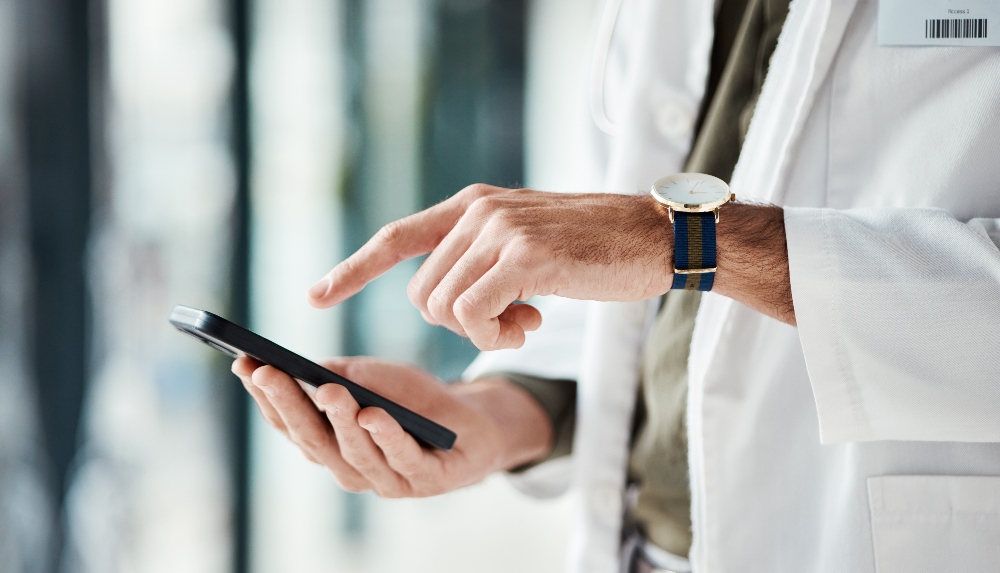
General physician Dr. Julianne Herrera also prefers to keep her personal social media accounts separate from her professional relationship with her patients.
"While I appreciate patients wanting to connect, I believe maintaining boundaries helps preserve the trust and professionalism of the doctor-patient relationship," she reasoned. "Instead, I encourage patients to connect through professional platforms where health information, medical education, and updates are shared appropriately."
According to Toledano, being social media friends can "definitely" affect doctor-patient relationships.
"Social media can make doctors more approachable and is a great platform for health education. But when the conversation shifts from general advice to a patient's specific medical concern, we have to be more careful," he said.
"Patients sometimes send symptoms, lab results, or ask for prescriptions through Messenger or other social media platforms. If I end up providing medical advice in that setting, I believe it's important to transition that interaction into a proper consultation and document it in a trusted electronic medical record," he added.
That way, the patient's history, assessment, treatment plan, and follow-up are all properly recorded.
Echoing Toledano, Herrera said that when patients start to send their medical concerns outside proper consultation channels, this can "create challenges regarding privacy, expectations, and professionalism that may lead to delayed or improper care, privacy risks, and bias."
Neurologist Dr. Alvin Cenina particularly emphasized that Facebook, in general, is "not a space for a doctor-patient relationship."
"If an actual FB friend needs a consultation, I also direct them to my clinic. A clinic consult is needed for proper evaluation and examination," he said.
Maintaining boundaries
Some may argue that maintaining professional boundaries requires doctors to limit or block interactions with patients on their personal social media accounts, which may lead some patients to believe they are failing in their duty to provide care and remain accessible.
But Herrera asserted that this does not conflict with a physician’s ethical duty.
"The physician’s oath centers on beneficence (acting in the patient's best interest), non-maleficence (doing no harm), confidentiality, and non-abandonment in clinical care. Physicians are not required to provide unlimited personal access outside the clinical setting," she stressed. "Unfriending or setting boundaries on a personal social network is not medical abandonment. Setting clear digital boundaries ensures that medical interactions happen in secure, appropriate clinical environments where patient care can be properly documented and safely managed."

Toledano explained that their ethical responsibility is to "provide safe, compassionate, and quality care," and that maintaining professional boundaries "actually helps protect that relationship."
"Saying no to a Facebook friend request doesn't mean saying no to patient care. As long as patients have access to me through the proper channels, whether in the clinic or through telemedicine platforms, I'm still fulfilling my responsibility as their physician," he said.
All things considered, Cenina stressed that there should be a personal and professional boundary for doctors and patients.
"That’s why inquiries should be directed to the clinic and not on the doctor’s personal social media account. Some doctors also maintain a separate account for professional and clinical purposes. 'Clinic' can be a physical or virtual platform for formal consultations," he said.

Herrera highlighted that her personal rule is to "always prioritize patient confidentiality, professionalism, and respect online."
"Even on public platforms, a doctor’s words and actions reflect the trust placed in the medical profession. Social media can be a powerful tool, but it should complement, not replace, the proper doctor-patient relationship established through appropriate consultation and care," she concluded.
While the Philippine Medical Association's Code of Ethics does not have a specific provision on doctors and patients becoming social media friends, it emphasizes principles that apply to online interactions, including patient confidentiality, professionalism, and providing care that follows proper medical standards. Physicians are allowed to use digital platforms for health education and professional communication, but they must avoid sharing confidential information or providing individual medical advice outside appropriate consultation settings.

WATCH: Is Gen Z too soft? (Generations Ep. 23)
September 30, 2026
WATCH: Pixar Summer Fest adventure at Hong Kong Disneyland
August 10, 2026
WATCH: LGBTQIA+ people with unlikely professions
June 28, 2026