A walk through beauty and history in Italy
I come home with excess baggage every time I travel. That baggage is called envy. Nation-envy.
In Japan, I feel so envious when I see cleanliness, respect and patriotism as the Japanese way of life. In Thailand, I see how the people are proud of what they have and they develop these fully for tourists to appreciate.
Having just come from a trip to the provincial side of Italy, I felt so envious of what I saw. People so proud of their culture, history and heritage, they do their best to preserve these. They keep these nice and clean for both domestic and foreign tourists. During my 10-day trip, I saw nary a piece of garbage on the streets.
Why are Philippine roads strewn with snack wrappers and rivers polluted with flotsam and jetsam? Is it because of poverty which results in lack of education? A New York Times writer has a better term for this: cultural poverty.
Is this why we keep demolishing our historic sites when we should be preserving them?
Italy is obviously dedicated to preserving its precious landmarks and natural wonders, it has a total of 58 UNESCO World Heritage Sites, the most in the world. Italian culture is a rich blend of ancient Roman, Renaissance, and Baroque, as well as modern influences.
Let me show you glimpses of the Italian towns and cities—which my fellow travelers and I saw after attending a wedding—all of which had walkable centers:
Matera: Where Wonder Woman wandered
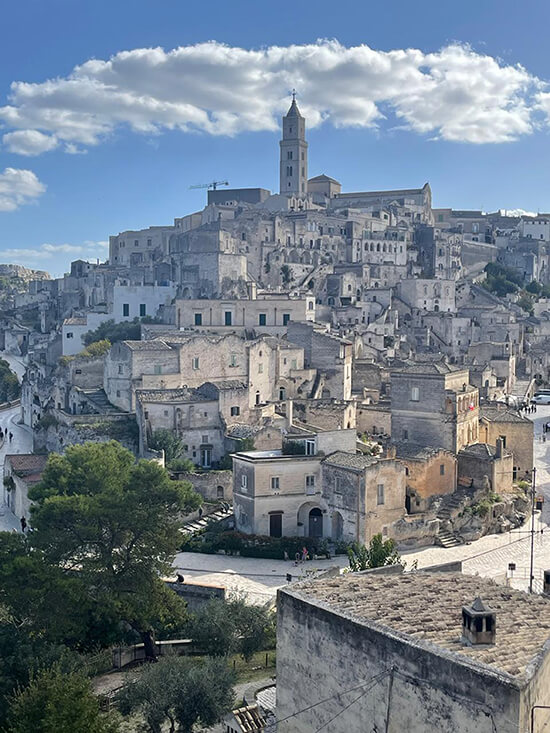
Matera, a town that has been inhabited since the Palaeolithic era, is famous for its cave dwellings carved into mountainsides, as well as its rock churches. This town rocks!
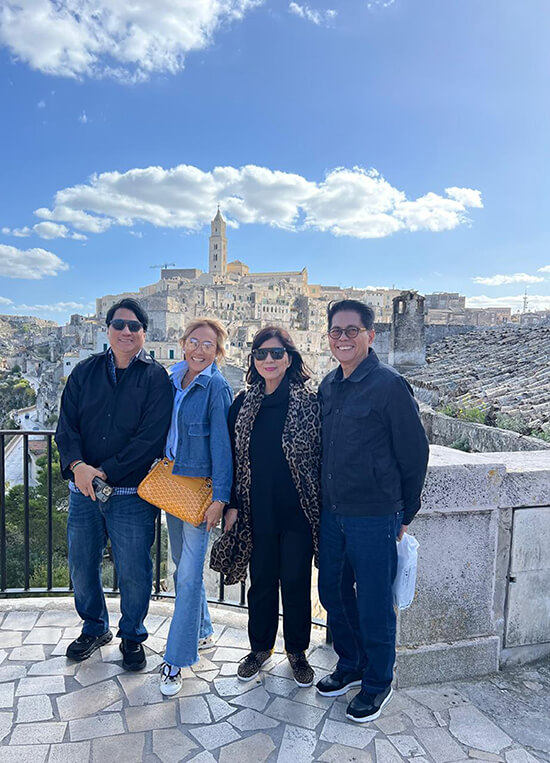
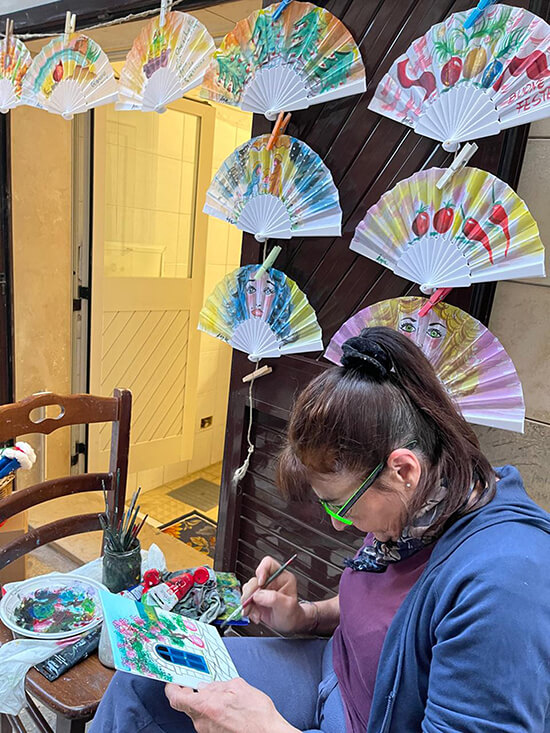
A UNESCO World Heritage Site, Matera has been a favorite location for movies like The Passion of the Christ, Ben-Hur, several James Bond movies, and Wonder Woman.
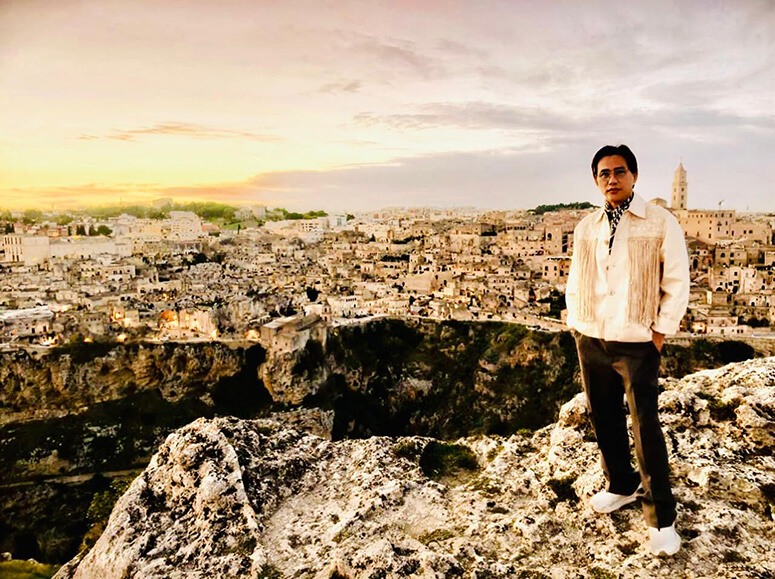
We hired a four-seater tuktuk (120 euros for one hour) so we could better see more mountainside caves. We ended up in a nice restaurant with a view.
Alberobello: Where houses wear cone-shaped roofs
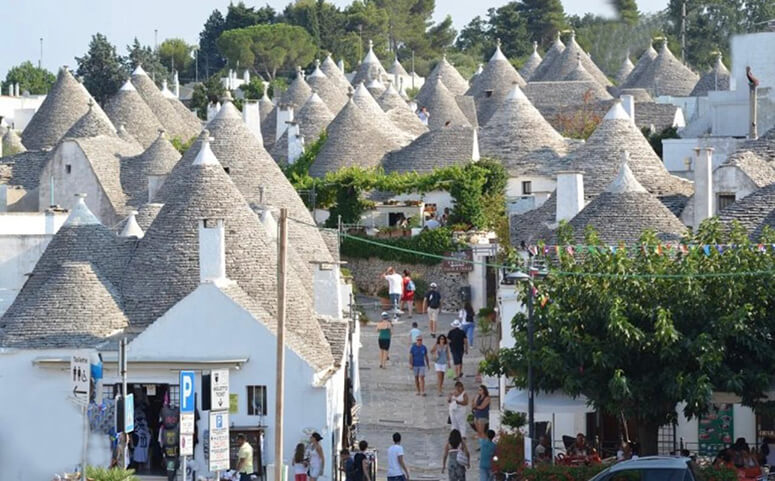
We thought we entered a magical fairy tale land when we saw houses with roofs made of limestone, shaped like cone hats.
Called trulli, these houses with whitewashed walls have a truly storied past.
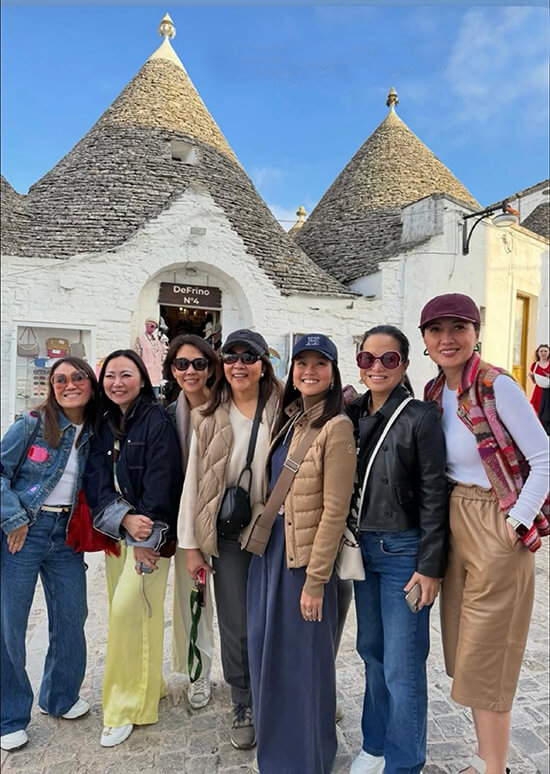
In the 1500s, local farmers and laborers built these houses that could be quickly dismantled when tax collectors would arrive. Why? To avoid paying taxes imposed on permanent dwellings.
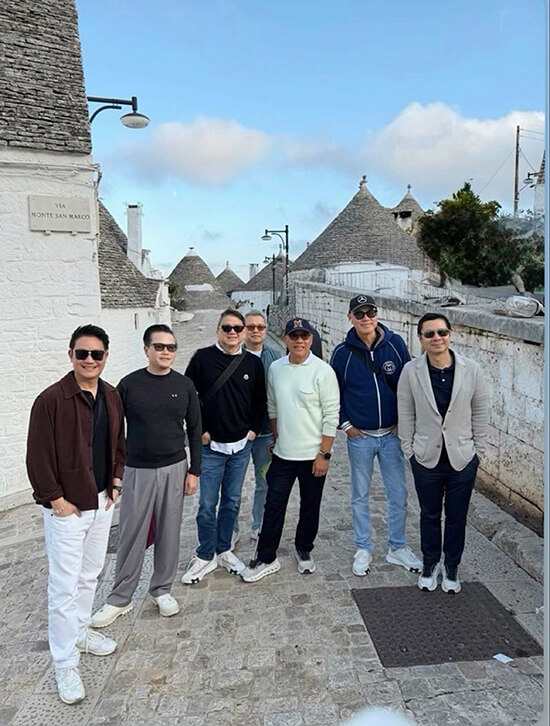
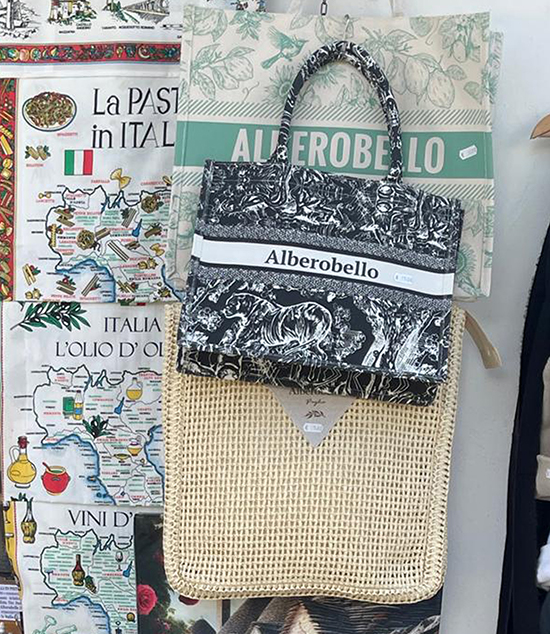
A UNESCO World Heritage Site, some of these trullis are now part of sidewalk cafes and souvenir shops.
Polignano: The Italian town with its own voice
This coastal town has dramatic cliffs made of limestone and crystal-clear waters. But equally dramatic are the lyrics of the song Volare, seen in overhanging street lights at night.
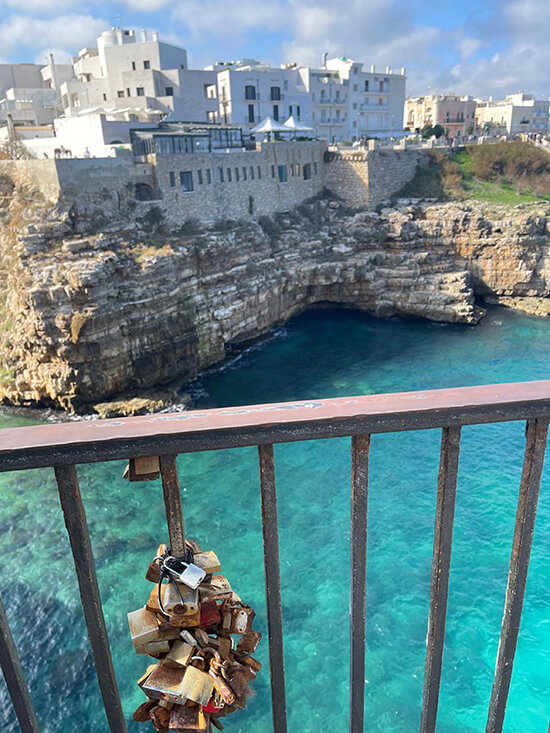
Polignano happens to be the hometown of singer Domenico Modugno who originally sang Volare. He is immortalized by his proud townmates with a statue, now a favorite for photo opps.
Its lively streets have charming little shops.
Porto Cesario: I see the sea, I see seafood
White sandy beaches with pristinely clear waters make this town a popular tourist destination in summer.
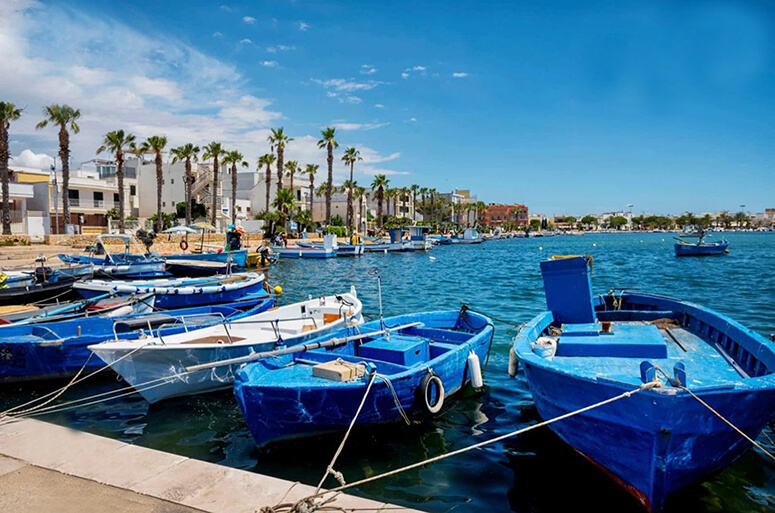
Located near the Ionian Sea, this is where seafoods are truly freshest and inexpensive. Also priced nicely are the wares in their charming shopping streets, where we bought 10 euro (P600) sunglasses with UV protection and cotton clothes with a boho vibe.
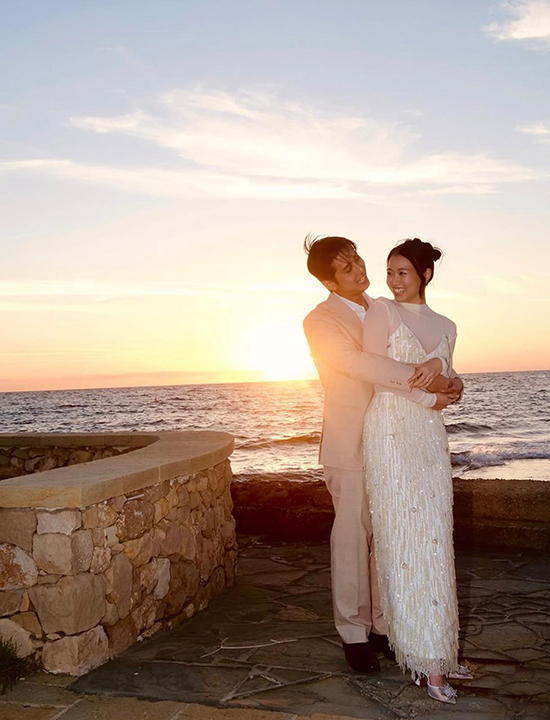
The sunset view is amazing, which is why wedding couple Joseph Gerard Poe and Erica Therese Dee chose Isola at Porto Cesario for their pre-wedding reception.
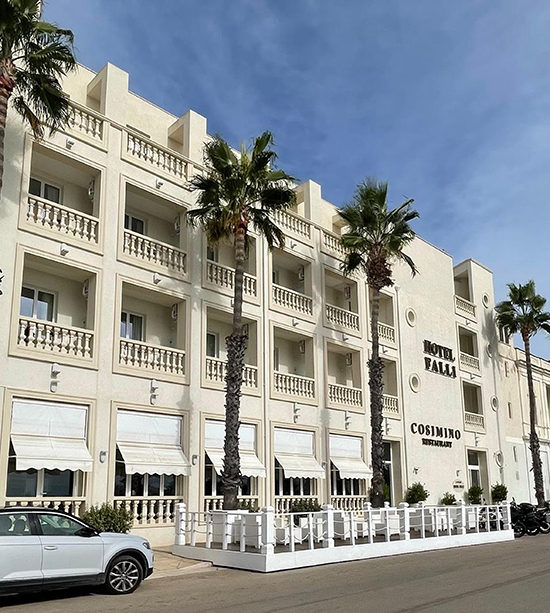
Our charming boutique hotel, the four-story Hotel Falli, has rooms with nice ocean views, only €100 to €140 per day.
Lecce: The Walkable Walled City
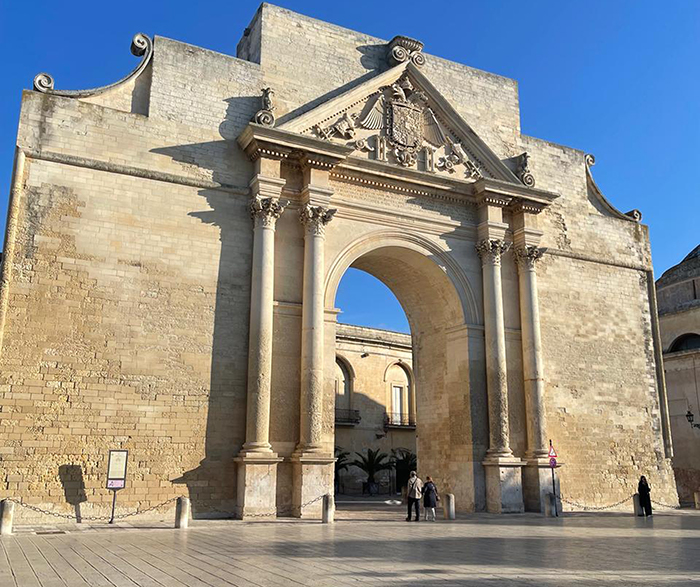
Called “The Florence of the South,” Lecce is a charming walled city with Baroque architecture marked by golden limestones, used in its ornate churches and historic Roman structures.
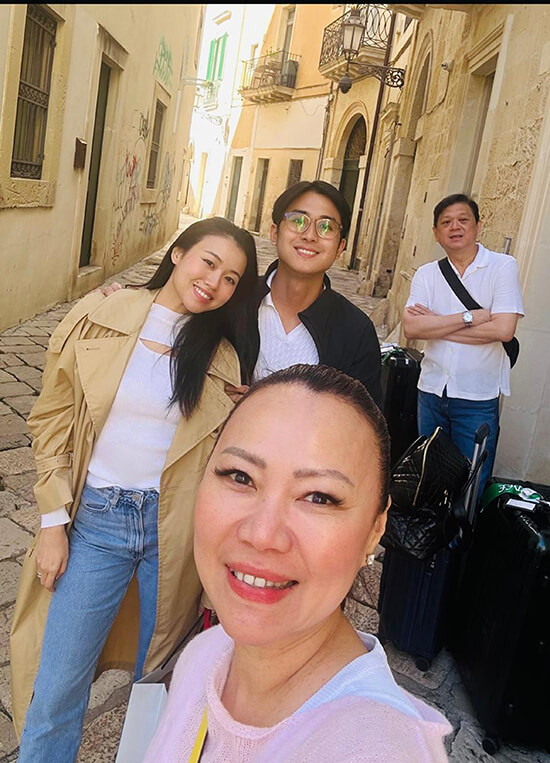
Its walkable narrow streets have good restaurants, chic shops, and quaint specialty stores.