

Casa Paquita: Ode to Dumaguete
This 19th-century Grand Dame of Dumaguete, Casa Paquita, is a poem.
Restored by Jaime Ponce de Leon, Leon Gallery owner and proud son of Dumaguete, it is an ode to the era when craftsmanship was patient, life was unhurried, and homes were designed for the graceful and genteel life.
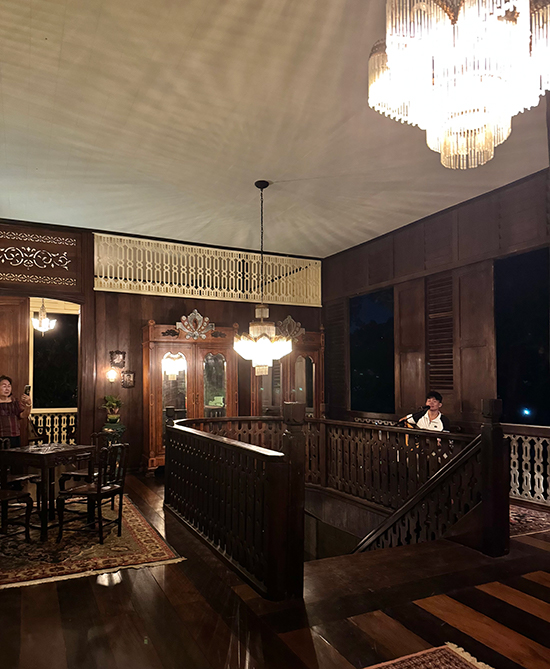
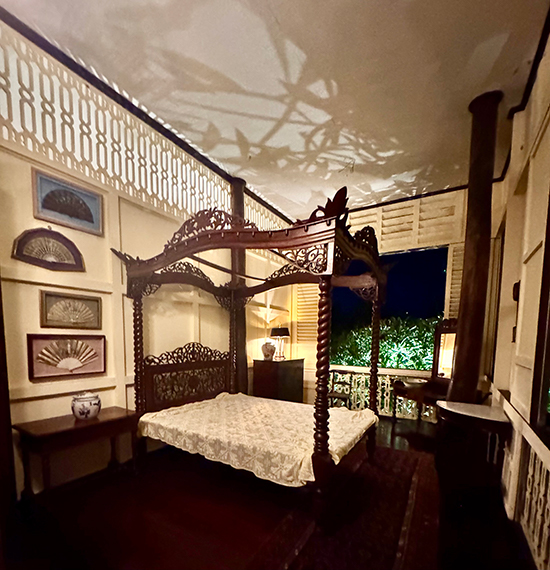
With its gleaming hardwood floors, capiz windows, calado wooden panels, and valances above heavy wooden doors, Casa Paquita is Spanish colonial art and artistry under a roof. True to manors of the era, they were designed to adapt to tropical living with ventanas and ventanillas that opened wide to catch the breeze.
Casa Paquita is named after Jaime’s late grandmother, Francisca “Paquita” Arnaiz Ponce de Leon, who was born in 1909.
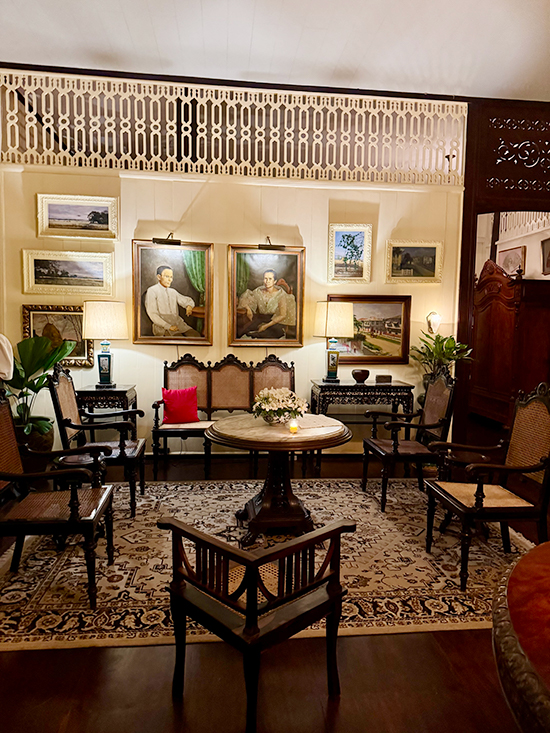
“I grew up with her. She was just amazing. Everybody loved her. She was very gracious; I have never seen her mad, and she made everything look beautiful around her,” says Jaime of his Lola Paquita.
The house did not always belong to Jaime’s family. It was a bahay na bato on a property that was up for sale when Jaime chanced upon it.
CONTINUE READING BELOW

“And the moment I saw it, immediately I said, ‘Oh my goodness, what a loss for Dumaguete. This house will be demolished and will go to oblivion’!” Jaime recalled during an eight-course dinner he hosted for some friends from Manila and Dumaguete in the restored turn-of-the-century home.
He immediately negotiated for the purchase of the house’s structure (not the land it used to stand on)—lock, stock, and barrel—down to the banggerahan in the kitchen.
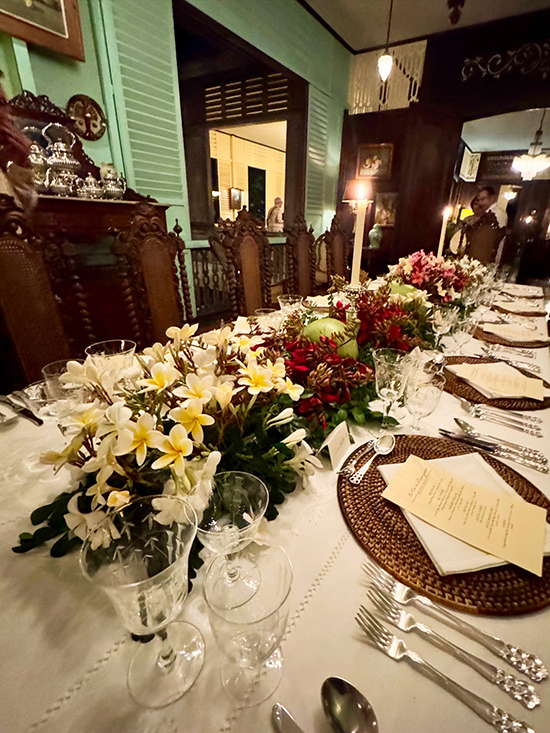
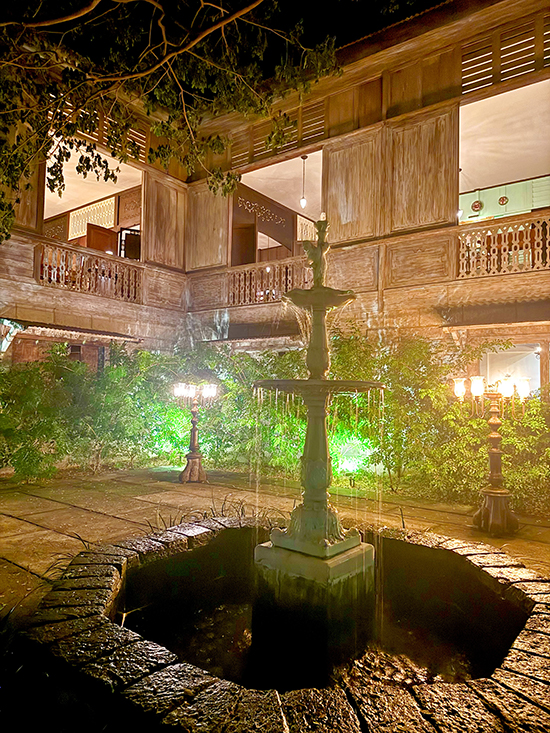
“Luckily, we were able to purchase the house, and I had this property, which is just around a kilometer or two away from the original site. It wasn’t that far, but the trouble was having to number the planks of wood, the trusses, everything. We had to follow everything correctly,” Jaime describes the meticulous and painstaking process of transferring every part of the old home to its new location and restoring it to its original glory. Casa Paquita’s new home, if you will, is embraced by old trees that seemed to welcome it. Jaime added an antique fountain on the driveway that he bought in Mexico and shipped to the Philippines to add to the old-world ambience.
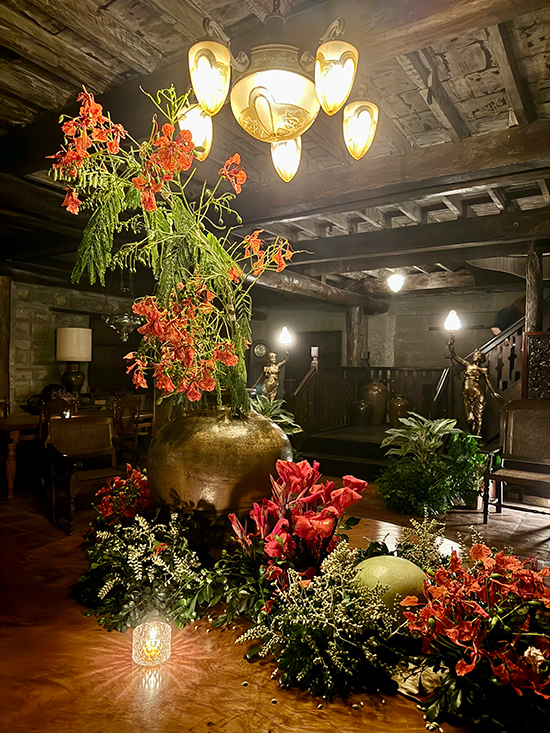
“The floor plan, the layout of the house is original. In fact, it had no bathroom—but came with an original orinola,” Jaime says. So he had a modern bathroom installed for the convenience of guests at the silong (ground floor) of the house.
The dinner
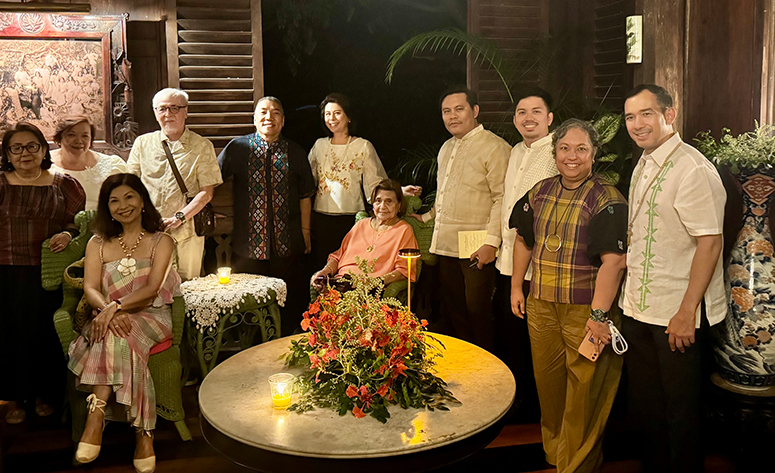
The dinner Jaime hosted at Casa Paquita was a gustatory ode to Dumaguete, “a tribute to the flavors, traditions and hospitality of Dumaguete and Negros Oriental.”
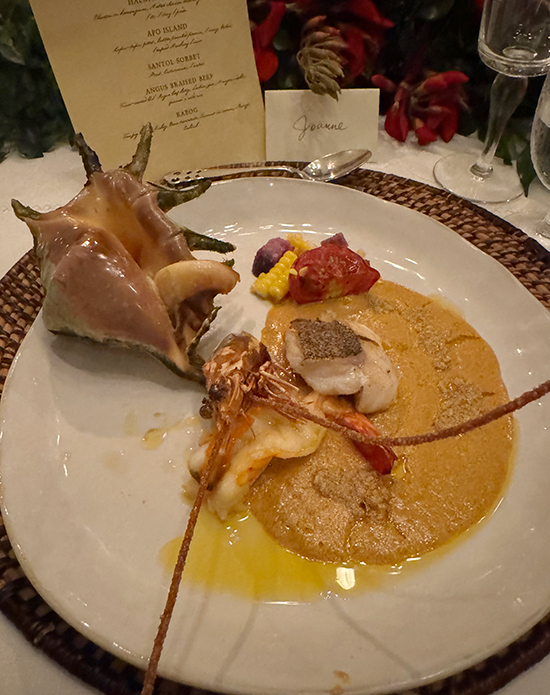
In the comedor with its 14-seater narra table, we were served Binakhaw (fish kinilaw in sinamak) and Mt. Talinis (smoked Negros burrata, watermelon, pechay in guava vinaigrette) for appetizers. Then came the Halang Halang (chicken in lemongrass served in a fresh coconut shell) and Apo Island (a seafood medley that was my favorite). These were followed by Santol Sorbet, with tiny bits of santol in the sorbet, a refreshing palate cleanser. After the sorbet came Angus Braised Beef with farmer’s wild rice, the latter served inside a banana leaf. And the perfect punctuation is something I am still dreaming of: Kabog. Consisting of local suman, tsokolate, and the sweetest mango chunks on coconut ice cream, kabog talaga!
Jaime Ponce de Leon’s art and hospitality, as reflected in Casa Paquita and the well-curated dinner he hosted, was, sin duda, an “Ode to Dumaguete.”
Daghang salamat!

WATCH: LGBTQIA+ people with unlikely professions
June 28, 2026
WATCH: Discovering Vietnam in three days
June 9, 2026