

The 2026 food forecast: Angelo Comsti highlights regional flavors, experiential dining, and the influence of the Michelin Guide
There is something about talking to Angelo Comsti that feels like opening a well-stocked pantry. You know there is order in there, you know the flavors have history, and yet there is always something surprising on the next shelf. I meet him as he prepares for another turn in a career that has kept him moving across kitchens, studios, farms, resorts, magazines, and brand-new ideas. He has worn so many hats I wonder if his head ever gets tired. It does, but he keeps going.
It started when he became the editor of a food magazine. “Researching about food trends in the country and around the world has since become a habit. I feel like it’s the responsibility of an editor to be aware of what’s happening in the industry and be a healthy instrument in making people aware of it as well,” he says. “I practice this to date, and it will definitely be of good use to me as I take on a new editorial role.” He has just put on a new hat, chief of editorial content for the soon-to-launch Philippine edition of Hearst’s global food media brand, Delish.
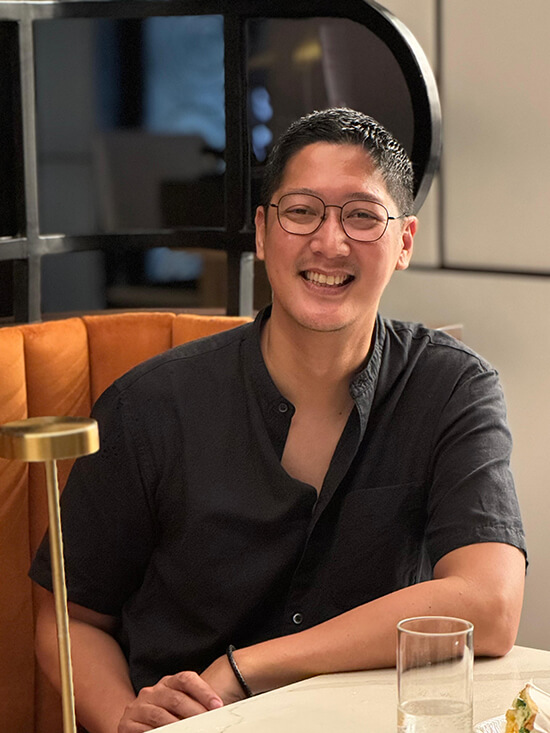
Angelo speaks of this discipline as ordinary. In his world, it is. In ours, it reads like a manifesto.
I invite him ahead to 2026. He finds it promising with more young chefs entering the scene with concepts that are tight and ambitious, grounded in long hours of kitchen work. Even as 2025 closes, we see hints of what is coming. Liyab by Charles Montañez and Flow by Kevin Uy are early signs. Taupe’s Francis Tolentino is about to be among the busiest chefs in the city with three new concepts opening one after another.
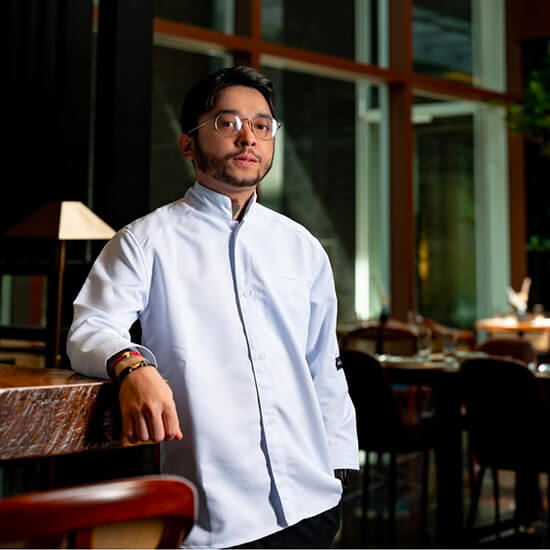
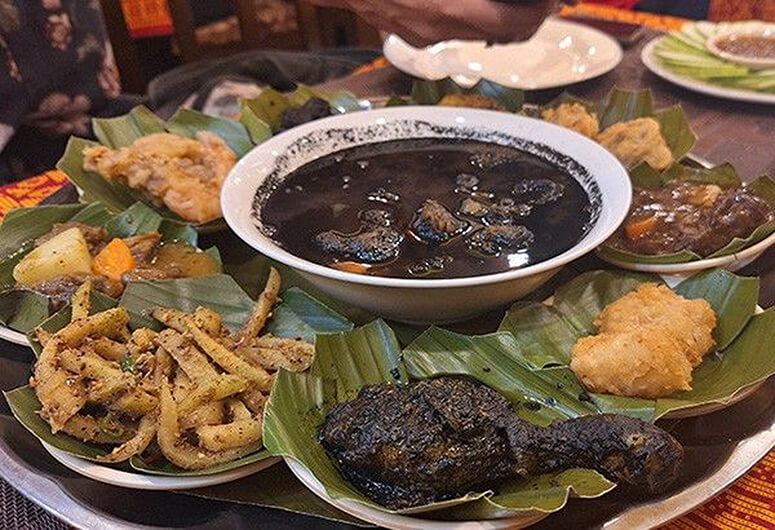
Angelo has been observing these shifts for years. He has a way of clocking small movements as if he is reading the tide. When I ask him what dish will step out of the shadows and emerge in the coming year, he says, “I’ve witnessed its growing presence in the Philippines, specifically in Manila, and given its prominence, I feel like tiyula itum is something many people will take great interest in next. It is a Tausug specialty described as a braised stew or soup seasoned with lemongrass, ginger, turmeric, and charred coconut. For one, its characteristically black color will induce curiosity. Another reason is that it is cooked with goat, sometimes also beef.”
CONTINUE READING BELOW

Tiyula itum refuses to be ignored. Dark and smoky, it is proud of its roots. It does not adjust its personality for anyone. Angelo sees its rise as inevitable.
The flourishing of regional dishes goes hand in hand with a new boldness in flavor. Angelo sees the return of the bright and the bold. “Ube and pandan had dominated the dessert world in the past years, while 2025 seems to have been ruled by hojicha and the chocolate pistachio kataifi combination, thanks to chef Nouel Catis,” he predicts. “In 2026, we can expect tangy and citrus flavors on sweet treats. Think yuzu meringue tarts, sudachi ice cream, or calamansi muffins, even cakes and puddings made with tamarind. Fermented flavors will make their mark. Sourdough pastries and miso sauces and syrups will have their presence felt. It seems like the tried-and-tested tandem of sweet and sour will reign supreme in the coming year.”
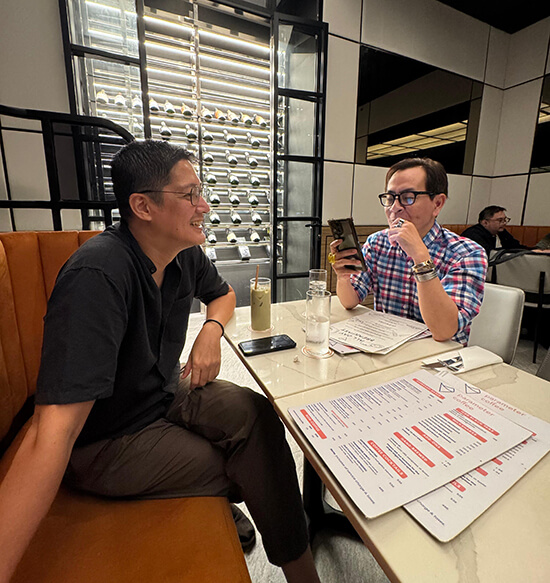
There is a kind of lift in his voice when he names these flavors. It is as if he can already taste the year. But when I ask about the bigger picture of Asian dining, he talks about imagination more than about plating trends or expensive ingredients. “Thanks to third-generation Asians with open and creative minds, we will see and appreciate fusion in a different light, one that’s casual yet refined, immersive, and clear and certain in influence,” he says, citing Toho Antigua. It’s a place older than any of us, founded in 1888, now run by Alvin Wong who has expanded its reach while keeping its soul intact. He also talks about Hapag run by Kevin Navoa and Thirdy Dolatre, where the meal unfolds like a tour of a Filipino home. “I believe that it’s the Asian restaurant’s storytelling that will leave an impression,” ventures Angelo. “The thing is, we do it well.”
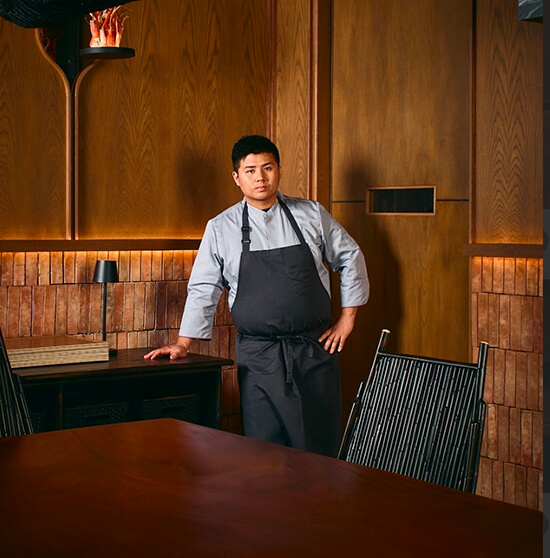
The curiosity and craft are being shaped by a larger movement too. The Michelin Guide has shifted the way we think. “The arrival of the Michelin Guide will not only bring awareness to noteworthy food businesses but it will also help standardize good food and operations,” says Angelo. “It will also help lure tourists, knowing that participating cities like Manila and Cebu have a long list of reputable restaurants worth dining in.”
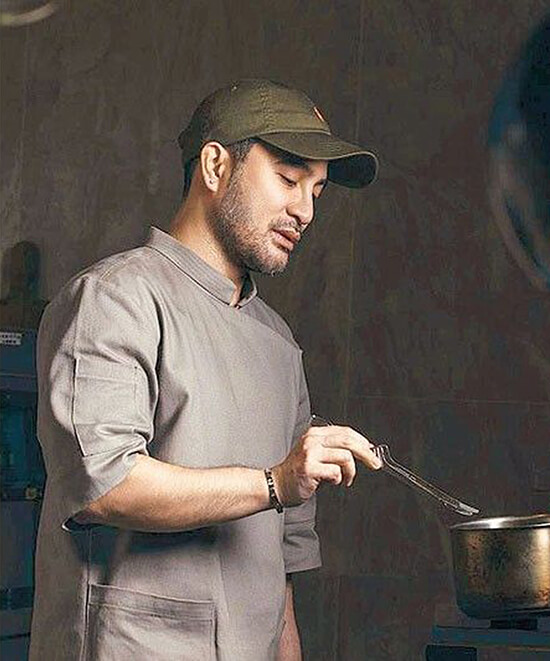
In a market that continues to feel the weight of inflation, I ask him how restaurants are responding. “These days, customers aren’t solely looking for delicious food,” he says. “They want a good experience, especially coming from the pandemic lockdowns. For them to step out of their comfortable routine, restaurants need to impress with a memorable dining experience.”
Angelo speaks of scent, sound, and movement as essential parts of dining. Guests want to be transported, to feel something. This kind of value cannot be measured by portion size. “Stimulate not just the tastebuds but their other senses with alluring scent, with vibes, music,” he says. “Transport guests with engaging storytelling. Entertain them with theatrics done tableside. Or have them participate by customizing their dishes or help in meal preparation. These tick the box of value for money as it does more than just them simply eating.”

He also predicts the emergence of hybrid venues. “We’ve been seeing them in the metro, but I think we will see more,” he says. “Specific examples include a Coffee Bean and Tea Leaf in the middle of an SM department store or Yardstick Coffee in a Maisonette clothing store. It’s basically combining shopping, drinking, and eating under one roof. Another good example is the grocerants or grocery restaurants, like One World Deli and Joel’s Place, where you can shop for cupboard and ref staples while sipping on your green juice and munching on a croissant.”
As for sustainability, he does not hesitate. No longer a trend, it is the rule, the new standard. Chefs will shape consumer behavior. Line-caught seafood will weigh heavier than frozen bycatch. Farmers who honor seasons will guide how we eat.
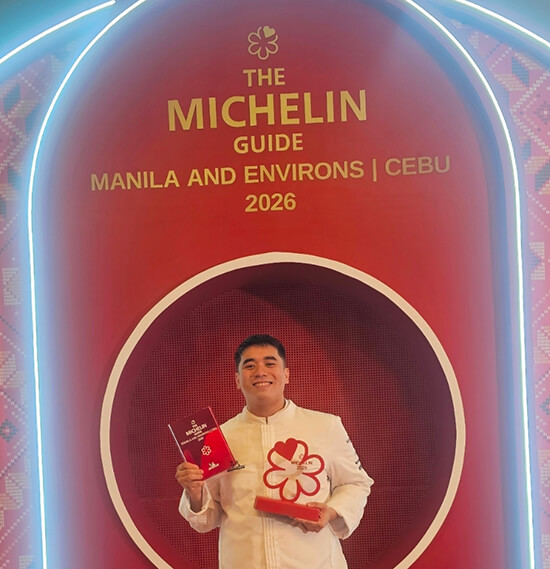
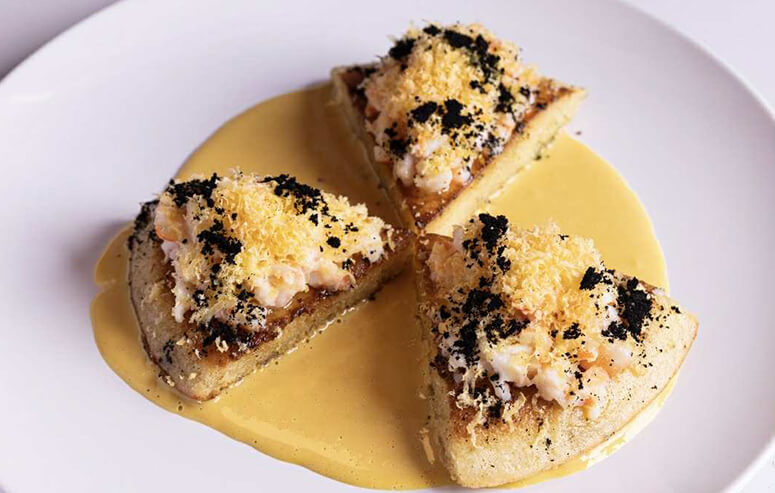
Gen Z has also changed the rhythm of the city’s appetite. This generation, according to Angelo, gives chefs permission to go a little wild. He has proof. The bibingka, more savory than sweet, topped with shrimp salad and salted egg sauce, has become a bestseller at Offbeat, the retro-modern bistro he co-runs with Michelin 2025 Young Chef awardee Don Baldosano. He cites other experiments happening across the city, such as AzukiToyo’s sweet-savory kakigori and El Born’s sun-dried tomato and honey cheese tartlet.
By the time we finish, the afternoon has slipped into the night. Angelo packs up, but he moves with the calm of someone who has lived inside this world long enough to know that food is not just pleasure. It is culture, identity, livelihood, and a daily act of hope.
If 2026 is as bright as he sees it, then the table ahead is wide open. And we are hungry for it.

WATCH: Can we talk about death and grief? (Generations Ep. 25)
October 14, 2026
WATCH: LGBTQIA+ people with unlikely professions
June 28, 2026
WATCH: How to experience Bangkok and Kanchanaburi in one trip
October 21, 2026