

The curator of the vanishing
In the Philippines, the rainy season has a way of blurring the lines between the earth and the sky. It turns the landscape into a vast, shimmering mirror where the mountains of the north and the mangroves of the south seem to float on the same liquid plane.
For Don Baldosano, the Michelin Young Chef awardee and the mind behind the one Michelin star Linamnam in Parañaque City, this fluidity is a philosophy more than a seasonal shift.
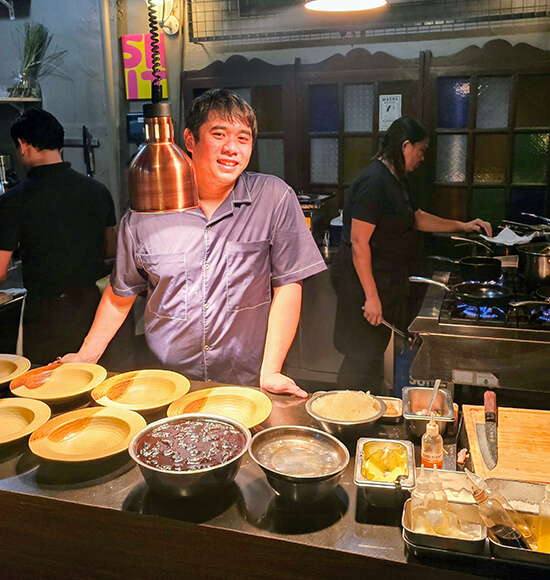
While most people in his position would spend their days off catching up on sleep or the administrative minutiae of a high-pressure kitchen, Don is elsewhere. He is a ghost in the marshlands, a figure moving through the silt of tidal flats, a vigilant observer at the edge of riverbanks where the road simply gives up and the water takes over. This restless pursuit has culminated in a menu that feels like a geography of the archipelago, an exploration of our inland wetlands, our seagrass beds, and the roughly 749,917 hectares of marshes that define the Filipino life.
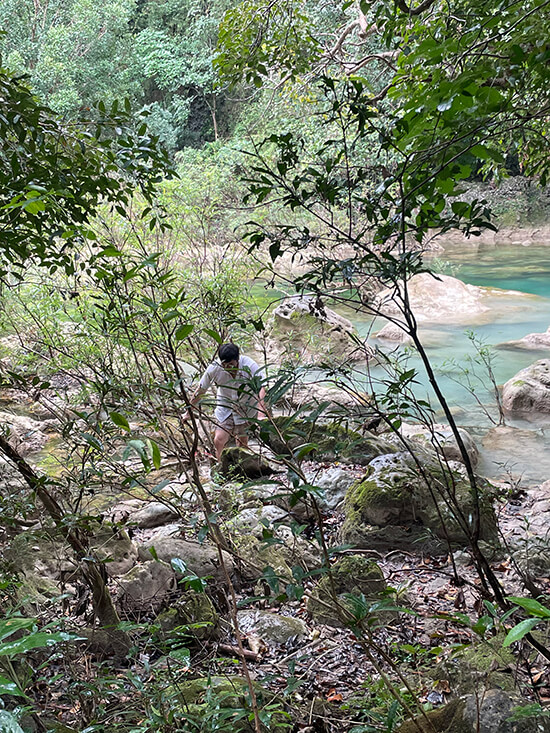
When I asked him why he chose to submerge himself so deeply in these damp, often overlooked margins, his answer was rooted in the very beginnings of our identity. “What drew me to focus in on coastal and wetland regions is the idea that a lot of our historical civilizations have always thrived in water, whether it was by the river or the open sea,” says Don. He grew up with the flavors of Capiz and Iloilo, a heritage that naturally gravitates toward the tide. “With my travels it was always apparent that our coastal regions are rich in gastronomy and diversity of ingredients compared to our inland regions.”
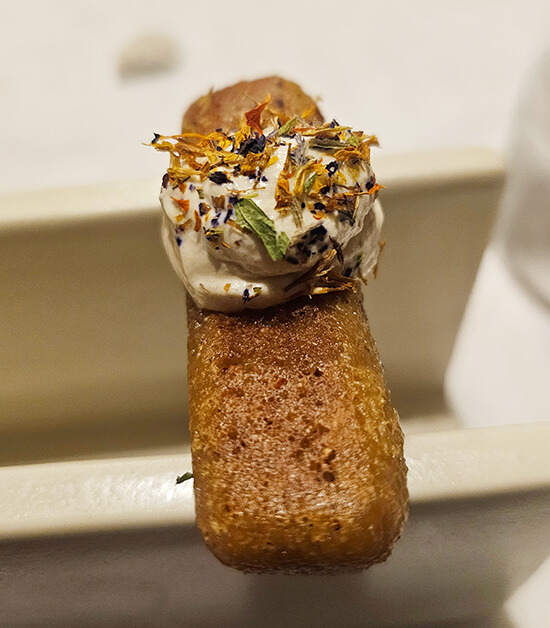
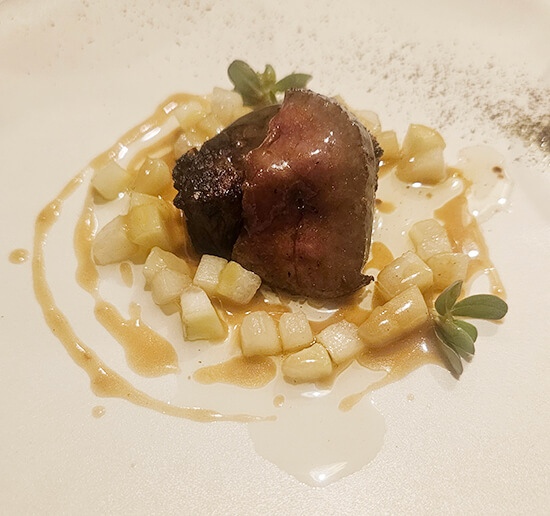
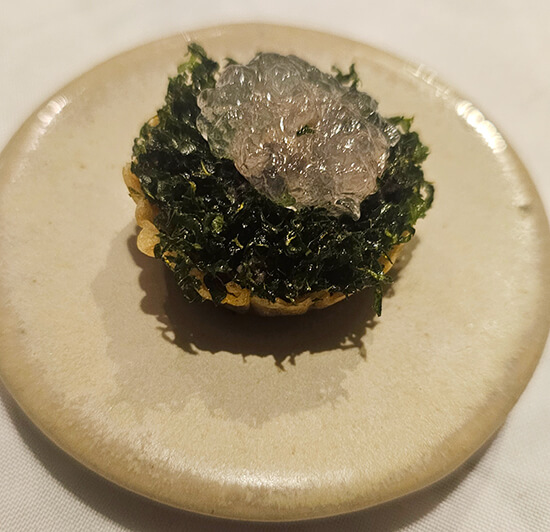
To dine at Linamnam now is to put on the explorer’s hat alongside him. The meal begins with Kagat, a section that acts as a prologue of sorts. There is Kabataan, a dish that captures the fleeting purity of youth through longsilog and kesong puti. It is followed by Tinapa, where wild pompano meets the bright, green notes of guava oil. There is a lean, almost startling honesty to the Mindanao beef, served raw against the dark, earthy depth of burnt coconut. Each bite is a testament to the sheer diversity of the Filipino landscape that is held together by the presence of water.
Don views the archipelago not as a collection of separate islands but as a unified maritime culture. “Our cuisine has always been dictated by the waters that surround us,” Don says. “What we get from the waters has a lot to do with the daily sustenance and even livelihood of many Filipinos. The waters have always been the medium for our nourishment, a lot of our staple dishes depend on the bounty of the sea,” he says, pointing out that our very efficiency in using these coastal resources has created the backbone of our flavor profile, from the salt culture to the world of ferments like patis and bagoong.
CONTINUE READING BELOW

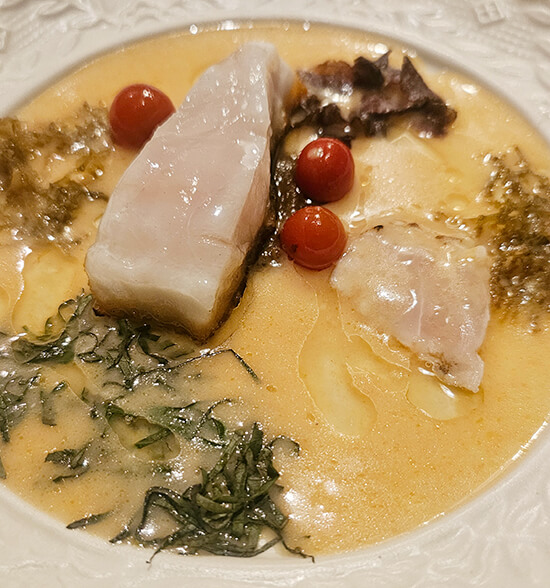
The middle of the menu, the Dagat and Lupa sections, highlights the tension between the shore and the soil. The Adobado features grilled shrimp and sweet potato leaf, while the Ginataang Kamari’s pairs aged seabream with the surprising richness of aged beef fat. It is a play on the ways these two worlds bleed into each other at the water’s edge.
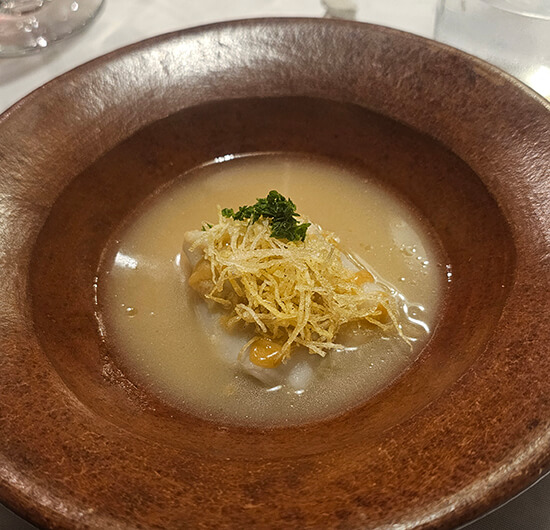
Then comes Lupa, where a delicate molo with chicharon broth brings the conversation back to the hearth. This dish is a profound nod to his father, who was famed for his version of the Ilonggo classic. “In honor of him we wanted to do the dish that he taught me, using his recipe and ideology that molo has to have an intense broth,” Don explains.
The most striking aspect of Don’s work is the lack of a rigid plan. His excursions into the provinces of Capiz, Cebu, Ilocos Norte and Quezon are improvisational. He starts with a hypothesis about a region’s potential based on its proximity to water and then simply heads to the market or a local carinderia early in the morning. “The whole idea is to be with the people,” he says. “Talk to the locals, from the fish vendors to the fishermen at the port to the local government workers. It is learning and getting knowledge from them.” This research has revealed a Filipino food culture far from stagnant. “What I understand about Filipino food is that it is not constant and it is always evolving,” he says.
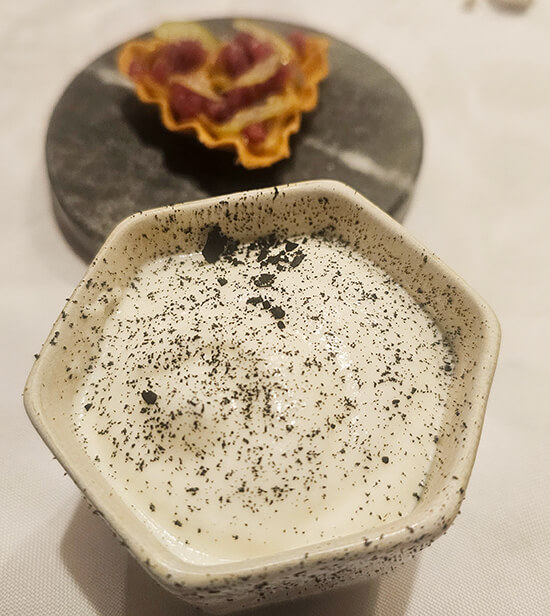
The climax of the meal is the Kanin. The Sunog na Kanin is a brave, beautiful study in contrast. It uses the bitter, toasted edge of Camoroso rice softened by the milk of Unoy rice. As a dish, it speaks of the fields and the paddies, of the labor required to coax a harvest from the mud. The experience moves into a space of cultural reflection. By the time the Tamis arrives, with its cogon grass ice and the layered density of the Gatas Gatas Gatas, milk whipped, burnt and unpasteurized, the diner has traveled the length of the country without leaving their seat.
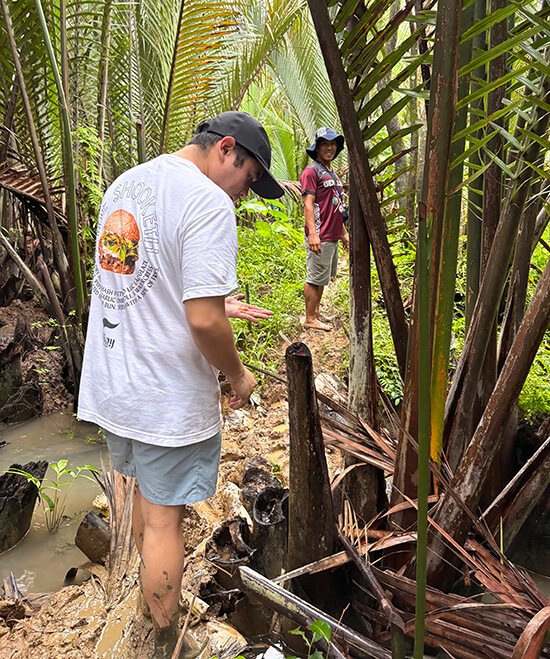
There is a deliberate restraint in how Don handles his finds. He is acutely aware of the responsibility that comes with taking an ingredient from a mangrove in Capiz and placing it in a fine-dining room in Makati. “I love cooking as if we are on a tightrope of keeping ingredients au naturel and playfully nostalgic,” he says. “Knowing where ingredients come from carries a responsibility. To have restraint so their true character can stand on its own, while having enough imagination to translate them for the modern diner.”
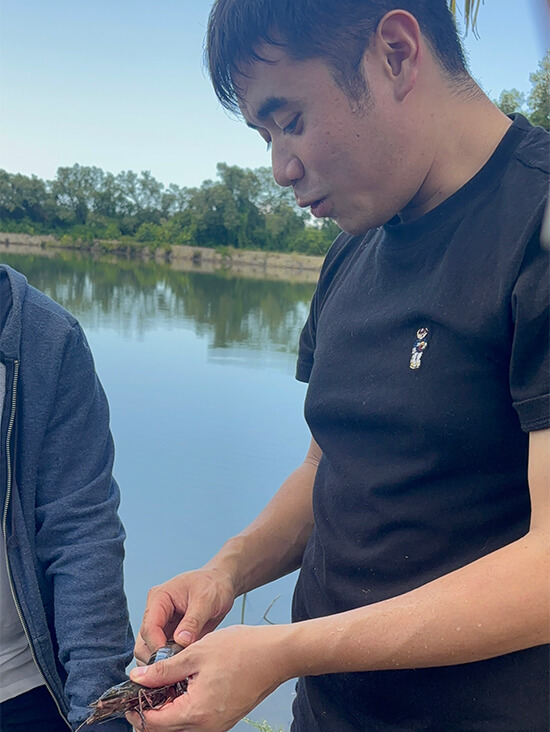
Don Baldosano is becoming a curator of the vanishing. He is documenting the saltpans and the artisanal techniques of the provinces before the tide of modernization washes them away. He admits he never used to care for documentation, but the past months have changed his perspective. “There has been a drive for me to ensure that these things do not die with me,” he says. He is considering writing a book to showcase the knowledge he has gathered through the years, ensuring that these waterborne curiosities are preserved for the next generation.
“The constant feeling of being a student in your own country is what fuels me to seek more knowledge about what it means to eat and live like a Filipino,” muses Don. At Linamnam, the result of this education is a menu that flows like a river, carrying the stories, the flavors, and the very soul of the archipelago to the table.

WATCH: Is OPM still as good as it used to be? (Generations Ep. 20)
September 9, 2026