

An Arirang-inspired vacay
On a 10-day journey from Busan to Gyeongju to Seoul, every spring day felt like the old folding into the new. It echoed the essence of Arirang, the traditional folk song that serves as the heartbeat of the latest BTS album.
In Busan, after a half-day, knee-friendly hop-on-hop-off bus tour (a godsend for the cardio-averse), we hit Songdo Beach. We easily burned off a heavy seafood lunch with a stroll along the Cloud Trails. It made me think of Manila wistfully: surely, the longer Manila Bay, with its breathtaking sunset, could be transformed into a similar skywalk. It’s a space residents would surely protect—not just for photo ops, but for its economic potential.
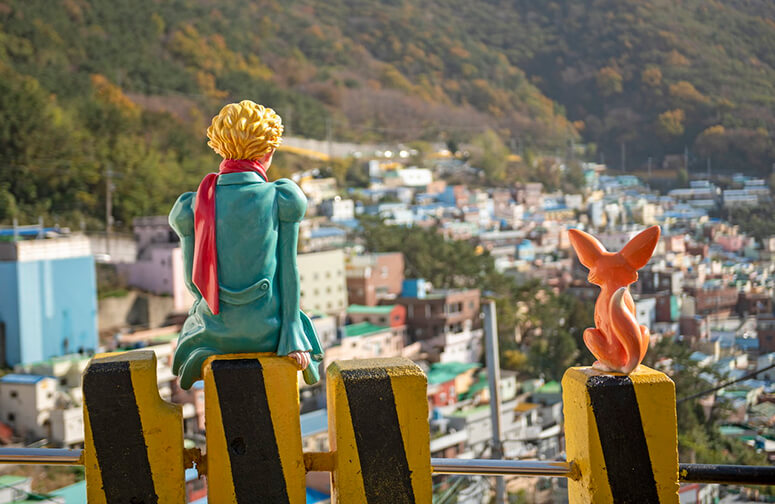
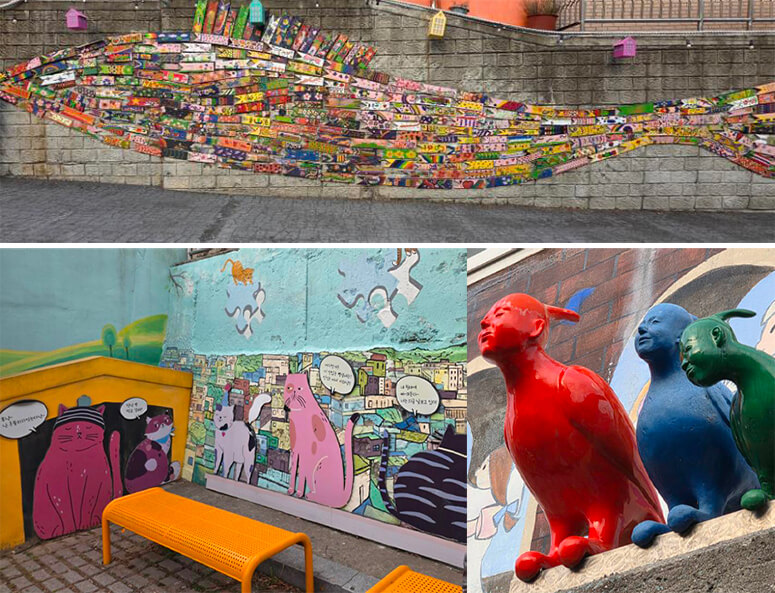
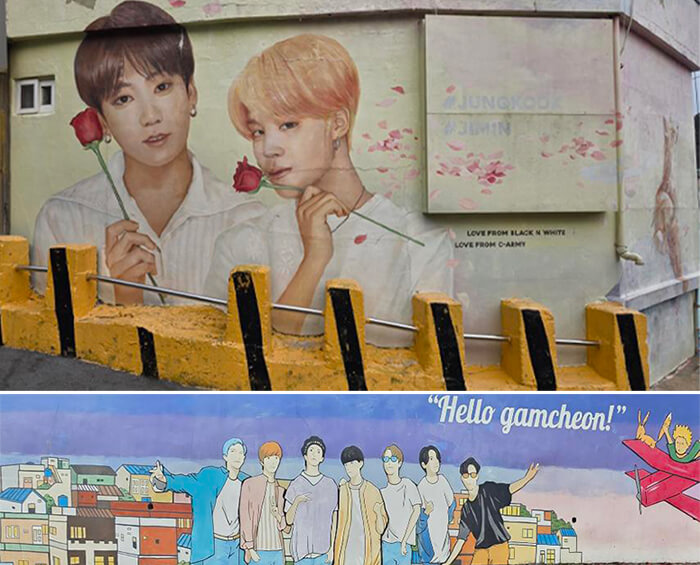
At the nearby Gamcheon Culture Village, we meandered through a kaleidoscope of pastel homes and quaint artisan shops. Amid murals (including the obligatory BTS sightings) and boho artwork, The Little Prince constantly reminded us that what matters is often invisible to the eye. Unfortunately, The Little Prince House opened exactly three days after our visit. Note to self: Check the calendar before chasing fictional royalty.
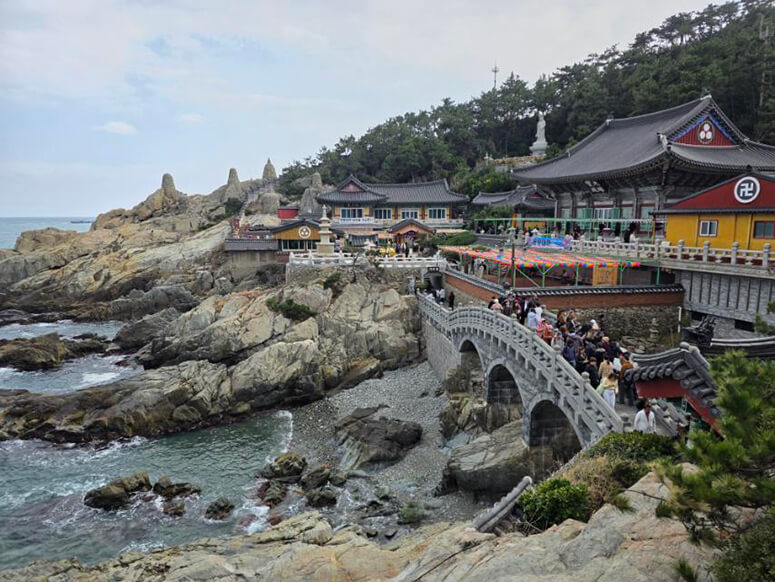
The next day, we reached Haedong Yonggungsa Temple. Unlike typical mountain retreats, this one sits dramatically on a cliff overlooking the ocean. Being there felt like stepping onto the set of Han So-hee’s My Name, though I dared not scale its 108 steps of “worldly desires.” My desires were mostly focused on finding a bench.
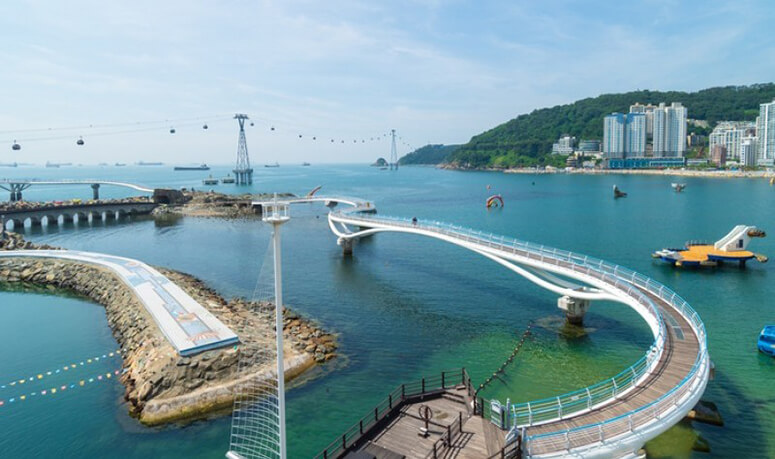
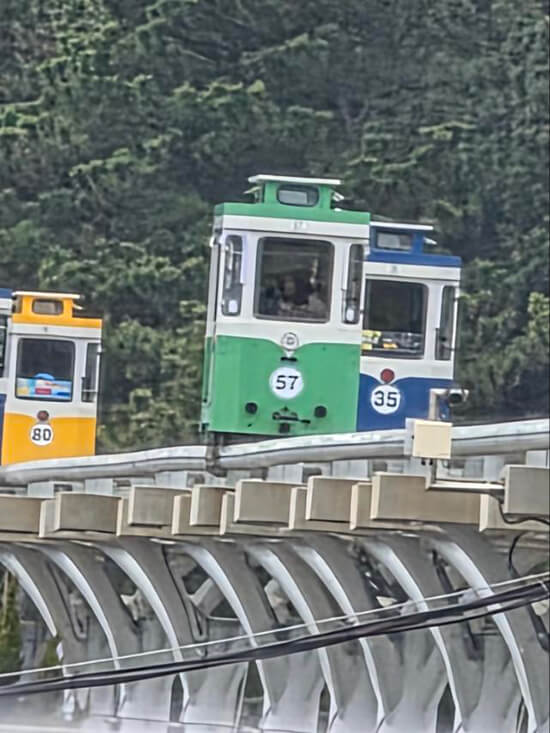
Boarding the Sky Capsule to Gwangalli Beach was a welcome relief after all the temple walking. It even felt like riding a Ferris wheel, only on a flat surface—a sleepy, scenic ride where time slows down enough to let you take a power nap or enjoy the contrast between the mountains and the sea.
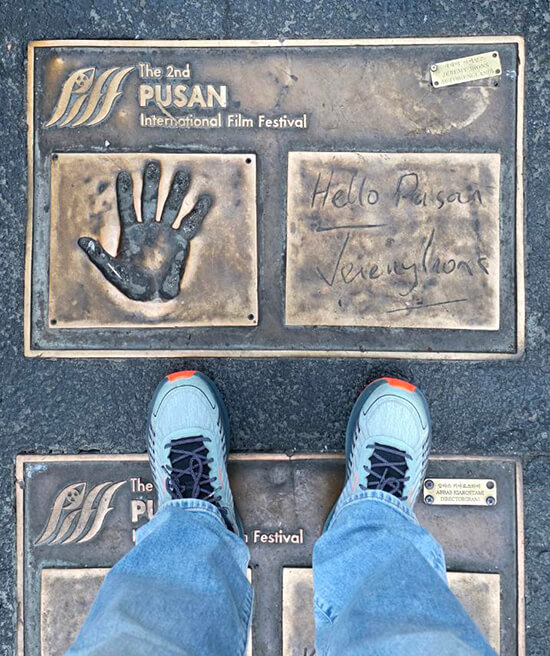
Even quieter was my morning at BIFF Square. Established almost 30 years ago to celebrate the Busan International Film Festival, it’s a neon buzz of street food and tourists by night. In the wee hours, however, it’s eerily silent. Even the early-morning markets in Haean and Jagalchi couldn’t mask the stillness. It perfectly captured the “Han and Heung” duality—that mix of sorrow and joy—that BTS reiterates in Arirang.

If Seoul is the Manila of Korea while Busan is its Cebu, then Gyeongju is Vigan—only older, wider, and more obsessed with unearthing relics and preserving secrets.
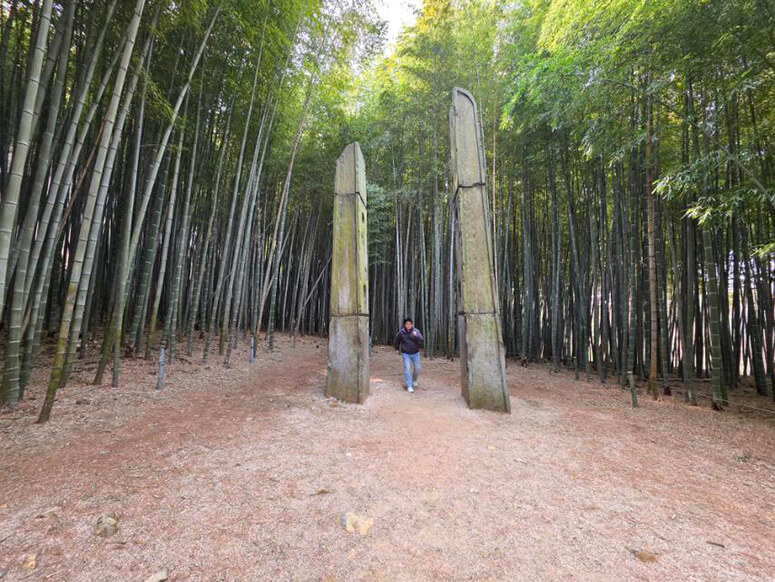
We visited the Ahopsan Bamboo Forest, where 400-year-old Geumgang pines have survived centuries of strife because a single family refused to let them go. Passing through the same stone portal used by Lee Min-ho in The King: Eternal Monarch to travel between dimensions felt like a “glitch in the matrix”—not unlike the standing stones of Kinloch Rannoch in Scotland, the real-life setting for the time-travel scenes in Outlander.
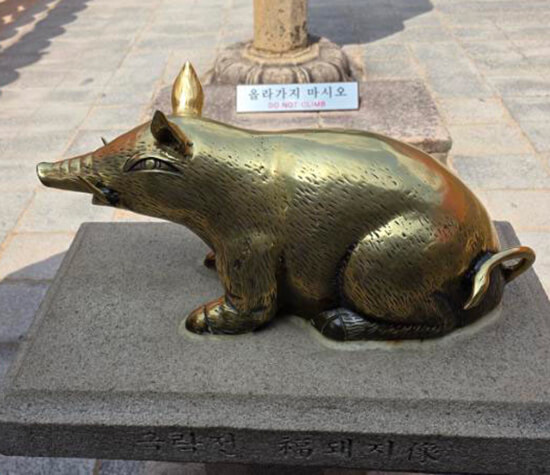
In another “parallel universe” moment, we met the “lucky pig” at Bulguksa Temple. Visitors rub the bronze statue for wealth and prosperity—a ritual strikingly similar to rubbing the snout of Il Porcellino in Florence. Apparently, seeking a financial upgrade via bronze livestock is a universal human trait.
Next was Gyochon Hanok Village, where we learned about the Choe clan. They maintained immense wealth for 12 generations not by hoarding, but by sharing, especially in times of need. Their “Six Instructions”—including never letting anyone within 40 kilometers starve (Instruction No. 5)—are lessons the modern world could desperately use.
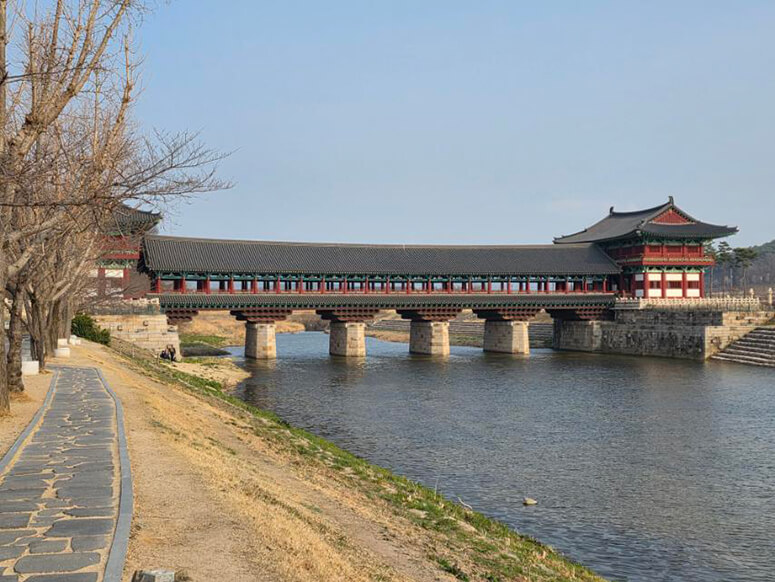
To round out the Gyeongju leg, we made quick stops at Woljeonggyo Bridge (stunning at sunset), the Five Royal Tombs (which look remarkably like Bohol’s Chocolate Hills), and Donggung Palace (the prince’s residence and party place).
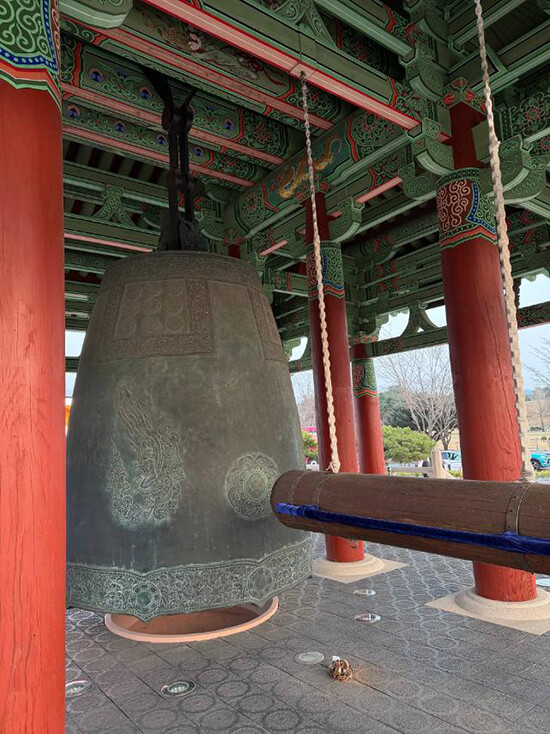
Known as “The Museum Without Walls,” Gyeongju made Arirang’s “No. 29” a physical reality. The interlude features the resonance of the Divine Bell of King Seongdeok (National Treasure No. 29, also known as the Emile Bell, which is housed at the Gyeongju National Museum). While we only saw a replica, the spirit of its “perfect tone,” captured in HD for the album, echoed through our walks—around 20,000 steps in a single day!
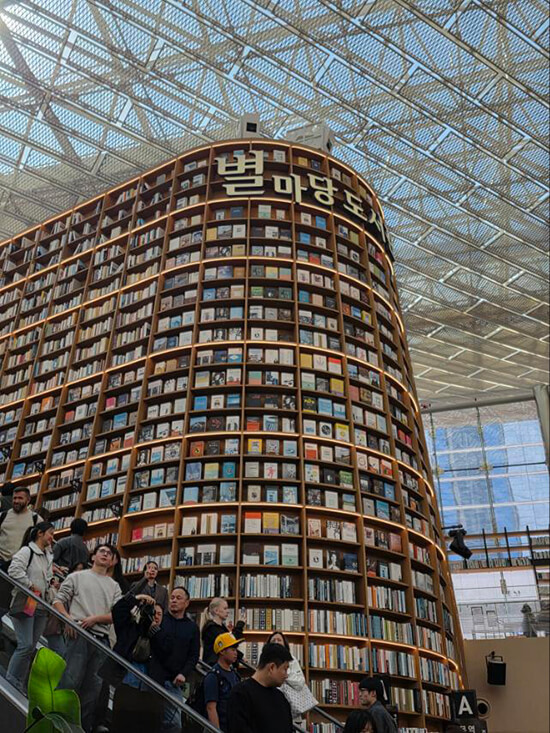
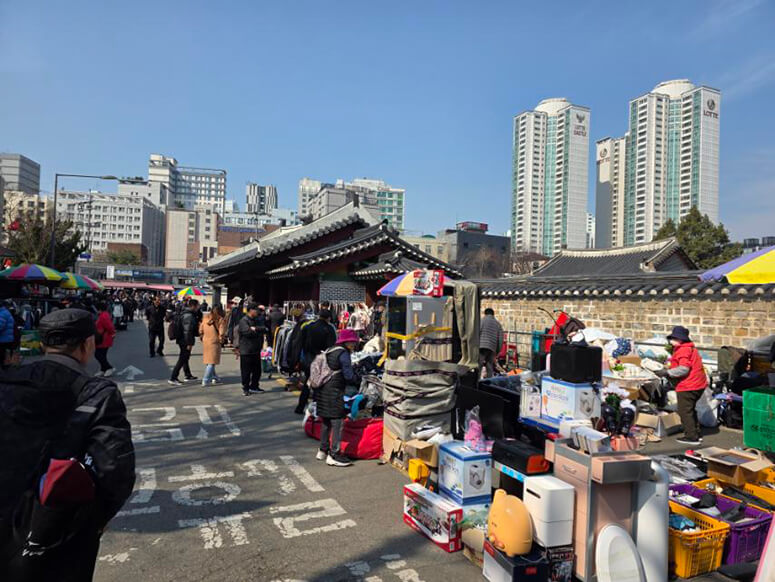
By the time we hit Seoul, the grand BTS comeback was in full swing. We squeezed in some classic tourist stops, like the Seoul Flea Market—a labyrinth of P600 suits, vintage vinyl, wristwatches from every generation, and the kind of “burner phones” you only see spies or K-drama villains using. We also wandered into the Instagram-famous Starfield Library at COEX, delighted at the sight of so many people appreciating books—by taking photos of them.
After days of relentless shopping and sightseeing, our bodies finally staged a protest. We needed a literal breather, leading us to an oriental medicine clinic for a moxibustion treatment, or tteum.
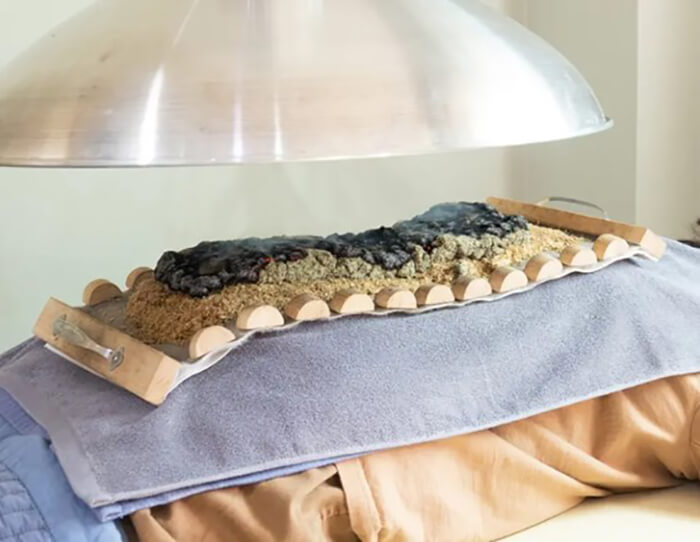
Think of tteum as the Korean cousin of ventosa. We spent an hour face down while layers of ginger and burning mugwort were spread across our backs. As the medicinal heat seeped into “expel the cold” from our muscles, the scene was anything but Zen. With industrial smoke vents hovering overhead to suck up the fumes, we didn’t look like peaceful patients; we looked like oversized strips of samgyeopsal sizzling on a grill.
As the smoke cleared and the “grilled meat” (us) finally stood up, the physical relief felt like a bridge between the two halves of the “Arirang” album. While the traditional song is a singular symbol of national longing, BTS’s 2026 version splits that sentiment: an energetic, stadium-ready first half (like the anthem Body to Body) and an introspective second half that explores personal evolution.
As for us weary travelers, the journey was like BTS’s transition after military service: a movement between who we were and who we were becoming. (Fade out with the sound of the Divine Bell of King Seongdeok.)

WATCH: LGBTQIA+ people with unlikely professions
June 28, 2026