

Xi’an: Cultural diversity in the birthplace of Chinese Civilization
XI’AN, China—Diversity and inclusivity are hallmarks of this city since ancient times when it welcomed foreign traders as a starting point of the Silk Road that stretched through Central Asia all the way to the Roman Empire, facilitating the international exchange of goods and ideas that presaged our interconnected global world today.
Sogdians and Persians are depicted in tomb figures from the Tang Dynasty, just one of 13 imperial dynasties that blossomed here, including the Qin that unified China in 221 BC and the Han that made it the capital, originally called Chang’an. Its historical and cultural importance cannot be stressed enough as one of China’s four ancient capitals, offering a plethora of attractions, from sacred temples and art treasures to crafts and cuisine reflecting its multifaceted population that pushes the economy forward as a growing industrial powerhouse.
Terracotta Army Museum
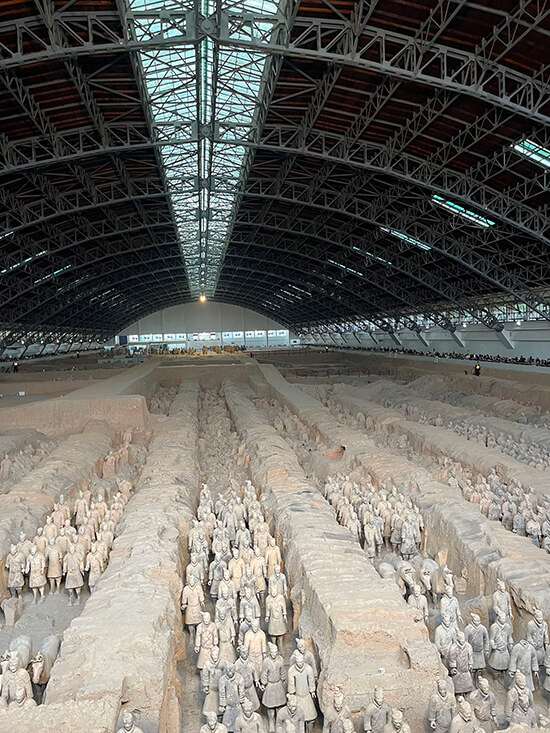
Xi’an’s crown jewel is no doubt the Terracotta Army of over 8,000 warrior statues that has become a most recognizable symbol of China itself, representing the country’s unification and the grandeur of its first emperor, Qin Shi Huang, who commissioned them to guard his tomb and defend him in the afterlife. This attraction has made the city among the country’s top destinations.
We were certainly one of the excited visitors, together with a group of 22 from the Philippines, for “The 3rd China Experience,” a project of former Senator Nikki Coseteng, with the support of Ambassador Carlos Chan, Larry Villareal and the Federation of Filipino-Chinese Chambers of Commerce and Industry, Inc. Nikki has been at the forefront of promoting and organizing cultural exchanges between China and the Philippines aside from being a Sinophile for the longest time, having roots in the country where her grandfather was the first mayor of Xiamen.
Even after more than 50 trips to China, the latest one just two months ago, and one already planned for March, she is still astonished by the changes taking place whenever she visits. “This place looks totally different from the first time I went. It’s now so organized and tourist-friendly,” she observed as we traversed the different archeological pits that have been housed in a modern museum complex that was teeming with visitors. “They actually don’t need international tourists since the local ones are more than enough,” she added.
CONTINUE READING BELOW

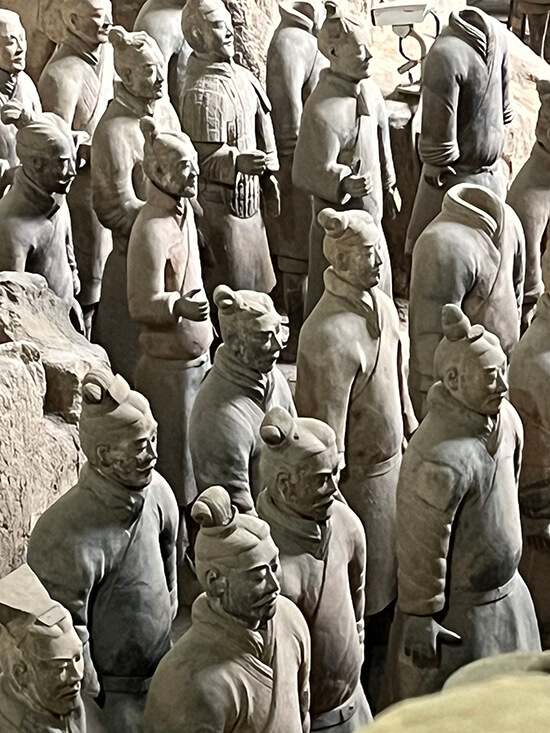
You certainly sense the pride they have in their country’s treasures, and you can see why. Photos and videos did not prepare us enough for the magnificence of these terracotta figures, all life-size, with the warriors ranging from 5’9” for the soldiers to 6’7” for the officers, each one different in face, height, uniform, and hairstyle from the next, while displaying an unusual naturalism relative to typical Qin era sculpture.
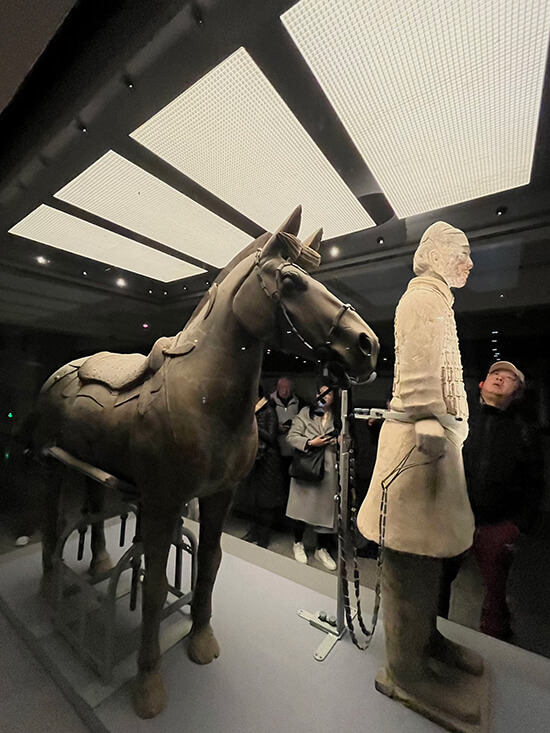
In their original form, painted with ground precious stones, they were even more realistic, but with Xi’an’s dry climate, the color coating flaked off in less than four minutes after removing the mud surrounding the army. Painstaking restoration of a figure, akin to assembling a jigsaw puzzle by multiple experts, takes anywhere from a few months to over a decade, depending on the damage.
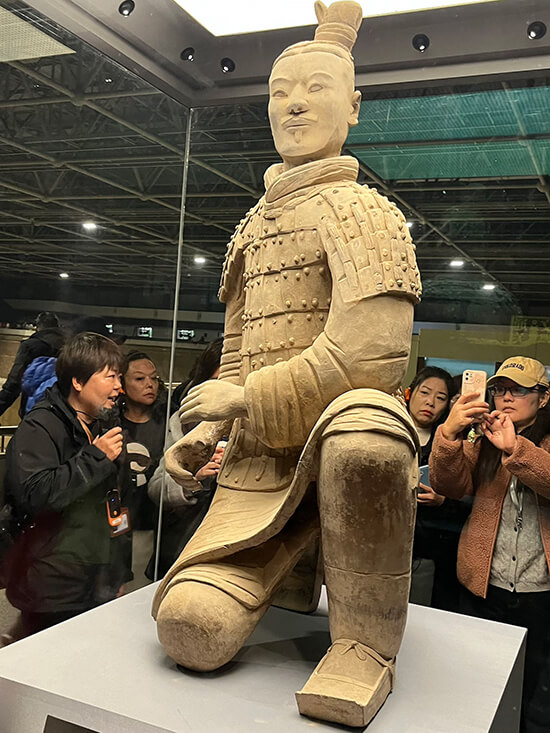
At the rear end of the massive stadium-like Pit 1, where the warriors are arranged in battle formation, is a laboratory station where restoration takes place. At Pits 2 and 3, one gets a closer look at figures with all the intricate details, including the “Lucky Boy” kneeling archer that was found miraculously intact compared to the others that were shattered to pieces.
On our way back to the tour bus, we were lucky to encounter Yang Gaojian, one of the farmers who discovered the terracotta figures while digging wells in 1974. You can buy a book on the warriors and have him autograph it if you are patient enough to wait in line.
Big Wild Goose Pagoda
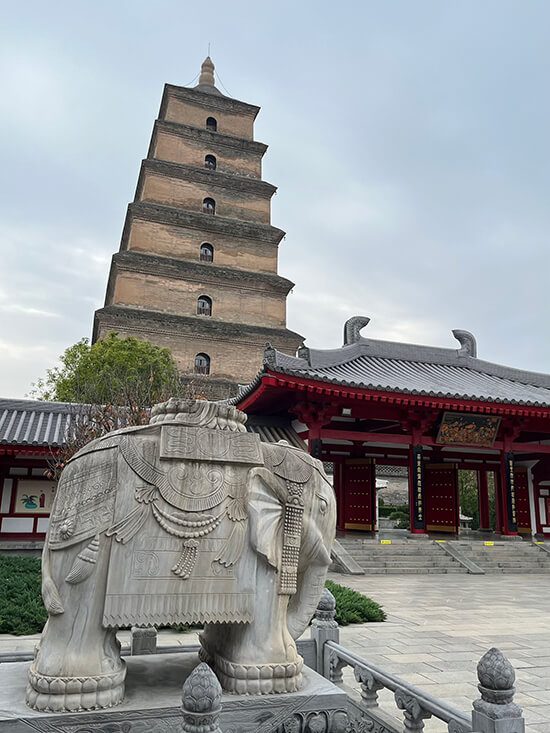
Aside from the Qin Shi Huang Mausoleum, another UNESCO World Heritage Site we saw was the Big Wild Goose Pagoda or Da’Cien Temple, one of the few major Tang-era buildings left in Xi’an, first built in 652 to store the Buddhist scriptures and statues that the great monk Xuanzang brought back from India.
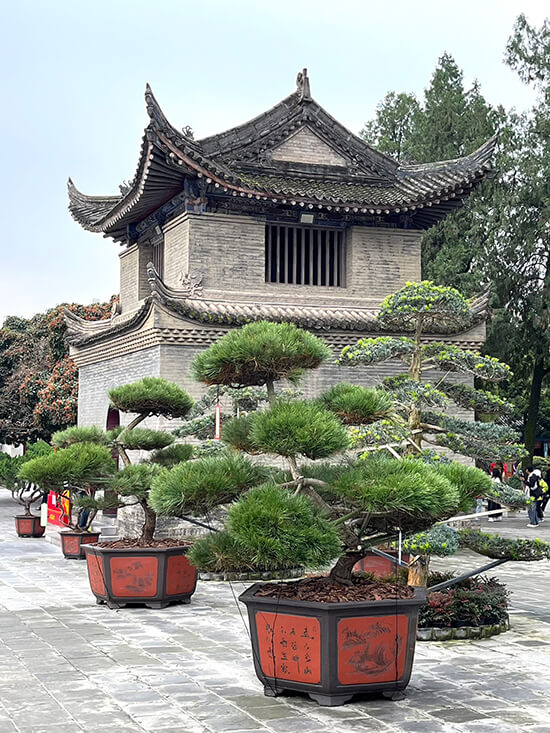
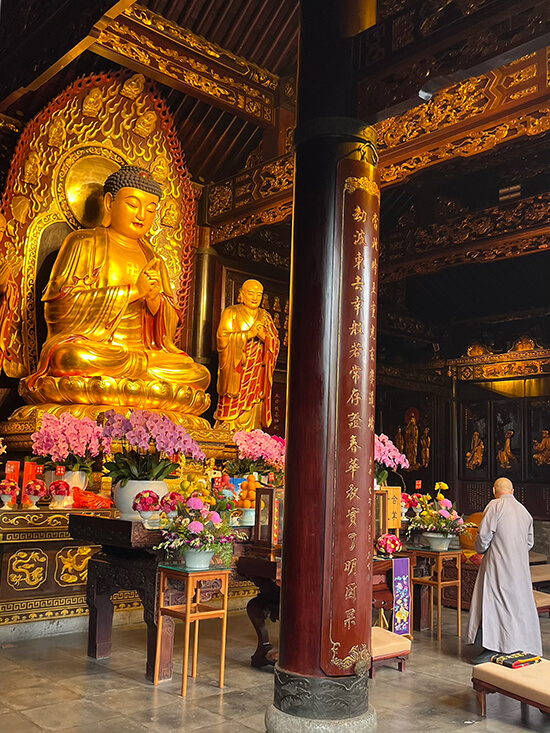
A marvel of Buddhist architecture with its pavilion style, its curious name is derived from the story of hungry monks who prayed for food and were rewarded with a wild goose that fell from the sky, a sign they heeded to become more pious and forsake meat, thereupon building the pagoda where the waterfowl landed. You can feel the strong sacred energy walking around this living temple complex, where you hear the chanting of monks in meditation and prayer from devotees who fill the air with the heady scent of incense offerings. Xi’an at this time was actually a major religious center where, aside from Buddhism and Taoism, there were Nestorian Christianity, Zoroastrianism, and Manichaeism.
Ancient City Walls
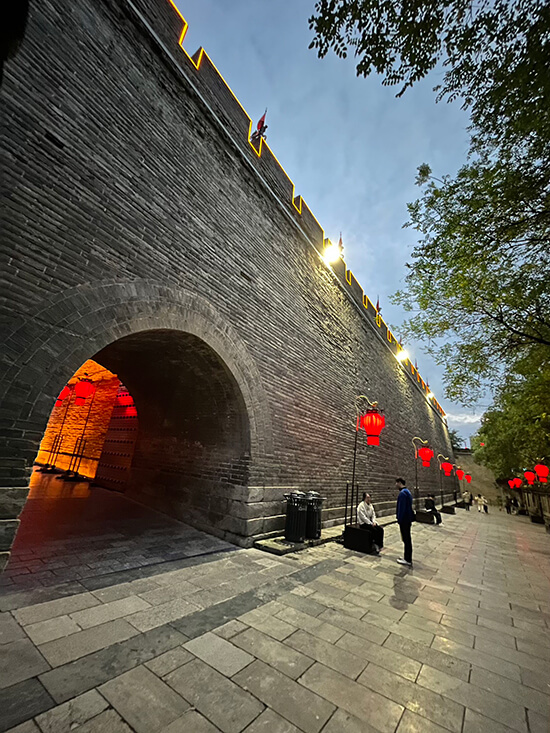
Xi’an’s Ancient City Walls
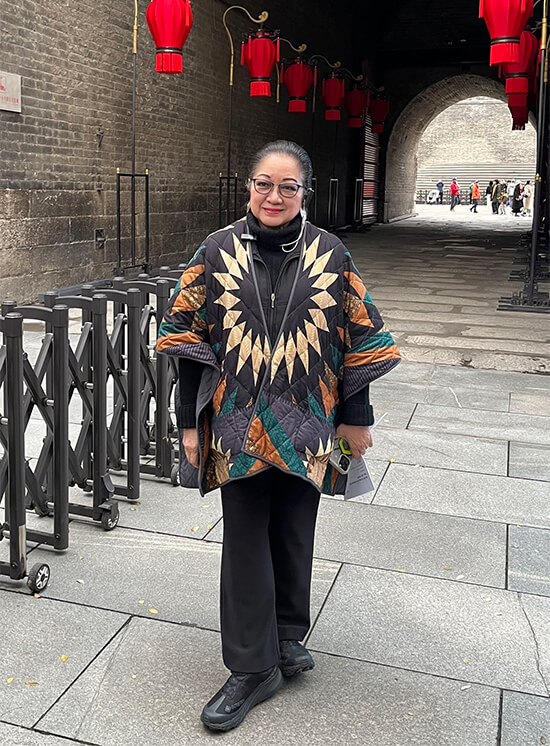
Former Senator Nikki Coseteng at the Ancient City Walls
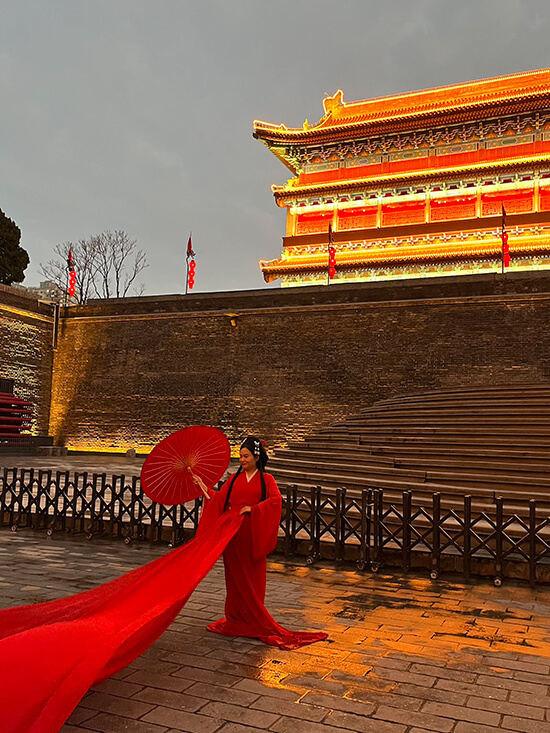
A fashion pictorial at the Ancient City Walls
Xi’an’s Ancient City Walls
Former Senator Nikki Coseteng at the Ancient City Walls
A fashion pictorial at the Ancient City Walls
CLOSE
We got a panoramic view of the city while soaking in history at the Ancient City Walls, one of the oldest, largest and best preserved of its kind in China, built under the rule of Zhu Yuanzhang, the first emperor of the Ming Dynasty, acting upon advice of the sage Zhu Sheng to build fortification for food storage facilities and protection against the Northern Yuan.
The walkway along the top would take around 4 hours to cover if you are so inclined. We settled for a few meters on different sides where there were craft and souvenir stores for retail therapy.
Xi’an Museum
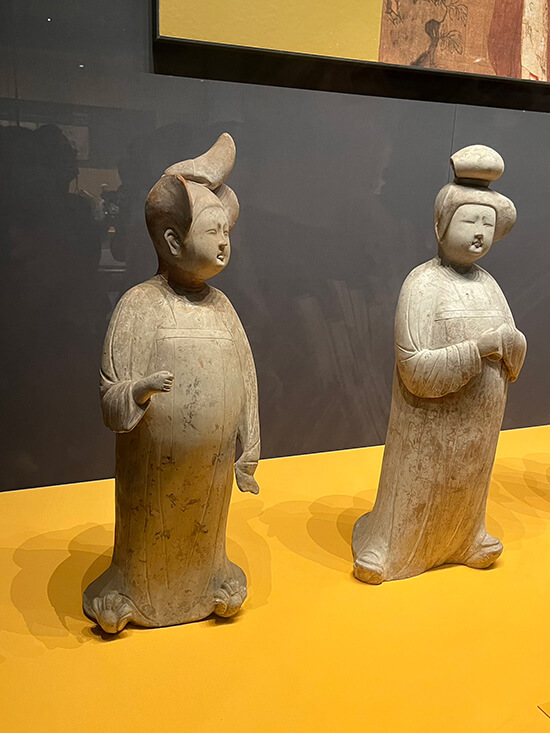
Tang lady sculptures at Xi’an Museum
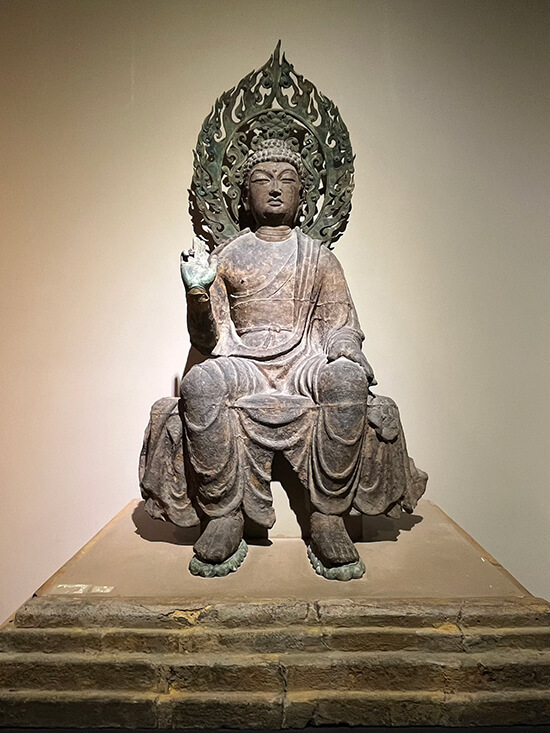
A bronze buddha at Xi’an Museum
Tang lady sculptures at Xi’an Museum
A bronze buddha at Xi’an Museum
CLOSE
The museum is a must to get an overview of the dynasties in Xi’an’s history. Like many museums we visited through the years, a second or third visit is needed to appreciate over 130,000 historical relics. Highlights include Tang Dynasty lady sculptures, stone and bronze Buddha figures, and Chinese calligraphy and paintings.
Xi’an Shopping
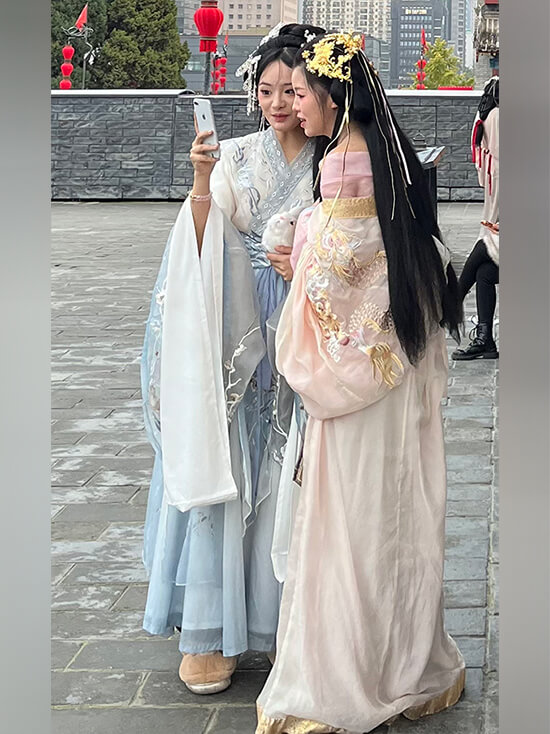
Embroidered silk garments from Xi’an
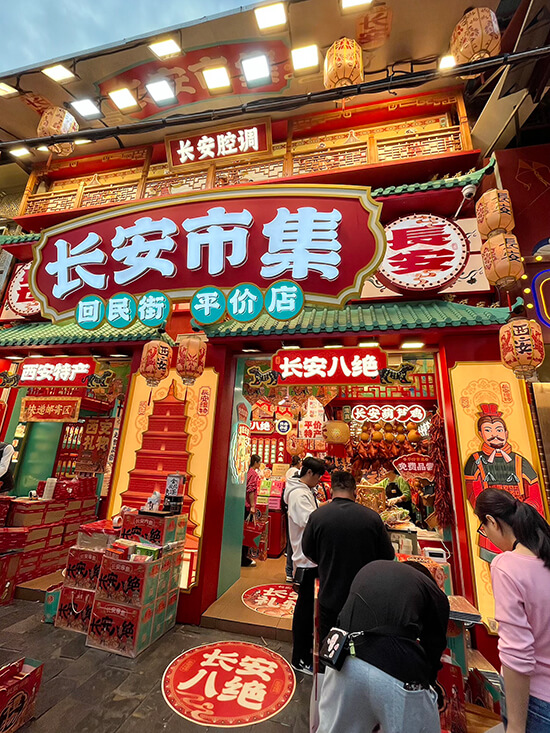
A shop in the Muslim Quarter
Embroidered silk garments from Xi’an
A shop in the Muslim Quarter
CLOSE
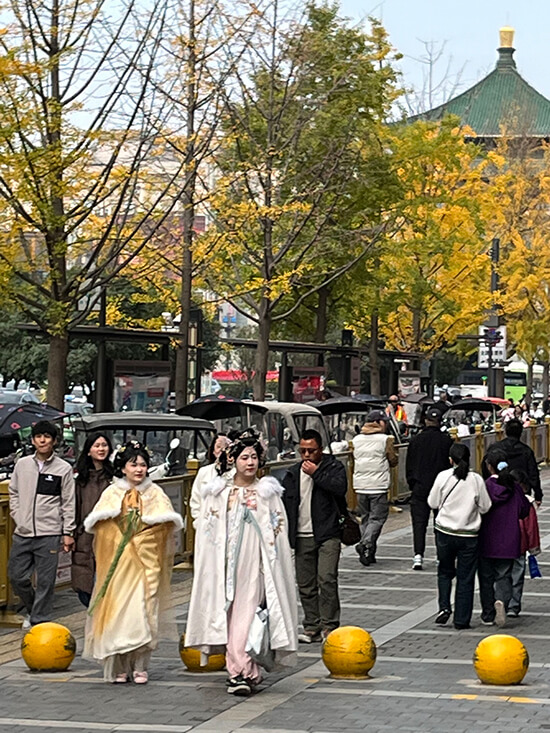
At the museum shop at the Terracotta Army site, you can take home a piece of the dream with warrior replicas from pocket size to life size. There are also shops on the way to the parking area, selling delicious nougats and other sweets made on site. We saw some beautiful silks and brocades, some worn by visitors who rent them from costume shops where they get dressed and made up with wigs and full Ming era styling. These shops also sell new pieces like wrap-around skirts and fashion accessories, which can look very contemporary. Jade, pearls, porcelain, and specialty tea are also good buys, as are intricate craft items like cut-out paper art and shadow puppets.
Xi’an Cuisine
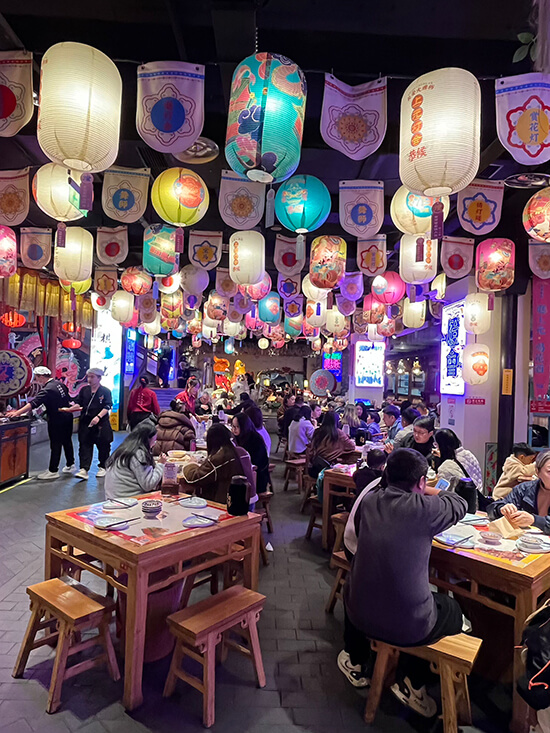
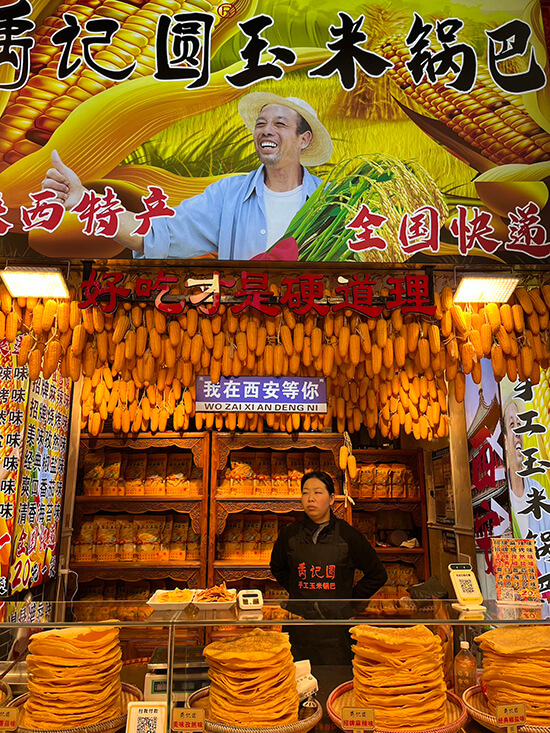
There is a lot to discover in Xi’an’s culinary scene because of its diverse heritage, shaped by interactions with various cultures on the Silk Road, resulting in unique flavors and ingredients. The Muslim influence is reflected in dishes where lamb is a popular protein, seasoned with cumin and other Middle Eastern spices.
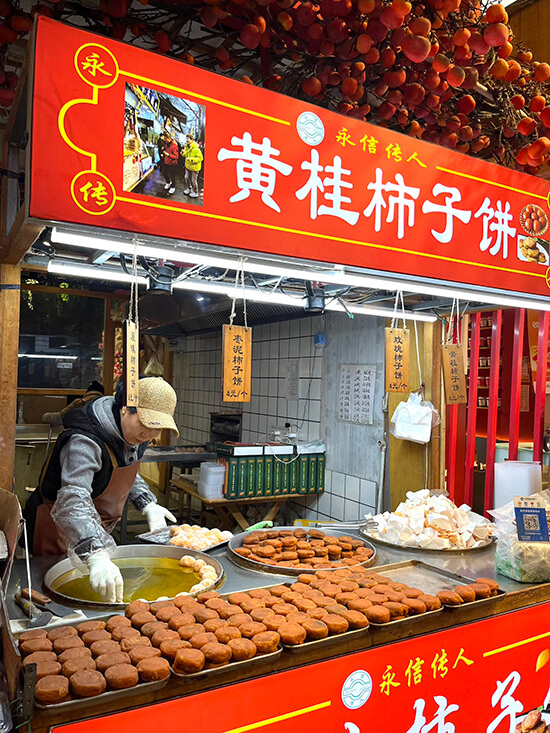
Paomo is a signature dish of crumbled pita bread soaked in a mutton stew, while roujiamo, the “Chinese hamburger,” is a tasty spiced lamb or pork in freshly baked flatbread. You can enjoy these at the Muslim district together with other street food like freshly baked persimmon cakes.
Biang Biang is the iconic Xi’an dish with just one long, wide noodle served with bean sprouts, garlic, and Sichuan pepper. The complicated Chinese character for it was specially invented to represent the sound biang as the noodles are hit against the worktop while being pulled.
Sandelongfanzhuang (029-87398410) was one of the good restaurants we tried, also serving Chinese and Northwestern Chinese dishes; together with The Food Gallery of Xi’an (029-81770066), which has vibrant folkloric décor aside from delectable food. Both are patronized by locals.

WATCH: Is Gen Z too soft? (Generations Ep. 23)
September 30, 2026
WATCH: Do you still believe in marriage? (Generations Ep. 17)
August 19, 2026