

Filipino flavors in Sweden from a Michelin-Star chef, an artisan café, and a Pinoy pop-up
Filipino cuisine is having a moment in Sweden with the recent launch of a Filipino cookbook in Swedish, an artisan café in Stockholm, and a pop-up in the second-largest city, Gothenburg.
Halo-Halo is the first Swedish book devoted to Filipino cuisine, an elegant hardcover featuring recipes and styling by Michelin-star chef Joel Åhlin and images by international food photographer Lennart Weibull, who both described the book as “a tribute to our mothers.” Soon, the book will be available in English from an international publisher.
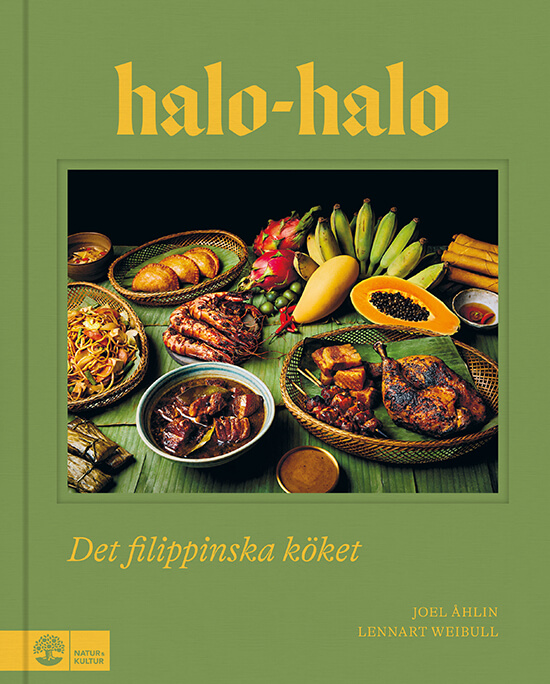
More than a cookbook, Halo-Halo combines history, storytelling, and approachable recipes with ingredient substitutions. Åhlin and Weibull also regard the book as a tribute to their younger selves, the “brown-eyed boys who grew up in Sweden but did not look like everyone else.” Weibull’s mom is a nurse, and his dad is a Swedish sailor, while Åhlin’s mom was a flight attendant who met his Swedish dad, who was a tour guide.
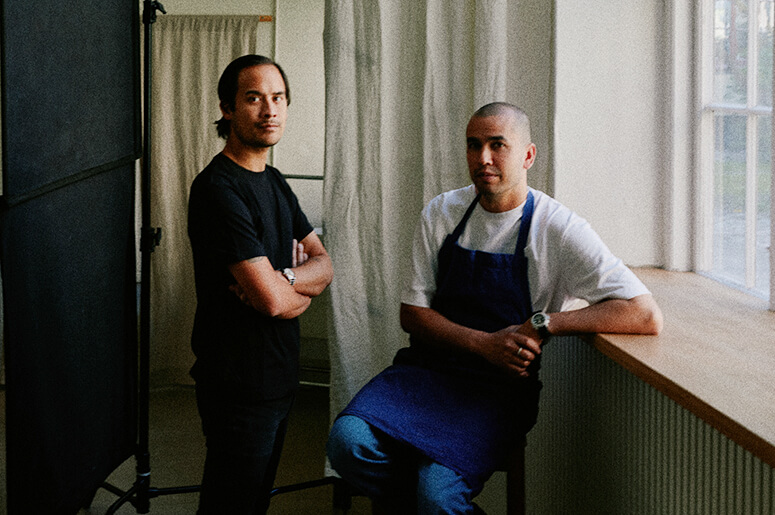
It took Åhlin and Weibull several visits to the Philippines and over a year to finalize the book, published in 2025 by Natur & Kultur in Swedish, as a guide for Swedes who want to start cooking Filipino food.
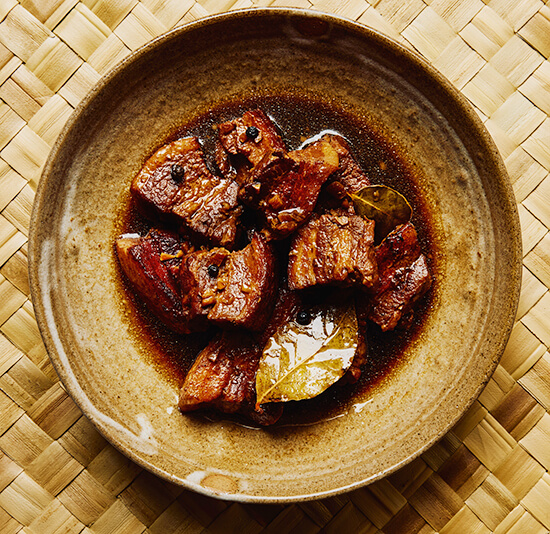
“The recipes are a balance of precolonial, colonial, and Chinese dishes, with some American influence, such as the sweet spaghetti and fried chicken combination,” Åhlin said. “Adobo is the first dish Swedes usually try. I made it during a cooking demo at a book fair in Gothenburg, and almost everyone in the audience was curious.”
CONTINUE READING BELOW

Åhlin earned a Michelin star for his modern Nordic restaurant Agrikultur in Stockholm, which has since closed, and evolved into the more relaxed Bar Agrikultur, which is recognized with a Michelin Bib Gourmand distinction. Weibull shot several cookbooks in Sweden and also photographed for Martha Stewart and Bon Appétit.
Filipino-style still-life
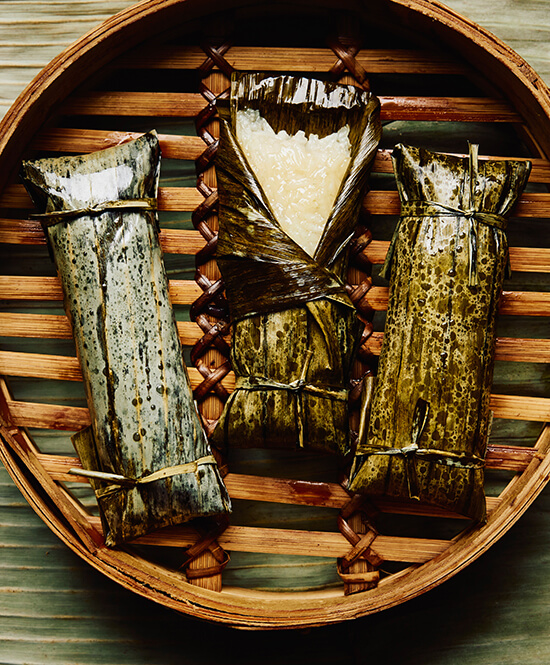
The cover features a table of Filipino favorites, including pansit, inasal, empanada and suman laid on banana leaves. In the book, Lennart said that the image evokes the nostalgia of the still-life paintings of Filipino fruits that he always saw above the kitchen table as a child, a piece his family carried with them when they moved from the US to Sweden.
“My mother is from San Andres, Quezon, and when I was six years old, she took me and my older siblings there for the first time. It was chaotic and wonderful all at the same time. People, tastes, and smells were so different from anything I had experienced,” Weibull notes in the book.
It took Åhlin over 16 visits to the Philippines before he finally got the “aha” moment of creating Halo-Halo, after being inspired by a Christmas feast of whole lechon, lumpia and barbecue —his favorite Filipino comfort food.
“It was special to meet Lennart and realize how similar our backgrounds are, and that we both felt a need to understand more about ourselves in relation to the Philippines, a place that I have appreciated but perhaps not fully embraced. Having children myself who are also not blonde, I want to teach them more about their grandmother’s country,” Åhlin said in the book.
In Swedish, J is pronounced as Y, so when asked if he was called “Yo-el” or Joel in Manila, Åhlin replied: “Kuya!”
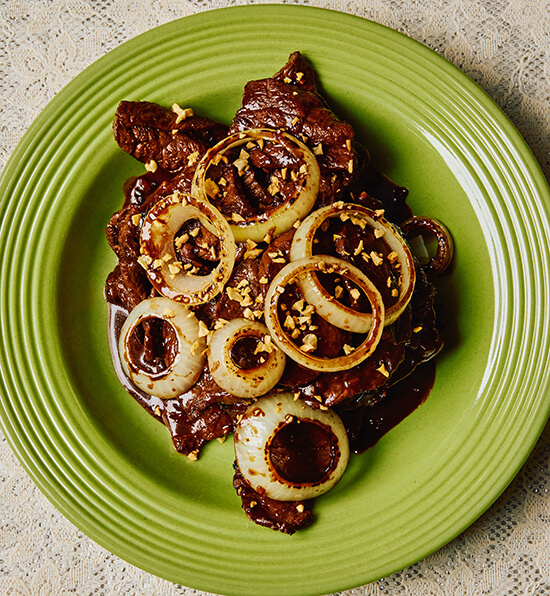
Since Halo-Halo was published, Åhlin has been featured in Swedish media as he’s introduced other Filipino recipes such as Bistek Tagalog and Bicol Express, which have had good feedback from both Swedes and Filipinos, who are proud and delighted to see their everyday ulam gaining more attention.
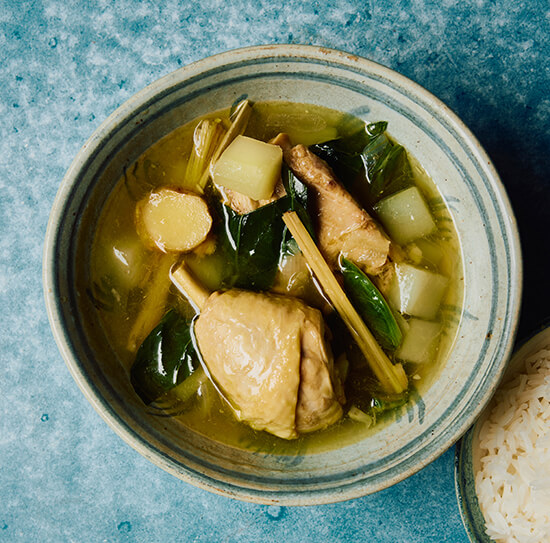
Åhlin said he got his wish list of recipes for the book and, at the same time, recognizes that almost every Filipino household has a version of their own kaldereta and kakanin.
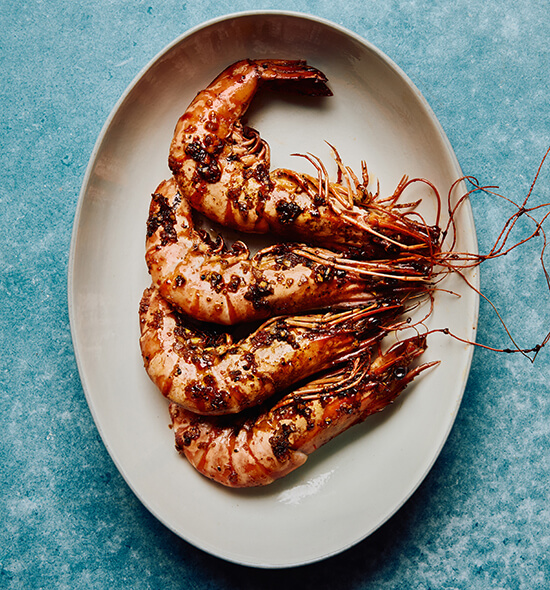
“Recipes change per region, of course. The book was published, at first, for Swedish readers who may not be familiar with Filipino cuisine. Having it translated to English gives it more international reach. It is for Filipinos overseas, or anyone who wants a book, a token centered on the Philippines,” Åhlin said.
That is what the Philippine Embassy in Stockholm did when they ordered several copies of Halo-Halo for distribution — the next best thing to an actual halo-halo. There are around 24,000 Filipinos in Sweden, a country of over 10 million people.
Ube Semla at Taza
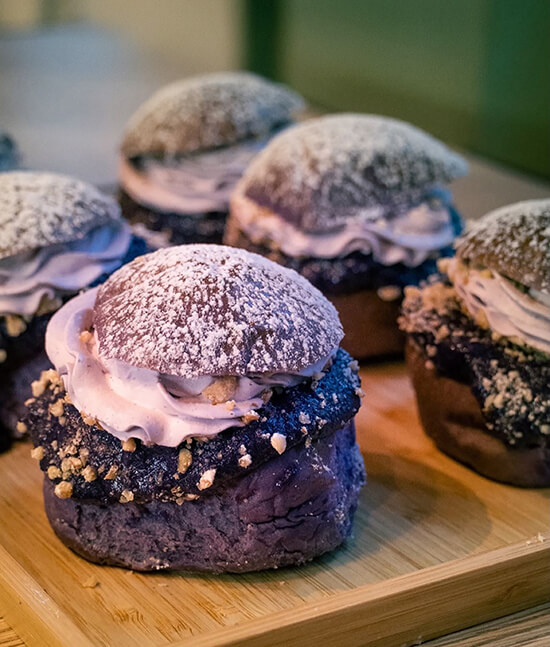
One has to go into a residential area to reach Taza Artisan Café, the first Filipino café in Stockholm that is gaining popularity in Swedish media for its ube offerings. Recently, Taza served ube semla, a Pinoy twist on the classic Swedish semla—a cardamom bun usually filled with almond paste and a generous dollop of whipped cream.
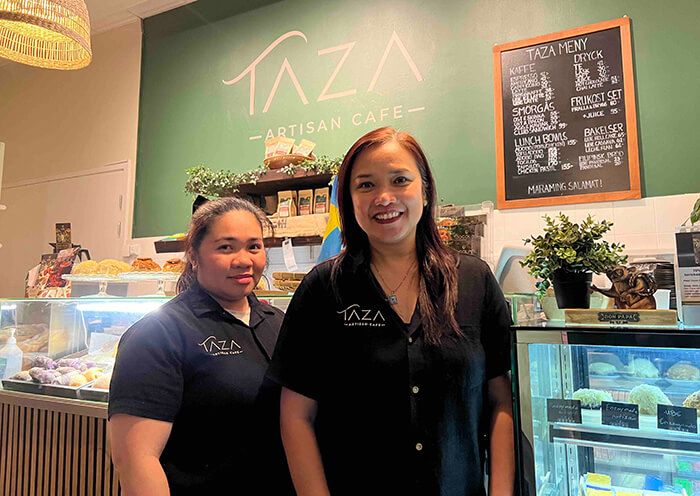
Taza CEO and founder Jenny Andersson has lived in Sweden since 2013 and works full-time in corporate communications. She began the business by offering Filipino craft chocolates online, and, recognizing the growing interest, she opened the small café with talented home baker Luwie Pascual, who is now Taza’s manager and chef.
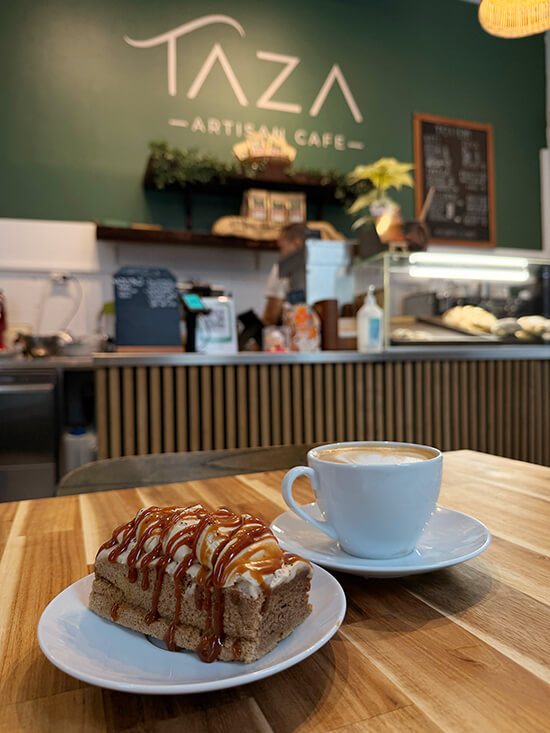
“We met within the Filipino community in Stockholm, and I was ordering Filipino food from Luwie, who is also a shareholder in the business,” Andersson said. “She makes the best-selling ube cake, ube Spanish bread, mocha cake, panda-macapuno roll.”
Fika, or having coffee with something sweet, is a big part of Swedish culture, and Taza offered something unique. On weekends, they serve specials such as pork sisig, bulalo, and pancit molo for warmth in the long Swedish winter.
Taza seats around 18 people and can be booked for small events for those hankering for traditional Pinoy food, and mocha or yema cake, which are really hard to find in Sweden.
Timplado, a pinoy pop-up
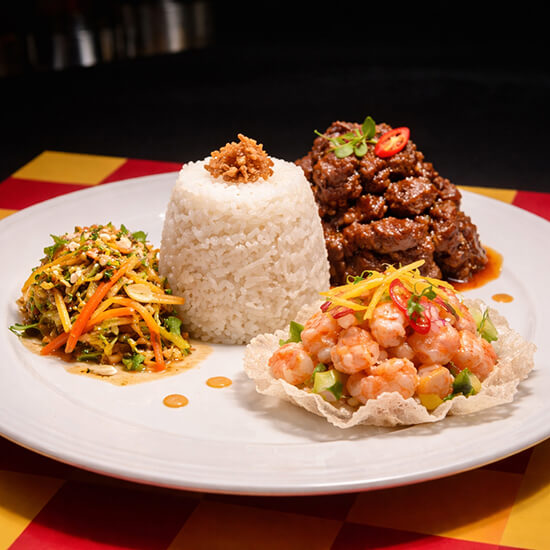
Serving curated regional plates is a concept from Timplado, a new Pinoy pop-up in Gothenburg led by Alessandra Camcam Kane, who moved to Sweden a couple of years ago to build a life with her husband Sean and their daughter.
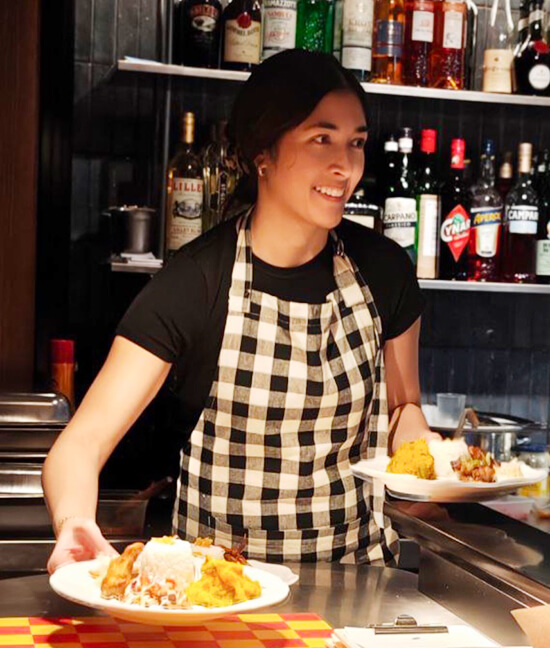
“Timplado was created to showcase authentic Filipino flavors without Westernizing or diluting them. Each dish is intended to tell a story: A Taste of Luzon features pork sisig, chicken adobo, ginataang sitaw at kalabasa. The Visayas plate has chicken inasal, while the Mindanao plate has beef rendang and shrimp kinilaw.”
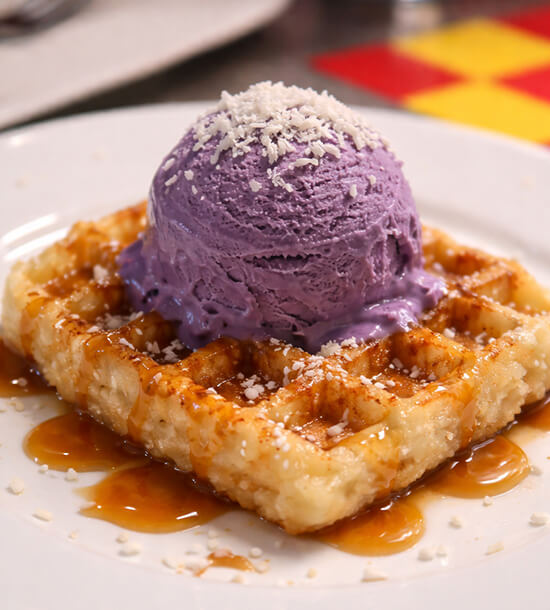
Kane, who works as a project manager, has no formal culinary training but grew up in a family that is in the restaurant business. She relied on her experience with meal prepping, hosting and logistics to manage the pop-ups, which have 15 slots per month. She also collaborated with the founder of the Filipino store MerkadoPH, Kay Lajom Alvefelt, in serving suman waffles with ube ice cream. Over lunch, Filipino novelty songs play — a nostalgic touch for Filipino diners and novelty for those hearing “Spagheting pababa at pataas” for the first time.

WATCH: LGBTQIA+ people with unlikely professions
June 28, 2026
WATCH: Pixar Summer Fest adventure at Hong Kong Disneyland
August 10, 2026