

Japanese dining, in motion
Japanese dining has always been rooted in ritual. There is the warm chorus of irasshaimase as guests step through the door, the graceful choreography of chefs at work, and the quiet expression of itadakimasu before the first bite. Every gesture is intentional, every course thoughtfully paced.
At Shido, the newest Japanese restaurant at Makati Shangri-La, Manila, those traditions remain at the heart of the experience—but they are never static.
The name Shido comes from the Japanese phrase meaning “to set in motion,” a fitting reflection of the restaurant’s philosophy.
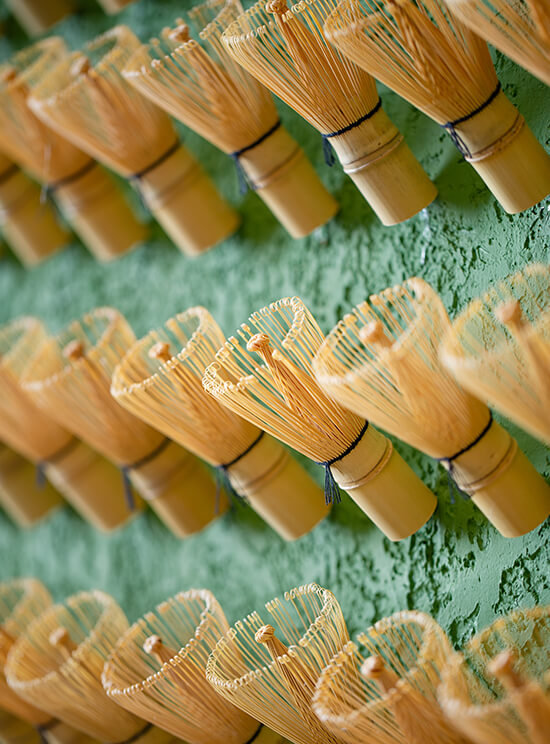
The concept took 392 days to bring to life. As Makati Shangri-La, Manila general manager Jonathan Reynolds shared during the media launch, that number is echoed in the 392 bamboo whisks suspended on the Matcha Wall that welcomes guests.
The process began with the search for the right executive Japanese chef, someone who could bring the hotel’s vision to life. That search led to chef Daisuke Nishimura, who was invited to Manila to prepare a meal for the Shangri-La team. “It was more than a tasting—it was the start of a collaboration,” Reynolds enthused.
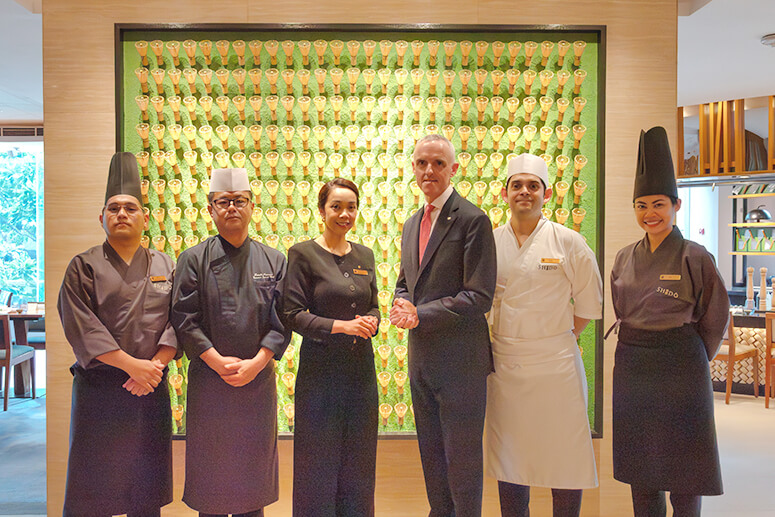
Over Japanese sake, gin and tonics, and seasonal dishes, that dinner became the blueprint for Shido. Rather than simply opening another Japanese restaurant, the team sought to recreate that sense of connection through a progressive dining experience across five zones—The Bar, Sushi Counter, Teppanyaki, Robatayaki and Main Dining—where every transition becomes part of the meal.
Five stops, one experience

Rather than following the familiar rhythm of a meal served at a single table, diners move from one space to the next, discovering new flavors and techniques along the way.
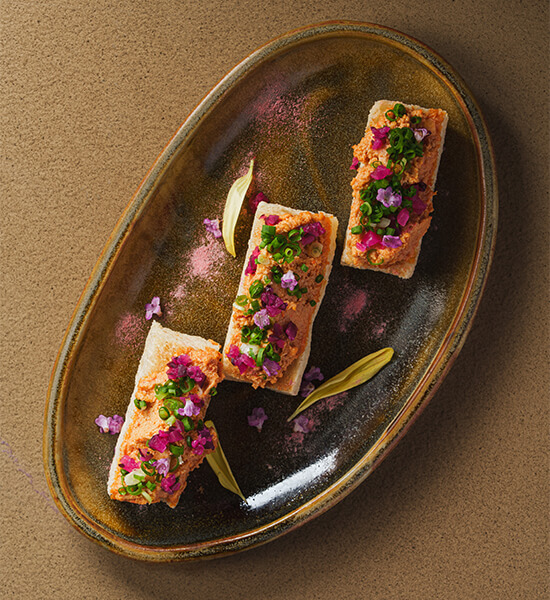
Our evening began at The Bar, where an extensive selection of sake from Japan’s renowned brewing regions set the tone. Mixologist Poch Ancheta welcomed us with two signature cocktails: the Sparkling Dragon, lightly sweet and refreshing with Tatsuriki Tokubetsu Junmai sake, and the carbonated tea Shido Highball, a crisp blend of Nikka 12 (or shochu). Both were paired with Ankimo Toast—shokupan topped with silky monkfish liver pate.
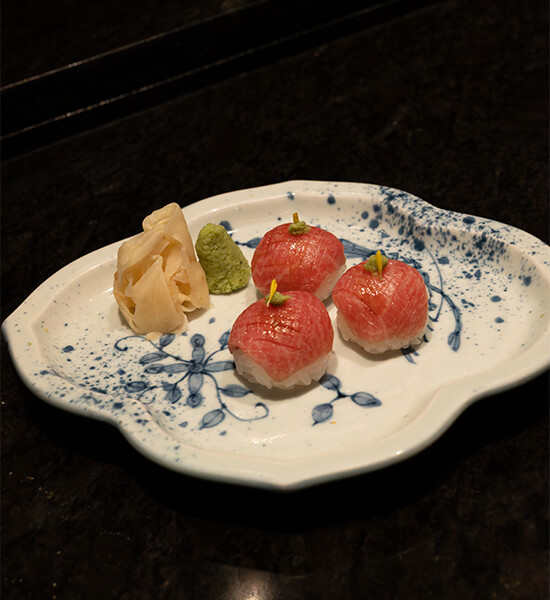
At The Sushi Counter, chef Miguel Prats turned sushi-making into quiet theater. Before guests, he prepared Bluefin Tuna Toro Temari Sushi à la minute, carefully shaping each delicate sphere by hand. The demonstration continued with Kyoto balls topped with salmon, scallops and hamachi, showcasing how a simple technique can elevate the finest seafood through precision and restraint.
Reynolds then led us to the Teppanyaki counter, where chef Mark Go prepared silky homemade tamago tofu topped with vibrant tomato salsa. Its soft texture and clean flavors provided a refreshing interlude before the meal’s smoky crescendo.
The mood shifted at the Robatayaki zone, where the precision of sushi gave way to the crackle of charcoal, aromatic smoke and the spectacle of open-fire cooking.
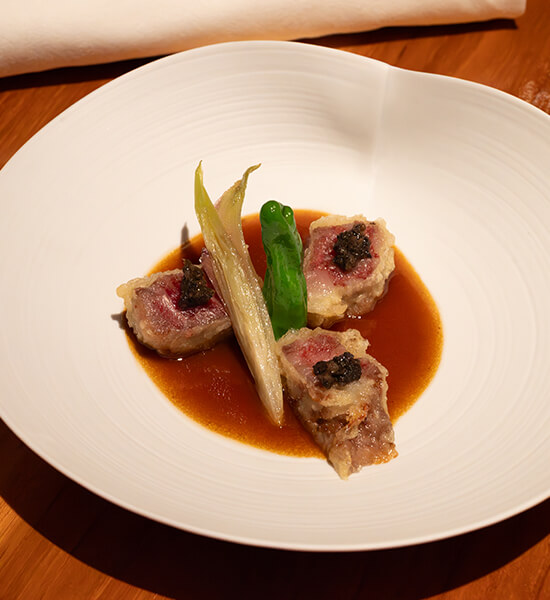
Executive Japanese chef Daisuke Nishimura and chef Rita Libunao explained that robatayaki, rooted in Japan’s northern fishing villages, is more than a method of grilling. Ingredients are slowly cooked over binchotan charcoal, allowing their natural flavors to shine while taking a delicate smokiness. At intervals, the chefs drip chicken fat onto the hot coals, sending fragrant smoke around the grill and infusing the ingredients with more aroma and flavor.
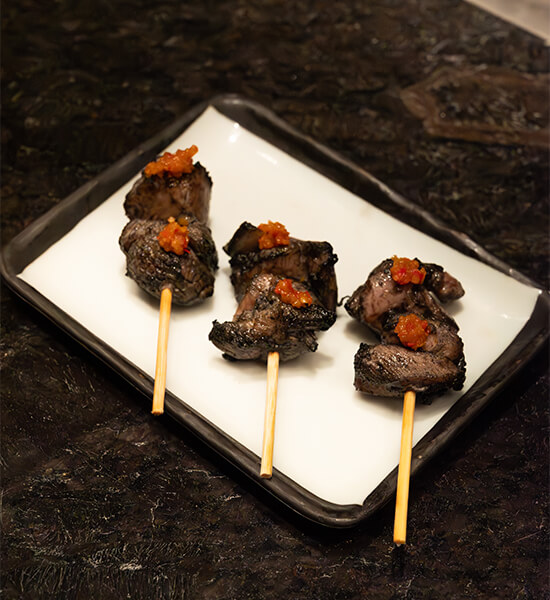
The spectacle was matched by what followed. We sampled Tsukune, succulent chicken meatballs topped with shredded cheese, and Shingendori Chicken Ibushiyaki, whose remarkably tender meat carried just the right hint of smokiness. Seasoned with house-made yuzu kosho, the char-grilled chicken was one of the evening’s highlights.
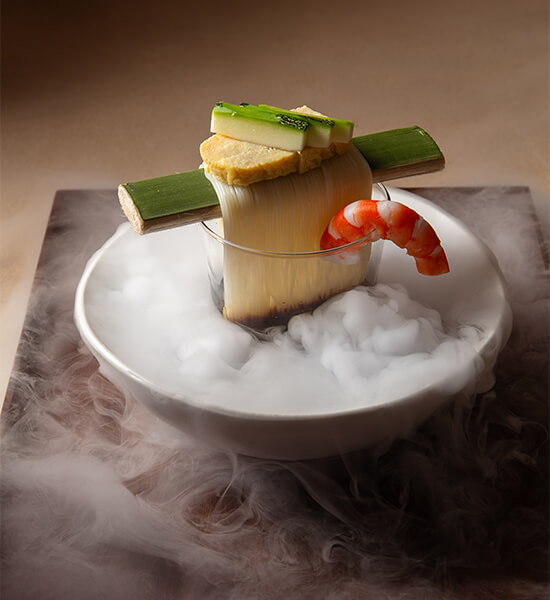
While the progressive dining experience is Shido’s defining concept, it is by no means the only way to enjoy the restaurant. As Reynolds pointed out, diners can head straight to the Sushi Counter for an omakase-style experience or settle into any of the specialty zones depending on what they are craving. Those looking to sample the best of Shido, however, are best served at the Main Dining, where the restaurant’s signature dishes from across the restaurant come together in one curated experience.
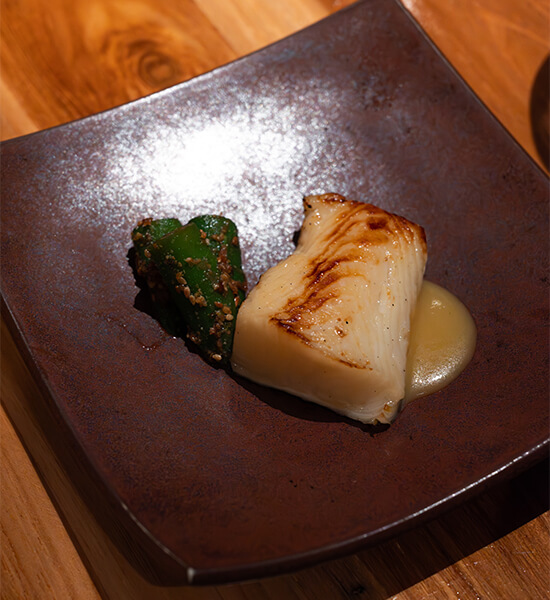
It was here that the journey came full circle. The courses reflected Shido’s culinary repertoire, bringing together the precision of sushi, the smokiness of robatayaki and the finesse of teppanyaki in a cohesive dining experience.
Among the highlights were Chilean Seabass Saikyo Yaki and Abalone Porridge with Dashi. The porridge was a pleasant surprise. In place of the more familiar kamameshi rice, Shido offers a delicate dashi-based porridge enriched with abalone.
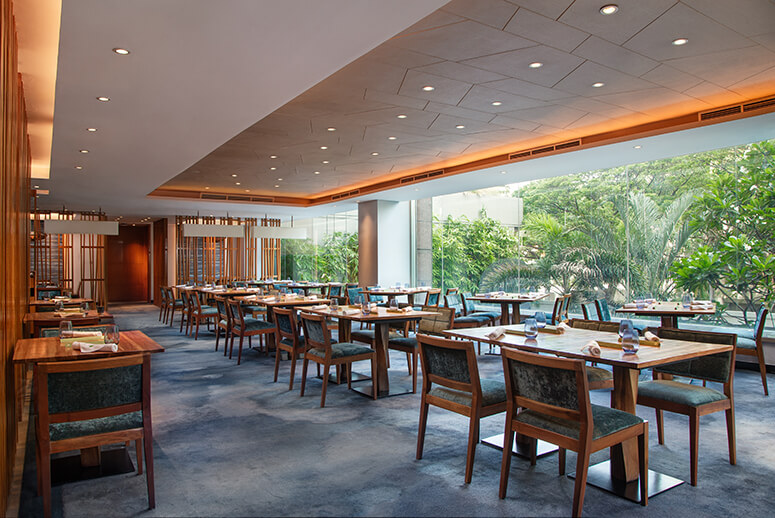
We ended on a gentle note with Japanese soufflé cheesecake and strawberry compote, followed by Ichibancha Matcha Tea made with Grade E First Flush matcha. It was a fitting finale—calm, refined and deeply rooted in ritual—bringing our journey through Shido full circle.
Long after the final sip of matcha, what remains is not just memory of exceptional dishes, but the feeling of having taken part in something thoughtfully orchestrated. Shido reminds us that Japanese dining has always been rooted in ritual. Here, that ritual doesn’t stand still—it moves, evolves and invites every guest to become part of the journey.
For reservations, visit Shangri-la's website.

WATCH: Discovering Vietnam in three days
June 9, 2026
WATCH: Is Gen Z too soft? (Generations Ep. 23)
September 30, 2026