

Dogs can tell when a person is happy, sad, afraid: study
Dogs are smarter than we think, and fresh data proves it.
A new study found that dogs can read and differentiate people's facial expressions, particularly when humans are happy.
The concept is not new, as other behavioral studies have previously sought to determine if dogs can distinguish between human facial expressions. But according to the University of Vienna's Dr. Laura Cuaya, a co-author of the study, earlier research generally tested dogs using only two human expressions, one positive and one negative.
What makes this latest study unique is its data showing how dogs can distinguish between different negative expressions. Not only can they distinguish happy faces from unhappy ones—dogs can also tell apart sad, fearful, and angry facial expressions.
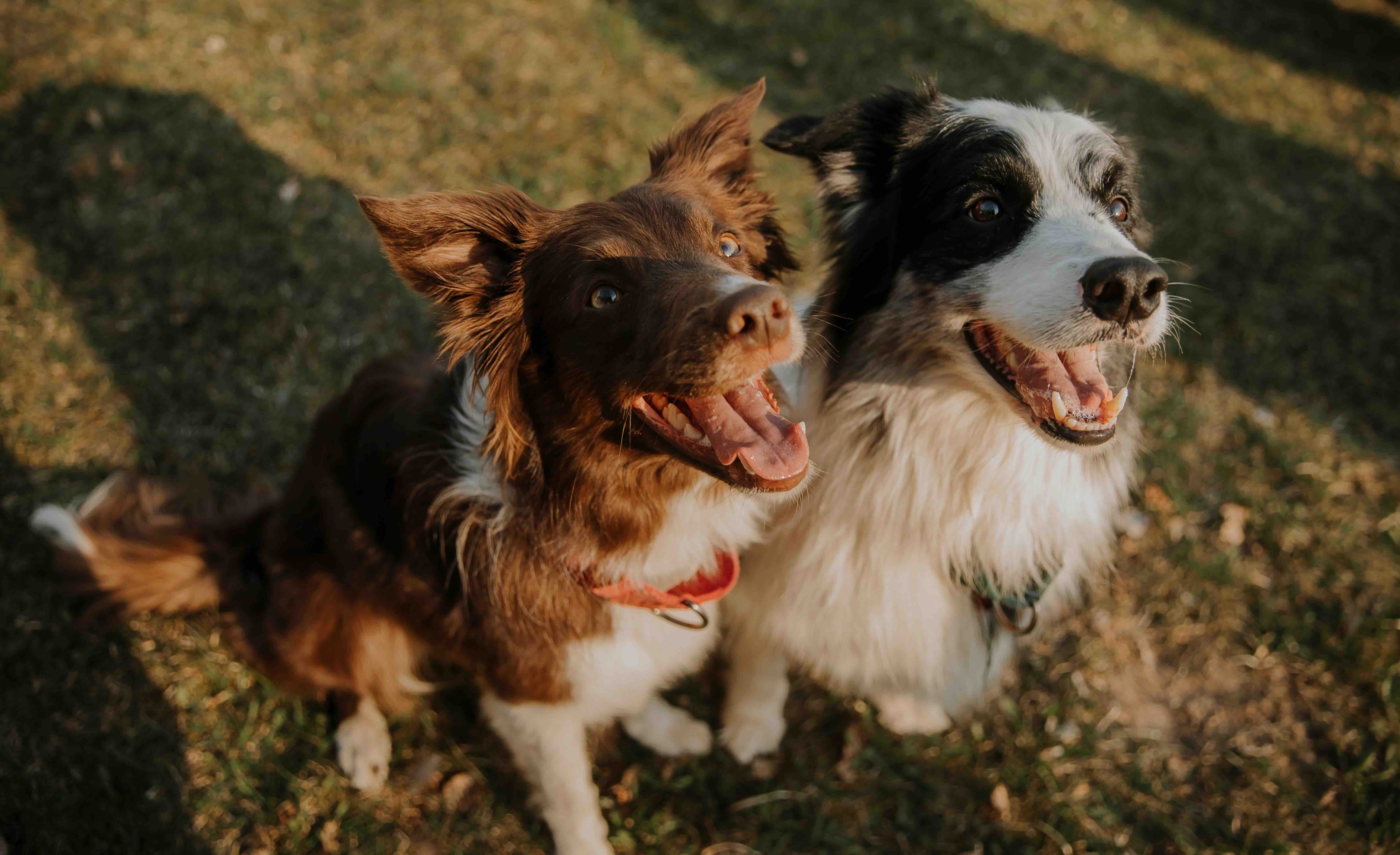
Apparently, according to Cuaya, this is the first instance science has found that a dog's brain can spot the difference in humans' negative facial expressions. Not all animals share this gift.
"This ability to perceive emotions in humans is really hard to find in other species," said Raul Hernandez Perez, first author of the study and professor of psychology at the University of Vienna.
CONTINUE READING BELOW

According to Perez, chimpanzees and wolves can do it too, "but not at the same level as dogs can."
Canine testing
The study involved placing dogs under an MRI scanner, which can be terror-inducing even for humans. Cuaya and Perez found 14 dogs who cooperated fully. The recruits were made up of 11 border collies and three service animals: two golden retrievers and one labrador.
For the machine to produce a proper, usable brain scan, the dogs had to stay in the scanner for at least six minutes, moving less than three millimeters the whole time.
The dogs underwent several experiments and were rewarded after each one with either treats or play.
In the first experiment, the canine subjects were shown 20 photos of happy faces and 20 photos of neutral faces. Every image showed a human unfamiliar to the dog but of the same gender as the dog's main caregiver. Each dog underwent the test five times.
The results showed the happy faces induced increased activity in specific parts of the brain compared to the photos with neutral expressions.
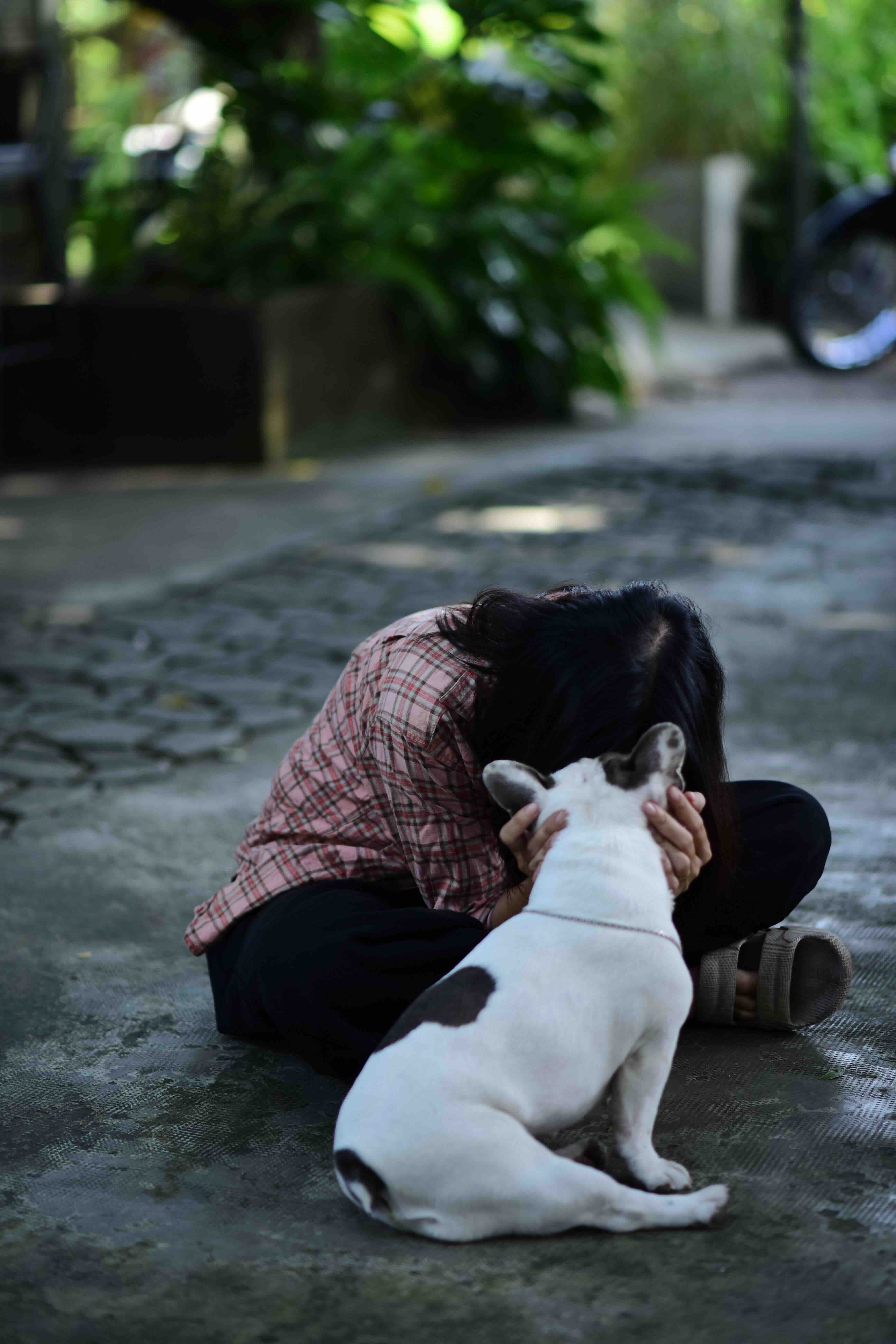
Per The Guardian, quoting Cuaya, the lit-up areas "were associated with higher visual processing, social processing, and reward processing," which implied positive feelings in the dogs.
A second MRI experiment showed the dogs four different facial expressions on female and male faces: happy, sad, fearful, and angry.
What the researchers found was that the dogs could positively differentiate between positive and negative expressions, sad and fearful faces, and angry and fearful faces, but not sad and angry faces.
The authors theorized that to be able to tell between angry and sad expressions, dogs might need more information, such as body language.
When dogs react to human emotions
Supporting their findings of dogs' ability to track human facial expressions, the study's authors cited several other studies about dogs and how they behave according to humans' expressions.
Dogs process humans' facial expressions by alternately looking at the eyes, mouth, and central zone of the face. If a human is happy, the study authors wrote, dogs linger on the eyes more than the mouth.
Additionally, studies have found that once dogs figure out how to differentiate a smiling face from one with a neutral expression, they are able to extend this knowledge to include other humans with the same gender as their main caregivers.
Dogs' ability to differentiate human facial expressions also dictates how they behave. If a human with a happy facial expression offers them a box at the same time as a human with a negative expression does, the dog tends to choose the box from the happy human.
More studies are needed to see if dogs of other breeds also react differently to humans' various facial expressions. The latest study had the help of highly trainable breeds. We have yet to find out if mixed breeds also read humans' expressions the same way.

WATCH: Is OPM still as good as it used to be? (Generations Ep. 20)
September 9, 2026