

Japan: Neon and nature in harmony
Tokyo is vibrant and overwhelming—energetic and elegant, whether you’re in neon-lit Shinjuku, kinetic Shibuya, or in more polished Ginza. It was in Tokyo that I found my floral holy grail—the ephemeral sakura. Weather reports said the sakura’s petals would unfurl the day before we were due to leave Japan for Manila. If they bloomed a day later… Thank God the sakura weather report was as precise as the schedule of the Shinkansen.
In Tokyo (and in Osaka and Kyoto, which we visited earlier), it is easy to fall into the rhythm of serene walks and supersonic trains, a quiet— and efficient!—symmetry between past and present, nature and neon lights, a calming cup of matcha tea and a soothing cup of sake.
Tokyo’s Shinjuku is a bustling, high-energy district where nightlife contrasts with the serene Shinjuku Gyoen National Garden. On the neon-lit main avenue, I ventured for the first time into the jampacked Don Quijote, the biggest discount store chain in Japan (I wonder why it has a Latin name?), a tower of everything in this world that can fit into a shopping bag. It’s like a multi-rise Divisoria.
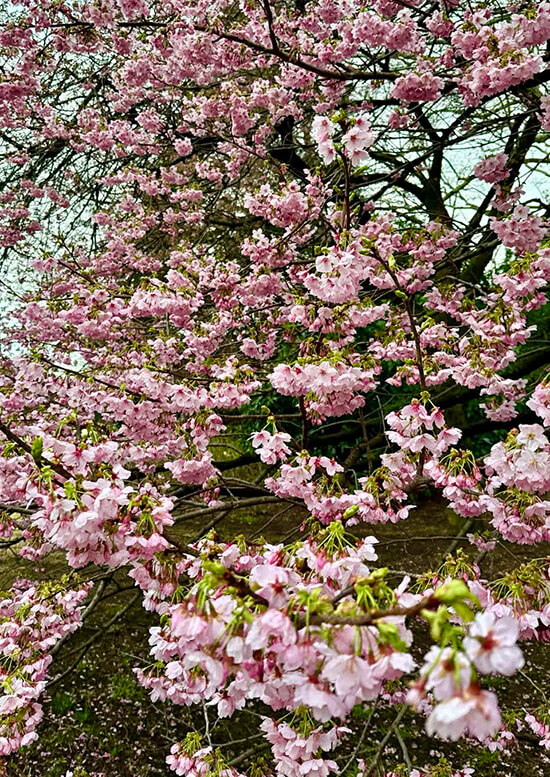
I also chose serenity and wandered beneath canopies of sakura in full bloom, blushing at their own beauty, at the Shinjuku Gyoen National Garden. Blooms likewise carpeted the ground like pink confetti. You see, sakura blossoms last only a couple of weeks at the most, symbolizing the fleeting, delicate, and beautiful nature of life, a reminder of the importance of cherishing the present. They embody mono no aware—the Japanese philosophy appreciating the transience of life.
Shibuya, on the other hand, is stirring in another sense—it is a fashion, entertainment, and nightlife hub, home to the world’s busiest pedestrian crossing—Shibuya Crossing—a mesmerizing surge of humanity moving in perfect rhythm.
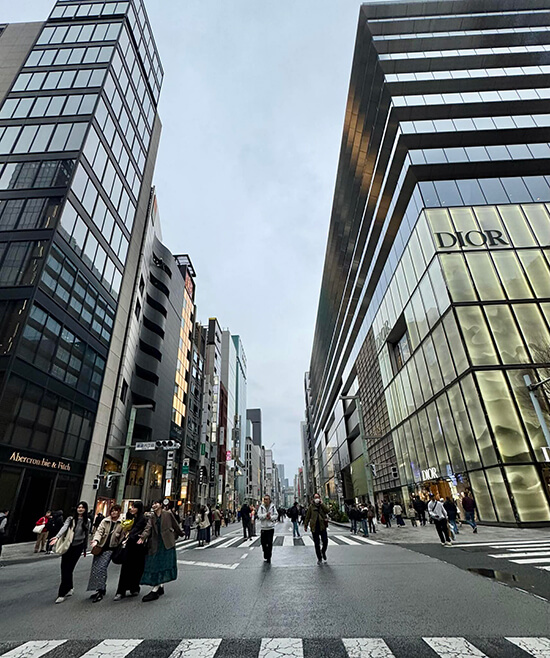
Ginza is Tokyo’s premier upscale district, renowned for luxury shopping, fine dining, and art galleries. Along Chūō-dōri, its main avenue, the street transforms into a pedestrian haven on weekend afternoons and fortunately, on the day we went shopping there, because it was a holiday. I experienced the healing power of shopping in Ginza.

We also took a side trip to Kappabashi or Kitchen Town, a “platita heaven.” A street in Tokyo between Ueno and Asakusa, it is lined by shops selling everything from original Japanese ceramic and lacquer plates, bowls, other kitchen utensils, including sought-after kitchen knives. Bring cash, because some shops accept only cash—even in the 21st century!
Mount Fuji
Our visit to Tokyo was capped—literally and figuratively—by Mount Fuji.
Japan’s highest peak rises not only in stature but in spirit. This dormant volcano has long been revered as sacred. Recognized as a UNESCO World Heritage Site, it remains a place of pilgrimage for those seeking purification and enlightenment.
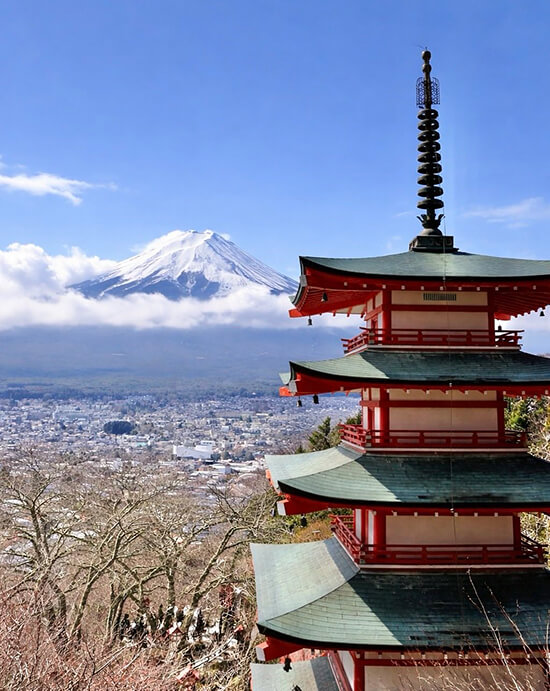
A two-hour bus ride from Tokyo brought us to the Arakura Sengen Shrine, where the iconic Chureito Pagoda rises after nearly 400 stone steps through a quiet forest path. Ed and I made it halfway—but even from there, the reward was a breathtaking view of Japan’s highest peak, snow-capped and stunning, even when veiled by fleeting clouds, “ice cream castles in the air.”
From there, the tour bus took us to Oshino Hakkai, a cluster of crystalline ponds fed by the mountain’s ancient meltwaters. Designated a National Natural Monument, the springs are said to cleanse and heal. Some visitors collect the water to take home, a ritual that brought to mind the sacred waters of the Sanctuary of Our Lady of Lourdes in France. Even in Tokyo, water flows pure—it’s tap potable.

And perhaps that is Japan’s allure. Stillness and systems share a rhythm: from nature that stuns in silence, to trains that arrive to the second; from ancient temples to electric skylines; from traditional rituals to the most sophisticated shokken (a ticket or vending machine, usually used for ordering food) even in the most nondescript restaurants.
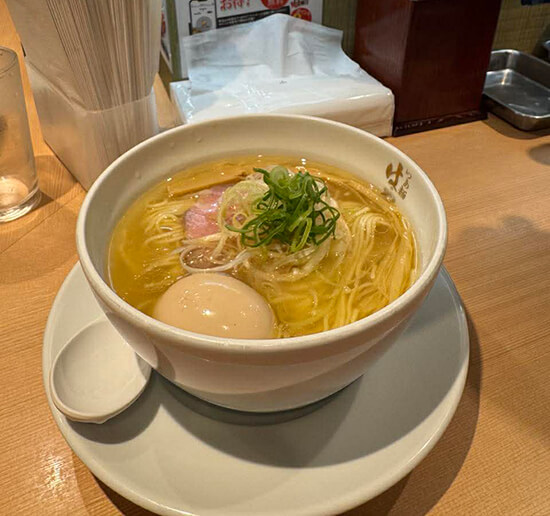
Left to ourselves one night as our son Chino and daughter-in-law Gi-Anne met up with friends in Ueno, Ed and I proudly conquered the shokken and got the right order (two kinds of ramen) delivered to our table. What a declaration of independence!
I wouldn’t gush that life in Japan is perfect—millennials complain of burnout, the divorce rate reportedly hovers around 35 percent, and some ancient villages are resisting the influx of tourists—but like the sakura, anyone can have a perfect two weeks (or more) of harmony there. The sakura and the sake, the serenity amidst the shopping (the Gotemba Premium Outlets at the base of Mount Fuji boasts around 300 stores!), and the systems that work make the Japan that I experienced—past, present and future perfect.