

Phnom Penh: From pain to progress
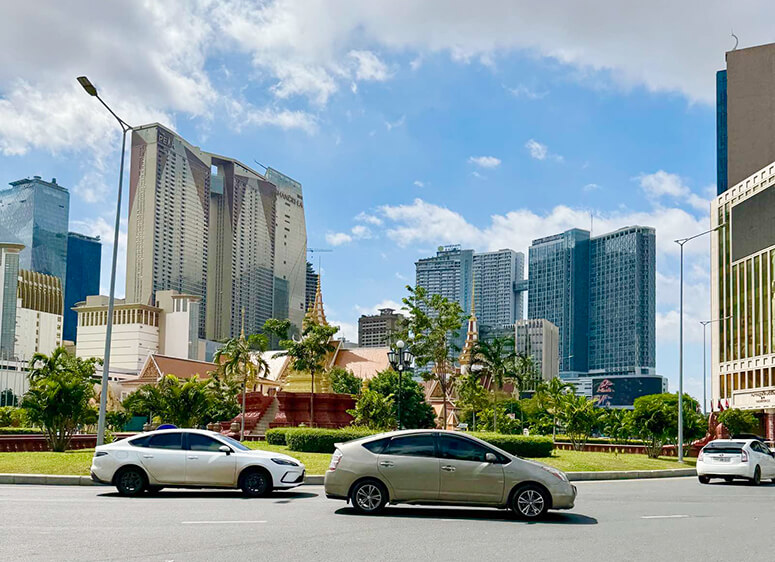
To a first-time visitor like me, Phnom Penh, the tree-lined capital of Cambodia, is a capsule of pain and progress—a saga distilled in centuries, and put through the fire in just the past 50 years.
Cambodia, a former French protectorate, gained independence in 1953 and was reportedly once known as the “Pearl of Asia.” According to our Cambodian guide Vireak from Scenic Luxury Cruises and Tours, it was second only to Singapore.
And then came what Cambodians now refer to as the “Dark Ages,” the bloody Khmer Rouge regime led by Pol Pot (1975 to 1979). Estimates of the Khmer Rouge’s death toll vary, but the figures are staggering nevertheless.
***
Our 10-day cruise aboard the luxurious, five-star Scenic Spirit, organized by CITTI Elite, led by Shan Dioquino-David, began in astounding and outstanding Siem Reap. The Scenic Spirit then meandered along the Mekong River, with stops in Kampong Cham and Angkor Ban, before docking in the Cambodian capital of Phnom Penh.
CONTINUE READING BELOW

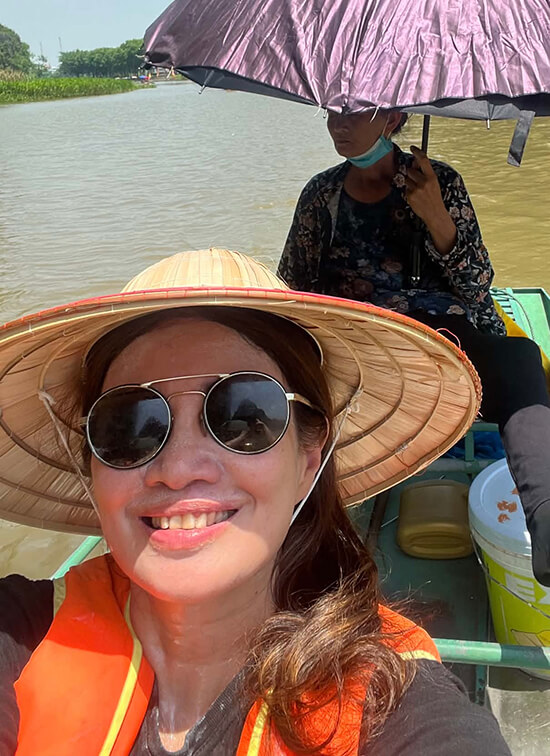
Through Scenic’s “Enrich” program, we were immersed in the 12th-century wonder of the Angkor Wat in Siem Reap, including a grand dinner in the 10th-century temple Prasat Kravan. Along the banks of the Mekong River, we also experienced slices of Cambodian life: in rural villages, in a Buddhist monastery for novices, and at a silk farm.
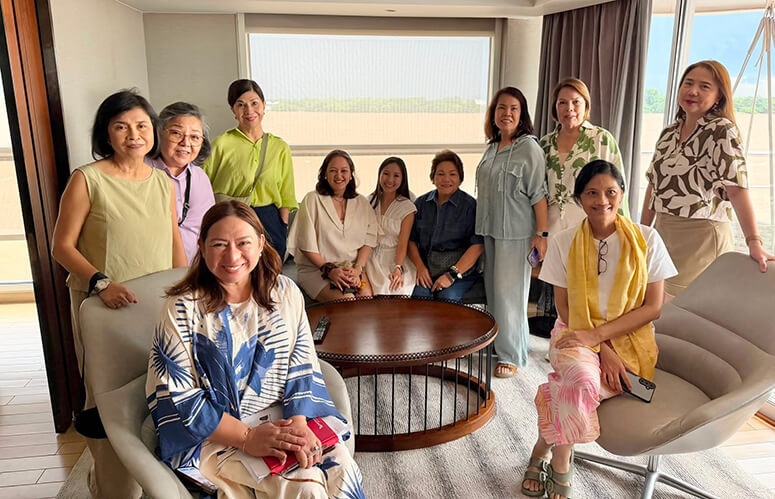
On board the Scenic Spirit, we were pampered by the local crew—from the chefs, the waiting staff, to our butlers. Food was continental as well as exotic—from French Onion Soup to crispy silkworms and grasshoppers; from chocolate mousse to sticky rice with jackfruit, to Vietnamese affogato. Everything—from the bread to the ice cream—was baked and churned on board.
Phnom Penh was our final stop in the 10-day cruise, though some guests continued on to Vietnam. The picturesque city showcases Cambodia’s glorious past, which includes its 19th-century French colonial Post Office building. Beside the Post Office are several, medium-rise colonial buildings waiting to be restored to their former glory.
There is also the French-designed Central Market, whose 26-meter-high central dome makes it look like an Art-Deco coliseum, not a market! First opened in 1937 it was said to be the biggest market in Asia then. Today it still operates as a market, like our Greenhills market. But instead of selling pearls, it offers dazzling gems like rubies, jade and sapphires. Suffice it to say we Pinoys were dazzled!
There is always a risk when you buy things in markets, but as I’ve learned, vendors with fixed stalls are normally reliable. Our guide told us to always bargain for half of the named price. The US dollar is widely accepted in Cambodia these days, especially if you’re a tourist.
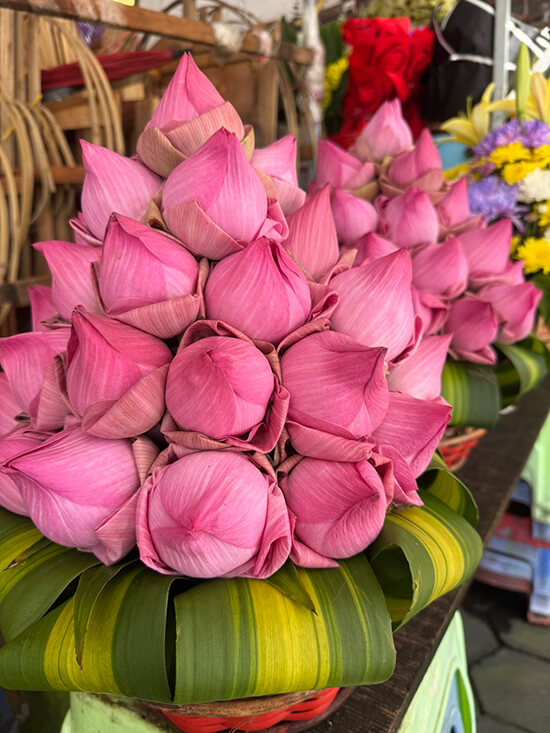
Outside the concrete structure are stalls selling souvenirs, flowers, garments. Among Cambodia’s primary exports, after all, are garments and textiles.
***
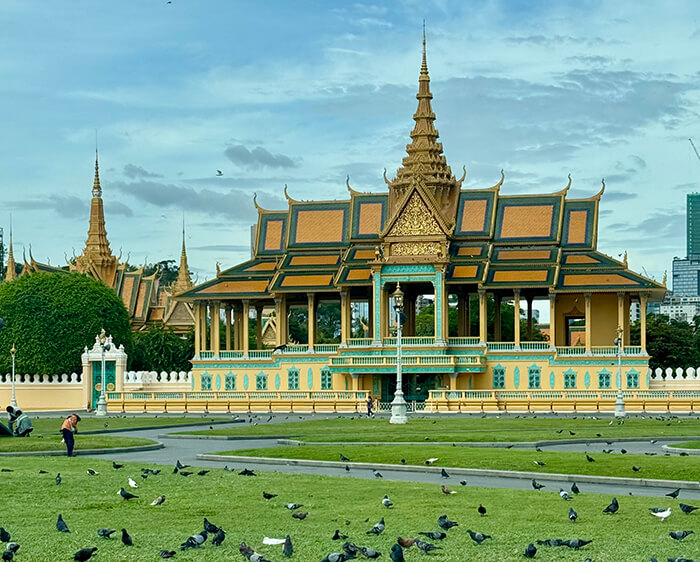
At the junction of the Mekong and Tonle Sap Rivers stands the shimmering Royal Palace complex.
Another place to visit is the Raffles Hotel Le Royal. Inspired by French colonial, Khmer and Art Deco influences, it once hosted former US First Lady Jacqueline Kennedy (so of course I would take note!). According to official hotel sources, the Raffles concocted the “Femme Fatale Cocktail”—a mix of crème de fraise des bois (wild strawberry liqueur), a dash of cognac, and topped with chilled and garnished with a tropical flower—especially for her.
Our guide told us that a glass bearing a faint mark from her lipstick on the rim was discovered during 1997 renovations (I don’t know how they authenticated it, honestly). It is now displayed in a case outside the hotel’s Elephant Bar.
***
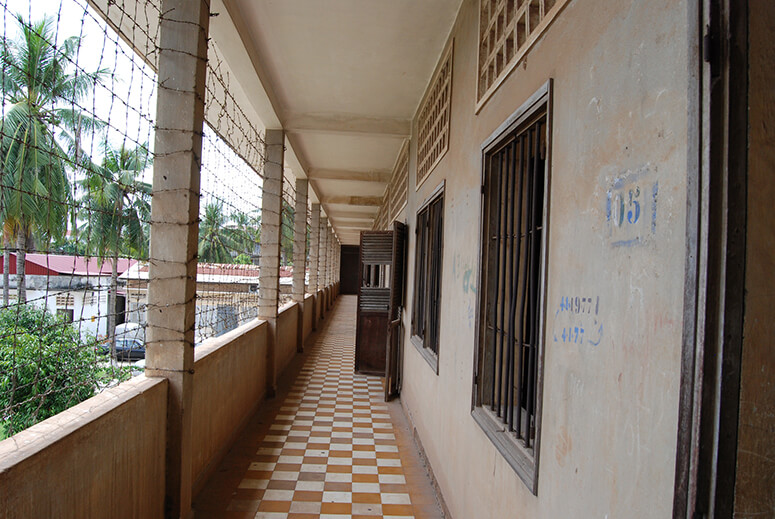
Despite the grandeur of its palaces and pagodas, Phnom Penh is also a sobering reminder of the genocidal Khmer Rouge regime. Of that period, writer Jon Swain once wrote, “In five years of war, this is the greatest caravan of human misery I have seen.”
The Yale Cambodian Genocide Program puts the death toll at 1.7 million—about 21 percent the Cambodian population at the time. The population now stands at around 18 million.
The Buddhist-style memorial to the victims of the regime at Choeung Ek displays over 8,000 stacked human skulls while the infamous Tuol Sleng Prison or S-21, where some 20,000 people were reportedly imprisoned from 1975 to 1979, is now a museum and a memorial. The prison was among the land excursions offered to Scenic guests.
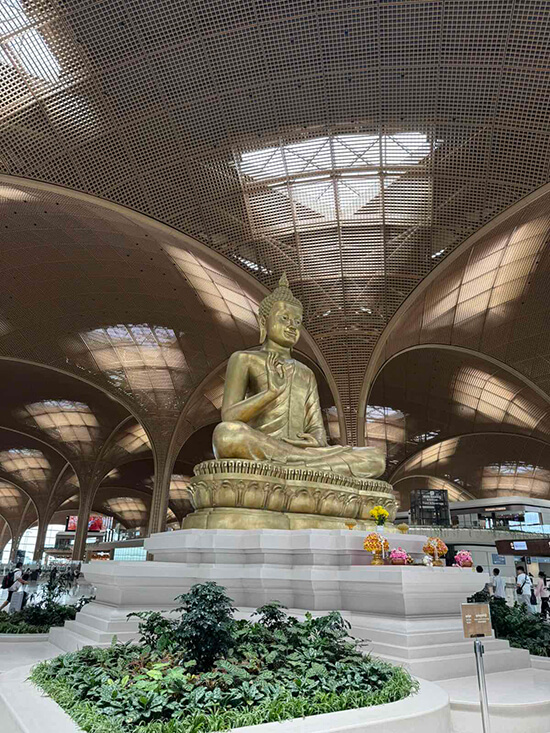
The past of pain makes you appreciate the progressive present of Cambodia, and to me, the one edifice that truly represents this progress is the jaw-dropping Phnom Penh International Airport. It won’t be long before Cambodia catches up with its prosperous Southeast Asian neighbors, I dare say.
The juxtaposition of past and present, of pain and progress, of resilience and resolve is what makes Phnom Penh still a pearl—lustrous because of, and despite, adversity.
For inquiries, contact +63 917 800 6010 or email info @cittie. net / info@cittielite.net or visit their CITTI Elite Facebook Page or Instagram.

WATCH: Can we talk about death and grief? (Generations Ep. 25)
October 14, 2026