

Two cultures, one table
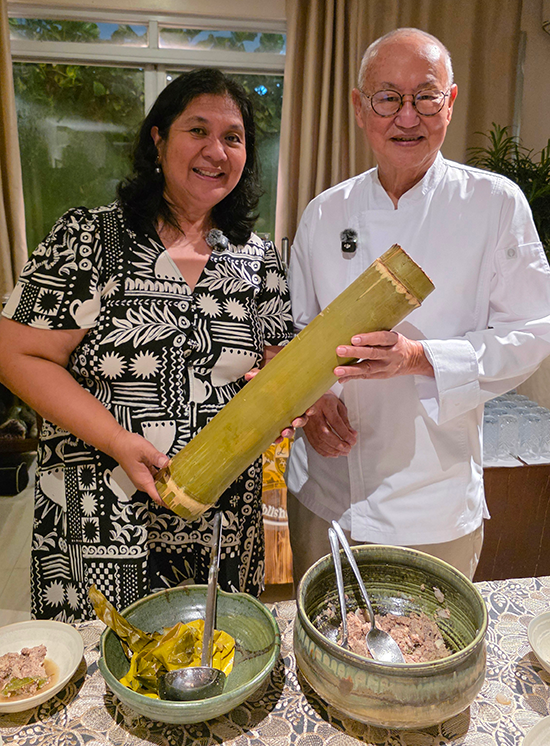
A one-night-only intimate dinner collaboration by chefs Dedet de la Fuente and William Wongso was something I would not have missed. Dedet, the “lechon diva”, is well known in Manila’s culinary scene for her Pepita’s lechon—which popularized stuffed lechon in the country. William is a well-respected pioneer of Indonesian Heritage cuisine as well as a culinary icon, author, and educator who has dedicated his life to preserving and elevating Indonesia’s rich culinary heritage.
William has been a frequent visitor, and I have always wanted to meet him, but our conflict of schedules never gave me that opportunity until now. I finally met him on my third attempt… As they say, third time lucky! Fortunately, Dedet sat me beside him, we talked about Indonesian food, and he told me so many interesting stories about his travels the whole night.
“Heritage on A Plate” was a Philippine-Indonesian Heritage menu that started with Rujak Buah, an Indonesian fruit salad in sweet peanut sauce served with emping or melinjo nut (a nut endemic to Southeast Asia) crackers and sinantolan followed by a flavorful Cockle Sambel Goreng Kentang—braised clams with mild red chili spices and potatoes.
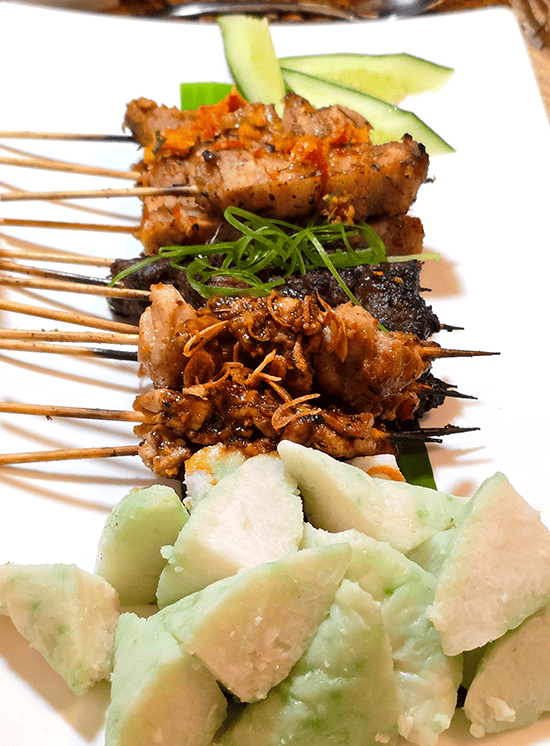
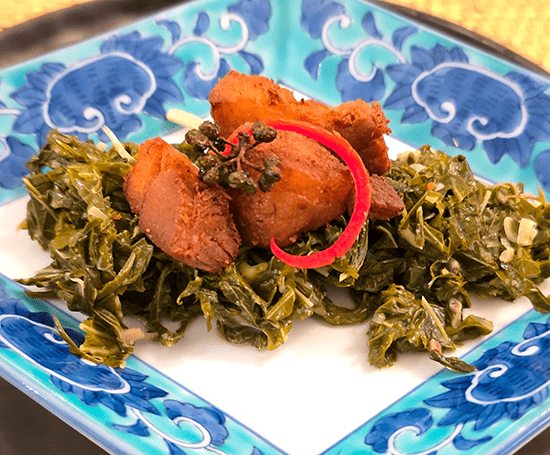
One of the highlights of the dinner, held at a private residence, came early with a dish called Timbungan, a Lombok dish of minced beef cooked with aromatic coconut and bone marrow inside a bamboo trunk. The dinner was heavy on meat, which I loved! Served next was Babi Goreng, a Northern Sumatran dish from the Batak ethnic group. This is fried pork belly, Northern Sumatran spices, andaliman (Indonesian Szechuan pepper salsa) and creamy cassava leaves. A trio of sate followed—North Sulawesi (Manado) Sate Babi or pork skewer, mild rica rica (a hot spice mixture) salsa of lemongrass and chili; East Java (Madura) Sate Ayam or chicken skewer, peanut sauce and rice cake, East Java spices; and Sate Wagyu Maranggi or Wagyu Beef Skewer (marinated using the Sundanese technique), with sweet coriander and tamarind sauce. The Sundanese are the second-largest ethnic group in Indonesia, numbering roughly 42 million people and live in the western part of the island of Java. Two more meat dishes—Ayam Goreng Lengkuas or fried chicken in galangal floss and spices and Rendang Padang or West Sumatra caramelized beef curry—were served before a non-meat dish was served. This was Pepes Ikan or steamed sea bass in fresh kamias and spices and cooked in banana leaves.
The other highlight was, of course, a lechon collaboration between the two chefs. This was Cochinillo (Babi Panggang) or lechon de leche (suckling pig), stuffed with Nasi Uduk (rice cooked in coconut milk with lemongrass, cloves, pandan leaves and cinnamon) served with Dabu dabu sauce made with bagoong (fermented shrimp), shallots, tomato salsa; and Dedet’s “divalicious” sauce, which is similar to a siling labuyo (bird’s eye chili) sambal.
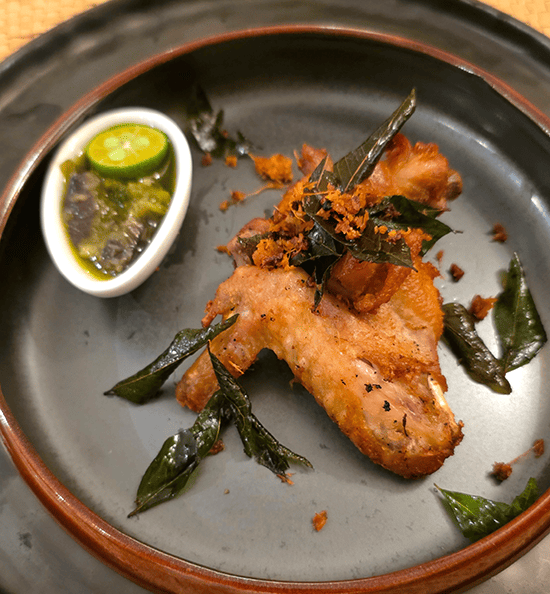
Ayam Goreng Lengkuas
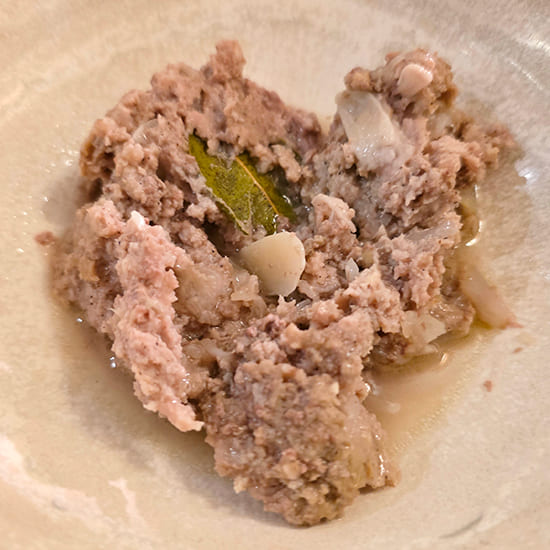
Timbungan
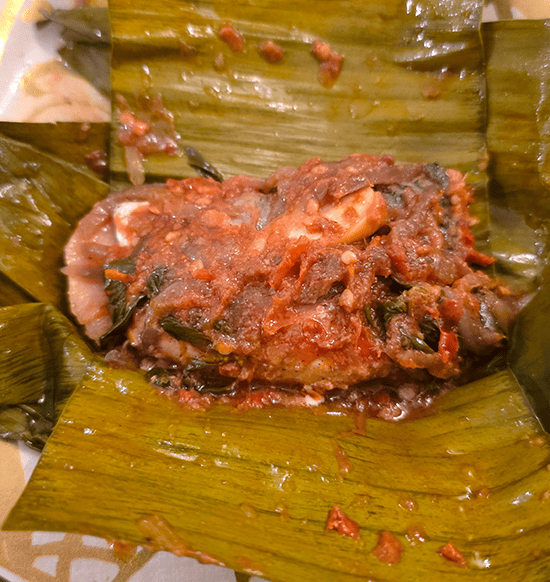
Pepes Ikan
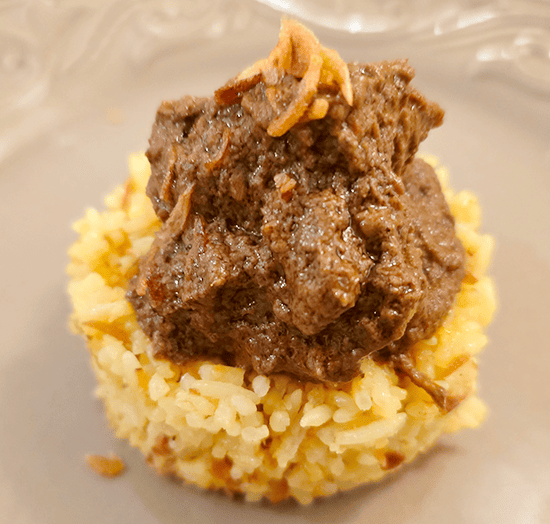
Rendang Padang
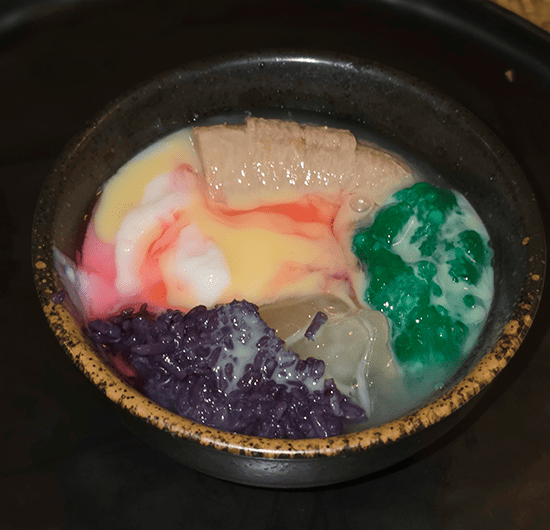
Es Nusantara
Ayam Goreng Lengkuas
Timbungan
Pepes Ikan
Rendang Padang
Es Nusantara
CLOSE
Es Nusantara was the name of the lovely Indonesian dessert made with crushed iced, steamed banana rice pudding with pandan, coconut milk fermented black sticky rice, and rose syrup.
CONTINUE READING BELOW

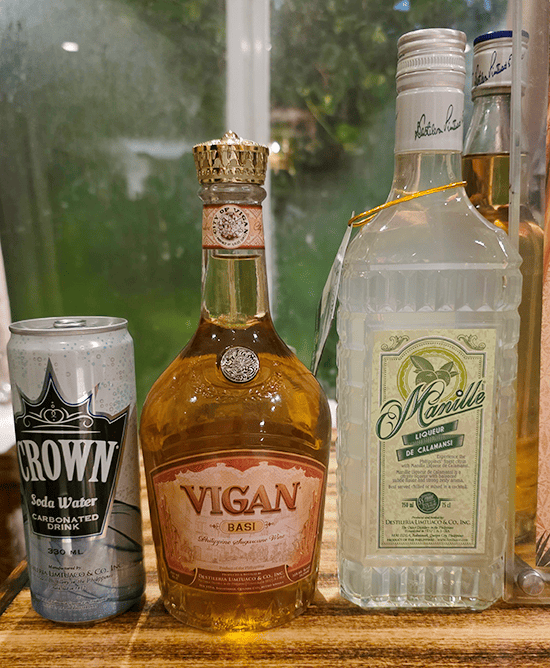
Cocktail pairings for the dinner were prepared by Destileria Limtuaco.
It was a memorable night celebrating the best food from two Southeast Asian countries, cooked by two people who lovingly promote the cuisine of their respective countries. Great job, Dedet and William!

WATCH: Do you still believe in marriage? (Generations Ep. 17)
August 19, 2026
WATCH: Discovering Vietnam in three days
June 9, 2026
WATCH: Is Philippine cinema still thriving? (Generations Ep. 19)
September 2, 2026