

How Mitsukoshi BGC brings Japanese hospitality to life
Some words resist translation. Omotenashi is one of them.
Often described as the Japanese spirit of hospitality, omotenashi is the art of welcoming every guest as though they were entering your own home. More than a word, it is a philosophy best understood through experience.
That philosophy has shaped Mitsukoshi BGC from the very beginning. As the mall marks its third anniversary in the same year the Philippines and Japan celebrate 70 years of friendship, it stands as a reflection of the enduring ties between the two nations.
It was this spirit that inspired Federal Land, Nomura Real Estate Development and Isetan Mitsukoshi Holdings to create the country’s first Japanese lifestyle mall.
“We did not simply aspire to build another residential development or shopping destination,” says Federal Land chairman Alfred V. Ty. “We wanted to create a place where the very best of Japan and the Philippines could come together naturally—where culture could be experienced, friendships could grow, and families could feel at home.”
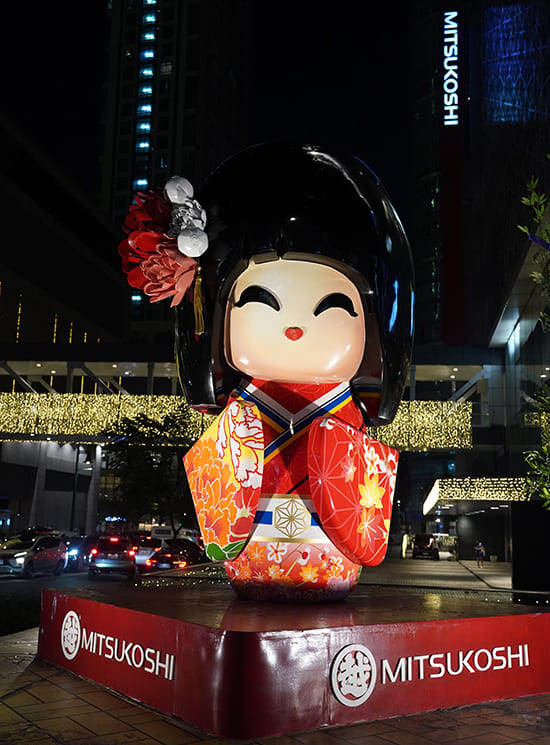
The welcome begins with Mitsuko, the giant kokeshi doll standing at the heart of the mall. Her kimono changes with the seasons—and this year, in celebration of the 70th anniversary of Philippine-Japan friendship, she wears the shared colors of the two nations. It’s a small but meaningful detail, much like the thoughtful touches found throughout Mitsukoshi BGC.
CONTINUE READING BELOW

“Our mall may not be the biggest, but that was never the goal,” Ty says. “Whenever I walk through it, I see families enjoying meals together, parents introducing their children to Japanese culture, friends spending weekends here and homeowners making this community part of their everyday lives. That, to me, is the true measure of its success.”
‘Tanabata’
Inspired by Tanabata, Japan’s beloved Star Festival celebrating the annual reunion of two lovers separated by the Milky Way, Mitsukoshi BGC transforms the tradition into a month-long celebration from July 18 to Aug. 31 with Japanese customs, Filipino creativity, and immersive cultural experiences.
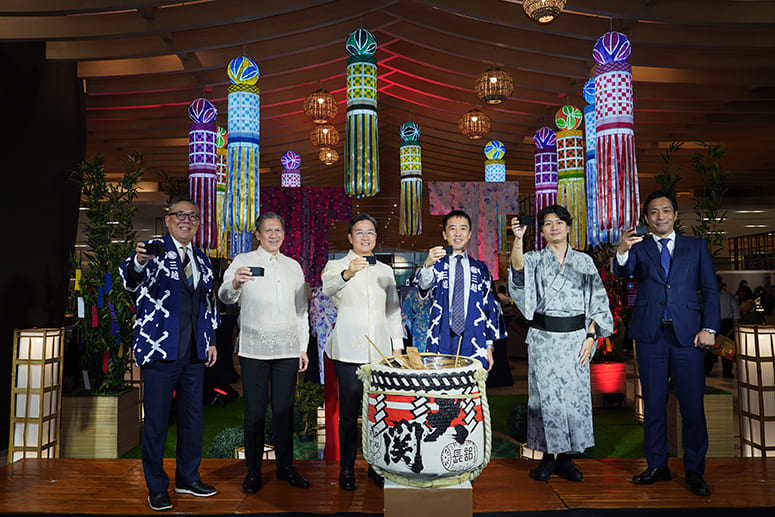
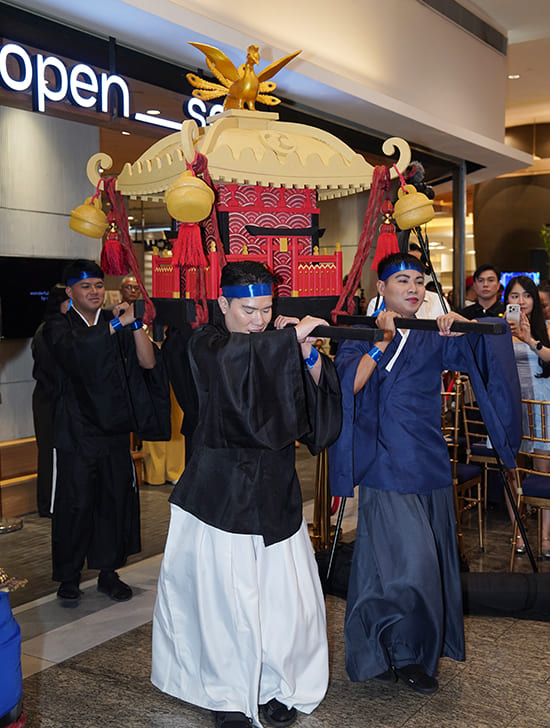
The celebration began with the stirring rhythms of taiko drums before a lively mikoshi procession brought one of Japan’s best-loved festival traditions to life. A ceremonial Kagami Biraki, in which a sake barrel is opened to symbolize harmony, prosperity and new beginnings, officially launched the festivities, followed by a performance by LIV Dance Academy, the first Japanese-owned dance studio in BGC.
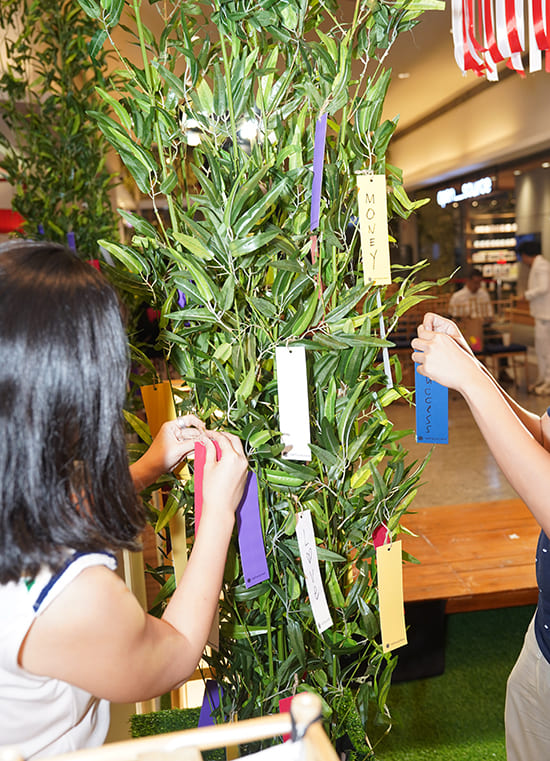
The celebration continues with Tanabata wish-making, Saturday yukata dressing sessions until Aug. 16, paper theater, and pottery workshops on Aug. 29 and 30, and curated pop-ups celebrating Japanese and Filipino craftsmanship. Earlier highlights included the crowd-favorite Maguro Cutting Show at Mitsukoshi Fresh, where visitors watched a whole tuna expertly carved in the Japanese tradition.
Located at the podium of The Seasons Residences, the mall continues to offer a taste of Japan through its retail, dining, and year-round cultural experiences—all without leaving Manila.
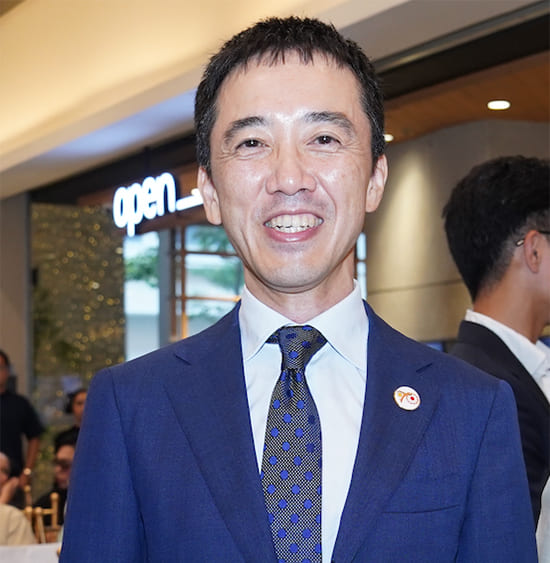
For Yokota Naobumi, minister for economic affairs at the Embassy of Japan, Mitsukoshi BGC is more than a destination—it is a place of comfort.
“As a resident of BGC, I come to Mitsukoshi BGC almost every week,” he says. “Living away from my family in Japan, I appreciate having a place where I can buy familiar Japanese ingredients and enjoy authentic Japanese food.”
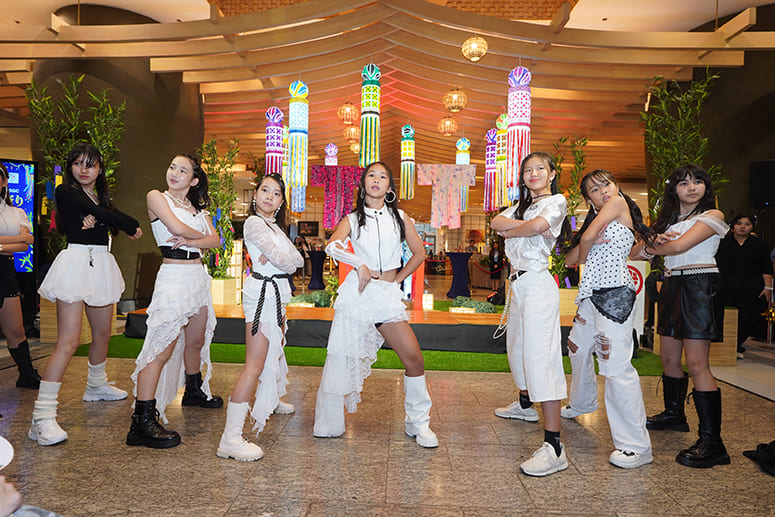
For Yokota, the mall has become a second home for many Japanese living in the Philippines while giving Filipinos an authentic window into Japanese culture through its food, festivals and cultural activities.
“It reflects the spirit of the 70th anniversary of Philippine-Japan friendship,” he says. “The friendship between our two countries is built not only by governments and businesses, but also through people-to-people connections and everyday exchanges such as those that take place here at Mitsukoshi BGC.”
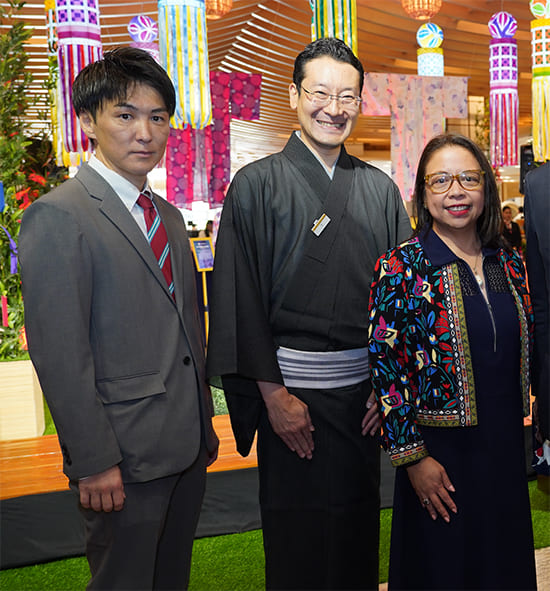
In the end, omotenashi cannot be defined by a dictionary. It is found in the quiet details—a thoughtfully prepared meal, a changing kimono, a handwritten wish on a tanzaku card, or a warm welcome that makes visitors feel at home. As Mitsukoshi BGC marks its third anniversary, it reminds us that the strongest bridges between cultures are built not through grand gestures, but through simple, everyday acts of hospitality.

WATCH: Can we talk about death and grief? (Generations Ep. 25)
October 14, 2026
WATCH: How to experience Bangkok and Kanchanaburi in one trip
October 21, 2026