

What does the future taste like?
In Japan, every meal begins with a quiet, heartfelt, "itadakimasu"—a cheerful little phrase that means “I humbly receive,” but really says, “Thanks for everything that got this food to my plate!” It’s part gratitude, part good manners, and a gentle reminder that eating is never just about filling your stomach—it’s about connection, care, and respect for nature.
It’s this spirit of appreciation—or nature, for nourishment, and for the future—that Glico brought to the recently concluded Osaka Expo 2025 in Japan. And this time, with a futuristic and sustainable twist. Glico is a Silver Partner of the Expo’s signature pavilion, “Earth Mart.”
The beloved Japanese brand behind Pocky and Pretz welcomed international media to its booth to unveil its latest food innovations and share its vision of how food can be fun, thoughtful, and Earth-friendly—all at once. From smart snacking to sustainable innovation, Glico’s booth wasn’t just a treat—it served up a taste of tomorrow.
To the Earth Mart we shall go
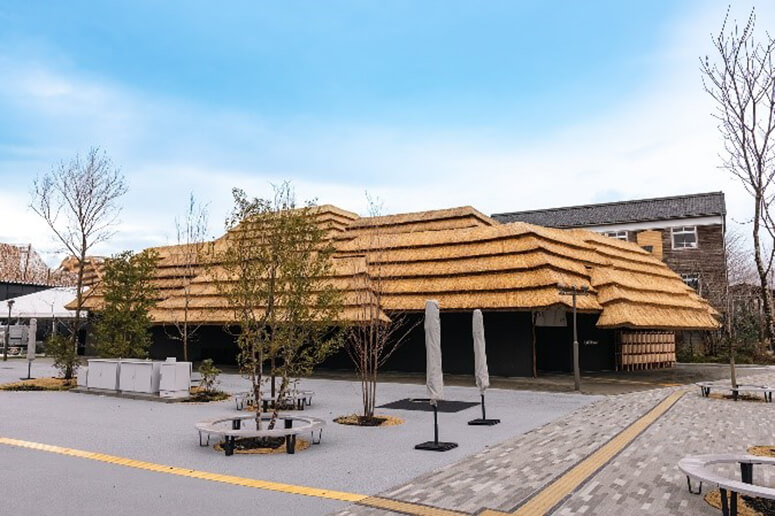
A signature pavilion of Expo 2025 Osaka, Kansai, Earth Mart provided experiences that cultivated a deeper appreciation for the food we eat.
Designed as an imaginary supermarket that would “reset” our preconceived ideas about food, the Earth Mart pavilion was produced by Japanese screenwriter and scriptwriter Koyama Kundo.
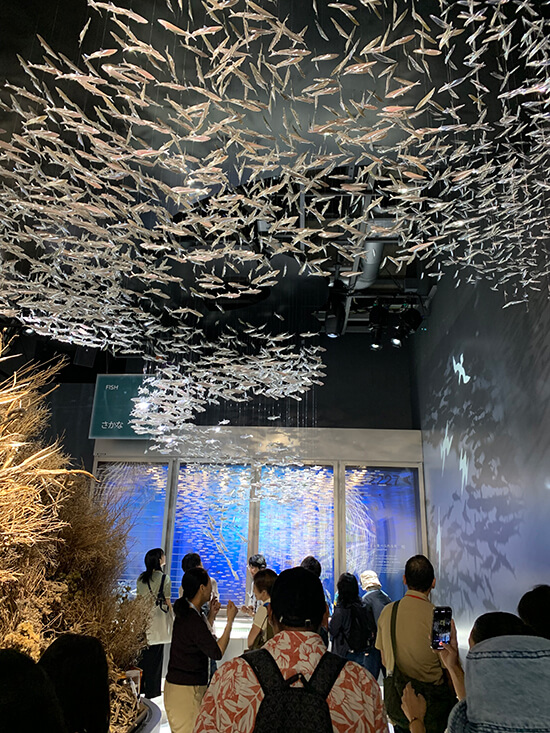
From the entrance, guests were drawn to a stunning art installation simulating a school of silvery fish suspended from the ceiling. This display belonged to the “Fish” section of the pavilion, which celebrated marine biodiversity and the sustainable coexistence between humans and aquatic life. Standing beneath the installation felt like drifting through a living current of fish. But more than that, it reminded me that the meals we enjoy originate from living ecosystems—not just from markets or restaurants.
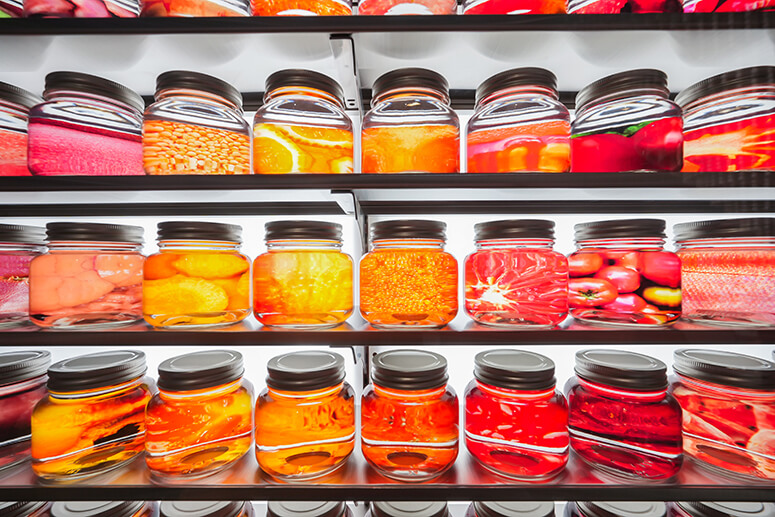

Just across was another striking zone: the “We Eat with Our Eyes First” section—a nod to the power of presentation and visual appeal in how we experience food. A feature wall displayed dozens of small glass containers, each holding a side dish commonly found on a Japanese dining table. The connection between the two sections was seamless. After all, beauty in food begins long before the plate—it starts in nature itself.
The pavilion was divided into two main zones: The Marketplace of Life and The Marketplace of the Future. The former visualized the total amount of food an average person consumes in a lifetime.
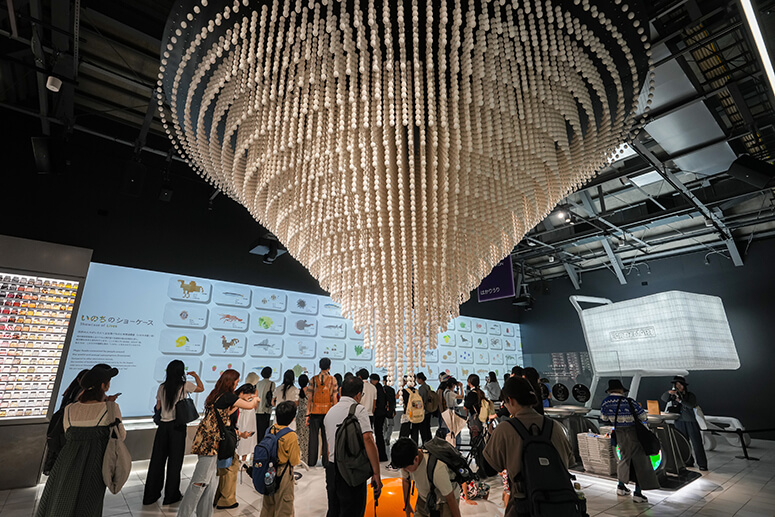
For example, it showcased an eye-catching chandelier-shaped installation of 28,000 eggs—the estimated number a typical Japanese person consumes over a lifetime.
While the Marketplace of Life provoked reflection on our habits and consumption, the latter looked ahead, offering a glimpse into what food might look (and taste) like in the years to come.
The future of food is here
Among the highlights of the Marketplace of the Future was a vibrant and forward-thinking exhibit—a perfect example of how tradition and technology can come together to create food experiences that are both meaningful and sustainable.
One of the most talked-about sections of the booth focused on food innovation—specifically, research into next-generation staple foods. This part of the exhibit explored how everyday meals can be reimagined to meet the demands of modern lifestyles and environmental challenges.
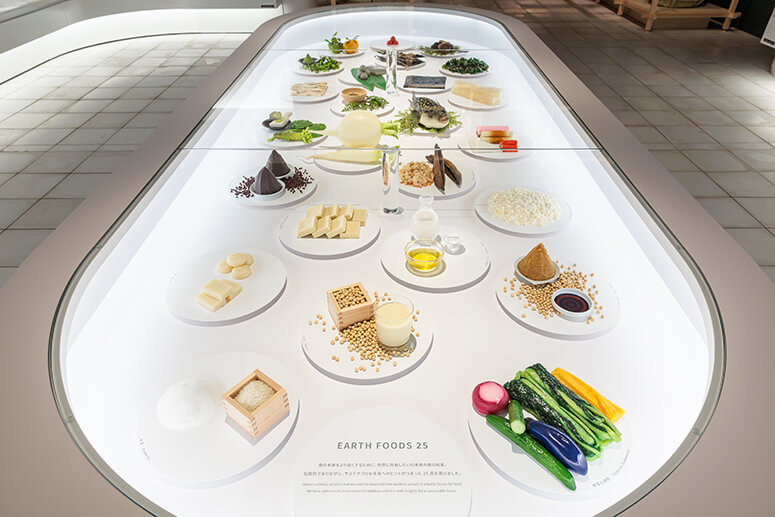
At the center was a display of experimental “flavored rice” prototypes—part of Osaka Expo 2025’s exploration into sustainable nutrition, convenience, and sensory enjoyment.
Here, rice is reimagined not just as plain grains, but as a nutrient-rich, flavor-infused, and time-saving medium.
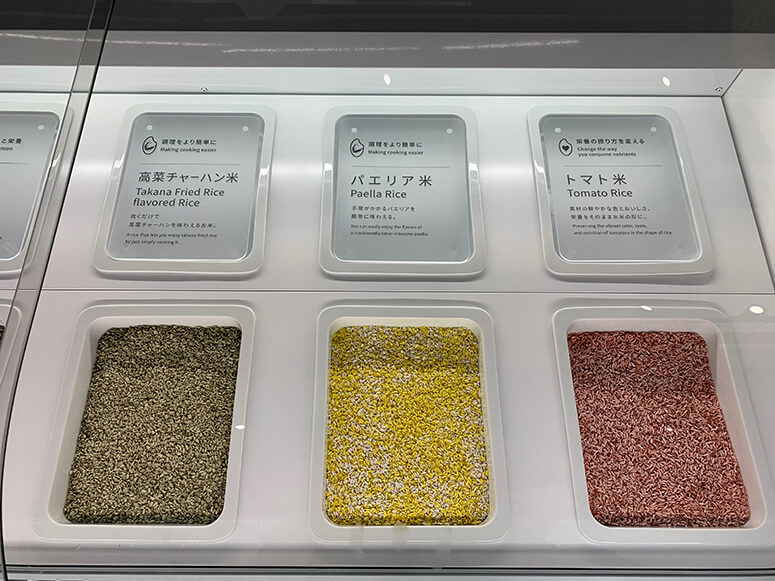
There were three prototypes: Takana Fried Rice, Paella Rice, and Tomato Rice.
Takana Fried Rice is a ready-to-cook variety that carries the seasoning and aroma of takana (Japanese pickled mustard greens). It eliminates the need for frying or adding extra ingredients—just cook it like plain rice, and it transforms into a flavorful dish. Isn’t that awesome?
Inspired by Spanish cuisine, Paella Rice is infused with saffron-like color and seafood or veggie flavors. You can even cook it in a rice cooker, and it recreates the richness of the Spanish classic—minus the hassle.
Lastly, Tomato Rice is shaped and naturally colored by incorporating real tomato essence. It preserves the taste, nutrients, and vibrant hue of tomatoes—reengineered into grain form. Talk about Japanese ingenuity!
This exhibit demonstrated how technology can make cooking more sustainable and enjoyable by reducing waste (no leftover sauces or unused ingredients), simplifying preparation (saving time, energy, and water), and encouraging diverse nutrient intake through familiar staples—like rice, Japan’s most iconic grain.
Rice, reimagined—as candy
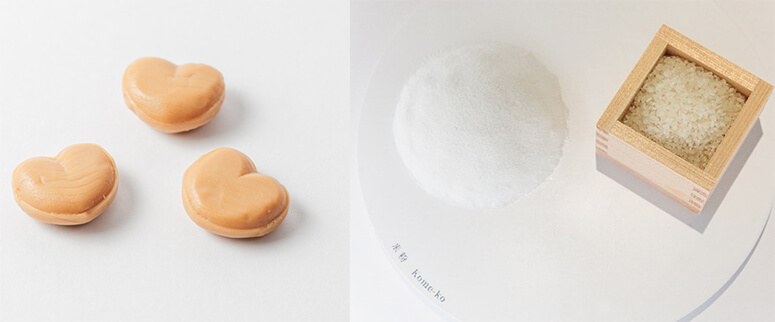
Continuing the creative use of rice, Glico, a Silver Partner of Earth Mart, unveiled a sweet surprise exclusively at Osaka Expo 2025: Rice soft candy. Yes, you read that right—rice, but in candy form.
These innovative treats combine the familiar chewiness of soft candies with the subtle sweetness and texture of rice, resulting in a snack that’s both nostalgic and refreshingly new. Made using rice-derived ingredients such as rice syrup, rice flour, rice protein and rice bran oil, Glico not only taps into its expertise and manufacturing technology cultivated since its founding, but also demonstrates how Japan’s staple food, like rice, and traditional ingredients can be reimagined for modern palates—and for a more sustainable future.
Kids rule!
The Earth Mart team, including Glico, also presented prototype products and imaginary food innovations that could exist in the near future— inspired and designed by kids!
The team deliberately involved children in imagining what the future of sweets and snacks could look like—because Glico has always believed that joyful imagination is the starting point of innovation.
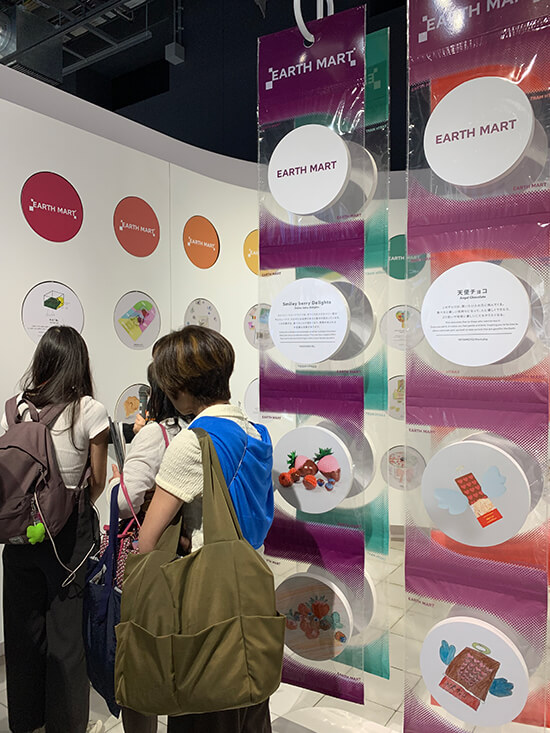
The concept grew out of workshops and idea sessions with children, where they were asked questions like: “What would you like to eat in the future?” and “How can snacks make the Earth happy?”
The answers were playful, colorful, and idealistic—things like: “An ice cream that’s warm when it’s cold and cool when it’s hot.”
The Earth Mart team, including Glico’s designers and food technologists, then translated those dreams into conceptual products, many of which were showcased in the exhibit—like Tenshi Choco (Angel Chocolate) and Smiley Berry Delights.
‘Itadakimasu,’ tomorrow
So, what does the future taste like? At Earth Mart, it tasted like flavored rice that needs no frying, like candies made from grains, and like wild ideas dreamed up by kids—ideas taken seriously by grown-ups. It tasted like care for the planet, for culture, and for joy.
The message was clear: the future of food isn’t just about what we eat—but how we appreciate it. And maybe that’s why, even in tomorrow’s world, there’s still room for a quiet, grateful itadakimasu before every meal.

WATCH: Do you still believe in marriage? (Generations Ep. 17)
August 19, 2026