

I made an AI startup before graduating college. Here's what I learned about the future of work

Every week, PhilSTAR L!fe explores issues and topics from the perspectives of different age groups, encouraging healthy but meaningful conversations on why they matter. This is Generations.
I was a pandemic college student. University life happened through a screen, with lectures and deadlines squeezed into tabs on my laptop.
When generative AI became accessible, most professors warned us not to use it. But one professor did the opposite: He required it.
That class changed how I saw technology. AI was not going to disappear simply because schools or companies were uncomfortable with it. The better question was not “How do we stop people from using AI?” but “How do we teach people to use it well?”
During my last term in college, I started SOFI AI, a company that helps businesses integrate artificial intelligence into their operations, out of frustration. I kept seeing people spend hours doing repetitive tasks. Customer service teams answered the same questions over and over again. Business owners manually reviewed inquiries, followed up with leads, and searched through scattered information.
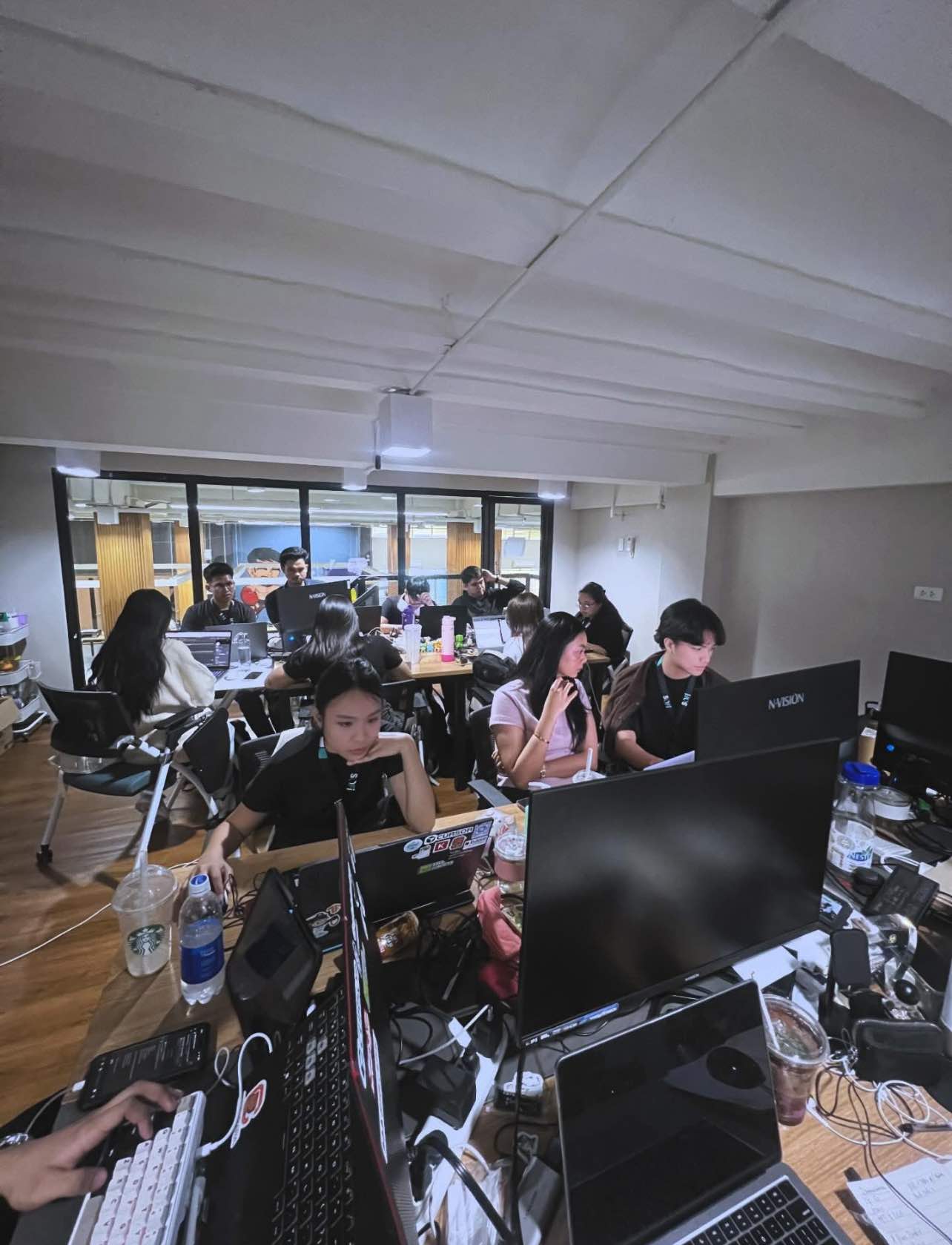
People were working hard, but much of their energy was being consumed by tasks that did not require human creativity, empathy, or judgment.
CONTINUE READING BELOW

I started wondering what work could look like if machines handled more of the things that they do best, such as processing information, spotting patterns, organizing data, and responding to repetitive questions. Would it give people more time to do what they do best? Listening. Creating. Building relationships. Solving complicated problems. Making decisions. Being human.
That became one of the ideas behind SOFI AI. Technology should not be introduced just because it looks impressive—it should make someone’s work easier and give people more capacity to focus on what matters.
For e-commerce businesses, AI helped answer frequently asked questions so the team could focus on customers who needed personal assistance. For franchising operations, it helped manage inquiries, book appointments, and schedule webinars.
We've also helped firms analyze thousands of customer conversations. Hidden in those messages were recurring questions, objections, missed leads, and frustrations. AI could organize those patterns much faster than a person could.
Still, someone has to decide what those findings mean and what the business should do next. After all, AI can organize the evidence, but humans still need to exercise judgment.
After speaking with business owners and employees, I noticed that people often misunderstand AI in three ways.
Some are doubters. They resist change because their current system still works, even when it is slow or exhausting. Familiarity feels safer, but familiar does not always mean efficient.
Others are fearful. The moment AI is mentioned, they wonder, “Does this mean the company will no longer need me?”
That fear is valid. Some companies will use AI irresponsibly, and some roles will be affected. But avoiding AI will not protect anyone from its effects. Understanding it gives people a better chance to adapt.
Then there are people who use AI only superficially. They ask it to write captions, summarize emails, or generate random images. There is nothing wrong with that, but it's like using a power drill to hammer in one tiny nail. You are using the tool, but barely understanding what it can help you build.
AI becomes more useful when we start with a real problem. Which task wastes the most time? Where are customers dropping off? What information is difficult to organize? The problem should come first. The technology comes after.
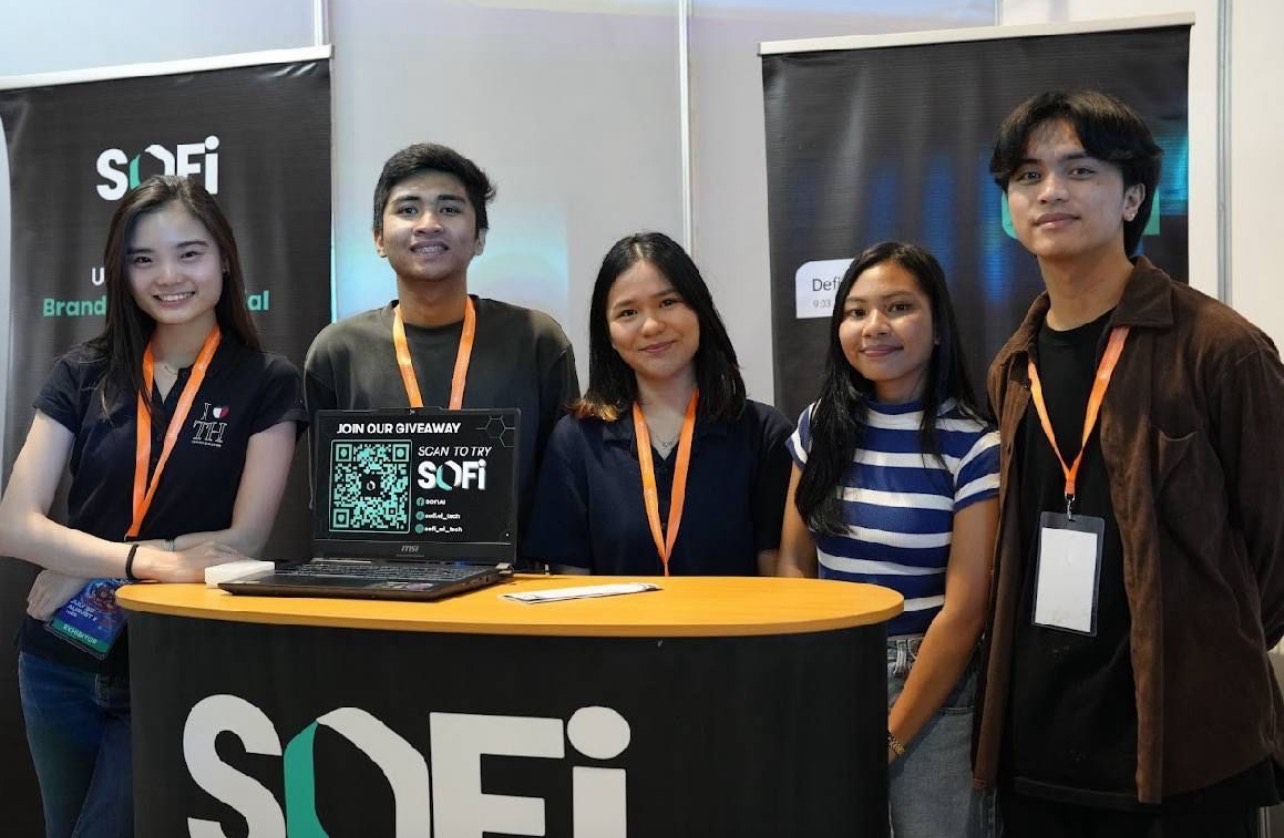
As a pandemic student, I learned early that the systems we depend on can change almost overnight.
One announcement closed campuses. One lockdown transformed how millions of people studied and worked. One technological update can change what employers expect from an entire generation.
Some tasks will disappear. Some positions may become less relevant. New roles will emerge, while existing ones will require different skills. That is frightening when you imagine yourself being replaced.
But if machines can take care of repetitive work, people may finally have more time to design the house instead of spending the whole day hammering every nail.
The danger is not only that AI will become capable of doing more—it's that people will decide they are incapable of learning alongside it.
Will we doubt it and walk away? Will we remain fearful and stand still? Will we limit it to small, entertaining tasks? Or will we learn enough to help shape what comes next?
I didn't have a technical background, so when I started my AI company, I questioned whether clients would take me seriously and whether I knew enough.
The honest answer was that I didn't know everything. I still don't. But waiting until I felt completely qualified would have meant never starting.
Building SOFI AI taught me that learning doesn't always happen before action. Sometimes, taking action is what forces you to learn.
So far, I've seen what becomes possible when people stop treating it only as a threat and begin learning how to use it responsibly.
I envision a future of work that won't be built by technology alone, but by people willing to question it, understand it, improve it, and use it to create a better way of working.
Technology shouldn't be about building a future where machines replace people, but about building one where technology gives us more room to do what only humans can do.
Generations appears weekly at PhilSTAR L!fe.
