

The stories brewing behind Philippine coffee
The best conversations often begin over a small cup of coffee. Farmers speak of unpredictable harvests, roasters debate the perfect roast, and café owners introduce visitors to beans from regions many had yet to discover.
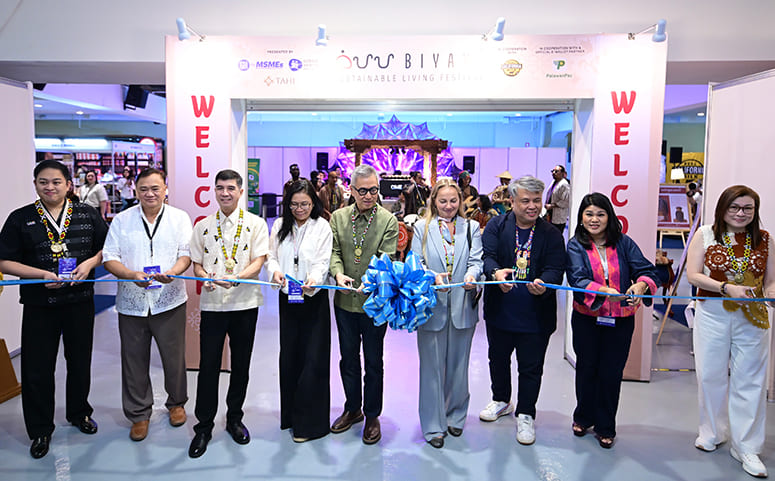
Such encounters defined the Biyaya Sustainable Living Festival, where more than 300 local brands, artisans, coffee producers, and social enterprises came together to celebrate Philippine coffee, craftsmanship, and sustainable living.
Organized by The Coffee Heritage Project in collaboration with SM for MSMEs, Manila Coffee Festival, Coffee Expo Manila, and public and private partners, the three-day gathering was held from July 17 to 19 at Megatrade Halls 1 to 3 of SM Megamall.
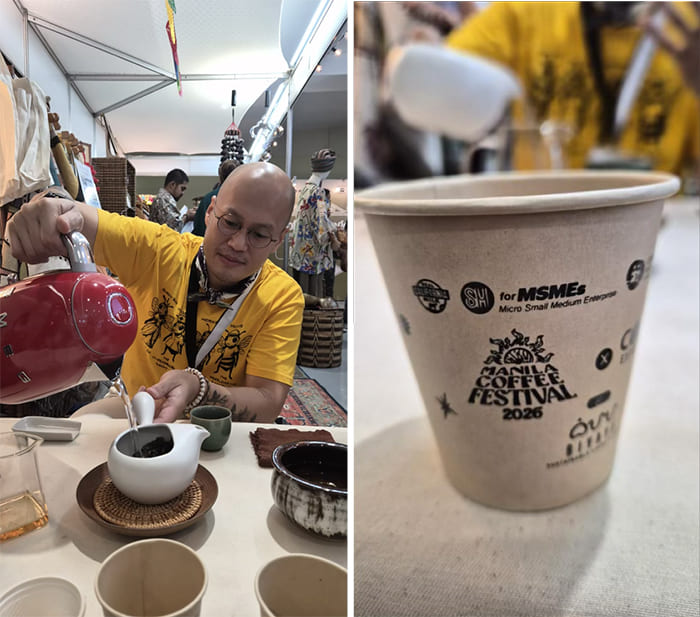
More than a marketplace for Philippine coffee, it invited visitors to discover the traditions, livelihoods, and communities that shape the industry. Through its collaboration with the festival, SM for MSMEs helped create a platform where coffee communities, artisans, and local entrepreneurs could connect with new audiences and celebrate Filipino craftsmanship.
Biyaya Sustainable Living Festival brings together coffee communities, artisans, and advocates to celebrate the people, traditions, and possibilities behind every brew.
“Coffee is more than a beverage—it is the livelihood of thousands of Filipino families,” said SM Supermalls assistant vice president and head of SM Communities Royston Cabuñag. “By supporting the Biyaya Sustainable Living Festival, we hope to shine a light on the people whose passion and craftsmanship sustain the industry—from coffee farmers and roasters to the entrepreneurs bringing Philippine coffee to more Filipinos.”
Cabuñag traced the beginnings of Biyaya to a simple conversation over coffee with Rich Watanabe, founder of The Coffee Heritage Project, and other advocates who shared a common belief: that behind every cup of Philippine coffee is a farmer, a family, a community and a dream.
CONTINUE READING BELOW

“Looking around today, it’s amazing to see how one conversation over coffee has grown into the Biyaya Sustainable Living Festival,” he said.
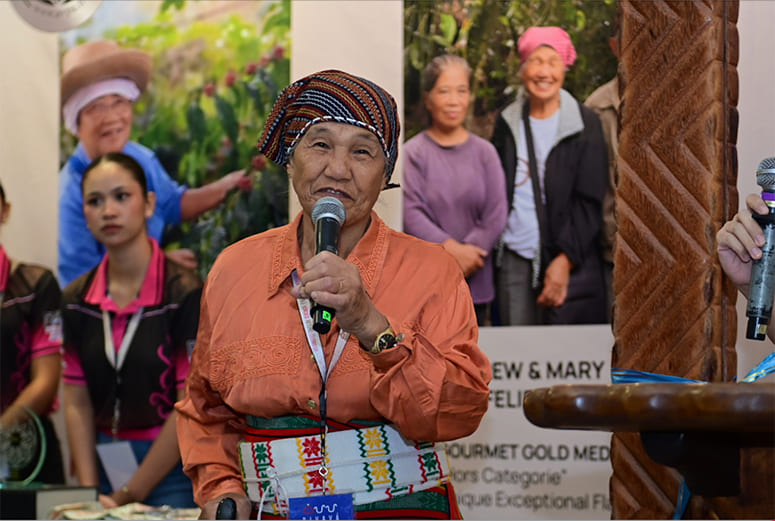
Among the moments he treasures was meeting heritage coffee grower Nanay Felipa Villicana from Sagada, who visited SM’s head office at the Mall of Asia. Looking out at the sprawling MOA Complex, she recalled how the area was once nothing but water.
“Ang naalala ko po is, tubig lahat ito,” Nanay Felipa shared, remembering the transformation she had witnessed over the years.
A recipient of the Gourmet Gold Medal “Hors Categorie” from the Agency for the Valorization of Agricultural Products (AVPA) for her exceptional coffee, Nanay Felipa represents generations of growers whose dedication has helped preserve the country’s coffee heritage.
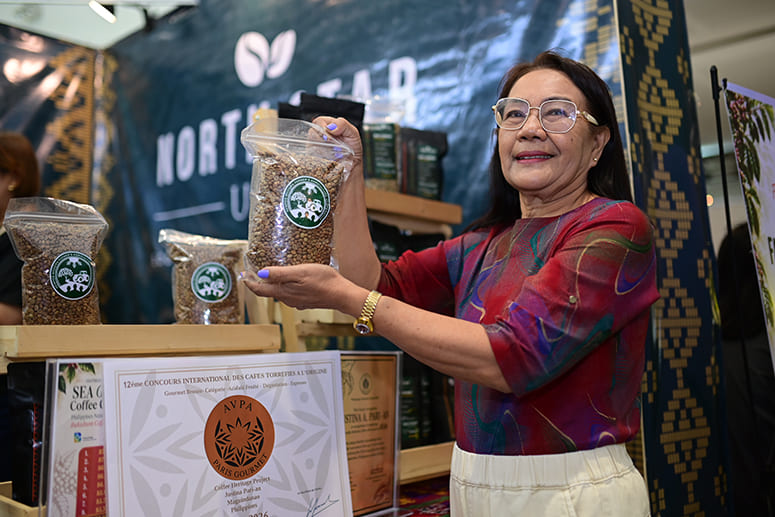
For Cabuñag, her story reflected the perseverance and aspirations of the people who have nurtured Philippine coffee through generations.
Beyond the cup
For many coffee farmers and local entrepreneurs, Biyaya is more than a place to sell their products. It is an opportunity to introduce their coffees to new audiences and build lasting relationships with customers who value locally grown products.
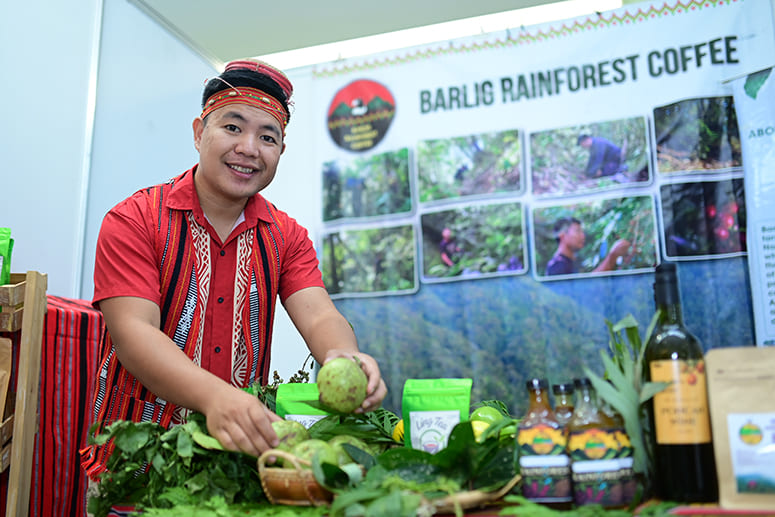
“The festival is built on a shared vision for a better and brighter future,” said Watanabe. “It brings together coffee communities, weavers, artisans, startups and small businesses, and we’re grateful to have found a home with the SM community.”
That spirit of collaboration reflects the growing appreciation for Philippine coffee—not only as a beverage, but as an industry that supports livelihoods, preserves local traditions, and creates opportunities for growth.
From bean to destination
Beyond the cup, Philippine coffee is also emerging as a tourism experience—one that connects travelers to the landscapes, traditions, and communities behind every brew.
Representing Department of Tourism Secretary Dita Angara-Mathay, Director Paolo Tumbang highlighted how coffee has long been part of Filipino hospitality—from welcoming guests at home to bringing people together over shared moments. Today, he said, it also offers an opportunity to showcase the country’s agricultural heritage to the world.
Through initiatives such as coffee trails, visitors can go beyond tasting locally grown beans to discovering the stories of farmers, the richness of coffee-growing regions, and the generations of knowledge behind every harvest. These experiences create opportunities not only for coffee producers, but also for communities involved in tourism, hospitality, and related industries.
A celebration of Filipino craftsmanship
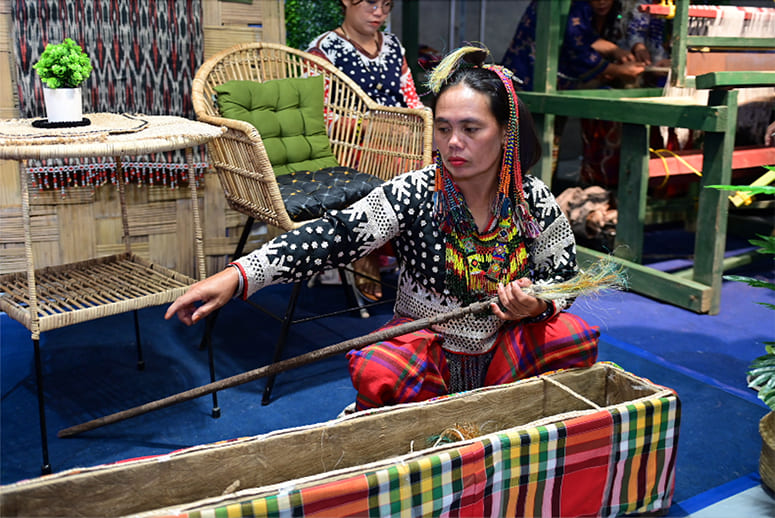
Handwoven textiles, artisanal creations and locally crafted products shared the spotlight with homegrown coffee, reflecting the festival’s wider mission of supporting sustainable enterprises and preserving cultural heritage.
The presence of weavers and artisans added another layer to the celebration, highlighting how traditional skills continue to find relevance in today’s marketplace. From coffee growers to craftspeople, the festival brought together communities whose work reflects the richness of Filipino ingenuity.
At its heart, Biyaya was a reminder that every product carries a story—of the land where it began, the hands that shaped it, and the communities that keep these traditions alive.

WATCH: LGBTQIA+ people with unlikely professions
June 28, 2026
WATCH: Why is it so hard to make friends? (Generations Ep. 26)
October 21, 2026
WATCH: Do you still believe in marriage? (Generations Ep. 17)
August 19, 2026
WATCH: Is Philippine cinema still thriving? (Generations Ep. 19)
September 2, 2026