

REVIEW: 'Wuthering Heights' is a timeless, toxic love story
Wuthering Heights is the latest adaptation of a classic novel, bringing Emily Brontë’s iconic work of forbidden love to life with stars Margot Robbie and Jacob Elordi in starring roles under the direction of Emerald Fennel, who also wrote the screenplay.
Produced by Robbie herself, the film is a sumptuously crafted adaptation, superbly acted. To get our premiere audience in the appropriate mood, Ayala and Warner Brothers pulled out all the stops with a gala premiere at the newly-renovated Greenbelt 3 cinema, complete with cocktail food, champagne, and a string quartet! Inside, the refurbished theater’s larger, more comfortable seats and state-of-the-art sound made for an equally luxurious experience.
The film tells the story of Catherine Earnshaw, the willful daughter of an alcoholic father whose personal demons are causing their titular home to fall into disrepair. After a drunken night out, Catherine’s father adopts an orphan whom the young girl names Heathcliff, with the enthusiasm usually reserved for a pet. Living under the Earnshaw roof with Heathcliff as an indentured servant, the two children form a friendship that blossoms into something resembling love as they grow into adulthood.
When the time comes for Catherine to marry a wealthy neighbor (Shazad Latiff), a heartbroken Heathcliff runs away, returning when his childhood companion is expecting her first child. When Catherine and the now-wealthy Heathcliff reunite, their dynamic is very much changed, forcing the two to confront their unspoken feelings in a society that frowns on impropriety.
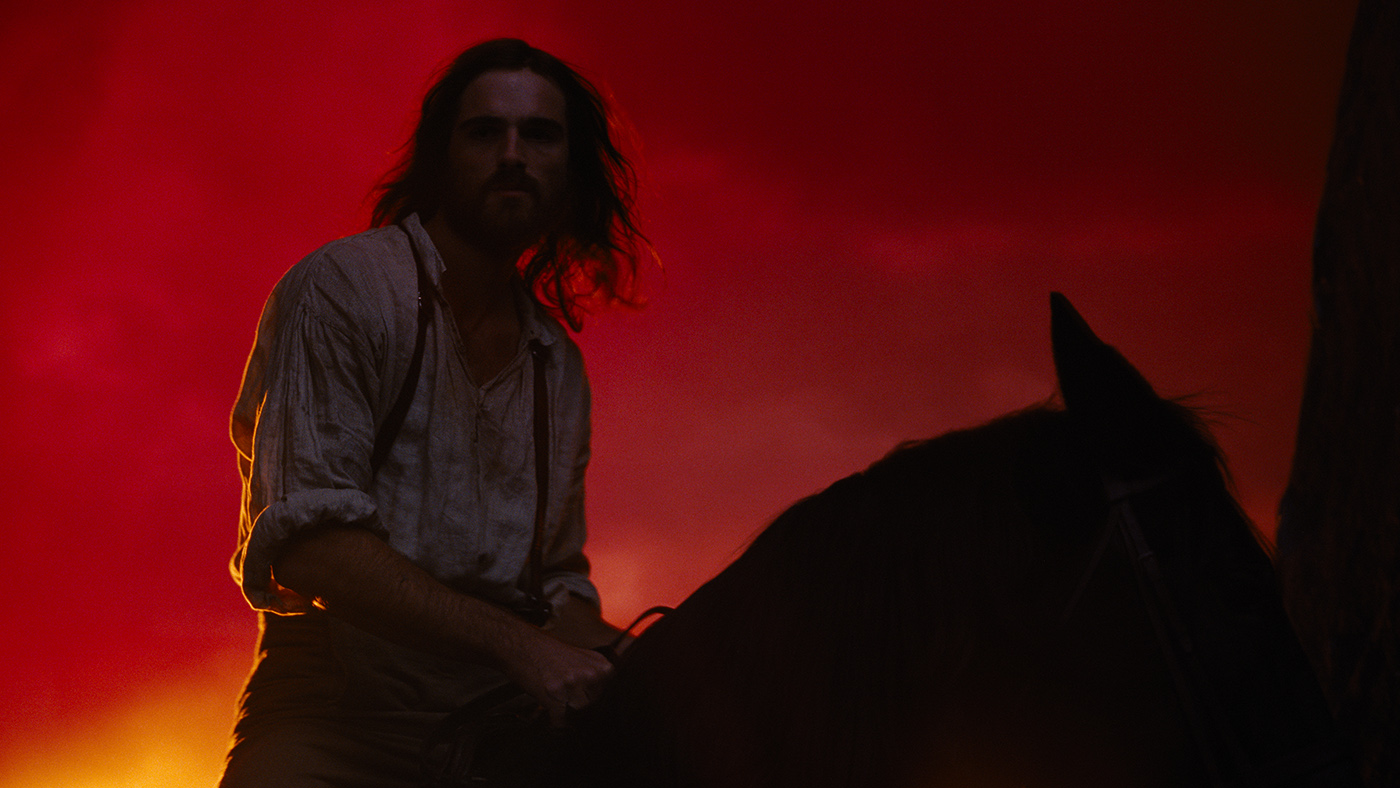

Written in 1847, Emily Brontë’s Wuthering Heights is often misconstrued as an escapist, bodice-ripping romance, much in the way that The Great Gatsby is presumed to glorify Gilded Age excess. As those who’ve actually read these works will attest, neither book is anything like what their reputations would suggest; seeing as we live in a time where many consider The Joker’s repeated domestic abuse of Harley Quinn as “couple goals”, this probably has more to do with modern audiences’ lack of media comprehension than anything else, but such is life.
While Wuthering Heights contains many of the elements that Bridgerton exists to riff on, this is as far from romantic as one can get, featuring horrible people doing horrible things to each other, replete with generational trauma, unspoken truths, and no end of horniness (requited or otherwise). Fennel is the perfect director to helm the adaptation, never shying away from the toxic, entitled nature of her characters, while elevating the proceedings with a level of visual flair not found in previous adaptations.
Robbie and Elordi play their parts with a nigh-fearless lack of self-consciousness, rendering Catherine and Heathcliff as mutually dislikable in all of their damaged glory. Robbie, in particular, excels at communicating volumes through wide-eyed silence, while Elordi deploys variations of the wordless smoldering and underlying cruelty that made his turn as Frankenstein’s creature unforgettable. There’s a fine line between love and a restraining order, and these actors clearly understood the assignment; while the onscreen depictions of Catherine and Heathcliff’s illicit lust may put off purists, Robbie and Elordi’s interactions crackle with prurient chemistry.
Visually, Fennel’s take on Brontë’s Victorian world is as extraordinary to behold as it is unsettling to inhabit. Garish, gothic, and altogether visceral, the film plays out like a fever dream, with cinematographer Linus Sandgren deploying color like a deadly weapon; vivid reds play out against stark black and white to bring narrative themes to the fore, pairing with Suzie Davies’ superlative production design and Jacqueline Durran’s costumes to give sequences an aesthetic beauty bordering on the nightmarish.
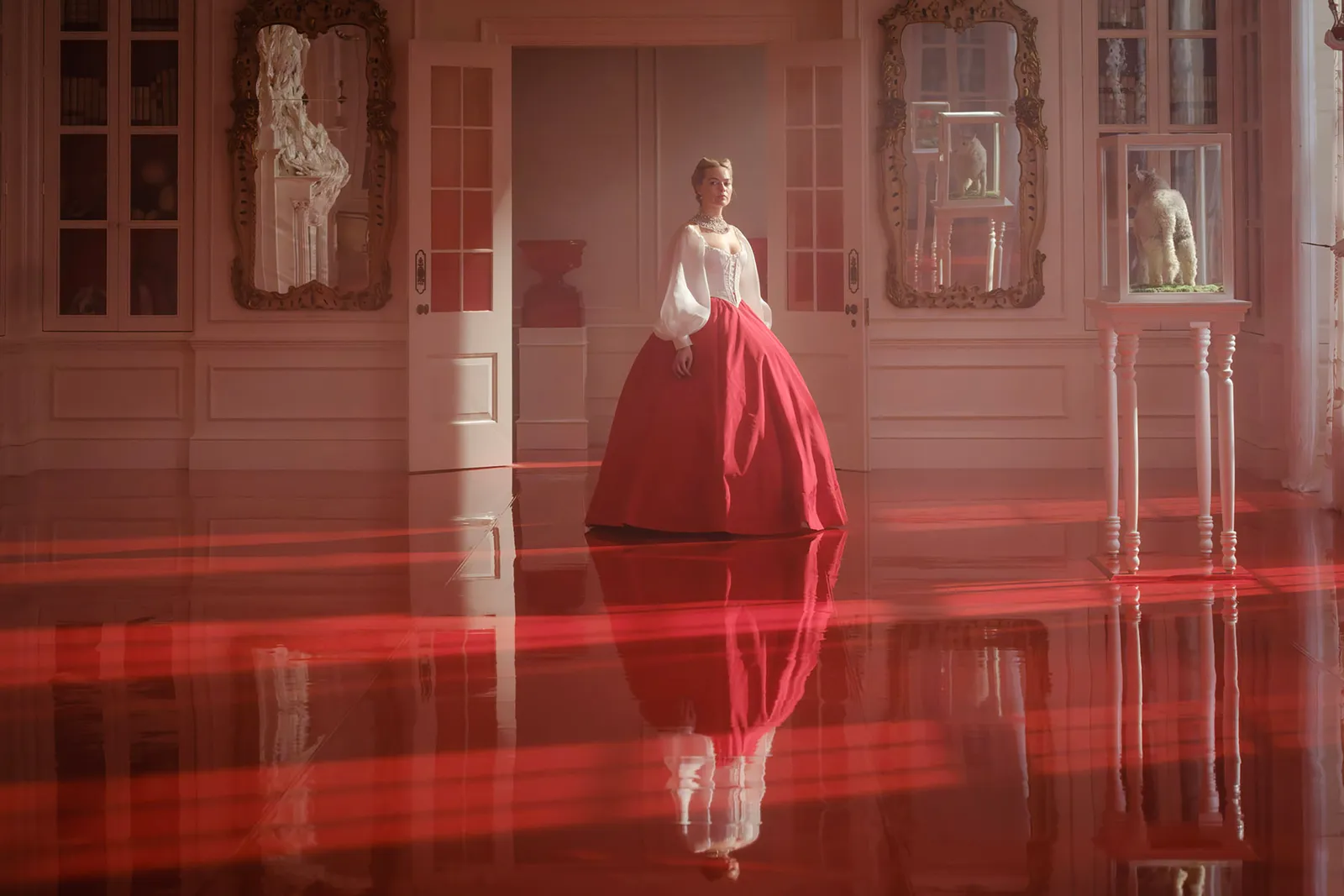
The soundtrack, by Charli XCX (Bottoms), blends traditional orchestrations with the artist’s signature experimental synth-pop sensibilities to bring ostensibly classical material into the 21st century—the story may be Victorian, but the vibe is breathtakingly contemporary. For a genre usually seen as stodgy and constrictive, the score stands defiantly like a caged beast yearning for satisfaction.
Adaptation-wise, the broad strokes of the story are here, though Fennel—like many directors prior—stops short of adapting the entire novel, focusing her narrative on Catherine, Heathcliff, and those immediately affected by their actions. Of these supporting characters, it is Catherine’s housekeeper Nelly—whose perspective the original book was told from—who stands out, her machinations blurring the lines between caring confidante and complicit participant. As played by Hong Chau, the distinction is never made entirely clear, to the point that when the film reaches its inevitable denouement, we aren’t sure whether to cheer or cry for her.
Where previous versions sanitized the story to various degrees, Emerald Fennel’s take on Wuthering Heights goes all-in on the novel’s unsavory elements, practically daring the audience to find someone to empathize with. It’s a bold, brazen take that realizes the spirit of Brontë, if not the letter. For anyone who might be offended by that, the quotation marks around the title aren’t just a whimsical affectation; they’re a declarative statement: Much like the source material, this isn’t your usual love story.
Don’t say we didn’t warn you.
Disclaimer: PhilSTAR L!fe was given free access to the premiere of Wuthering Heights.

WATCH: Do you still believe in marriage? (Generations Ep. 17)
August 19, 2026
WATCH: Is OPM still as good as it used to be? (Generations Ep. 20)
September 9, 2026