

A highly sanitized Michael Jackson story
Imagine if we lived in a world where we could ignore the worst aspects of reality, and only dwell upon fond memories. That’s the allure of nostalgia, and maybe that’s why the biopic Michael has done such impressive box office, despite a severely amputated version of the King of Pop’s rise.
If you’re to believe this sanitized version of Michael Jackson’s story, it all leads to a solo performance at Wembley Stadium in 1988. And then— that’s it! They all lived happily every after!
It’s like doing a biopic on Harvey Weinstein that leads up to Miramax’s golden Oscar moments, and ends right there, conveniently before #MeToo.
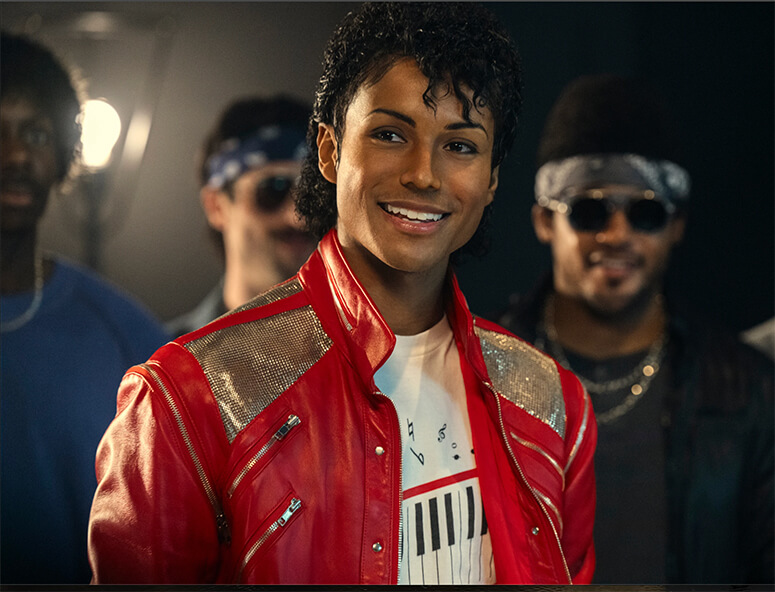
Yet that doesn’t mean people don’t like Michael. The fans who flock to it are more than willing to overlook all the deliberate cuts in Jackson’s chronology.
With the Jackson estate’s tight control over the script (writing out the arrest and sexual abuse charges, even ejecting a non-compliant Janet Jackson from the story), you can see how diligent scrubbing and whitewashing can remove even the tiniest angle or sharp corner from one of the most controversial stars in pop history.
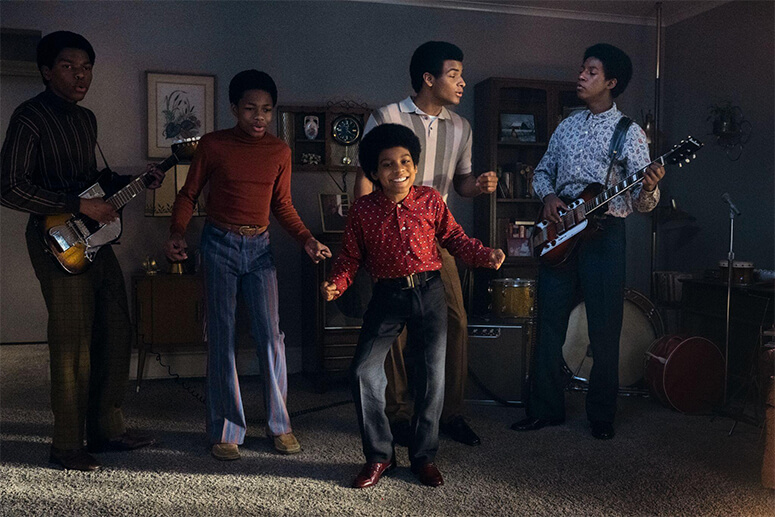
Here we have the pop singer’s nephew Jaafar Jackson stepping into the role, mastering all the crisp dance moves and some of the vocal effects Jackson was known for. Yet when it comes to dark corners, these are doled out carefully, applied thinly. Sure, the Jackson patriarch Joseph (Colman Domingo) is shown as a cruel taskmaster, reaching for his belt to hit Michael at times, trying to control Michael through his career; but that’s as deep as it goes. In a scene following an early belting, Michael lies under the covers, reading Peter Pan storybooks and descending into a fantasy world—this moment could’ve led to a more resonant story about the incredible pressures put on child performers, but director Antoine Fuqua and John Logan’s script just treat it as a throwaway.
CONTINUE READING BELOW

Or take the fact that a young Jackson befriends a rat as a pet (yup, just like in the song and movie Ben): all kinds of material there to examine —hints of goth horror, even—but why go any deeper? We’re here to see Moonwalking!
Whatever narrative edge that survives in this biopic is built on young Jackson’s fierce determination to shine, despite Joseph’s heavy hand, while studiously looking away from deeper questions about what he was all about. Sayang, missed opportunity.
Because, again: if your story overlooks the warping of parental abuse, the drug addiction, the many cases involving sexual abuse—either litigated away, or won in court battles—then it’s missing half a story.
(The original script did, apparently, open with the King of Pop’s arrest at his Neverland Ranch, where wild animals and young, unattended children were allowed to roam free. That got scrapped when the Jackson estate discovered a helpful clause in the settlement of one former accuser forbidding any mention of his name. Similarly, an HBO documentary called Leaving Neverland focusing on the charges was scrubbed from its online streaming site at the estate’s insistence.)
The thing that disturbs about Michael is Fuqua can be a riveting director, so his hagiography taps into the very thing that made Michael Jackson special—that he possessed, as one character says, “a God-given talent”—and uses this to gloss over any critical questions that might rightly be asked about the superstar. We are caught up in Michael’s ascent, just as fans of The Jackson Five and “Thriller” lovers later were while watching their hero grow up, reach new artistic heights, shape a whole generation. The difficult part is when the public face meets what’s behind the curtain; and Michael, decidedly, doesn’t want to go there.
Still, Jackson fans are willing to accept the children’s storybook version of their idol’s golden moments, ignoring any of the messier realities, preferring the old razzle-dazzle. That’s the power of nostalgia in our reality-addled times. Hey, look! They just released a sequel to The Devil Wears Prada, 20 years after the original! It’s a beat-for-beat repeat of the original—Anne Hathaway meeting impossible demands to win over impossible boss Meryl Streep, while Emily Blunt gives side-eye. But that doesn’t mean people won’t get back on the merry-go-round once again. (Fair enough, just as long as they don’t do Mamma Mia 3.)

WATCH: LGBTQIA+ people with unlikely professions
June 28, 2026