

Team Philippines wants the world to appreciate Filipino cuisine on its own terms in 'Iron Chef Thailand vs. Asia'
From yellowtail tuna kinilaw to duck adobo, steak pares, and a modern take on champorado, Team Philippines in Iron Chef Thailand vs Asia shows how Filipino cuisine can evolve while staying rooted in its familiar flavors.
For the Filipino chefs competing in the competition show, representing the country goes beyond preparing local dishes. It is also an opportunity to introduce the country's ingredients, cooking techniques, and regional diversity to a wider audience.
At a food tasting and media briefing event held on Nov. 11 at Lazy Susan in The Podium, Team Philippines showcased four dishes that put a contemporary spin on familiar favorites.
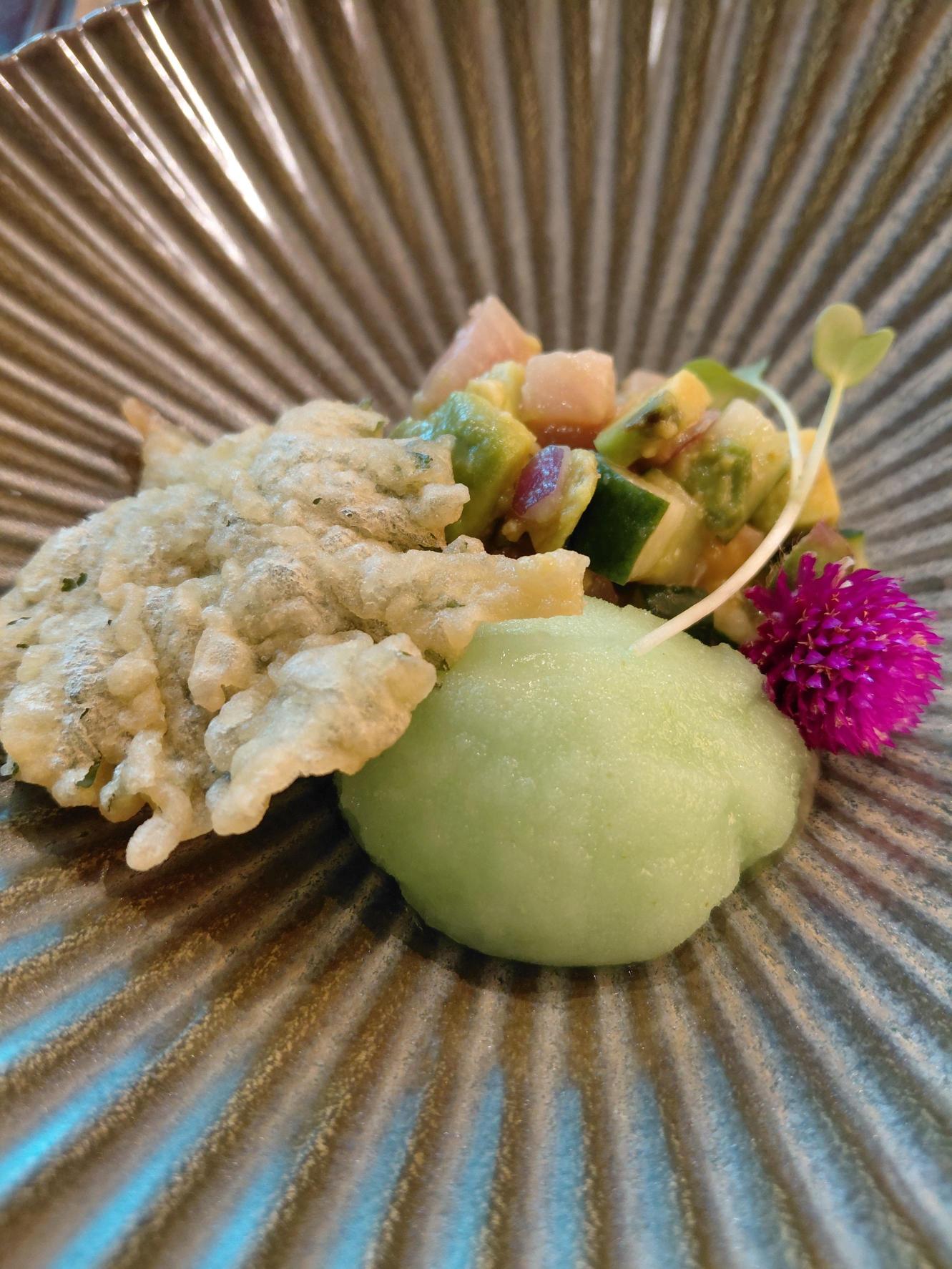
Mia Yan prepared the hamachi kinilaw, featuring yellowtail tuna in a soy, sake, and mirin dressing, with avocado, cucumber, and onion. The dish was served with wasabi-lime sorbet and shiso tempura.
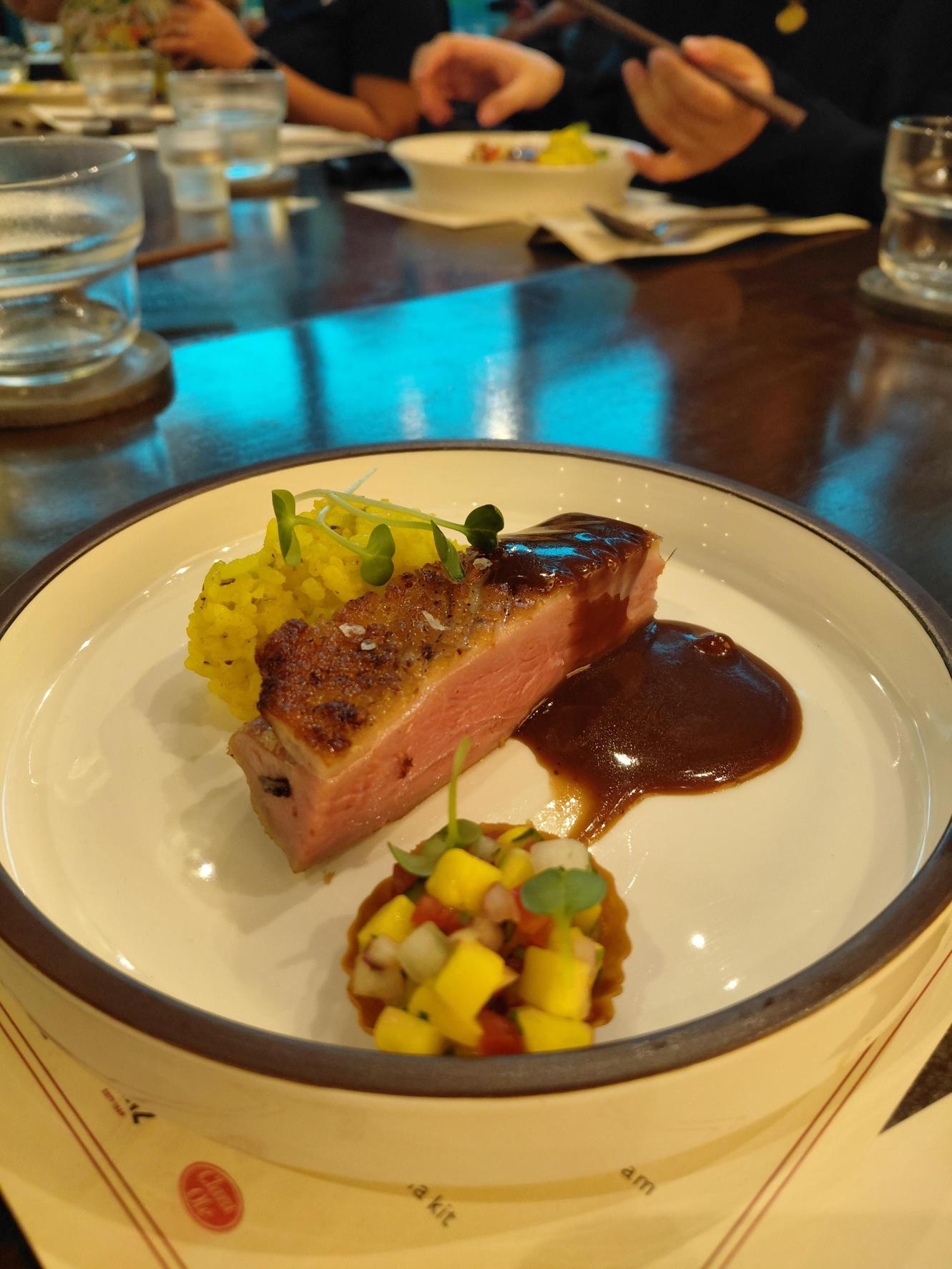
Meanwhile, Mav Javier presented duck adobo, pairing dry-aged duck with a tablea adobo sauce and herb turmeric rice.
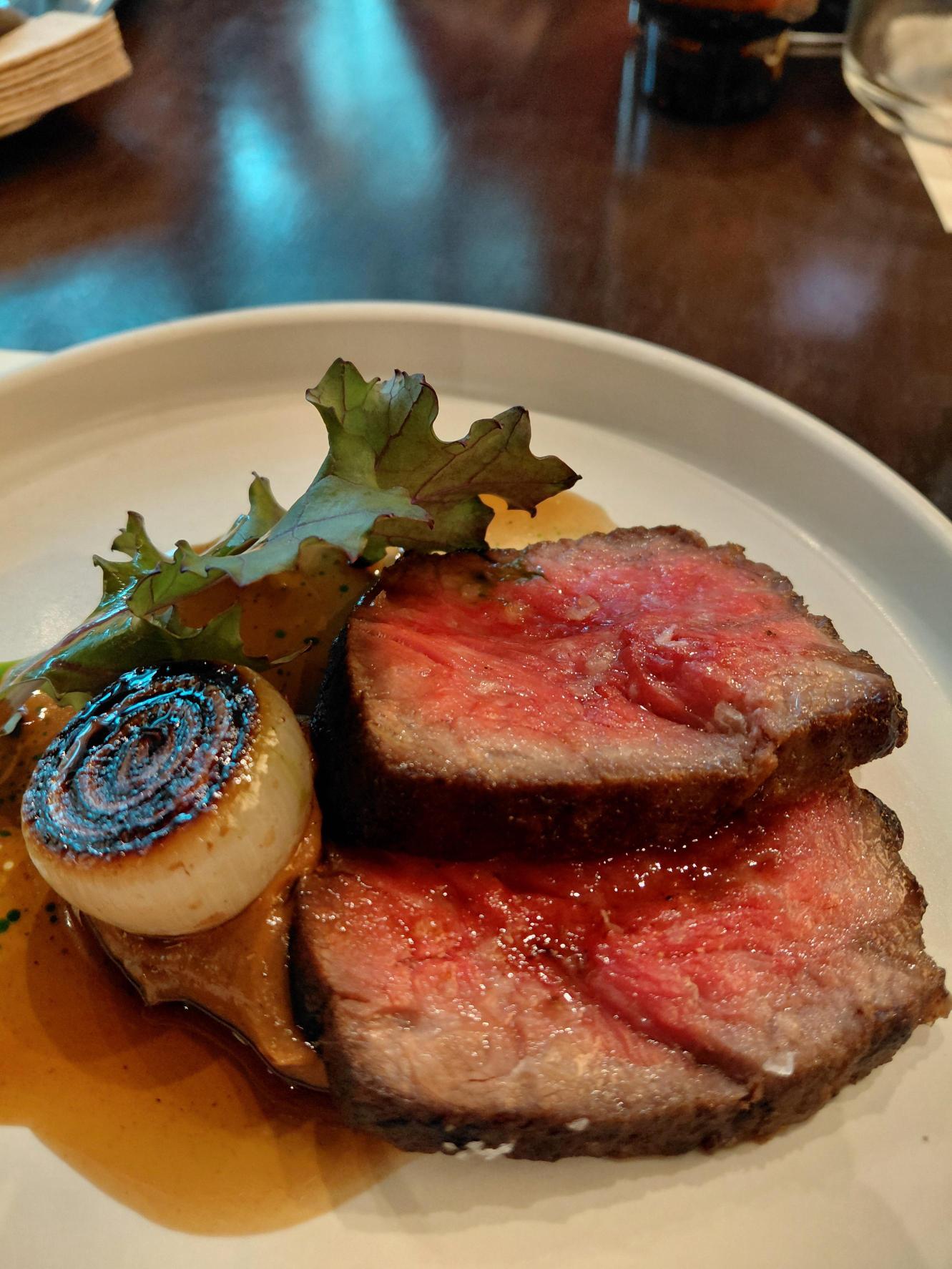
AC Agra's steak pares featured char-grilled steak with pares demi-glace, caramelized cauliflower, truffle purée, and burnt onion.
CONTINUE READING BELOW

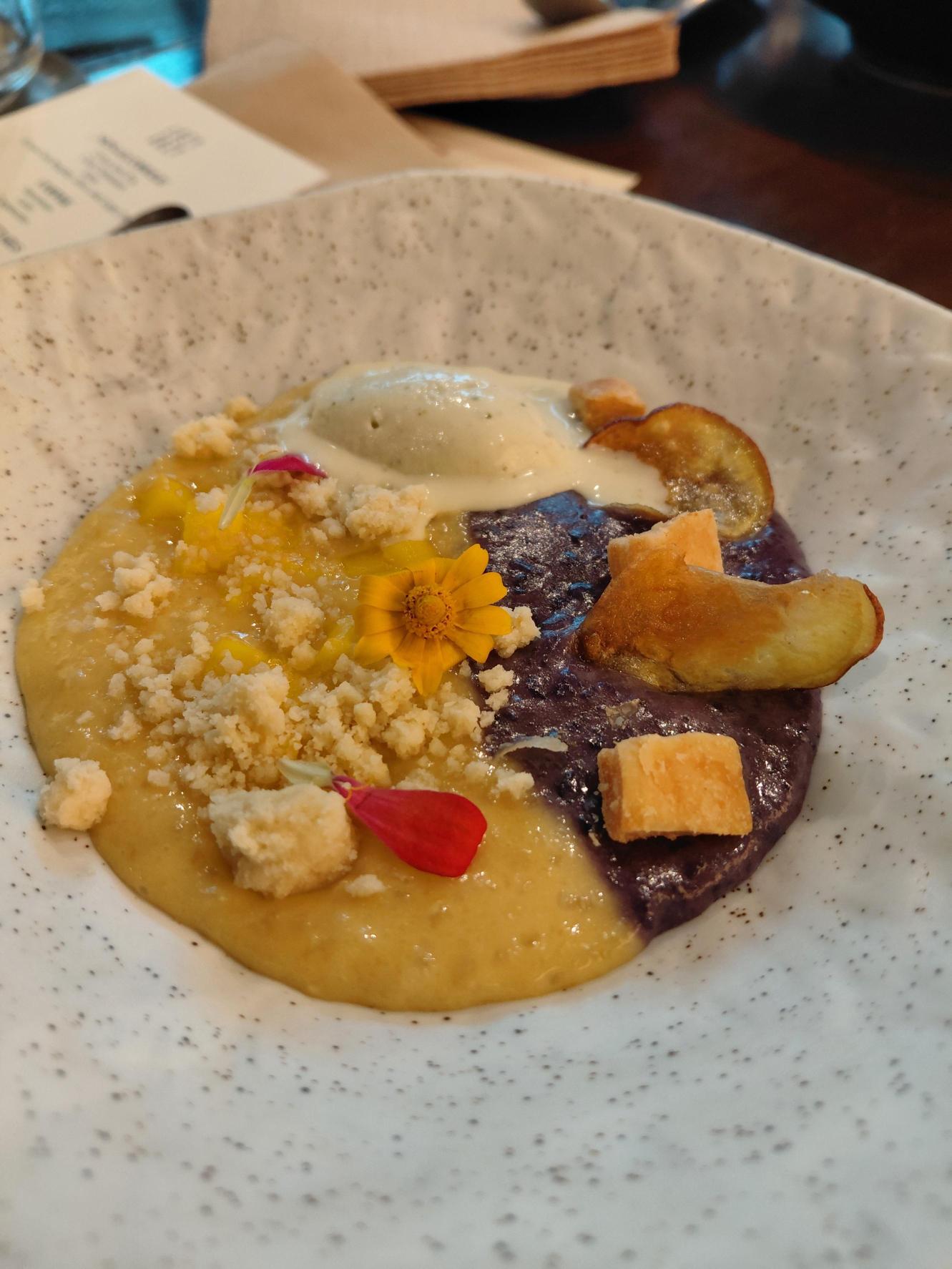
Lastly, Sonny Mariano prepared a duo of champorado made with ube and mango passion fruit, brown butter polvoron, cheese puffs, and kaffir rice cream.
The menu also showcased bites inspired by Filipino favorites such as kare-kare, inasal, and sisig. For the sisig-inspired bite, Mariano used crispy silkworms, tossing them in a sauce made with calamansi, chilies, and onions.
“Medyo may livery aftertaste. I made the sauce with some calamansi, and chilis, onions, ta's tinoss ko yung crispy silkworm. Lasang sisig talaga!” he said.
For the chefs, however, showcasing Filipino cuisine is not just about giving traditional dishes a modern presentation. It is also about making sure their identity is not lost in the process.
Keeping Filipino cuisine authentic
One of the chefs pointed out that Filipino food cannot be defined by just one flavor or cooking style because every region has its own specialties.
"If you look at our cuisine from north to south, iba-iba 'yung local," Javier told PhilSTAR Life. "I think that's one characteristic that's very unique."
Meanwhile, Agra believes that Filipino dishes can be elevated through new textures, techniques, and flavors, as long as chefs continue to respect traditional cooking.
"There's a way that we can elevate by adding texture, by adding a different approach," Agra said. "But we need to respect the whole way of cooking of Filipino traditional [food]."
Javier also observed that Filipinos sometimes adjust their cuisine because they want it to be appreciated and recognized by other countries.
"We have a tendency to do that because our mindset is somehow we want to be appreciated, we want to be recognized," he said. "But for me, to keep things authentic and real, that's something we learn. That's what it means for me."
'We're also good'
Competing against experienced chefs from other Asian countries has also given Team Philippines a better appreciation of the talent in the competition.
Javier admitted feeling nervous after seeing the other competitors' experience, even after the team had prepared together.
"Even kahit nakapag-practice kami, medyo nakapag-boost siya ng confidence, but once you get there and you see these chefs well-experienced sa mga field nila, medyo kabahan ka rin talaga," he told Life.
Still, the team made sure to encourage one another throughout the competition.
"What's nice about our team is that we keep pushing one another," the chef added.
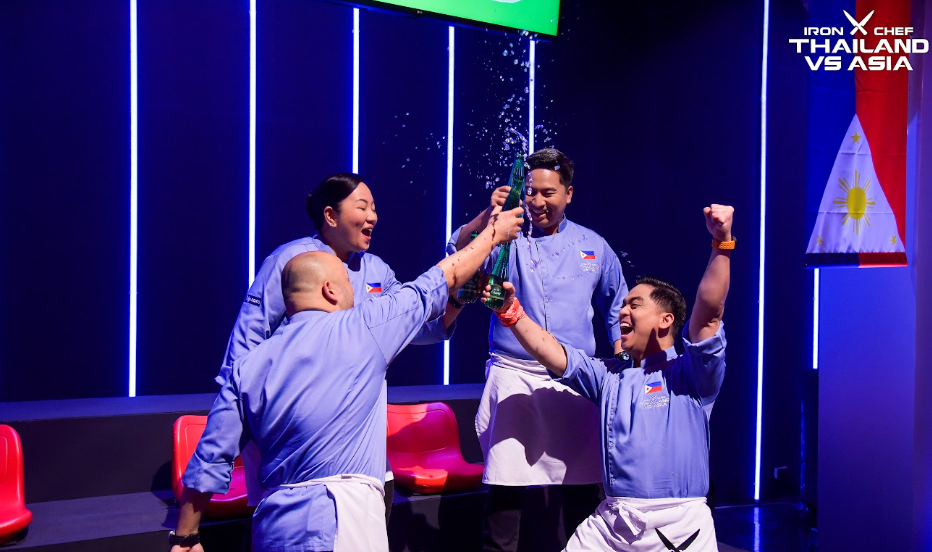
Yan had a straightforward message for Filipino chefs who might feel intimidated by international competition.
"Just show up, do your best. Don't be afraid of them. Really, be confident. Believe in yourself," she said. "I'm sure they're also good, but we're also good."
She also believes the country's growing recognition in the food scene may have helped bring Team Philippines into the competition's second season.
"You know, Philippines is very, very popular. I think that's why they also invited us to join this time around. Season 1 walang Philippines. Season 2, they invited us because they knew that Filipino cuisine is picking up," she told Life.
"Our flavors are wonderful. Mabilis lang tayo magluto," she added. "So, I think that will be our contribution also in highlighting Southeast Asia and Asia also."
Javier hopes Filipino food will eventually become one of the first cuisines people think of when they talk about Asian food.
"So much flavor, so [many] techniques. [Hindi] tayo nakabox na with particular flavor profile," the chef said. "And I hope later on, when people talk about Asian food, tayo yung top of mind."
Iron Chef Thailand vs Asia Season 2 is streaming on Netflix, with new episodes dropping every Saturday. The culinary competition features teams from the Philippines, Thailand, China, South Korea, and Indonesia, with its finale scheduled for Dec. 12.

WATCH: Is Gen Z too soft? (Generations Ep. 23)
September 30, 2026
WATCH: Pixar Summer Fest adventure at Hong Kong Disneyland
August 10, 2026