

Four HBO Max movies that go deep on mental health
BrandedUp in partnership with

No two mental health struggles look exactly the same.
For one person, it may be anxiety that becomes overwhelming each day; for another, it’s grief that never dissipates. It can take the form of addiction, trauma, or intrusive thoughts that remain invisible to everyone around you.
That is partly why stories about mental health matter.
While movies in particular may be exaggerated, they help people build empathy and offer a glimpse into someone else’s world. They also make it easier to talk about mental health by reducing the stigma attached to it, and introducing viewers to conditions, symptoms, or struggles they weren’t familiar with.
With an HBO Max Standard subscription now included in the PLDT Home Fiber Unli All Plan 1499, there are more such stories within easy reach at home.
The plan gives movie buffs access to HBO Max’s library of shows to stream, alongside Cignal TV, 9GB Smart data, and unlimited calls as part of the perks.
CONTINUE READING BELOW

As efforts toward mental health awareness go beyond October, HBO Max offers films that explore experiences that are often difficult to put into words.
A Star Is Born (2018)
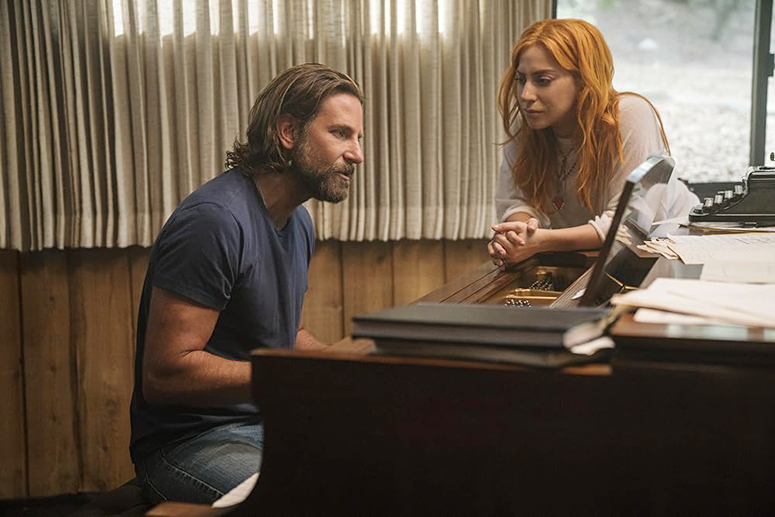
In this highly acclaimed 2018 remake of the 1937 original, Bradley Cooper’s Jackson Maine, a famous musician struggling with alcohol and drug addiction, discovers Lady Gaga’s Ally, an unknown singer whose career quickly begins to eclipse his own.
But beneath the music and romance is a much darker story about addiction, depression, shame, and the limits of love.
Ally desperately wants to help Jackson, but the film refuses to offer the comforting idea that loving someone hard enough can cure them.
Jackson’s deterioration also makes A Star Is Born an uncomfortable reminder that success, talent, and being surrounded by people who love you do not necessarily protect someone from mental-health struggles.
The film opens a conversation about recognizing distress, asking for help, and understanding that mental illness is not a failure of character.
The Fallout (2021)
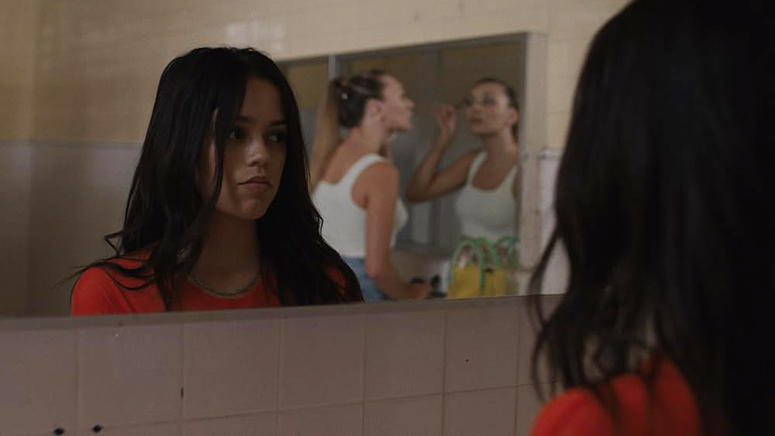
In a story that may resonate with Filipinos given the news about violence in schools, Jenna Ortega plays Vada, a high school student who survives a school shooting.
The movie is interested in what comes afterward: the numbness, anxiety, grief, anger, and confusion of trying to resume an ordinary teenage life after something has fundamentally changed it.
Vada forms an unexpected friendship with fellow survivor Mia (Maddie Ziegler), but healing proves anything but straightforward. She distances herself from people who love her, experiments with drugs and alcohol, and struggles to understand why she feels the way she does.
That’s one of the film’s strengths—recovery isn’t presented as a neat progression from trauma to healing. It understands that surviving an event and recovering from it are two very different things.
The Way Back (2020)
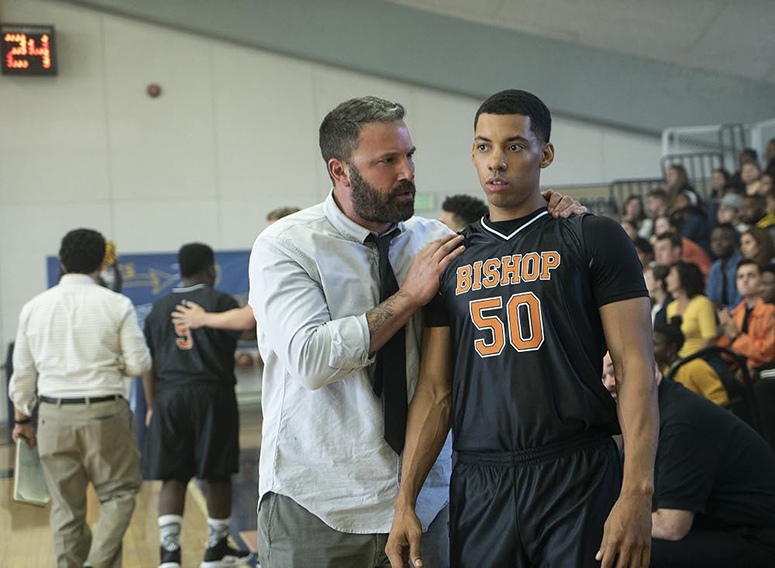
Jack Cunningham (Ben Affleck) used to be the star of his high-school basketball team. Decades later, the promise of his youth has disappeared beneath grief, a broken marriage, and an increasingly destructive dependence on alcohol.
When his former school asks him to coach its struggling basketball team, Jack unexpectedly finds something to care about again. Coaching gives Jack purpose, but purpose alone doesn’t make addiction disappear.
The movie instead examines the relationship between grief, self-medication, and recovery—and the uncomfortable truth that moving forward often involves setbacks.
In a Variety article, Affleck has spoken publicly about his own recovery from alcoholism and acknowledged drawing on deeply personal experiences for the role.
Turtles All The Way Down (2024)
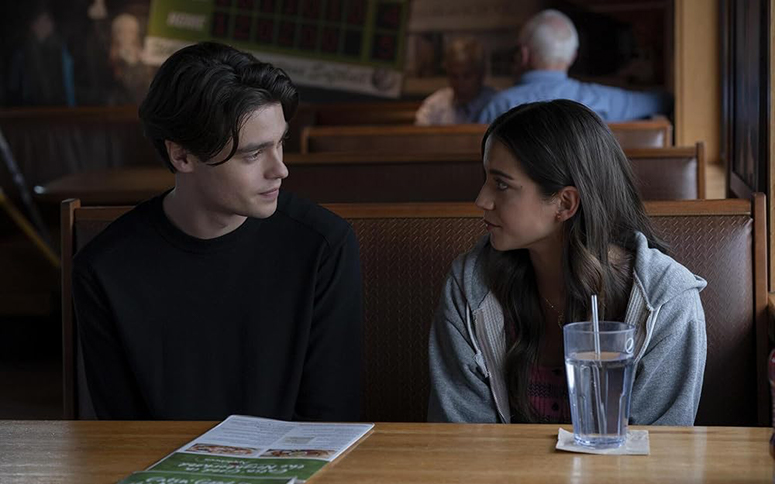
Based on John Green’s novel, the movie follows 16-year-old Aza Holmes (Isabela Merced), who lives with obsessive-compulsive disorder.
Like many teenagers, she wants friendship, romance, and independence, but intrusive thoughts can turn something as ordinary as kissing someone she likes into an overwhelming spiral of fear.
Her thoughts are exhausting, frightening, and impossible to just switch off. At the same time, OCD isn’t presented as the entirety of who she is. Aza remains a daughter, friend, and teenager falling in love, with ambitions and possibilities extending beyond her diagnosis.
The movie’s central premise is ultimately about her confronting the possibility of love, happiness, friendship, and hope while living with obsessive thoughts.
Mental health isn’t only about having and managing an illness. It’s also about learning to live, connect, and find joy while acknowledging the parts of ourselves that may require care. Sometimes understanding that is a good place to start.
Gaining a better grasp of what can go on in your mind through the depictions in these titles can be a much-needed first step toward living better and caring for yourself.
You can reach the National Center for Mental Health Crisis Hotline by calling 1553 nationwide (toll-free for landlines) or 0919-057-1553 (Smart/TNT).
* * *
Editor’s Note: This article was provided by PLDT Home.

WATCH: Can we talk about death and grief? (Generations Ep. 25)
October 14, 2026
WATCH: Do you still believe in marriage? (Generations Ep. 17)
August 19, 2026
WATCH: Discovering Vietnam in three days
June 9, 2026
WATCH: Is Philippine cinema still thriving? (Generations Ep. 19)
September 2, 2026