

TRENDING: What is the 'fookelya' serve and why does Alex Eala have mixed feelings about the term?
Alex Eala has steadily risen through the ranks by defeating some of the world’s top tennis players, and one of the factors behind her success could be her "fookelya" serve.
Experts and observers say that while her serve may not be the fastest on tour, its variety, placement, and consistency make it difficult for opponents to read and attack.
Filipino tennis fans have playfully dubbed Eala’s unconventional serve “fookelya” on social media as it's like “fooling” an opponent with a slow or seemingly weak serve that can throw opponents off guard.
Eala, however, isn't so hot about the term.
"Hindi ko alam kung anong pakiramdam ko sa salita na 'yun kasi it's not a very positive term," the Pinay tennis ace said in her US Open presser early Saturday, Aug. 29 (Philippine time). "Maybe they mean for it to be positive but hindi ko alam kung anong mararamdaman pag naririnig ko 'yan kasi grabe 'yung paghihirap ko sa serve, grabe 'yung work that I've put in."
"And I love my serve," she continued. "It's like my coach says, it's like my little brother, parang 'Ate' (older sister) ako sa serve ko."
CONTINUE READING BELOW

"I would appreciate a more positive term, but I don't think they mean it in a bad way," she added.
Why the 'fookelya' serve is difficult to return
Commenting on Eala's serve after losing to her at 2026 Wimbledon, World No. 8 Iga Swiatek said, "I think it was tougher mentally for me to accept these missed returns from the slow serves. It's much tougher to return a serve like that than a normal serve."
She added that Eala’s shots became harder to predict as the match went on. "She was serving slower and slower, and it became tougher and tougher for me to return those serves. I know exactly how it's going to come to me, but it's such a different rhythm than what I usually have a chance to return."
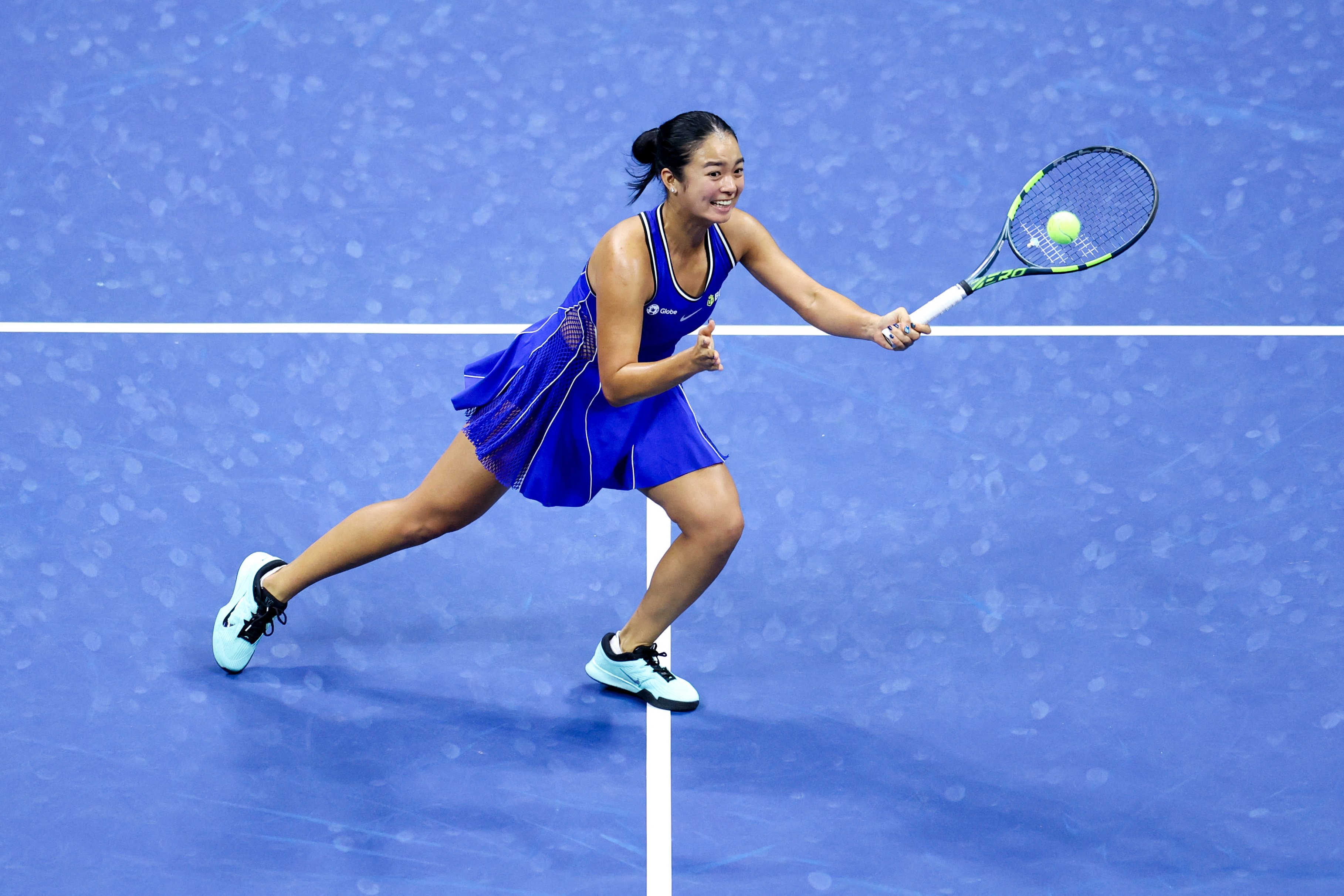
Former tennis player Andy Roddick explained why Eala's slow serve is difficult to return.
“Here’s the difference: It’s not just, anybody goes out there, hits a slow serve, and gets away with it. It’s Eala’s ability to crush the next ball if you don’t square up that return,” he said on his Q&Andy show.
“The difference is it’s not just making the serve or hitting a good return. It’s against Eala. If you don’t square it up, she’s able to hit that middle ball, both directions, with pace on the next shot," he added.
Roddick argues that Eala’s opponents can’t just alter the pace of their serves as a tactic to throw her off her game.
"That’s not the way it works. It’s being able to create enough pace to offset what Eala is trying to do on that next ball. I think Eala’s serve or second serve, especially, is probably more effective with the slower version than if it was 10mph faster,” he added.
“Like I think she’s starting to kind of figure out how to use it as well and maybe not being obsessed with pace, but like, ‘I’m going to throw you this one and you better hit it’. You better hit it firm. Otherwise you’re going for a ride on the next ball," he continued.
The "fookelya" term has also reached the international community. "Apparently, Alex Eala’s fans call her serve a ‘fookelya serve’ and it’s a slang. I may be pronouncing it wrong. It sort of represents the fact that it’s unconventional-looking, but it gets the job done," broadcaster Blair Henley said on Love All Podcast. "It doesn't have to look like Serena Williams' serve to be effective."
Eala is the No. 17 seed in this year's US Open. She is set to face US' Mary Stoiana in the first round happening on Aug. 30.

WATCH: Do you still believe in marriage? (Generations Ep. 17)
August 19, 2026
WATCH: Pixar Summer Fest adventure at Hong Kong Disneyland
August 10, 2026