

When history became cool
Lately, I have been declaring my love for history to anyone who cares to listen. They would discover that I wasn’t always like this. In fact, I hated history when I was still in grade school. Sometime during puberty, something changed.
What ‘hafen,’ vella?
The movie geek in me happened. I started spending more time in theaters than in libraries. And because I looked old for my age, I managed to watch historical films “not suitable for children”—about war (Patton and Glory); faith and politics (The Mission, Gandhi and The Last Emperor); and Filipino social issues (Sakada and Oro, Plata, Mata).
Philippine history, Fourth of July, Philippine Independence Day, June 12, historical films
By the time I entered law school, I was more than ready to dig into jurisprudence—the older cases, the better—dealing with passion, greed, lust, hatred, deception, and a host of humanity’s failings. On occasion, they are so exquisitely written that they read like novelas.
Why am I suddenly discussing history now?
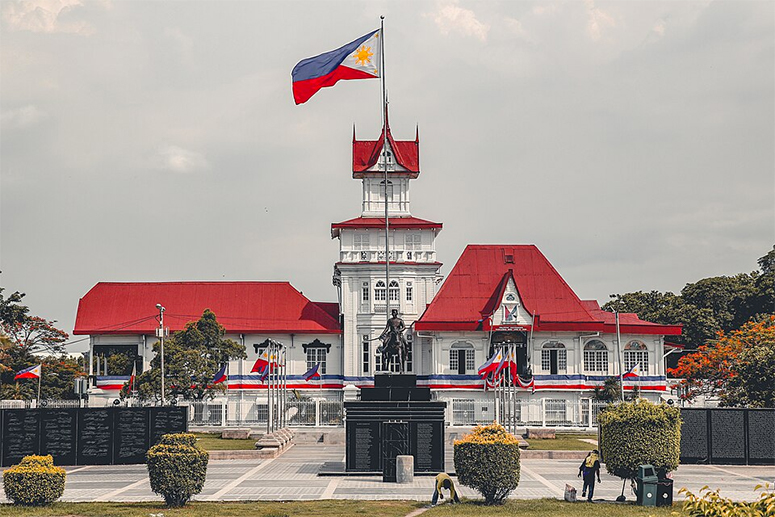
The Fourth of July, that’s why. It used to be Philippine-Independence Day, a date bequeathed to us by Uncle Sam in 1946 like a hand-me-down suit that never quite fit. Then, in 1962, President Diosdado Macapagal moved it to June 12, because celebrating freedom on the same day your former colonizer tells you that you are free feels less like true sovereignty and more like a granted permission slip. Apung Dadong wanted to anchor Filipino pride in our own organic, revolutionary act, i.e., Emilio Aguinaldo unfurling the tricolor flag in Cavite back in 1898.

Still, you can’t even call it the Twelfth of June—there is absolutely no punch to it at all. You have to hand it to the Americans for making a date sound undeniably cool: the Fourth of July. It rolls off the tongue with the crisp snap of a firecracker. It even spawned Oliver Stone’s Oscar-winning film Born on the Fourth of July (which I also watched) and the latter-day dramedy Fourth of July (which I snubbed).
Historically, though, July holds an entirely different kind of cinematic gravity for me, something closer to the John Wick and Nobody films or the Korean action-noir series Mercy for None than to the unbreakable bond forged in blood in Braveheart.
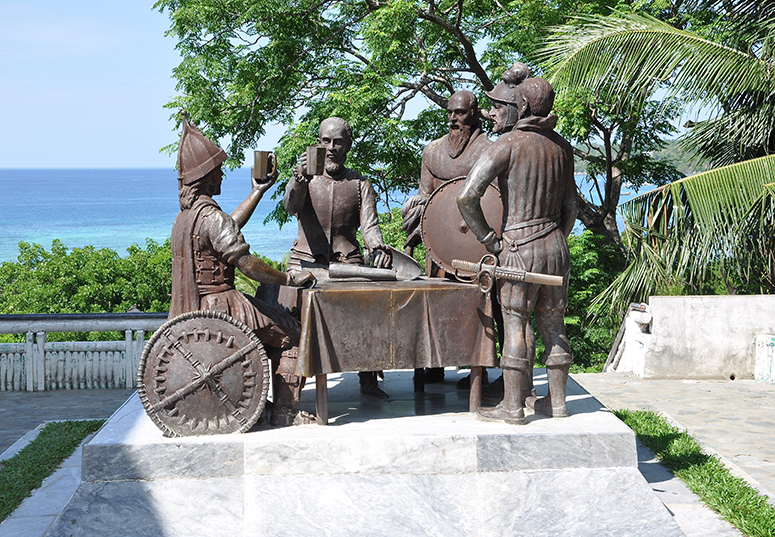
In Tagbilaran City, the Sandugo Festival is celebrated annually in July. The event commemorates the 1565 blood compact between the Spanish conquistador Miguel López de Legazpi and Datu Sikatuna, a chieftain in Bohol. It is a vibrant, month-long spectacle that commemorates an act of friendship, ironically through the not-so-friendly drawing of blood from the arm, letting some of it drop into a cup of wine, with both men drinking it to forge an alliance. Obviously, they hadn’t heard of syphilis or hepatitis B.
Although we never had a similarly visceral, blood-soaked ceremony with the Americans, we’ve pretty much adopted the American way by osmosis. The signing of the Treaty of Manila may have been relegated to school textbooks, but the cultural imprint of our colonizer-cum-savior was certainly durable. The legendary essayist Carmen Guerrero Nakpil famously observed that Filipinos spent “300 years in the convent and 50 years in Hollywood.” From the American perspective, just by looking around today, it is 50 years well invested.
Centuries of colonial rule created a nation that prays like Catholics but dreams in blockbusters. Even this essay is in English. Would I dare write it in Spanish? Nah. Even with four years of high school Spanish and 12 units of college credits gathering dust on my transcript, I would rather reserve my Spanish language skills for my next Camino de Santiago adventure.
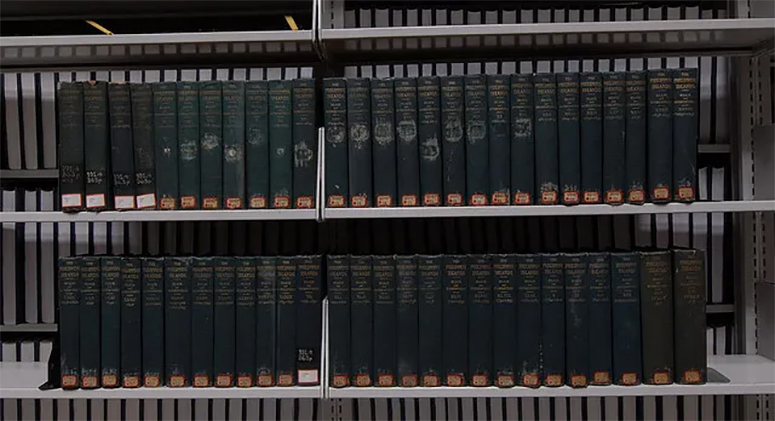
History, however, did not enter my life through textbooks or patriotic ceremonies. It arrived through stories. First through movies, then through books, and eventually through the realization that every headline, every institution, and every social habit around us is merely the latest chapter in a much older narrative. Once I understood that, history stopped being a subject and became a lens through which to view the world.
With my intensified fascination with history in later years, I read up on wars—because let’s face it, nothing really beats stories about madmen committing genocide in the name of peace—and watched their adaptations on screen.
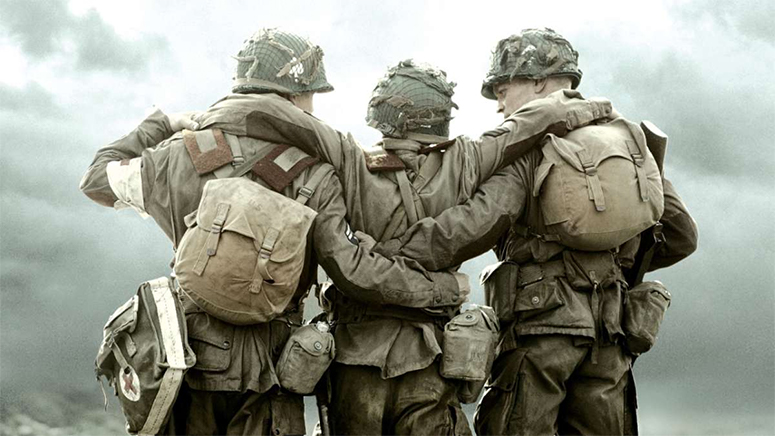
I gobbled them up with the relentless energy of Pac-Man. This was immersive viewing on par with my favorite fantasy franchises—The Lord of the Rings, Harry Potter and Game of Thrones. Heavyweight masterpieces like Schindler’s List, 12 Years a Slave and Oppenheimer kept me on the edge of my seat. Meanwhile, even after two decades, HBO’s Band of Brothers remains the definitive WWII account for my wife and me.
One peek at this list will show just how fascinating history is. The connection between whatever is happening around us and how it affects our lives is inevitable. As the American essayist James Baldwin wrote in his 1953 essay Stranger in the Village, “People are trapped in history and history is trapped in them.”
Even if you add to the mix fictional time paradoxes, popularly captured by the Back to the Future trilogy, the Terminator franchise, and the Marvel Cinematic Universe, human behavior seems to remain immutable throughout history. As early as the nineteenth century, the French political philosopher Alexis de Tocqueville acknowledged this reality when, in L’Ancien Régime et la Révolution, he likened history to a gallery of pictures, with many copies but few originals.
Maybe that is why history is so cool. It is a world of images, a record of events long over that can no longer hurt you—unless, of course, you never learned anything from it.

WATCH: Is Philippine cinema still thriving? (Generations Ep. 19)
September 2, 2026
WATCH: Do you still believe in marriage? (Generations Ep. 17)
August 19, 2026