

Dumaguete: History, heritage, and The Henry
Renowned as “The City of Gentle People,” Dumaguete City in Negros Oriental is a seaside haven for those who crave the unhurried rhythm of life.
It isn’t defined by skyscrapers or malls but by an atmosphere that has inspired writers, artists, scholars, and travelers.
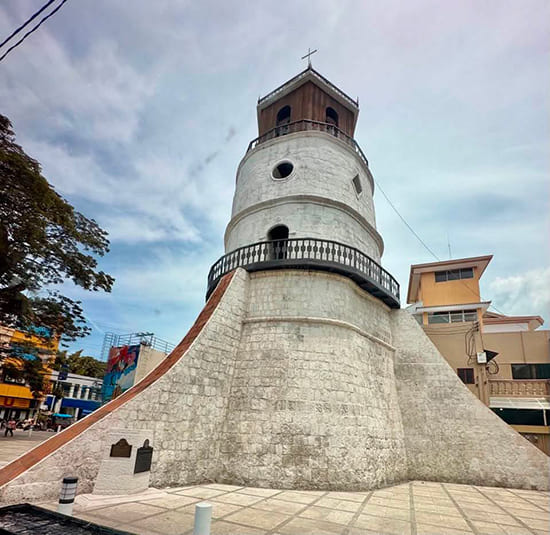
“If you observe the people here, we are still walking to our destination,” our guide Andrey Noel Tumulak, a professor and a tourism officer, told my husband Ed and me during a recent visit. “If you look at the people in Cebu and Manila, they’re running. The people here, even at 7 a.m., are still relaxed.”
There are no taxis, only private cars and the ubiquitous tricycle. Neither did I see any jeepneys within the city. There is only one traffic light, and surprisingly, about a hundred pickleball courts, earning for the laidback city the moniker, “the pickleball capital of the Philippines,” I kid thee not.

There is also a multitude of cafes serving delectable pastries, such as the Café Sans Rival, which is sought for its, well, buttery sans rival and silvanas. Most of these cafes line the picturesque Rizal Boulevard. The waterfront boulevard, which has an unobstructed view of the sea (no reclaimed land), is known as the “social living room of Dumaguete.” We also had native fare in an unpretentious restaurant along the boulevard called “Lab-as,” where we had the unique “Dumaguete Express,” consisting of fresh squid strips in coconut cream and topped with crispy chopped pork liempo and malunggay leaves.
Dumaguete is also a city of learning and the learned, and though of modest size, has a number of universities.
CONTINUE READING BELOW

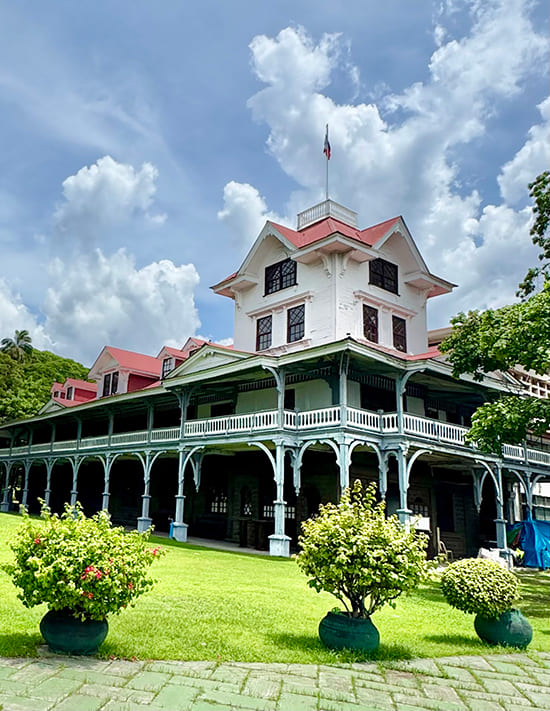
The most renowned is the Silliman University, established in 1901, and the oldest American university in Asia. Its main building, Silliman Hall, is said to be the oldest surviving American-era wooden building in the Philippines. Some of its ceiling moldings and decorative elements reportedly came from a dismantled theater in New York. According to our guide, some of the columns that were also shipped from New York for the façade of Silliman Hall were already a hundred years old upon their installation.
There are also several Spanish colonial houses, such as art connoisseur and gallery owner Jaime Ponce de Leon’s Casa Paquita, which was built in the late 19th century and restored beam by beam to its original glory. Few cities blend the Philippines’ colonial architectural heritage as Dumaguete does.
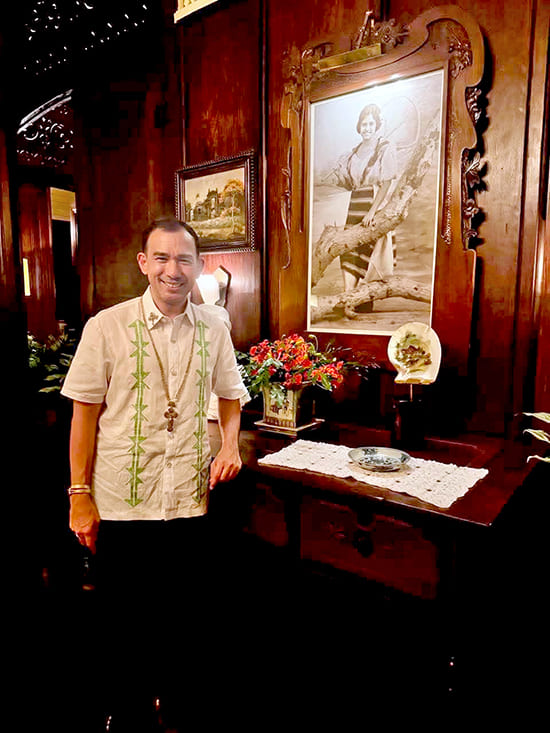
The city is also known as the Philippines’ literary capital. Long associated with the renowned Silliman University National Writers Workshop (founded in 1962), Dumaguete has nurtured many Filipino writers and poets. It became the first Philippine City designated as a UNESCO Creative City of Literature.
The Henry
The Henry Resort Dumaguete, only 10-15 minutes from the airport even during rush hour, is nestled in a mini forest gazing at the sea. To me, this combination of seafront bliss and lush, unmanicured vegetation makes it like “no other.” The unhurried, relaxed rhythm of Dumaguete is also felt in the sprawling resort, and the gentle smiles of its staff are truly welcoming.
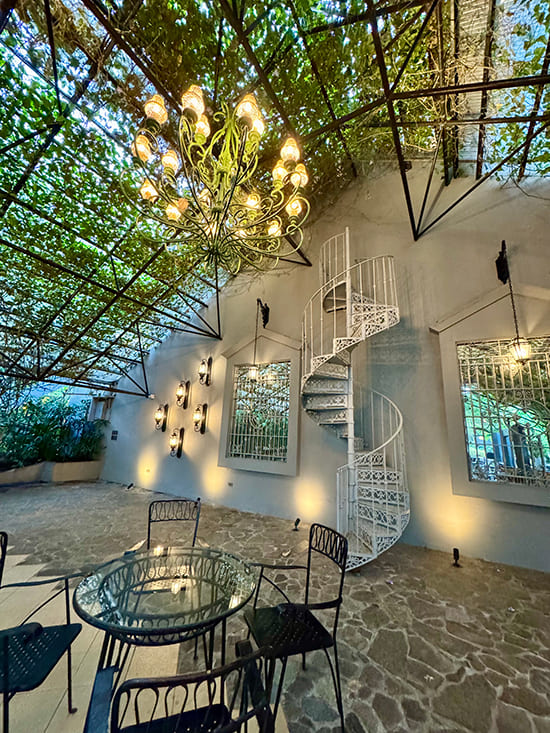
“The Henry is a hidden oasis in the heart of the city,” says its resident manager, AJ Canlas Zabalo. “The moment guests step through our gates, they’re welcomed into a peaceful sanctuary where lush gardens, open spaces, and a tranquil atmosphere allow them to disconnect from the busy world outside.”
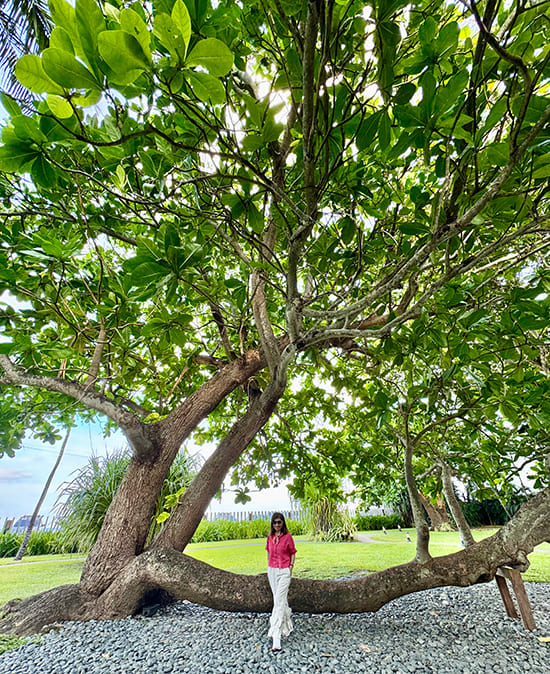
Giant red doors a short walk from the reception and dining areas open up to an enclave consisting of guest villas. Each villa is ensconced in more foliage.
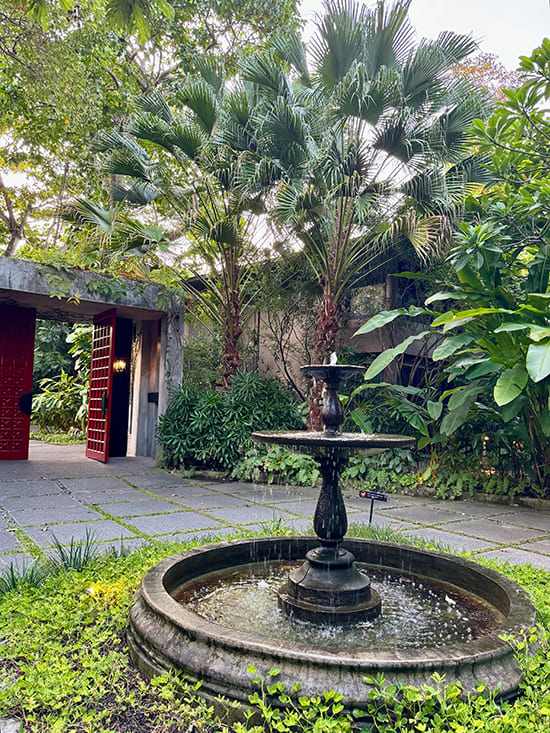
“Every corner of the resort tells a story,” says AJ. “We are more than a resort; we are a culinary and events destination. With our six restaurants and three unique event venues, our guests don’t simply stay with us; they dine, celebrate, and create lasting memories. At the end of the day, what makes The Henry Resort Dumaguete ‘like no other’ isn’t just our rooms or our facilities. It’s the way we make people feel ‘like no other.’”

WATCH: Do you still believe in marriage? (Generations Ep. 17)
August 19, 2026