The peacock chair: From jail bird to power throne
You could never sit on a peacock chair without assuming an aura of royalty, with that upright backrest towering and fanning above your head like the plumage of the bird it was named after—alluring for potential mates but intimidating for would-be-predators and rivals.
Made of intricately woven rattan, with an hour-glass base and lifted armrests, it was the throne for the crowned beauty queen at pageants and for whoever was deemed fit to rule at home. Presidents, first ladies, socialites and Hollywood movie stars have been photographed in peacock repose and no vinyl album cover was complete without it.
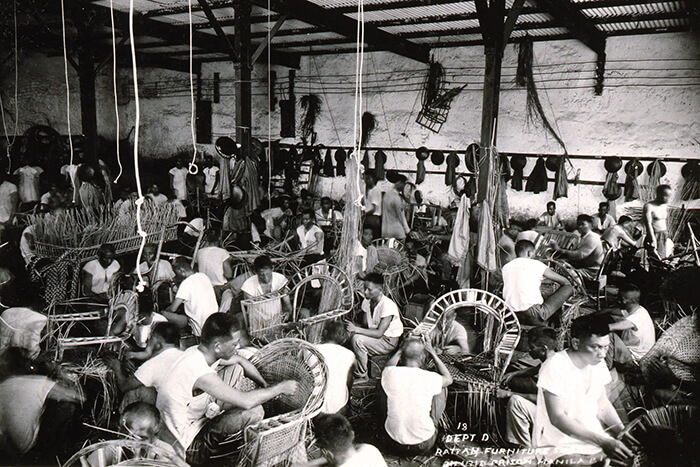
Lofty as its wanderings have been, the peacock chair actually had very humble beginnings right here in the Philippines—at Bilibid prison, of all places, where it was made by inmates who were being rehabilitated through skilled work during the American occupation. For this reason, it was also known as the Bilibid chair or the Manila chair to the rest of the world.
The handcrafted piece had whiffs of Victoriana brought by the colonizers for whom the peacock chair, a thing of beauty created by their poor, incarcerated brown brothers, was a prime example to justify the white man’s burden and all their other imperialist dreams.
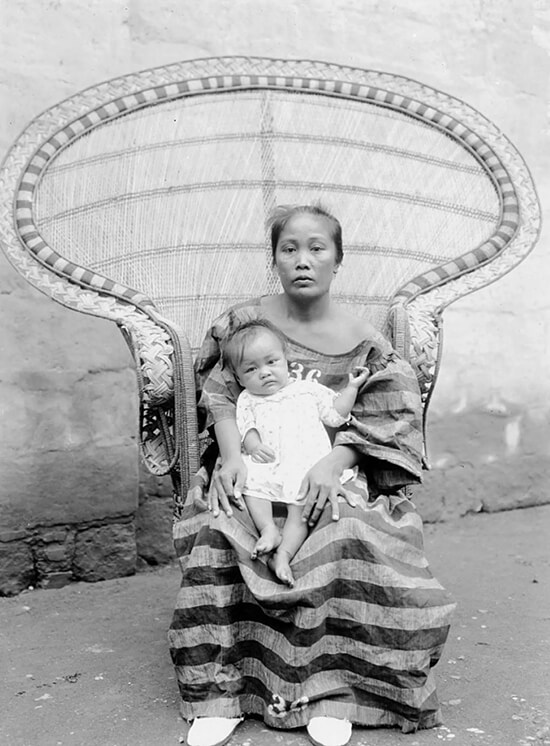
Their vision could not be more romanticized enough than in a 1914 photo of a Bilibid inmate seated on the chair with her child, in an almost formal portrait pose like a Raphael Madonna, except that this subject wore the striped prison uniform and was incarcerated for life for killing her husband, reported the El Paso Herald with the headline “Jail Bird in a Peacock Chair.”
The chair, together with other pieces of wicker furnishings and other crafts like metal work and embroidered clothing, was available for tourists to order from a catalog after watching the prisoners working on them. It became a must-have chair in the US in the early 20th c. and in the Philippines, women in their traje de mestiza were photographed sitting on the chair—including Isabel Rosario Cooper, a singer and movie actress popularly known as “Dimples,” whose claim to fame was receiving the first on-screen kiss in Philippine Cinema from Luis Tuason in the film Tatlong Hambog (1926) and later becoming the mistress of Douglas MacArthur.
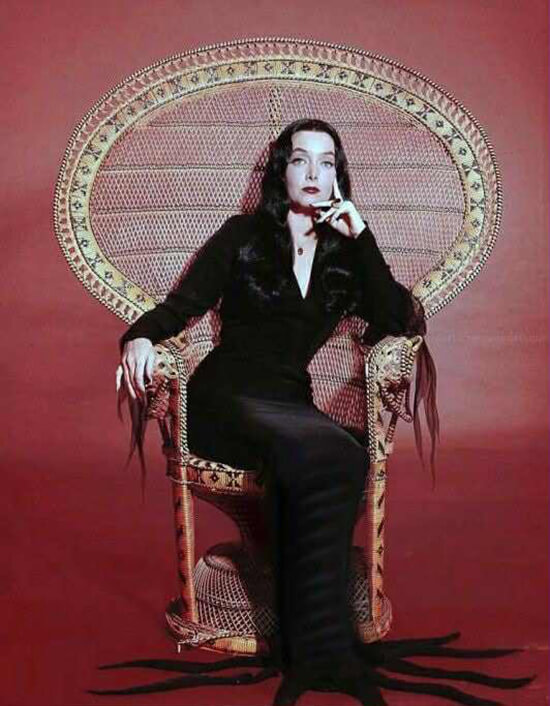
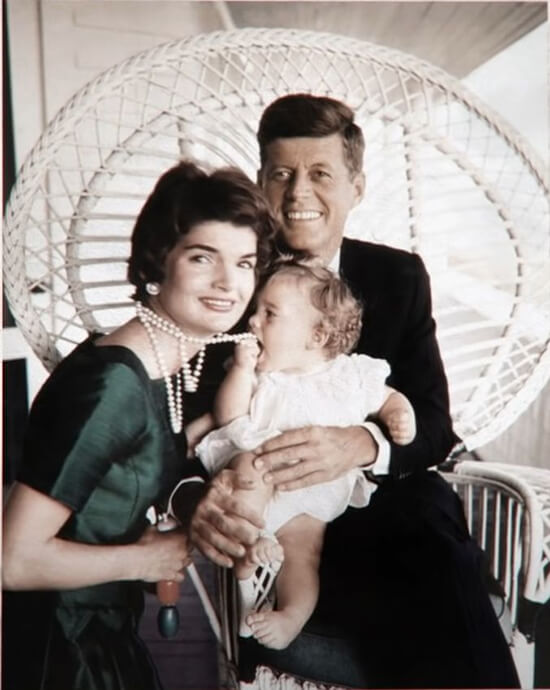
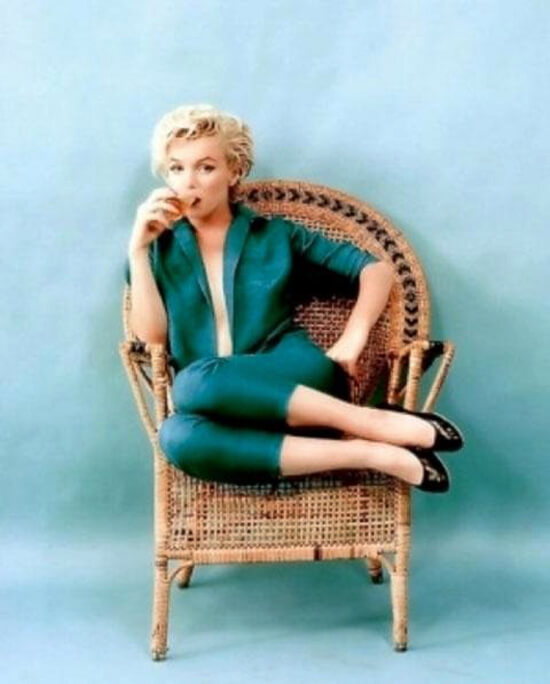
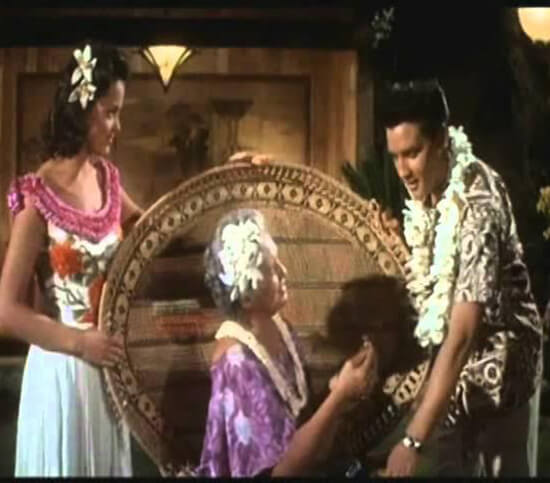
In the US, it became a seat of power as Presidents from Woodrow Wilson to Harry Truman and John F. Kennedy were photographed in them. It acquired glamorous celluloid associations in the ‘50s to the ‘60s through Katherine Hepburn, Elizabeth Taylor, Elvis Presley and Marilyn Monroe and made an appearance in the movies, not to mention the hit TV series The Addams Family, where it served as Morticia Addams’ regal throne of darkness. In the golden age of album covers from the ‘60s to the ‘70s, it was the chair of choice for singers and musicians like Al Green, Cher, and Dolly Parton.
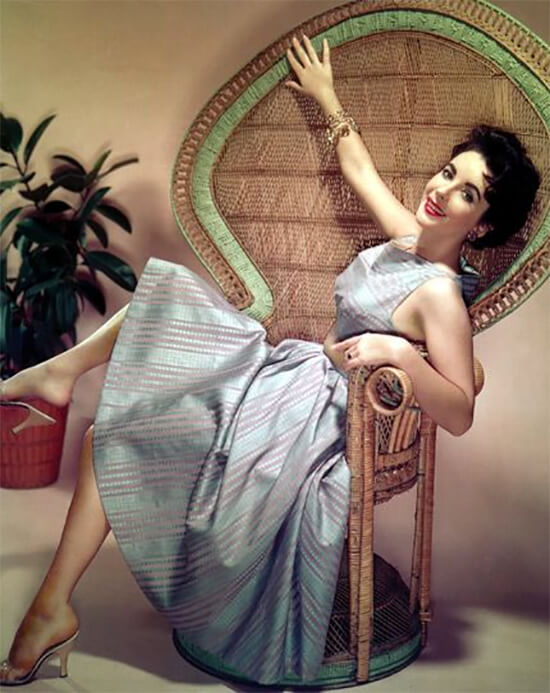
The peacock’s sumptuous shape was desirable for photographers who also liked its lightness, making it easy to move around, as well as its efficient heat dissipation, keeping portrait subjects less sweaty under hot lights. Its association with celebrities made the chair a symbol of luxury and leisure.
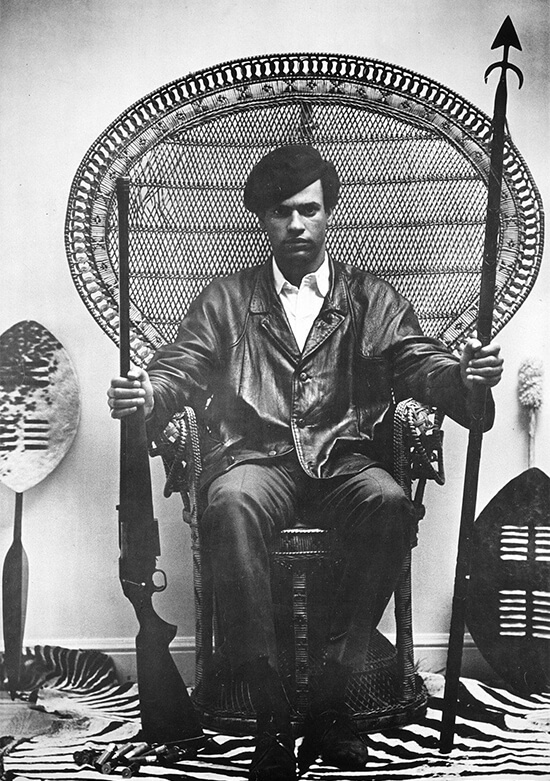
The peacock also unwittingly became a symbol for the black civil rights movement when Huey P. Newton, who created the Black Panther Party in 1966 with his friend Bobby Seale, was photographed in it holding a rifle in one hand and a spear in another. The party was formed to confront police brutality during clashes as states struggled to integrate schools and resolve cases of violence against blacks.
The photo was spread throughout the US, increasing Black awareness and identity spurred by a heightened sense of agency and cultural freedom that was expressed in personal style choices like African dashiki shirts, Afro hairdos and, of course, the peacock chair itself, which became ubiquitous in the home interiors of Black communities. From luxury and leisure, the chair became a symbol of homegrown pride and accessible style in the 1970s and ‘80s.
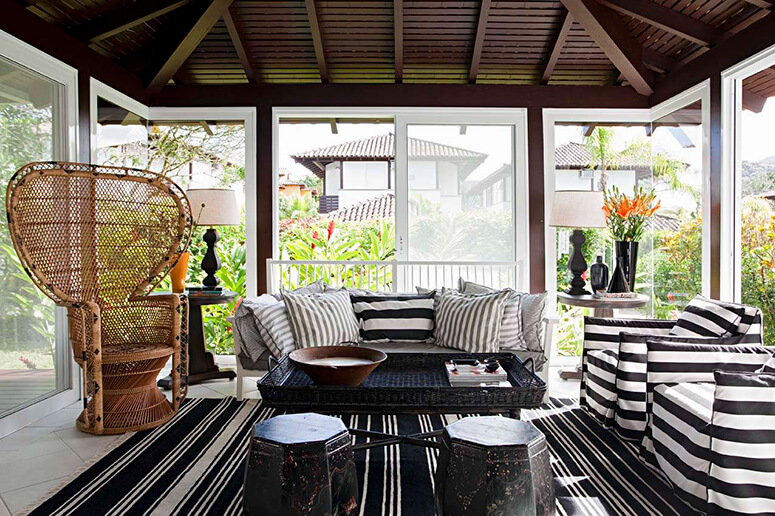
Although enthusiasm for the chair waned in the 1990s, it still has a nostalgia factor and was usually integrated in tropical and bohemian interiors. Neffi Walker, owner of the Black Home stores, grew up with the peacock as a child in the ‘80s in Harlem and posted a pre-order announcement of a streamlined version from Indonesia which sold out within five days.
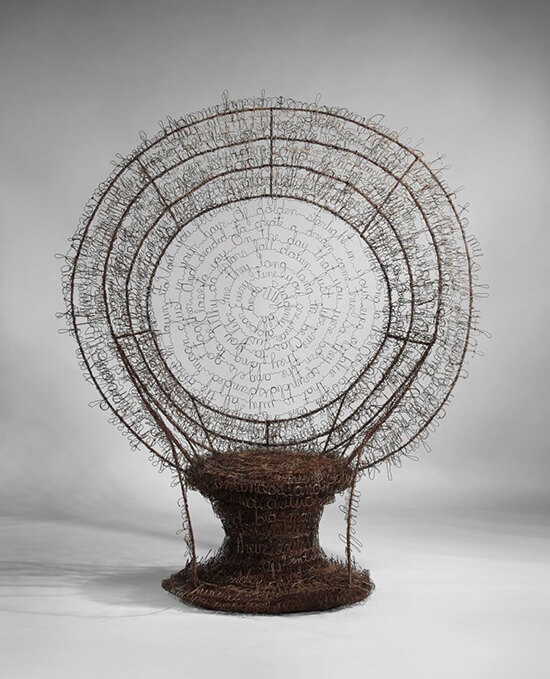
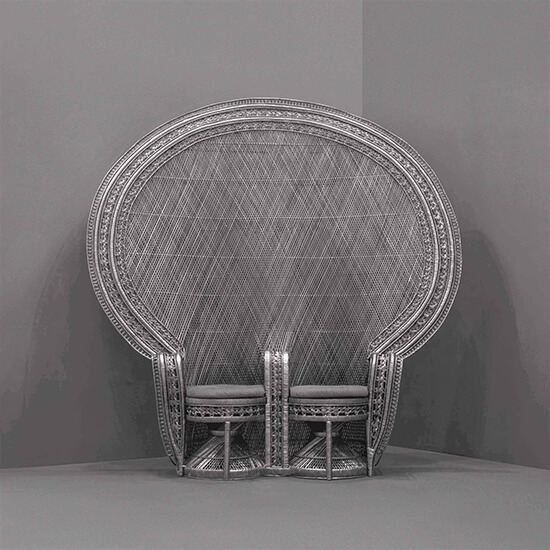
It has also been reinvented in the Philippines, where CITEM had an exhibit of reimagining the peacock as designed by the likes of Vito Selma who doubled the seat and Kenneth Cobonpue who made it asymmetric with the back leaning to the side and producing it in vibrant colors.
Back in the US, Filipino-American artist and landscape architect Cheyenne Concepcion decided to reclaim the peacock through her Reclaim furniture series that reconnects it to its Philippine origins and draws on her own Filipino-American identity while aiming to make it more functional by making it stronger, shorter, more comfortable and less fanciful—merging the organic look of Philippine buri with bold American metal. And her name for the chair? Nothing could be more apt than Doña, the family’s nickname for her lola, she says. “It is a chair for nobility but in our household, she’s kind of the noble one.”