

The ageless anarchy of Madonna
I’ve been obsessed with Madonna since I was a teen discovering the minimalist dance floor pulse of her debut single Everybody. As her songs began to capture the global imagination, my fascination deepened into an archival pursuit, a need to uncover everything about the raw force of nature that had suddenly disrupted our lives. I found myself tracing her underground punk roots and the gritty, post-punk energy of her pre-solo days in New York bands like Breakfast Club and Emmy and the Emmys. Years later, that obsession even led me to the historic threshold of CBGB in New York, a secular pilgrimage to the very spaces where her unchecked ambition first learned to roar.
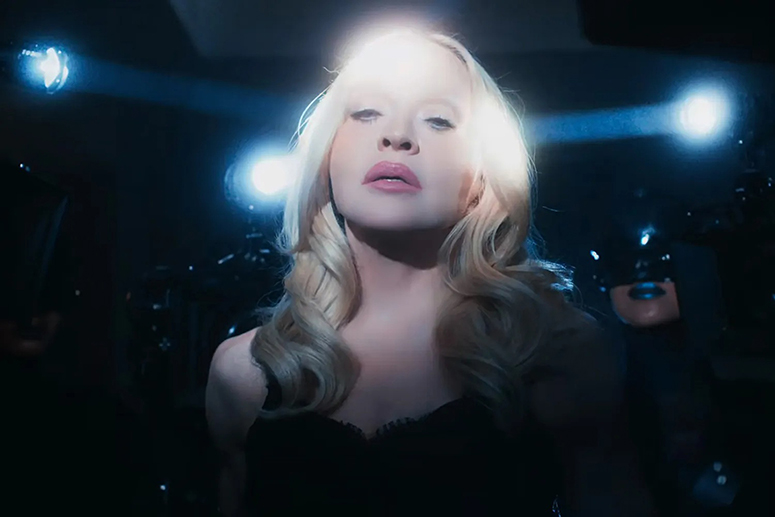
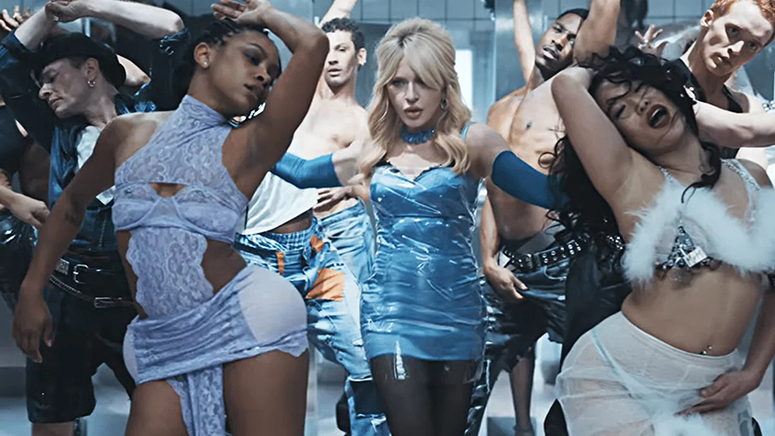
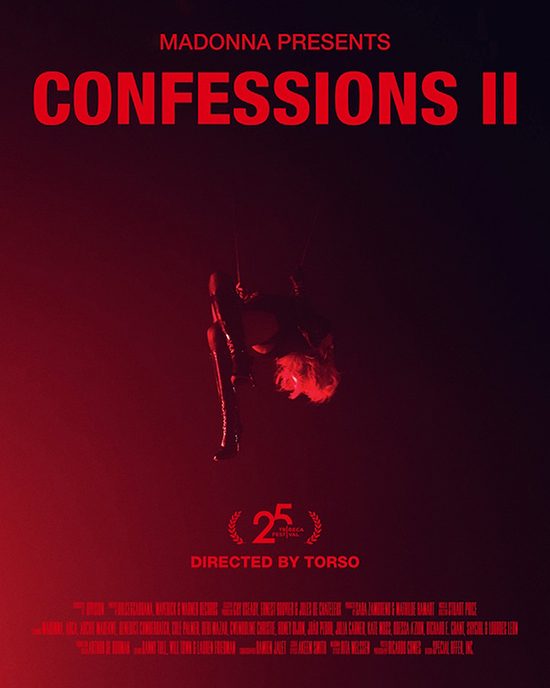
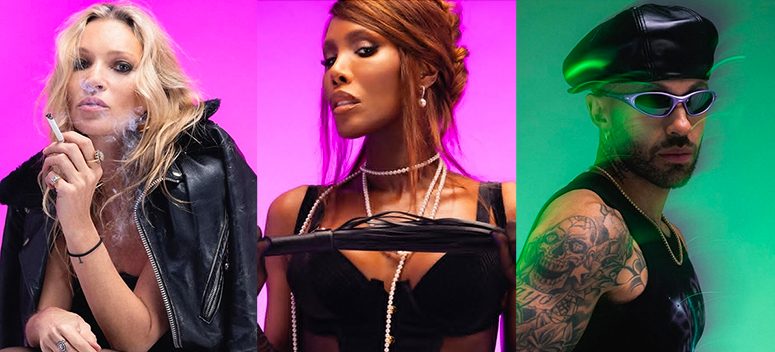
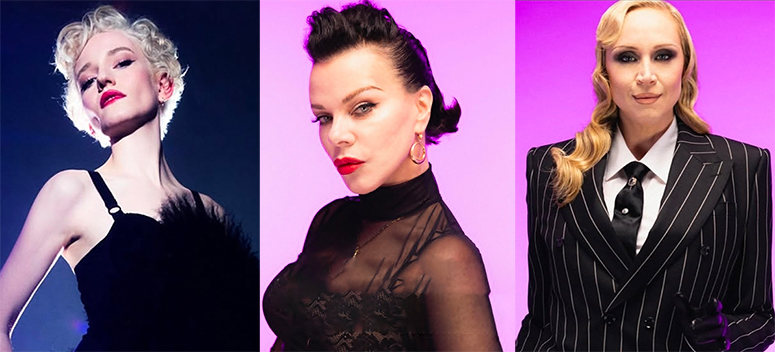
Now, looking at her latest offering, a cinematic short film for her track Danceteria, from her comeback album Confessions II, I see that same irreverent spirit that refused to be managed 40 years ago, proving that her playground remains boundless. This is no legacy act looking backward with standard nostalgia. She orchestrates a series of collisions by framing her origin story inside a hyper-sterile, blindingly luxurious club restroom styled by Dolce and Gabbana. Benedict Cumberbatch submits to an aggressive face-grip while lip-synching, Kate Moss preens beside her in a mirror, and Gwendoline Christie, Julia Garner, and Lourdes Leon populate the crowd alongside Arca, Shygirl, and Honey Dijon. Even Sabrina Carpenter and Feid enter her sonic orbit. It is a breathless showcase that less seasoned artists could never coordinate. Yet, for the 67-year-old artist who has directed the rhythm of global culture since her earliest days, it is just another night out.
the world.
Pop culture usually demands that its aging legends step aside for the new generation. Madonna’s position at the epicenter of this youth-driven madness stands as a blunt refusal to be historicized. She is not creating a successor, nor is she validating the current crop of stars. Instead, she is pulling them into her world and forcing them to play by her rules. When Julia Garner morphs into Madonna during a seamless hair-whip transition, it is not an anointment of Garner as the next big thing. It is a visual trick that implies the younger actress is merely an extension of the enduring Madonna myth. Untroubled by anxiety over the current pop landscape, she treats the biggest names of the present day as raw material to be woven into her own ongoing narrative.
This masterful command over her own myth highlights her departure from standard pop stardom. The industry routinely produces staggering vocalists like Whitney Houston, Mariah Carey and Celine Dion, or physical precisionists like Britney Spears, and avant-garde eccentrics like Lady Gaga. Yet, a pristine five-octave range or a hyper-specific musical trend eventually faces the reality of time. A powerhouse singer can spend 40 years singing the same ballads to an adoring, nostalgic audience. Madonna never had the luxury of an untouchable vocal instrument. That limitation became her ultimate creative weapon. She realized early in her career that a beautiful voice can grow familiar, but cultural disruption is an engine that never loses power.
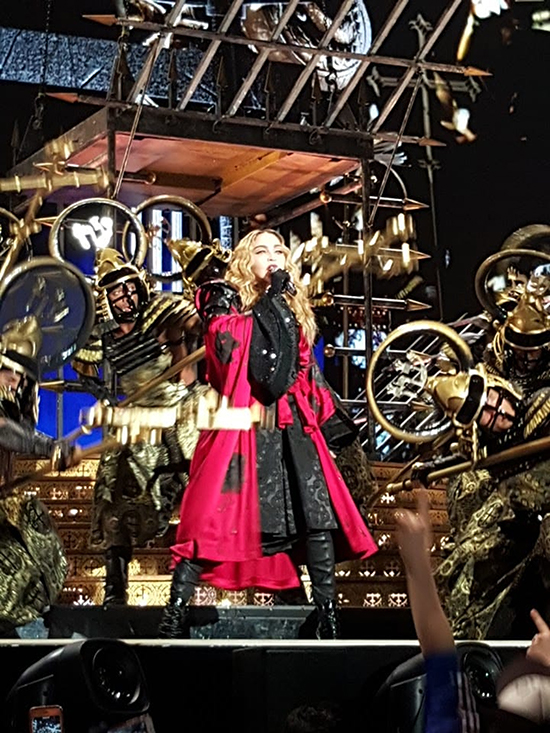
She used her worldwide personality as a platform calling for change, provoking the public to absolute shock. While others protected their commercial viability through neutrality, she threw hand grenades into conservative society. She tackled teenage pregnancy in Papa Don’t Preach and staged a religious rebellion in Like a Prayer, making Catholic iconography and Black spirituality clash with secular desire. Beyond Christianity, she integrated elements of Hinduism in Frozen and explored Jewish mysticism in Die Another Day. Transcending the limitations of a pop star, she became an architect of worlds who used her celebrity to host a decades-long conversation about human autonomy.
CONTINUE READING BELOW

Her crusade for sexual liberation and self-expression altered the cultural landscape for good. When she released her controversial Sex book and the accompanying Erotica album in the early ’90s, she hijacked the global discourse on female pleasure. She never acquiesced to performing sensuality for the traditional male gaze, demanding instead that women control their own desires and body narratives. Her advocacy for women empowerment took center stage in her cinematic 2000 track What It Feels Like for a Girl, a theme she later translated for a younger audience through a series of successful children’s books.
She achieved her monolithic status by championing the LGBTQ++ community when doing so risked career suicide. Long before corporate pride campaigns, she embedded queer culture into the mainstream. Vogue went far deeper than a stylish theft of ballroom culture, serving as the glittering frontline to humanize a community then ravaged by the AIDS epidemic. By bringing gay lifestyle, aesthetics and struggles onto the world stage, she forged an unbreakable bond with an entire generation. It was a fierce, uncompromising alliance that made her bigger than big, transforming her from a mere pop phenomenon into a cultural hero.
She freed the youth from stifling parental and societal control. She taught young people how to question authority, redefine morality and claim their own identities. Yet, this liberation did not come from a place of shallow, textbook rebellion. In her track Jump, she managed to guide the youth toward self-determination without ever completely shunning her own roots. Her lyrics traced the branches of her own family tree, acknowledging the baseline lessons she learned while confronting the tangled limbs of familial obligation. Transparent about her fractured family dynamics, she shared the lingering ache of a mother lost too soon to cancer and presented her relationship with her father with complex honesty, loving him deeply even as she questioned his traditional world. This emotional literacy, mixed with raw subversion, resonated with millions of kids trying to navigate their own household battles.
Because she was always moving, she became the ultimate shapeshifter of show business. Every single album required a complete demolition of her previous identity. Each cosmetic shift in her wardrobe signaled a much deeper, total mutation of her philosophy, her sonic textures, her inner circle, her visual language. By the time the public figured out how to categorize her current incarnation, she had already discarded it and moved on to the next frontier. This constant state of reinvention is exactly why she cannot be easily digested by nostalgia. She has never allowed her title as the Queen of Pop to become a lifetime service award.
Her latest comeback project proves that her reign is sustained by a sovereign indifference to the dictates of the industry. While the rest of the music world frets over algorithms and fleeting internet trends, she gathers the hottest musicians, actors and athletes from every corner of the globe to serve her vision. She has spent four decades turning global fame into a protective shield, allowing her to take the kind of massive creative and political risks that would destroy a lesser artist.
Madonna remains in the arena, still shaking up the system, still breaking boundaries, still showing the world exactly how an icon outruns time.

WATCH: Pixar Summer Fest adventure at Hong Kong Disneyland
August 10, 2026
WATCH: Is Philippine cinema still thriving? (Generations Ep. 19)
September 2, 2026