

Shopping with intention
It may be a little premature—even a touch absurd—to be writing about Christmas in July.
Yet here I am.
The older I get, the more I realize that Christmas shopping is one of those things that shouldn't be rushed. It can also be an expensive exercise if you leave everything until the last minute. I prefer spreading it out over several months. It gives me the luxury of discovering the people behind the gifts, hearing their stories, and choosing with a little more thought.
I've noticed that, as I've grown older, I shop a little differently.
Not because I have become less enthusiastic about giving, but because I have become far more selective about what I choose to give. I'm one of those people who enjoys giving small, thoughtful gifts throughout the holiday season. And yes, every now and then, a beautifully chosen gift finds a second life with someone who'll appreciate it even more. Who doesn't?
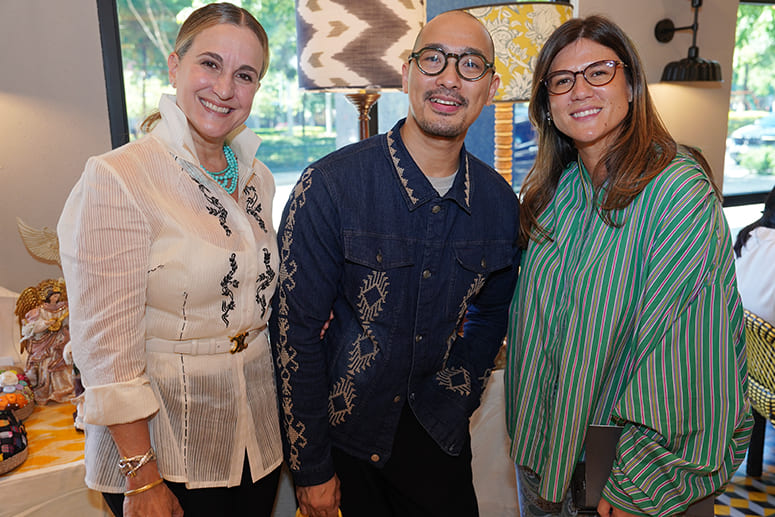
That's probably why I find myself seeking out the people behind the things I bring home. It isn't simply about buying something beautiful. It's about knowing who made it, how it was made and the story behind it.
CONTINUE READING BELOW

I suppose you could call it shopping with intention.
Last year, Bea Zobel and Sofia Zobel Elizalde invited Casa Mercedes to become part of the Designers' Holiday Bazaar family. It meant a great deal to me. After quietly crafting hand fans for generations, the invitation felt less like recognition and more like an affirmation that heritage still has an important place in today's creative landscape.
This year, I am delighted to return for a second season.
Having supported ArteFino since its very first edition, I have watched it grow into an important platform for Philippine craftsmanship and collectible design. The Designers' Holiday Bazaar complements that story beautifully. Together, both platforms continue to nurture a growing appreciation for Philippine craftsmanship, each in its own way.
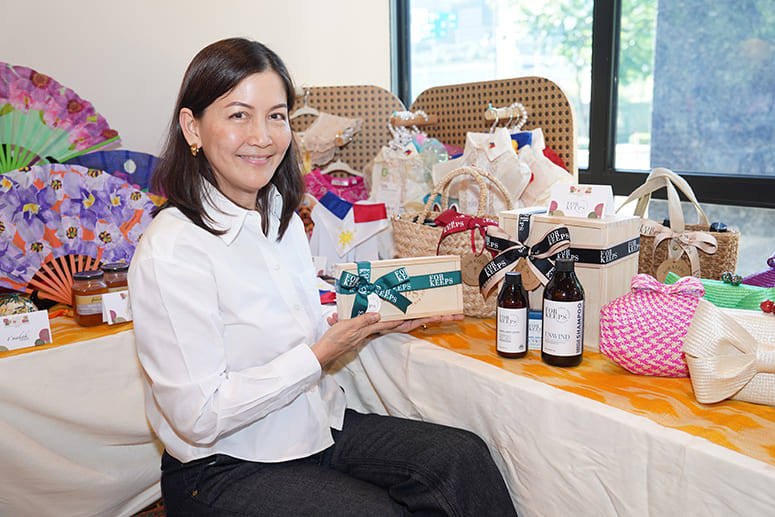
Last December, I remember sitting in a Grab on the way to Ayala Center, watching the traffic crawl and wondering whether I had chosen the worst possible afternoon to cross Makati. I wasn't entirely convinced the trip would be worth it.
It was.
I arrived thinking about Casa Mercedes.
I went home thinking about everyone else.
The weavers. The potters. The jewelers. The food producers. The leather craftsmen. The people whose hands, imagination, and years of experience bring these beautiful things to life. Somewhere between walking the aisles and talking to them, I realized that the best Christmas gifts are rarely the ones bought in haste. They're the ones you discover along the way.
What I particularly appreciate about the Designers' Holiday Bazaar is its setting.
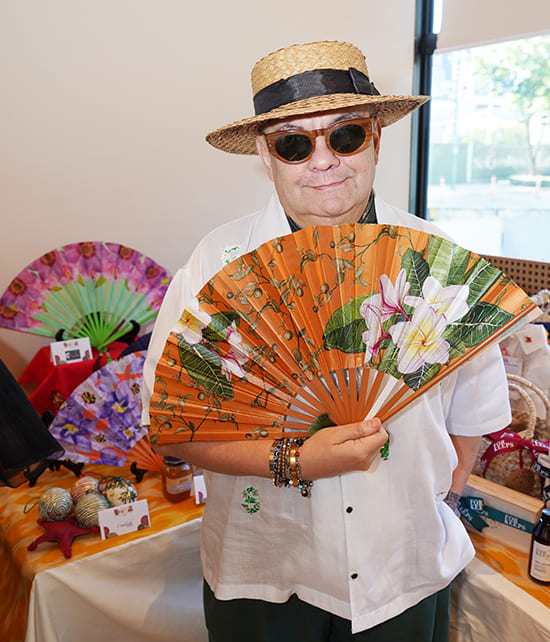
Anyone who has been to Glorietta during the holidays knows its wonderfully peripatetic energy. People are constantly on the move—shopping, meeting friends for lunch, crossing one more errand off the list, or simply making their way through the mall. It is Manila at its busiest and, perhaps, at its most festive.
That is precisely what makes the bazaar so interesting.
Some visitors come looking for it. Many others simply happen upon it. Something catches their eye. They pause, strike up a conversation, and before they know it, they're taking home not just an object, but the story behind it.
Meeting the people behind these objects also changes the way you think about value. You begin to understand that craftsmanship isn't measured only by the finished piece, but by the time, patience and years of experience that went into creating it. Every object has a human story behind it. That's not something you'll ever find on a price tag.
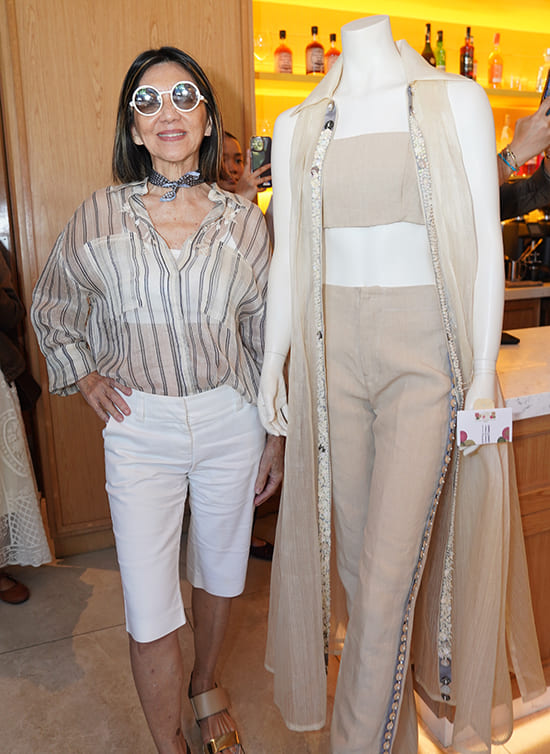
The future of Philippine craftsmanship depends not only on those of us who already appreciate it, but also on introducing it to people discovering it for the very first time. Some visitors arrive already knowing what they're looking for. Others discover it quite by accident. Both journeys are equally valuable because they lead to the same place: a deeper appreciation of the extraordinary talent behind these creations.
I hope fairs like these continue to grow—not just in size, but in purpose. Beyond the social buzz and the excitement of opening day, their lasting contribution is introducing more people to Philippine craftsmanship, creating opportunities for creative entrepreneurs and helping our creative community flourish.
What encourages me even more is that this is no longer just about one fair. Across Metro Manila, we're seeing more pop-ups, weekend markets and curated gatherings led by a new generation of entrepreneurs who believe in Filipino creativity. To me, it feels like a quiet renaissance, with Philippine craftsmanship finally finding the audience it deserves.
The Designers' Holiday Bazaar is very much part of that movement. This year's edition opens at Ayala Malls Abreeza in Davao City from September 3 to 6, continues to TriNoma in Quezon City from October 14 to 18, before culminating at Glorietta and Ayala Museum from November 27 to December 6 for its 13th edition. I see that not simply as an expansion, but as another opportunity to introduce Philippine craftsmanship to new audiences and communities. The more opportunities we create for people to encounter these crafts—and the people behind them—the stronger our creative community becomes.
Another reason these fairs matter is that both ArteFino and the Designers' Holiday Bazaar have always believed craftsmanship should create opportunities beyond commerce. The Designers' Holiday Bazaar continues that commitment through its partnership with the Ayala Foundation, supporting educational scholarships, while its partnership with the STEPS Scholarship Foundation helps young dancers pursue professional training and careers. It is a reminder that every thoughtful purchase has an impact far beyond the gift itself.
We live in a time when a few taps on TikTok Shop, Shopee, Lazada or even Amazon can bring almost anything to our doorstep. I use them too. Convenience has changed the way many of us shop. But every now and then, it's worth slowing down and meeting the people behind what we buy.
The Designers' Holiday Bazaar embraces that same balance. Globe helps keep exhibitors and visitors connected, while GCash continues to make shopping easier through its digital payment innovations. Technology doesn't replace craftsmanship. It simply helps us discover the human stories behind the objects we bring home.
Perhaps that's what shopping with intention really means.
Not simply buying a gift, but discovering the human story behind it.
To me, that's when Christmas really begins.

WATCH: Save for retirement or enjoy life now? (Generations Ep. 21)
September 16, 2026