The legacy of Giorgio Armani, Italy’s king of fashion
Roads were closed, carabinieri were posted on the streets and a sense of sadness descended on Milan a week ago when the legendary rei a moda, Giorgio Armani, was laid to rest in the family chapel in Rivalta near his hometown of Piacenza.
At age 91, and still working just days before his death, Armani’s passing should not have come as a surprise. And yet those of us who loved him—his simple elegance and all that he stood for—expected the legendary designer to live forever.
Armani will live on forever, though. As the future of Armani’s fashion empire continues to unfold, regardless of what direction it takes, the legacy left behind by Giorgio Armani is indelible.
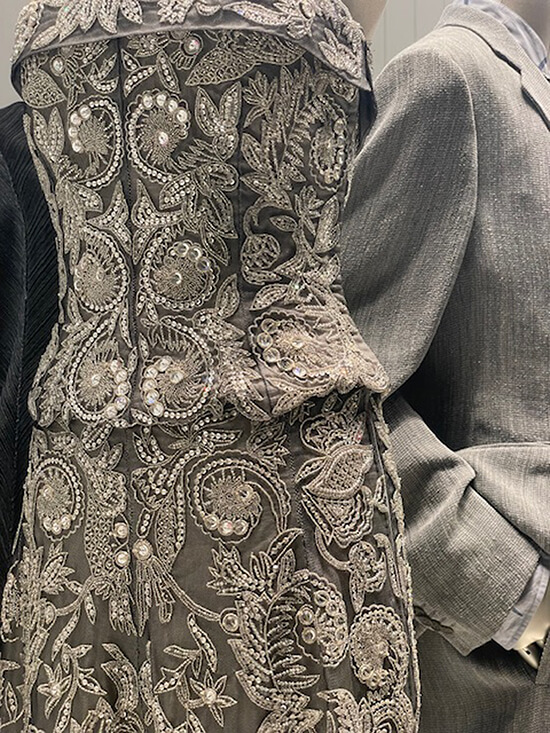
Armani was preparing to open Milan Fashion Week next week with a 50-year retrospective exhibit at the Pinacoteca in the stylish district of Brera. It would be the first time the historical gallery would host a fashion exhibit. Both the exhibit of 150 archival looks and his spring/summer 2026 collection runway show will continue as scheduled.
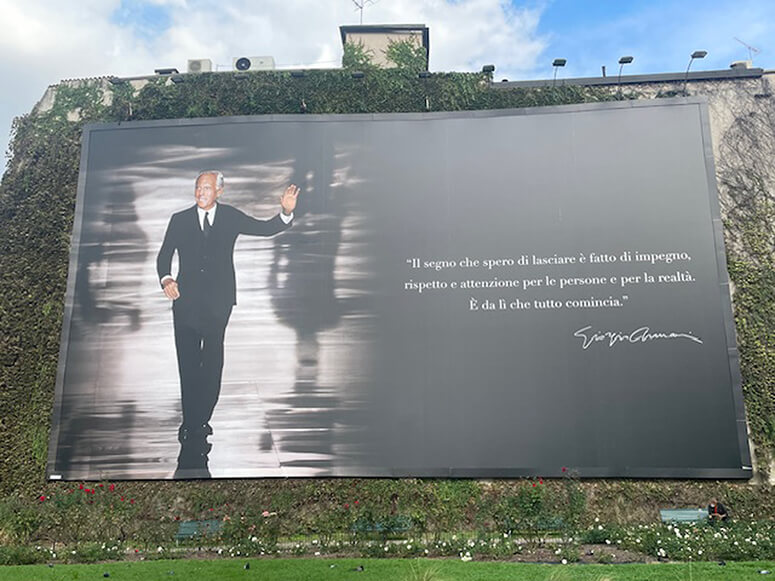
Just a week and a half ago, my family and I were waiting outside St. Peter’s Basilica in Rome; Our entry was delayed because presidents Isaac Hervog of Israel and Karol Nawrocki of Poland, respectively, were meeting inside with Pope Leo XIV. As we stood there, the news of Armani’s death and an accompanying sense of dismay rippled through the crowd. For the next two weeks in Italy, we would hear people on the streets talking about Armani, see tributes to him on shop fronts and billboards, and watch Italian TV where his remarkable achievements were discussed.
Early in my fashion career, I fell in love with Armani’s clean lines. Even though I gravitated towards ruffles and bare necklines, there was something about the way Armani’s closed neck, long-sleeved blouses dropped over the body that felt more sensuously feminine than any of my bustiers and spaghetti strapped tops. On trips to Europe or Hong Kong, most of my shopping money would be spent on just one or two Armani pieces, and I was more than happy with that. It was money well spent, as they are just as wearable in the 40 years since I purchased them.
But this was precisely Armani’s intention. His goal was to design clothes that men and women would wear season after season, year after year, decade after decade. “It makes no sense to propose garments that no one can wear in everyday life,” he declared, and he meant most especially for working people. Beyond the glamour of the gowns he created for royalty and A-listers on the red carpet, his aim was to dress people in a democratic way.
It was this and a background rooted in the aftermath of World War II that led to a preference for clean, simple and elegant lines made with quality fabrics and impeccable craftsmanship. The scarcity of wartime made his family focus on a simplicity of lifestyle that was reflected in the way they styled their home and prepared their meals. Even Armani’s lifelong favorite tortelli alla piacentina, an uncomplicated pasta with ricotta, spinach and grana Padano cheese, reflected this attitude.
Everything that made Armani the legendary success that he turned out to be, half a century after he opened Armani Spa in 1971, is contrary to the way many fashion businesses are run today. Throwing a work-life balance out the window, he immersed himself in his work, regretting that he had no time for himself. Yet he also said, “If you love what you do, you will only have good days. For me, they revolve around work; work gives me energy…If I feel I’ve accomplished something, used my creativity, stimulated my imagination, challenged myself, then it’s been a good day, and I can retire to bed satisfied.”
To repeat his feat of keeping complete control of his company, maintaining total independence of a global mega fashion company with sales in 2023 of 2.45 billion euros and a profitability of 21 percent is practically impossible. You would have to be Armani himself who was focused, looking always to the future and not the short term; who was able to successfully manage being both a designer and businessman. The aesthetic, too, of fashion that doesn’t shout out loud or reflect a designer’s ego, is why his creed for elegance is that it is “not to be noticed, but to be remembered.”
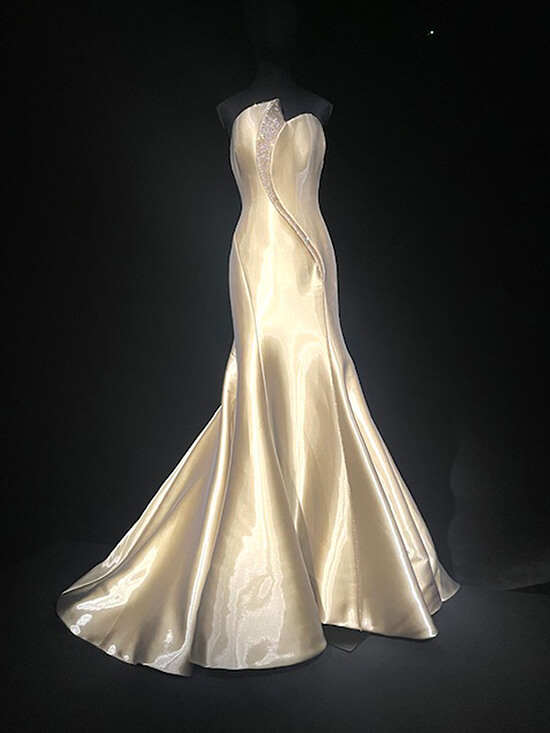
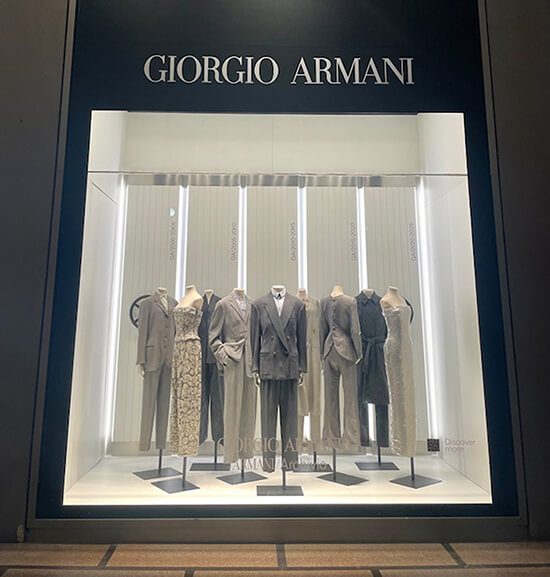
The 10-year-old boy who was injured with massive burns as a result of the war first dreamt of being a doctor who could attend to the needs of the elderly and children. But he gave up his medical studies to work first as a window display artist for the Italian department store Rinascente in Milan before redefining the stiff, structured jacket for tailoring designer Nino Cerruti. Just two days ago, the Rinscente department stores in Italy unveiled store windows with a gorgeous, retrospective display of his works. Though more for actual work and play, they are every bit as dazzling as the prive and made-to-order gowns currently on exhibit at “Armani/Silos” in the edgy, fashionable Via Tortona district.
Armani’s life is the stuff of legends, such as his selling his Volkswagen for 8,000 euros to start his career in 1971 at the age of 41. He would continue on successfully despite the premature death of his partner Sergio Galleotti, who ran the business side of Armani spa. Armani then took the company to greater heights over the next five decades, diversifying the brand to offer the more affordable Emporio Armani and eventually including eyewear, beauty, hotels, flowers and restaurants to curate the ultimate Armani lifestyle. But ever democratic, even the rationale behind Armani chocolates was so that anyone could have a piece of this lifestyle, even a piece of chocolate at two euros.
While it is hard to duplicate what only Armani achieved, successfully tackling both design and business, his work model provides valuable lessons for upcoming designers. He chose to build a business that lasted 50 years at a time when companies have a lifespan of less than 20 years and the times are as volatile and unstable as the era in which he began. He chose sustainable fashion before that became a buzzword, saying it was immoral to remove clothes from the racks that hadn’t sold in weeks and replace them with something similar in design.
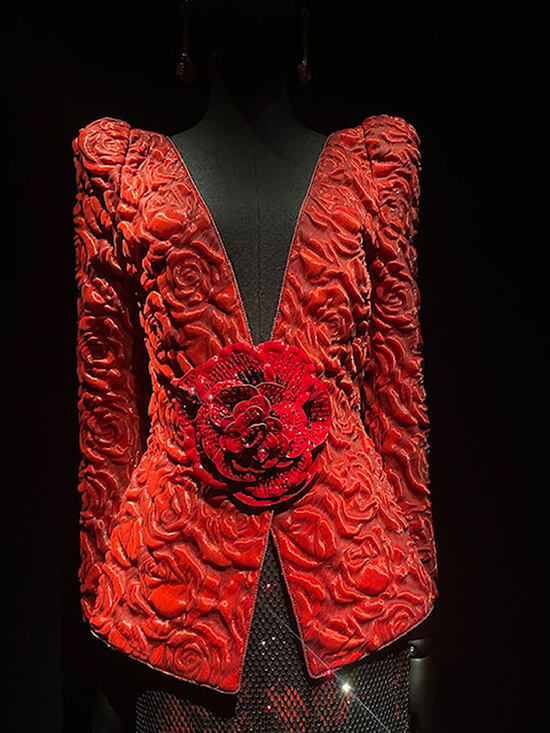
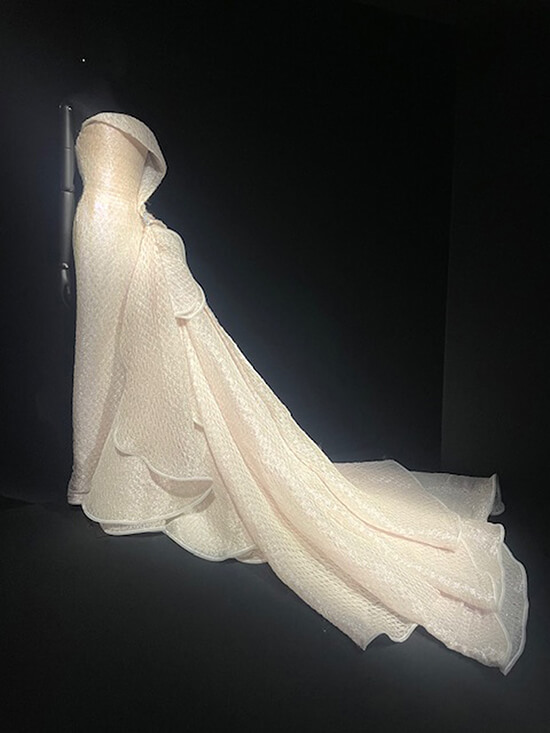
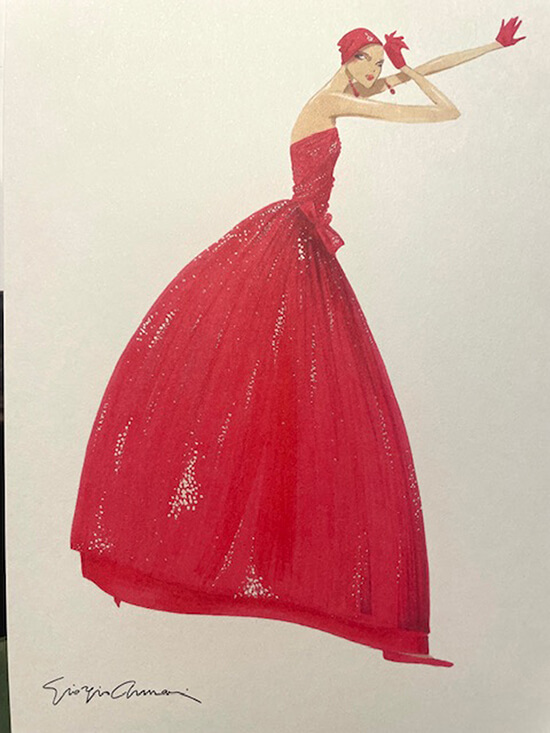
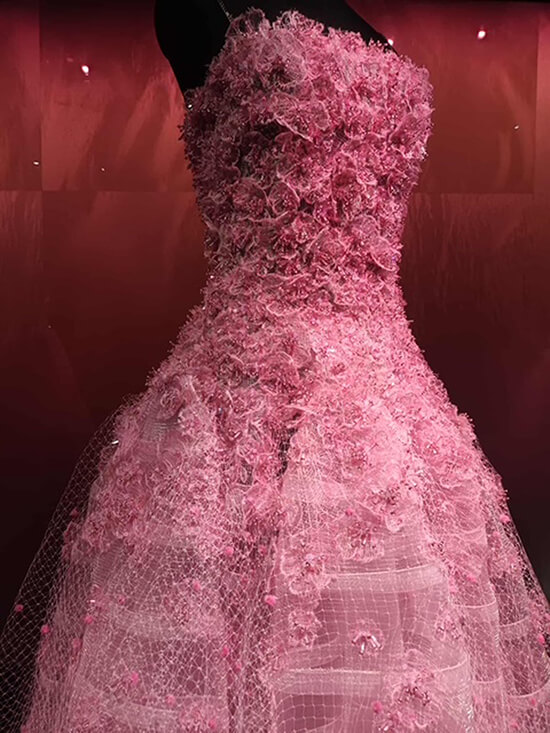
The “Armani/Silos” exhibit covers four floors, arranged according to color and theme, and the store fronts of Rinascente reveal silhouettes that are both classic and innovative. So many of his styles were accented with glitter and glimmer. Yes, this was a designer who loved sparkle and applied it judiciously, making his sparkling gowns look understated even when they were completely covered in rhinestones, sequins and beads. At Armani Silos you can view celebrity gowns worn as recently as that of Demi Moore’s at this year’s Golden Globe awards, in addition to those created for J. Lo, Arianna Grande, Nicole Kidman, Zendaya, Irina Shayk and, of course, Armani style ambassador Cate Blanchett. I fell in love with his opening white palette, was swept away by the vivid red, pink and orange spreads, and mesmerized by the profusion of oriental influences in a black and red section.
Armani created a recognizable style and, like Coco Chanel, Karl Lagerfeld and Yves Saint Laurent, revolutionized fashion by liberating men and women from stereotypes, gender rules and constricting construction. His long-term economic and commercial success is a business milestone despite staying away from fast fashion, choosing to grow slowly, sticking to his style through seasons when it seemed unpopular. “I decided to ignore what was happening around me in the fashion world. I brought each collection to life from a blank sheet of paper,” he once said. As a result, unlike other mega fashion companies, his sales are derived mainly from clothes and not accessories which are “notoriously” more profitable.
Armani’s version of the “4 Ps” rests on product, price, an openness to the digital age and the importance of cinema. Creating the wardrobe of Richard Gere in American Gigolo was a milestone that catapulted both actor and designer to fame. Dressing celebrities is a way of establishing the brand and adding to its visibility. He has an office in Hollywood devoted to this end.
Armani the legend has died, yet in death he lives on forever. I am completely certain that he is currently designing for the angels because before his death, Filipino pastor Arthur Alcantara led him through the sinner’s prayer. Alcantara was one of the privileged few to attend and speak at Armani’s private funeral.
To ease my sense of grief, I purchased circa ‘80s vintage Armani in Milan, amazing steals for what they were. I bought a closed-neck, long-sleeved blouse in greige, that blend of grey and beige that is his trademark color. It drops over the body as femininely as I remember. I also got a black satin bustier matched with a pouffy skirt in black and gold lamé. I will treasure these and remember Armani each time I wear them because they recall the decade in which I first fell in love with his designs. And as I continue to walk past storefronts in the various Italian cities on this trip, displaying open Armani books and his clothes on their windows, I know that Armani—the man, the designer, the philanthropist—will not be easily forgotten.