

Is PDRN the new miracle molecule?
Snail mucin creams, bee venom lip plumpers, probiotic skincare—the skincare industry is known to send some weird but oftentimes effective products our way. Which is why the prospect of PDRN, aka salmon sperm facials and creams, probably didn’t raise many eyebrows.
PDRN was discovered in Italy over 40 years ago, initially extracted from human placenta to treat burns and damaged skin tissue. But because of sustainability and ethical issues surrounding human placenta, researchers worked on extracting DNA fragments from salmon trout or salmon sperm, as these closely resemble human DNA.
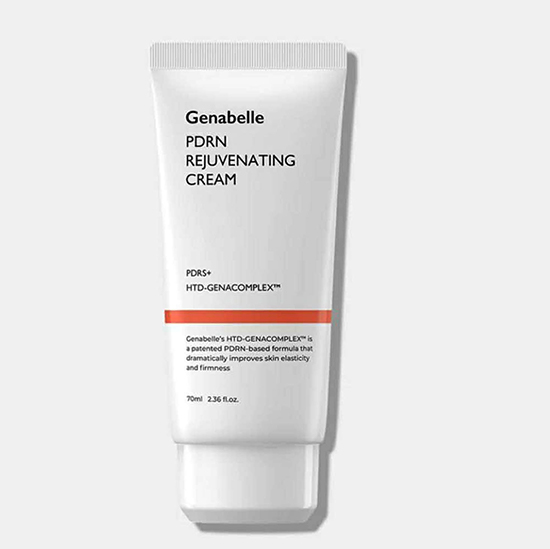
Skincare enthusiasts around the globe can’t stop raving about this new ingredient. But what can it do for you, and what type of skin can benefit most from it? To understand more, I asked Dr. Aivee Aguilar-Teo, president and medical director of the Aivee Group, who helped me break down what makes PDRN such a buzzword in skincare today.
“PDRN stands for polydeoxyribonucleotide. It is a purified mixture of DNA fragments, most commonly derived from salmon or trout. In dermatology, PDRN is classified as a regenerative biostimulator because it helps activate the skin’s natural repair mechanisms. This increases collagen production, improves microcirculation, and reduces inflammation. As a result, it enhances tissue repair, improves skin elasticity, supports wound healing, and strengthens the skin barrier. It is not a filler and does not add volume; rather, it improves overall skin quality and regeneration,” says Dr. Teo.

“PDRN is particularly helpful for acne scars, fine lines, crepey under-eyes, dull or thinning skin, and post-procedure recovery. It is best suited for patients who want skin rejuvenation and repair rather than volume enhancement. This includes individuals with early signs of aging, compromised skin barriers, sensitive or inflamed skin, and patients undergoing laser or energy-based treatments who need enhanced healing,” she adds.
Injectables vs. Topical creams
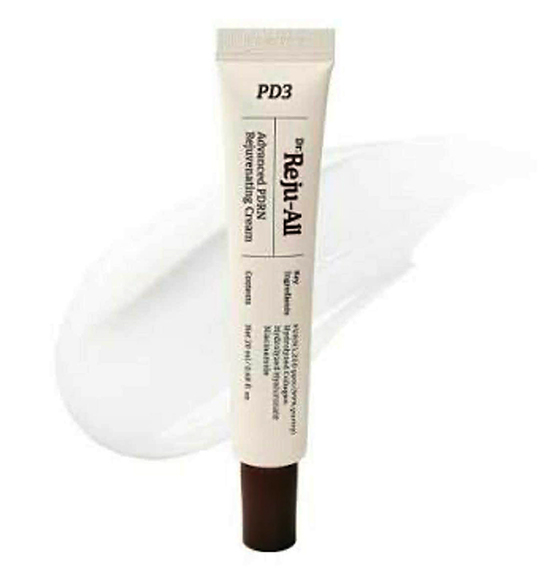
The promise of smoother, tighter skin means that PDRN has become more mainstream, from in-clinic treatments to mainstays at beauty counters. At last count, there are at least a dozen brands selling various formulations of PDRN, from cleansers to serums, masks, and creams, including the brand Rejuran, which is the pioneer of both injectable and topical PDRN.
CONTINUE READING BELOW

The biggest difference between what you get at the dermatologist versus topical products used at home is concentration. The PDRN injected into your skin during a clinic procedure is much more concentrated than what you'd find in, say, the PDRN facial mask used by Hailey Bieber. According to Dr. Teo, “Injectable PDRN is delivered directly into the dermis, where fibroblasts are located. This allows it to activate adenosine A2A receptors more effectively, stimulate collagen production, improve microcirculation, and promote true tissue regeneration. Because it bypasses the skin barrier, its clinical impact is significantly stronger and more structural compared to topical formulations,” she says.
It’s also important to keep in mind that topical PDRN products will likely differ depending on the brand and potency. Dr. Teo says, “The key difference lies in the depth of delivery and overall bioavailability. Topical PDRN is applied to the surface of the skin and primarily works on the epidermis. While it has anti-inflammatory and barrier-repair benefits and can support superficial wound healing, its penetration is limited because DNA fragments are relatively large molecules. As a result, even if the concentration is high, the effect remains supportive rather than deeply regenerative and is best suited for calming, recovery, and maintenance,” she adds.
Highly recommended for sensitive skin
Personally, while injectable PDRN is not recommended for me for health reasons, what I find effective for my sensitive and rosacea-prone skin are topical formulations of PDRN. Unlike acids or retinol, which can often be too harsh for sensitive and rosacea-prone skin, the best thing about topical PDRN is that it’s gentle enough for those with compromised or reactive skin, which is one of the reasons it’s popular in both professional in-clinic treatments and at-home skincare. It’s all about strengthening and nourishing the skin barrier in the long term.
One thing to keep in mind, though: Proceed with caution if you have a fish or shellfish allergy, and discuss it with your doctor before trying injectable and/or topical formulations.

WATCH: Can you still trust someone who betrayed you? (Generations Ep. 22)
September 23, 2026
WATCH: Do you still believe in marriage? (Generations Ep. 17)
August 19, 2026